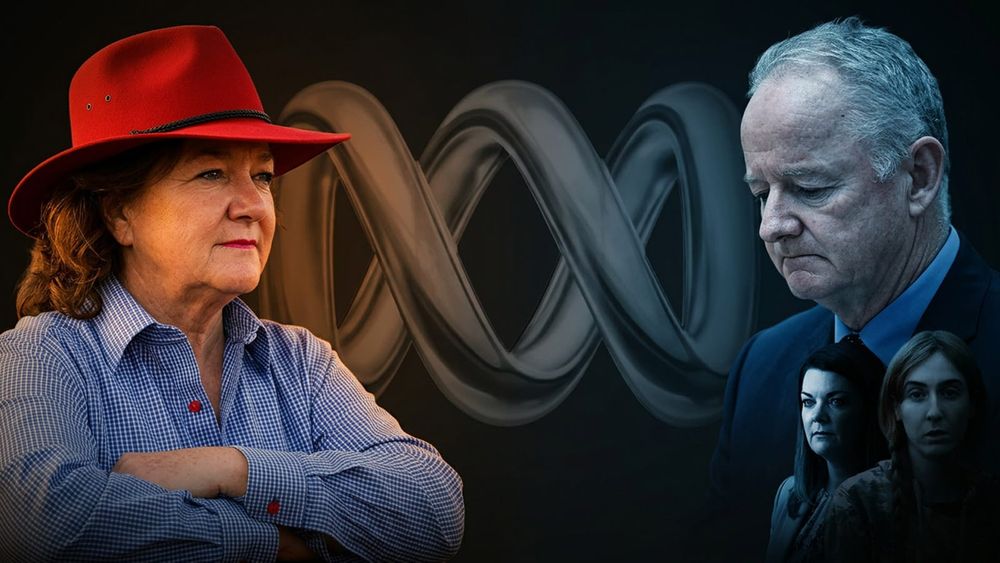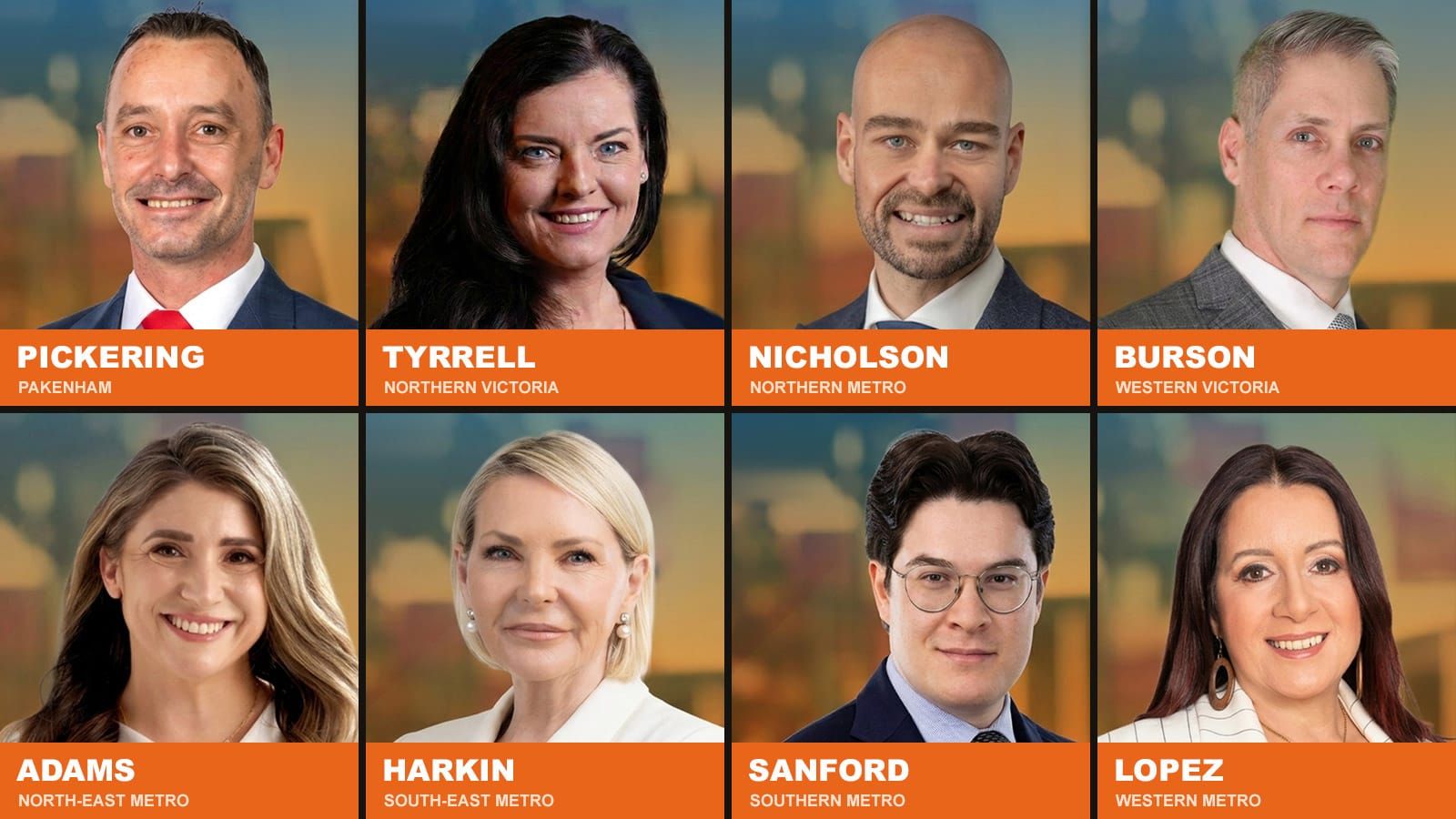
Warren Pickering, One Nation's Victorian state president, will contest the lower house seat of Pakenham on 28 November at the head of a team that now covers seven of the state's eight upper house regions. Rebel News reporter Avi Yemini published a long interview with the team this week, calling it a team picked to save Victoria and predicting an orange wave.
One Nation has picked a GREAT team to save Victoria this November. Bring on the ORANGE WAVE!
Avi Yemini (@OzraeliAvi) August 7, 2026
Victoria's parliament has two houses, and a bill has to get through both of them to become law. The lower house, the Legislative Assembly, has 88 seats and decides who governs. Win 45 of them and you form government and your leader becomes premier.
Our upper house preview sets out how the 8 regions and the ballot paper work, and the group voting scandal covers the loophole parliament is now moving to close.
The upper house, the Legislative Council, has 40 seats and forms nothing. Its job is passing or blocking what the government wants to do, and a government that doesn't hold 21 seats in there has to negotiate with everybody else to get its own laws through.
Why One Nation put seven of its eight candidates in the upper house
Winning a lower house seat means coming first. The state is carved into 88 districts and each one sends a single member to parliament, so the runner up goes home with nothing. Warren Pickering is the only one of the eight taking that road, in Pakenham.
Find your region and see who One Nation is running in it
Each upper house region covers 11 lower house districts. These are the 8 regions on the current boundaries, and the One Nation candidate standing in each.
| Region | Main areas it covers | One Nation candidate |
|---|---|---|
| Eastern Victoria | Gippsland, the Latrobe Valley, the Dandenongs, Pakenham and the southern Mornington Peninsula | None announced |
| North-Eastern Metropolitan | Both sides of the Yarra, from Mill Park south to Glen Waverley and east to Eltham and Warrandyte | Natalie Adams |
| Northern Metropolitan | A narrow band from Melbourne and Richmond north to Kalkallo, taking in Brunswick and Northcote | Mark Nicholson |
| Northern Victoria | The Murray from Mildura to Wodonga, through Bendigo to Macedon and Yan Yean | Rikkie-Lee Tyrrell |
| South-Eastern Metropolitan | Mordialloc, Frankston, Cranbourne, Berwick and Rowville | Colleen Harkin |
| Southern Metropolitan | Along the bay from Port Melbourne to Mentone and north to Kew | Aaron Sanford |
| Western Metropolitan | Sunbury down to Williamstown and south west to Werribee | Fiona Lopez |
| Western Victoria | The South Australian border through Ballarat to Greater Geelong, including Melton | Chris Burson |
There's a quirk in that first row. Eastern Victoria is the one region without a One Nation lead candidate, and it's the region that contains Pakenham, the lower house seat the party's own state president is contesting.
The upper house is a different game entirely. Victoria is split into 8 much larger regions, and each region elects five members at the same time. You don't have to beat everyone, you just have to finish in the top five, which in practice takes about one vote in six, or roughly 17%. That is a far lower bar than winning a district outright, and it is the reason seven of the eight names below are contesting regions rather than seats.
Which means no Victorian will see all eight of these names. Warren Pickering appears on ballot paper 1, the lower house one, and only for people who live in Pakenham. The other seven appear on ballot paper 2, the upper house one, and only in their own region, so a voter in Geelong gets Chris Burson and never sees Colleen Harkin. Find your region in the table further down and you will know which of them is actually on your paper.
It's too early to tell if One Nation will be able to form government in November, but a bloc of upper house seats means whoever does form government has to come to One Nation to get legislation passed, and that's leverage over what a Labor or Coalition government can actually do for the next four years.
Pauline Hanson has said the party has candidates locked in for up to 76 of Victoria's 88 lower house seats. The eight profiled below are the names carrying the upper house campaign, plus Pickering in Pakenham. The party's own candidates page lists no lead candidate for Eastern Victoria, the one region the ticket doesn't yet cover.
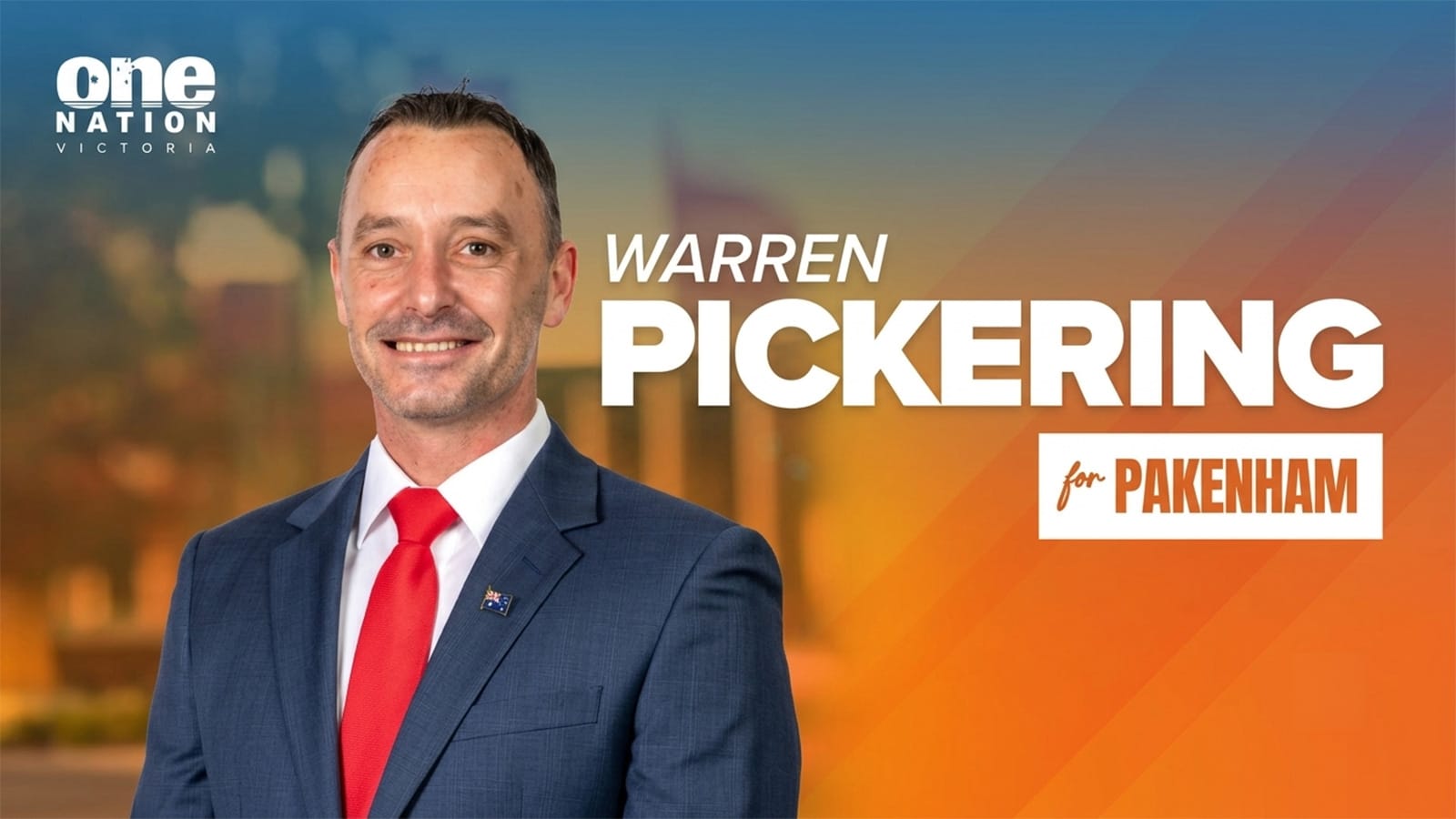
Warren Pickering went from Gippsland farmland to the Army to running the party's Victorian operation
Pickering grew up on the land in Gippsland and went from farm work into the building trade, laying bricks on houses and commercial sites. He spent the next ten years in uniform as an Army combat engineer, with postings to the Middle East where he trained and instructed troops, plus disaster relief jobs at home and exercises with foreign forces. Raising a teenage daughter alone, he shifted to the Reserve, took work in the Queensland coal mines, and eventually came home.
He has run for the Senate under the One Nation banner before, and advised the party at state level in Victoria. These days he runs its Victorian operation, which covers finding candidates, writing policy and building branches, and he holds diplomas in leadership and management, project management, and workplace health and safety.
He campaigns on cheaper power, lower taxes, tighter borders, tougher policing, and a public service that wastes less and answers for more. In August, three outlets reported that he'd called himself a conspiracy theorist. As we reported then, the transcript shows he never said it.
"Pakenham needs representatives with real world experience who understand working families, regional communities and the systems they are elected to oversee," Pickering says in his campaign material.
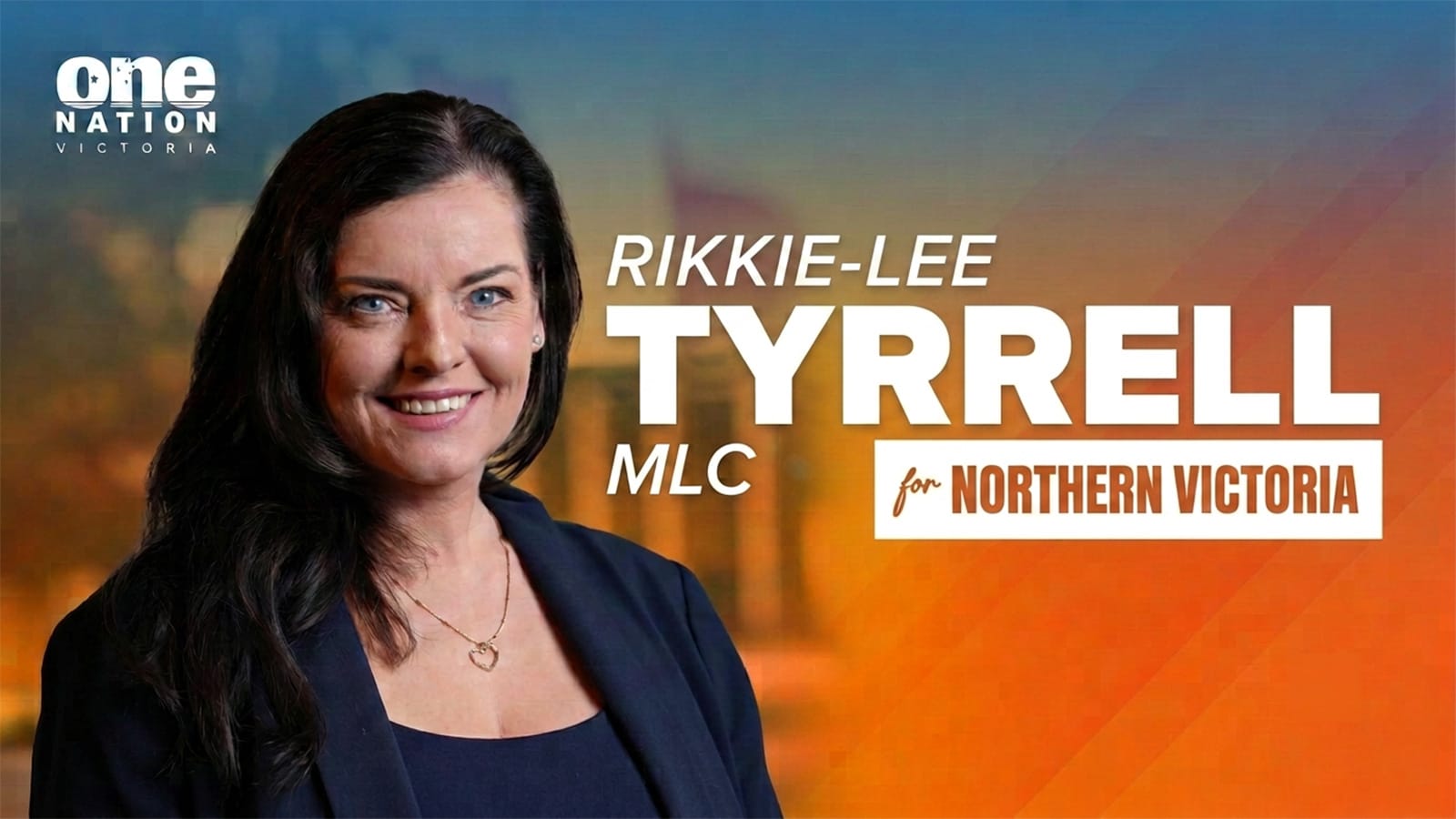
Rikkie-Lee Tyrrell is the sitting MP and the only one on the ticket who's already won
Tyrrell won Northern Victoria in 2022 and became the first One Nation MP ever elected to the Victorian parliament. She's recontesting the same region in November, which makes her the only candidate on the ticket defending a seat rather than chasing one.
Born in Wagga Wagga and raised on the New South Wales south coast, she worked in tourism and hospitality and then managed rental properties, before the family moved south to take on a dairy farm. She milked cows for 16 years. Home now is Shepparton, where her two kids are still at school. Water is what got her into politics and it's still what she runs hardest on.
"Victoria's irrigators have borne the full brunt of water reform, giving up hundreds of gigalitres to the Murray Darling Basin Plan and cutting or limiting the water available to whole districts," she says.
She also wants Victoria's gas reserves opened up and its coal kept working to bring power bills down, and she opposes large wind and solar projects on prime farmland.
"The reality is that our gas reserves are locked away because of reckless climate ideology, or for exports that return very little to the people who own them," she says.
In parliament she's pushed on regional roads, drought assistance for farmers and more water storage across the north. She moved to criminalise desecration of the Australian and Victorian flags, has backed implementing IBAC and Victorian Ombudsman recommendations on government accountability, and has spoken against the Respectful Relationships program in Victorian schools.
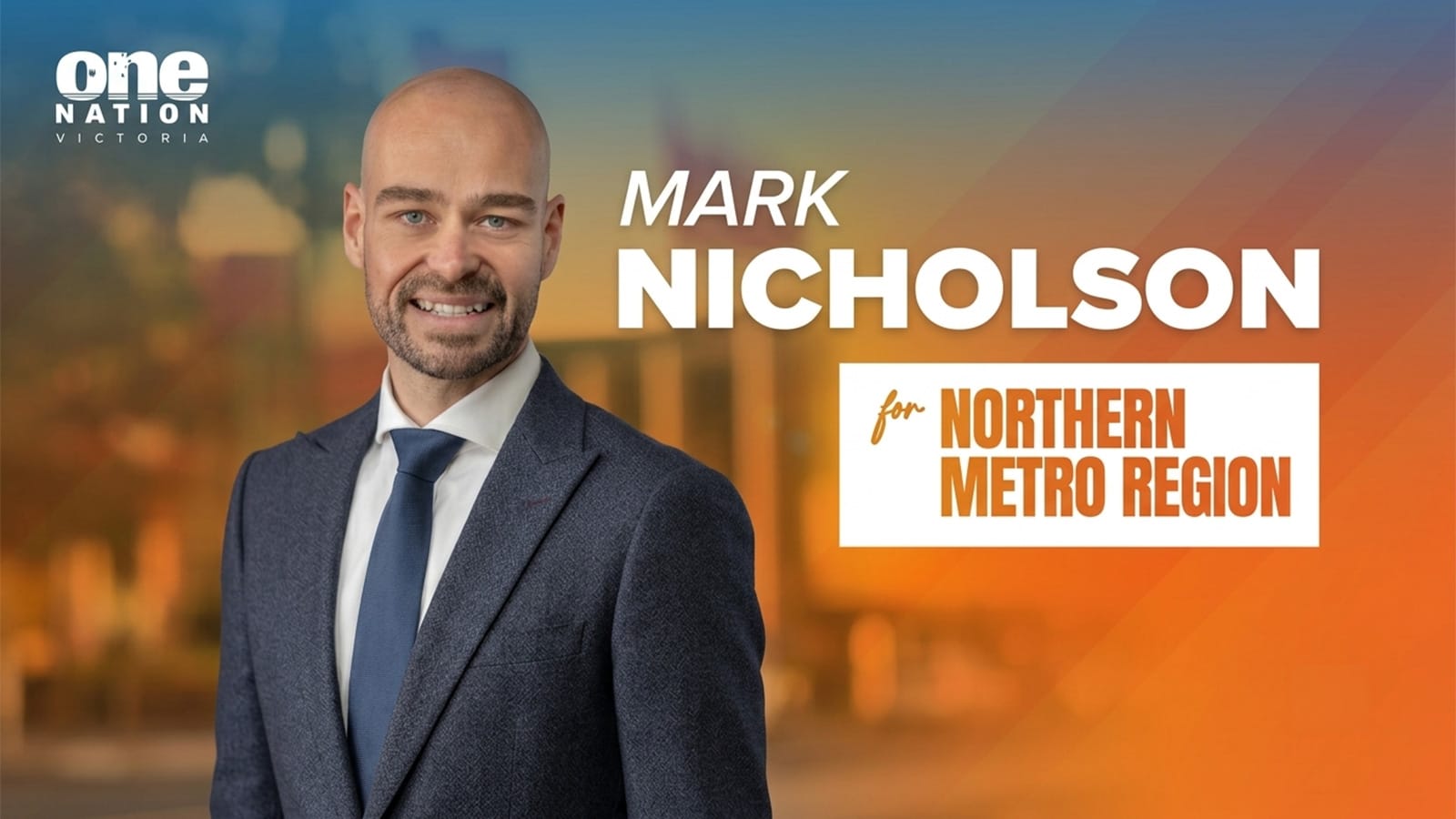
Mark Nicholson quit criminal law to draw Pauline Hanson and is now running in Labor and Greens heartland
Nicholson heads One Nation's ticket in Northern Metropolitan, a region taking in Brunswick, Northcote and Richmond, and about as hostile a patch of ground as the party could pick. He practised criminal law before he and business partner Sebastian Peart grew Stepmates Studios out of a backyard shed into one of the busiest animation houses in the country.
Together they've turned out more than 100 episodes of Please Explain over four seasons and a feature film, with Nicholson doing the writing, the producing and all the voices himself. He also turns up weekly on the National Cabinet panel on News24's The Kenny Report.
He told One News in an earlier interview that his time in court shaped his politics: "As a criminal lawyer I stood in courtrooms where I saw criminals not treated as criminals. They were treated as patients."
Home is Abbotsford, where he lives with his wife, their little girl and a dog called George. He says the best compliment he's had came from Hanson, who told him she could "see the mongrel in him".
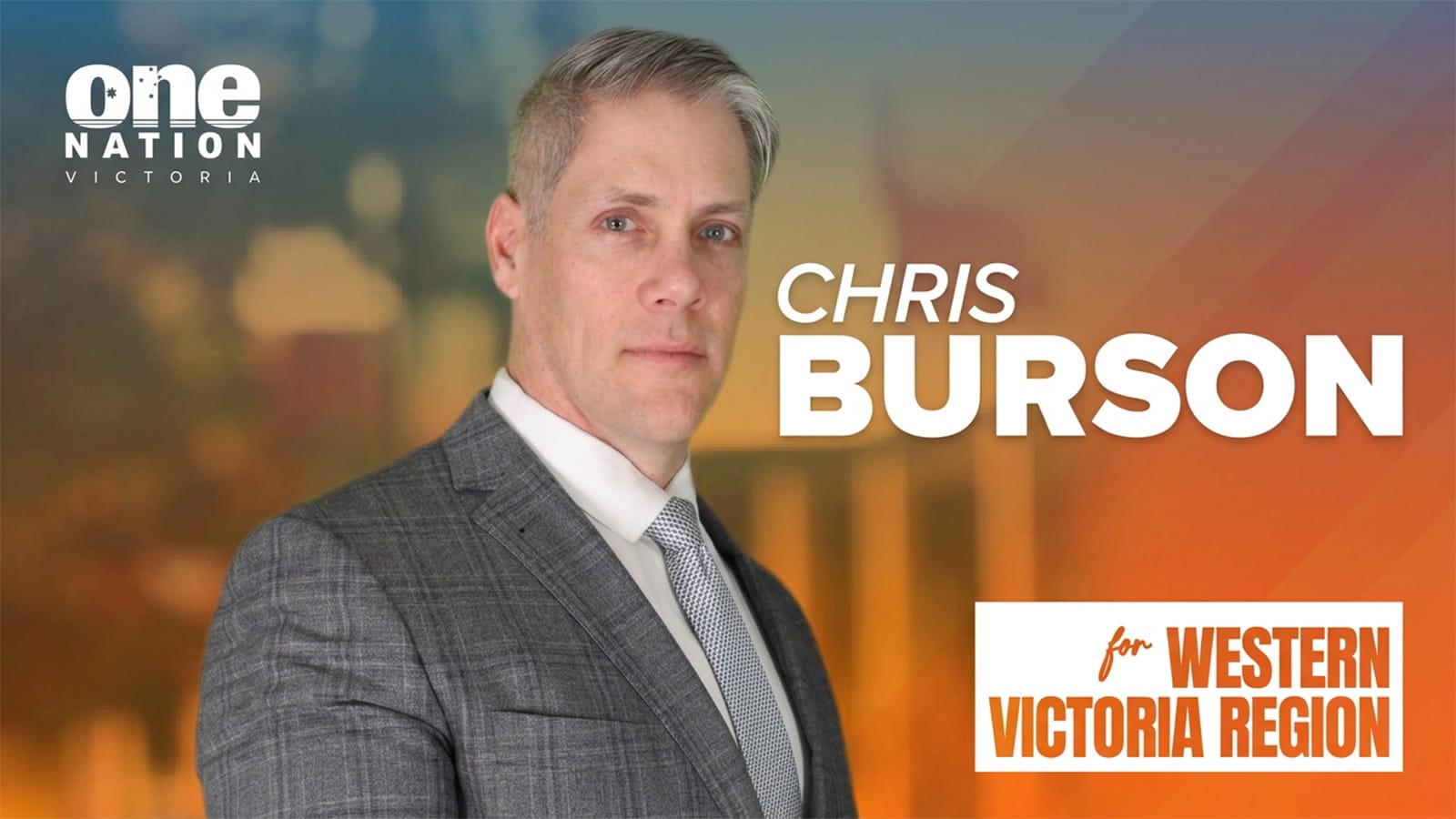
Chris Burson spent a decade in Victoria Police, three years of it as a tactical operator and negotiator
Burson is contesting Western Victoria. He signed up with the Army in December 2002 and started out as a combat engineer at Townsville with 3rd Combat Engineer Regiment. He later switched to Army Aviation, flying as a loadmaster with 171 Aviation Squadron and serving in Timor-Leste.
Policing took the next decade and more. He rode the divisional van on general duties out of Richmond and Geelong, and spent long shifts in emergency departments with people in drug and mental health crisis. He did a stint with the Public Order Response Team, then three years in the Critical Incident Response Team as a tactical operator, negotiating among other duties.
"Every time I go somewhere, it's because of a law written by some politician," Burson says. "If someone writes a law, they need to understand that at the end of that is a copper who has to potentially risk their life to defend this paper you've just written."
In 2022 he was present when the operative known as the Preference Whisperer was secretly taped talking about upper house preference deals, and he had a hand in getting those tapes out. He did it from inside Angry Victorians, the state vehicle for former commando Heston Russell's Australian Values Party, which the Victorian Electoral Commission registered on 28 October 2022 and deregistered the following year. His priorities include crime, cost of living, rebuilding the regions, and closing the funding gaps facing first responders.
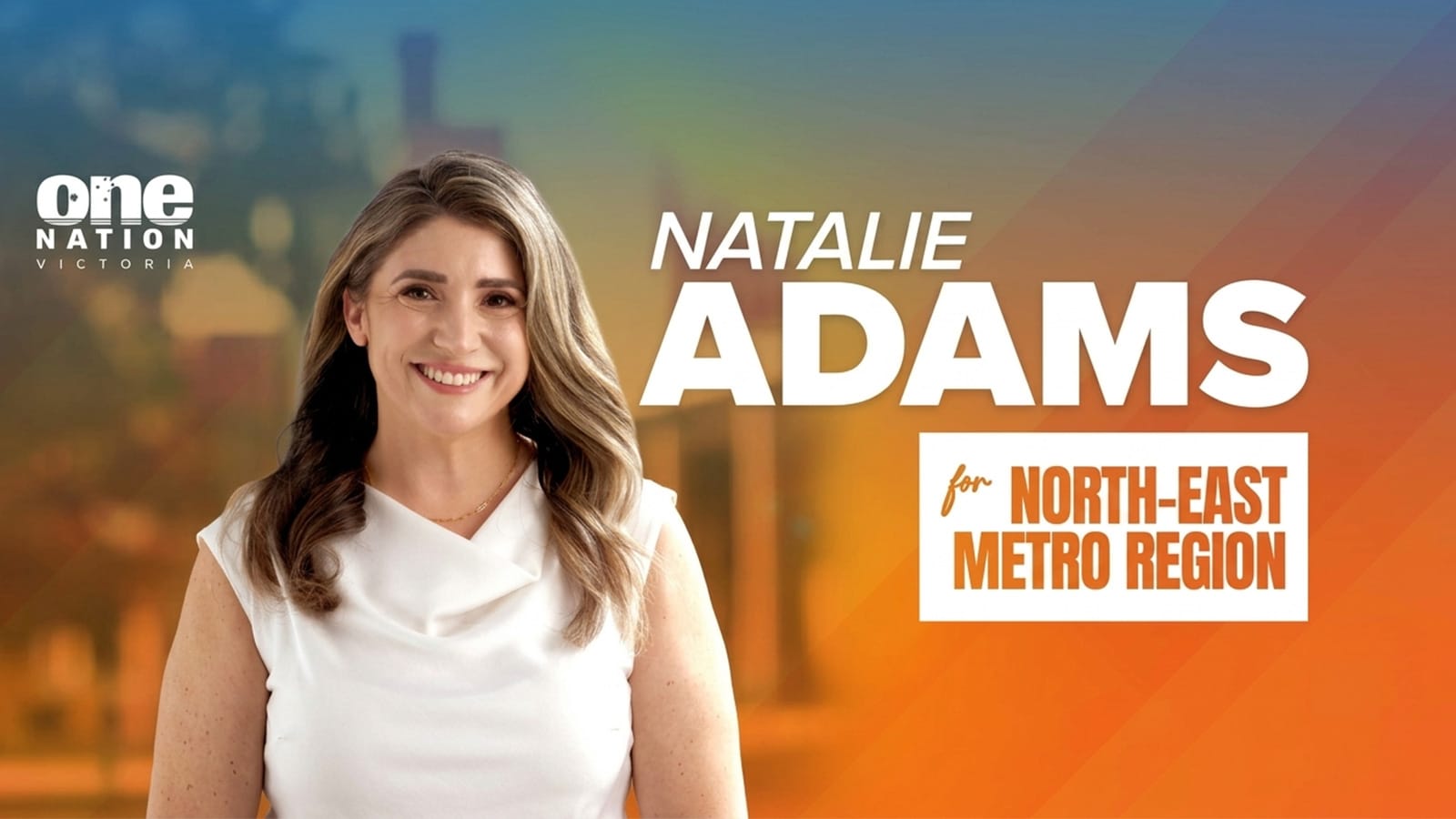
Natalie Adams is an employer who says government keeps making it harder to employ people
Adams is the lead candidate for North-Eastern Metropolitan and has lived in Melbourne's north east for years. She has three children and has spent years running a business with her husband, and she argues that rising costs, growing regulation and staff shortages trace back to decisions taken a long way from the communities that wear them.
Her focus is education. She wants literacy, numeracy and critical thinking restored as the foundation of schooling, and closer ties between young Victorians training in a trade and the businesses crying out for those skills.
"Education should give young people the knowledge and confidence to think for themselves, not tell them what to think," she says.
She also points to the party's commitments on wasteful spending, accountability, phasing out payroll tax and community safety as the practical changes she says families and businesses are asking for.
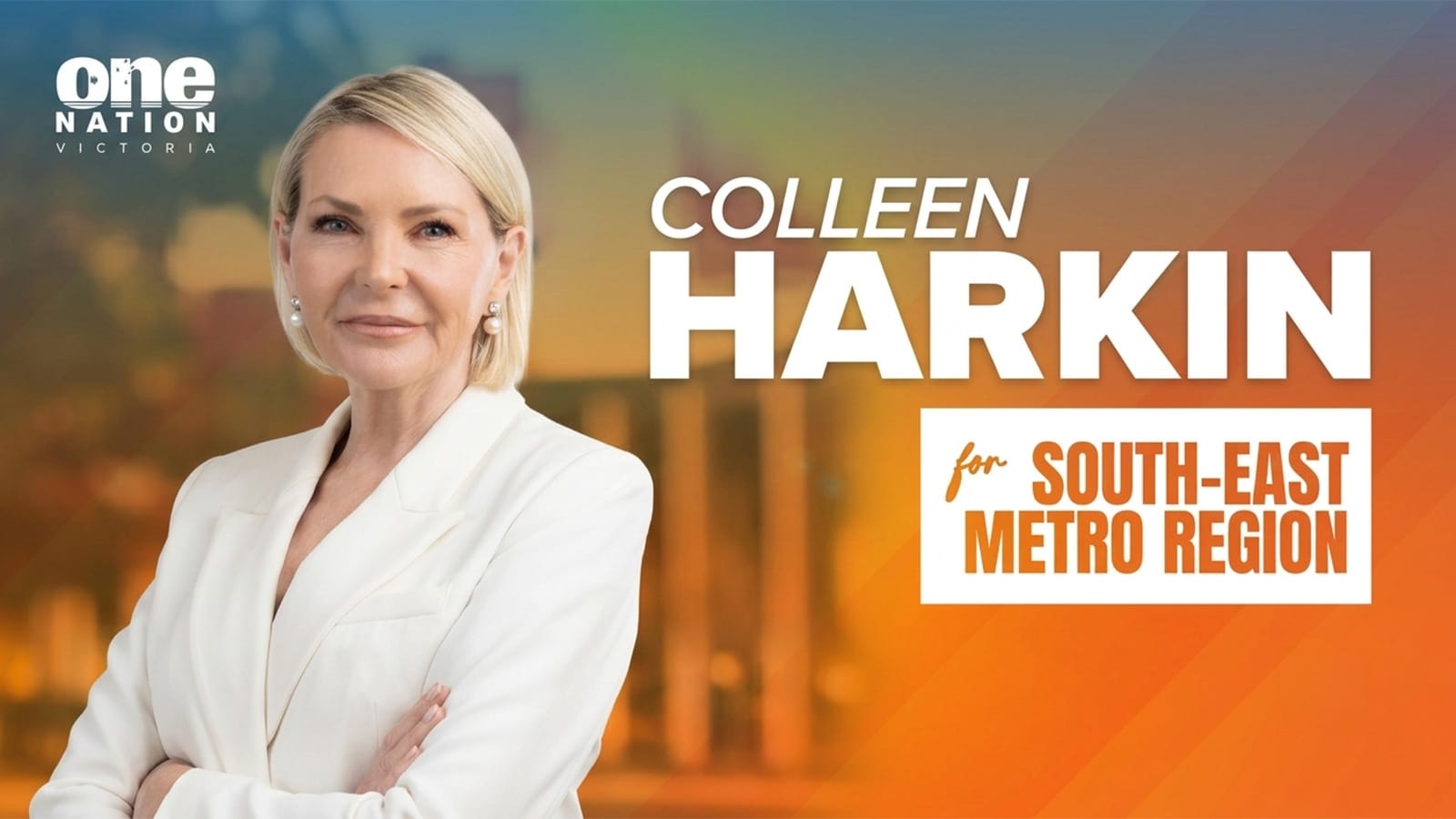
Colleen Harkin brings education policy and a Liberal Party background to South-Eastern Metropolitan
Harkin is contesting South-Eastern Metropolitan. She's a former Liberal Party member whose background spans classroom teaching, education policy, consulting, ownership of a small IT business and work as a political staffer. She has volunteered in her community for years and has one child.
On the economy she wants power bills down for households and for the businesses that pay them, and government out of the way of small operators. In education she'd strip activist agendas from the curriculum, raise academic standards, ease the demands placed on teachers and introduce a voucher system giving parents school choice.
"Future generations deserve to inherit an Australia recognisable from the one we grew up in, where family, opportunity, freedom and mateship still flourish," she says.
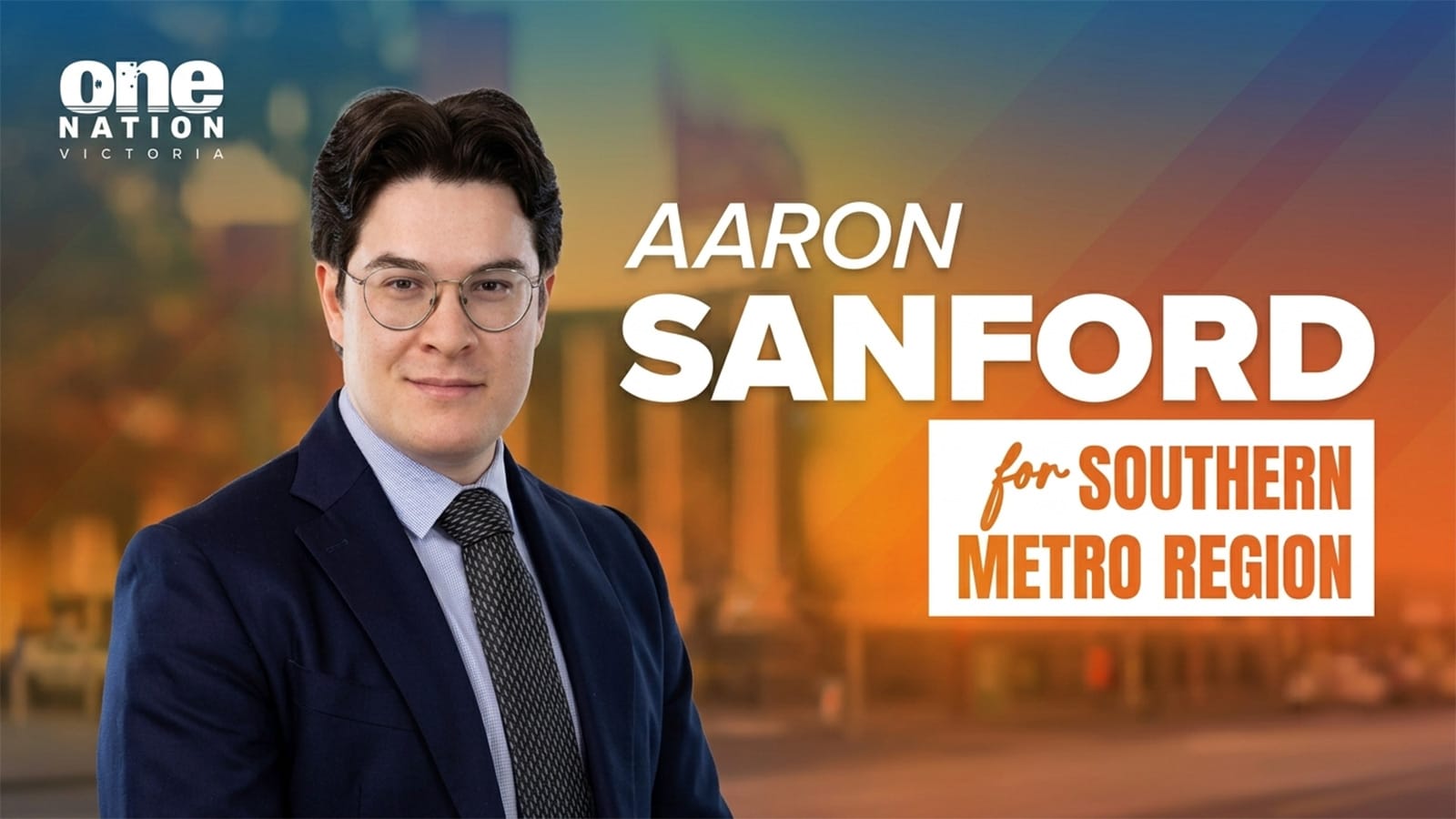
Aaron Sanford is the criminal lawyer putting immigration at the centre of his Southern Metropolitan run
Sanford was born in Melbourne in 1996, the son of an Australian born father whose own parents arrived as Ten Pound Poms, and a mother who migrated from Malaysia. He's a lawyer and court advocate contesting Southern Metropolitan, and immigration is the centre of his pitch.
"Both major parties have embarked on a mass migration and multicultural nation building strategy, based on the foolish and arrogant notion that peoples and cultures are interchangeable, that our differences are trivial, and that you can build a strong, unified society based on a civic identity alone," he says. "We have been sold their lies for decades, and now we are waking up to the consequences of those lies."
He describes politics as a calling rather than a career, and says he wants his son to grow up in a Victoria that's the Garden State again.
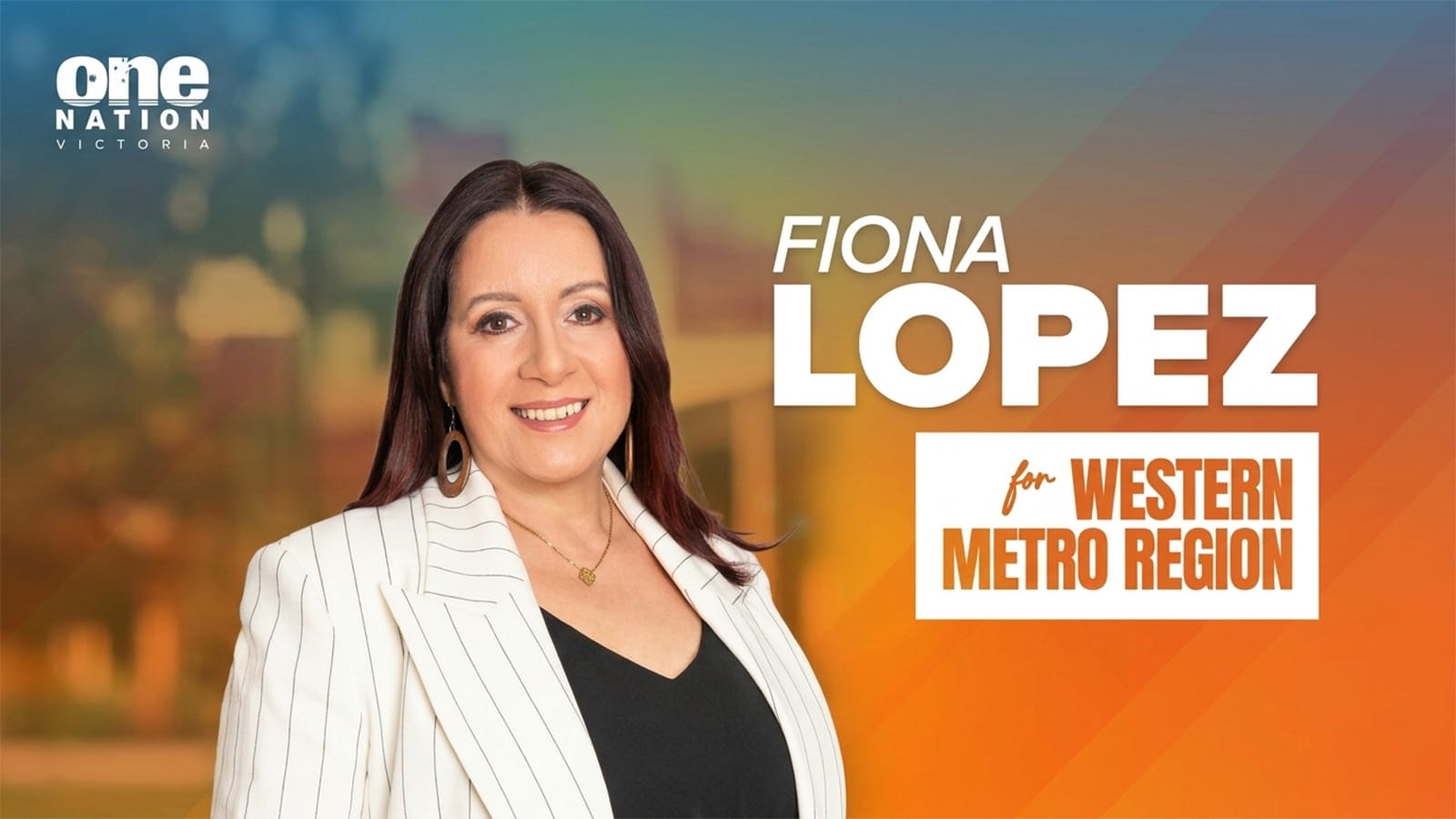
Fiona Lopez has lived her whole life in Melbourne's west and is running on crime and aged care
Lopez is contesting Western Metropolitan, the region she's lived in her entire life. Her parents came out from Italy in the 1950s. She and her husband Alex between them have five children and five grandchildren.
She works in human resources, and says the job shows her every week how few qualified tradespeople there are and how thin the state's trade training has become. Her priorities are cracking down on crime, fixing aged care, and practical support to get vulnerable Victorians off the streets.
"I will always say what needs to be said and I will never stop fighting for what is right and just for the people of the Western Metropolitan Region," she says.
What the numbers say about whether any of them get in
Upper house quotas are the more forgiving target, and the seven regions the party is contesting are where a statewide swing converts into actual seats. Victorian polling has moved sharply through winter and will keep moving before 28 November, so for where the parties stand in any given week see our poll tracker, which carries every published poll with its pollster, sample size and field dates.
Victorians go to the polls on Saturday, 28 November.