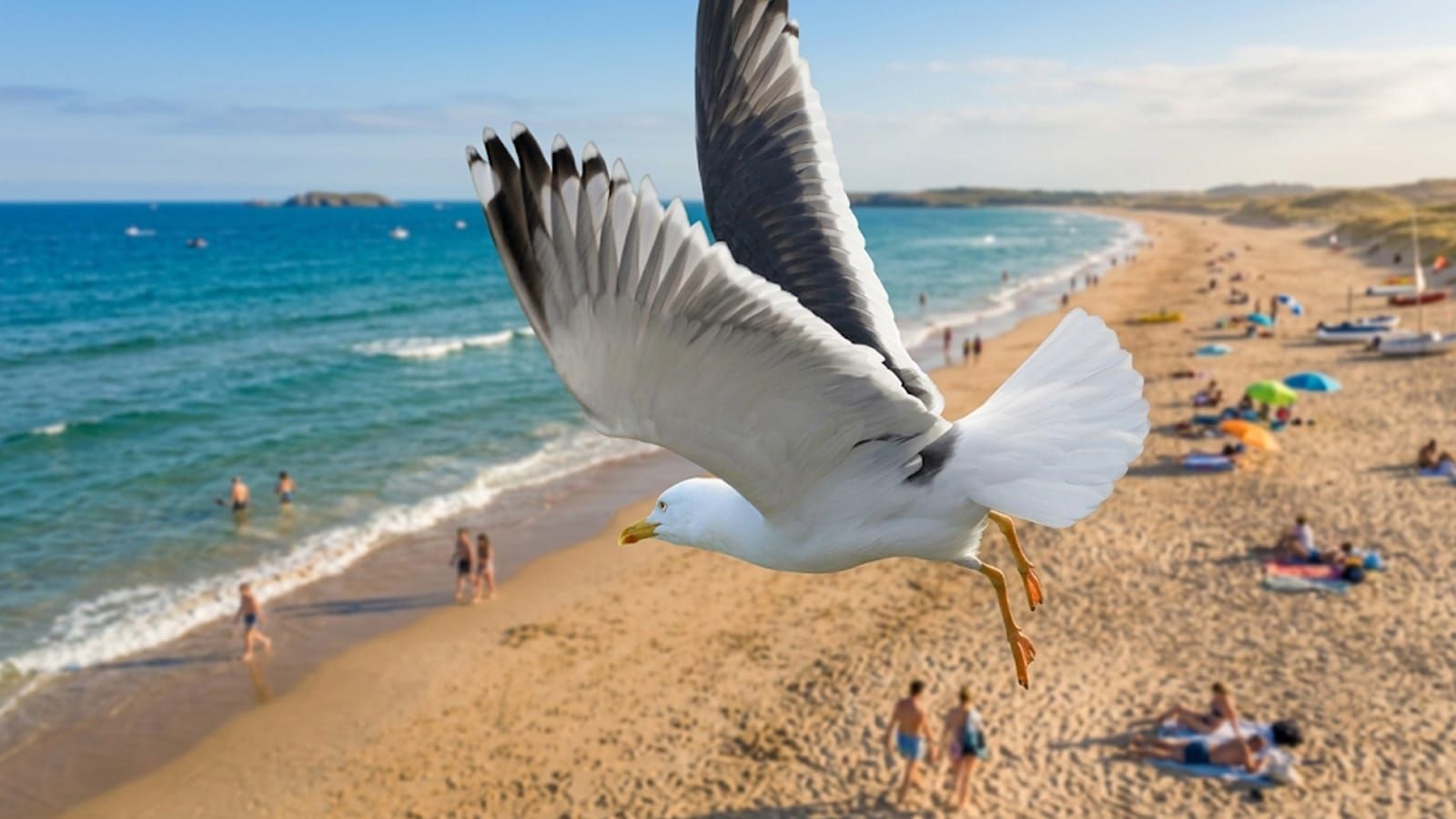
Australia's bird flu outbreak has escalated sharply in a matter of days, and it's just taken the two steps that matter most for anyone who buys eggs or chicken. Confirmed cases have jumped from 27 to 53, the virus has reached the common silver gull, and a suspected case has turned up inland at Monarto in South Australia, an area home to several poultry farms.
First, the reassurance that still holds. Cooked eggs and chicken are safe to eat, and the human health risk comes from handling sick or dead birds, not from food. We set out the full picture for shoppers in our first report on what the outbreak means for your eggs and chicken. What's changed this week is the direction the virus is moving, and the speed.
Why the Monarto detection is the one that should worry egg buyers
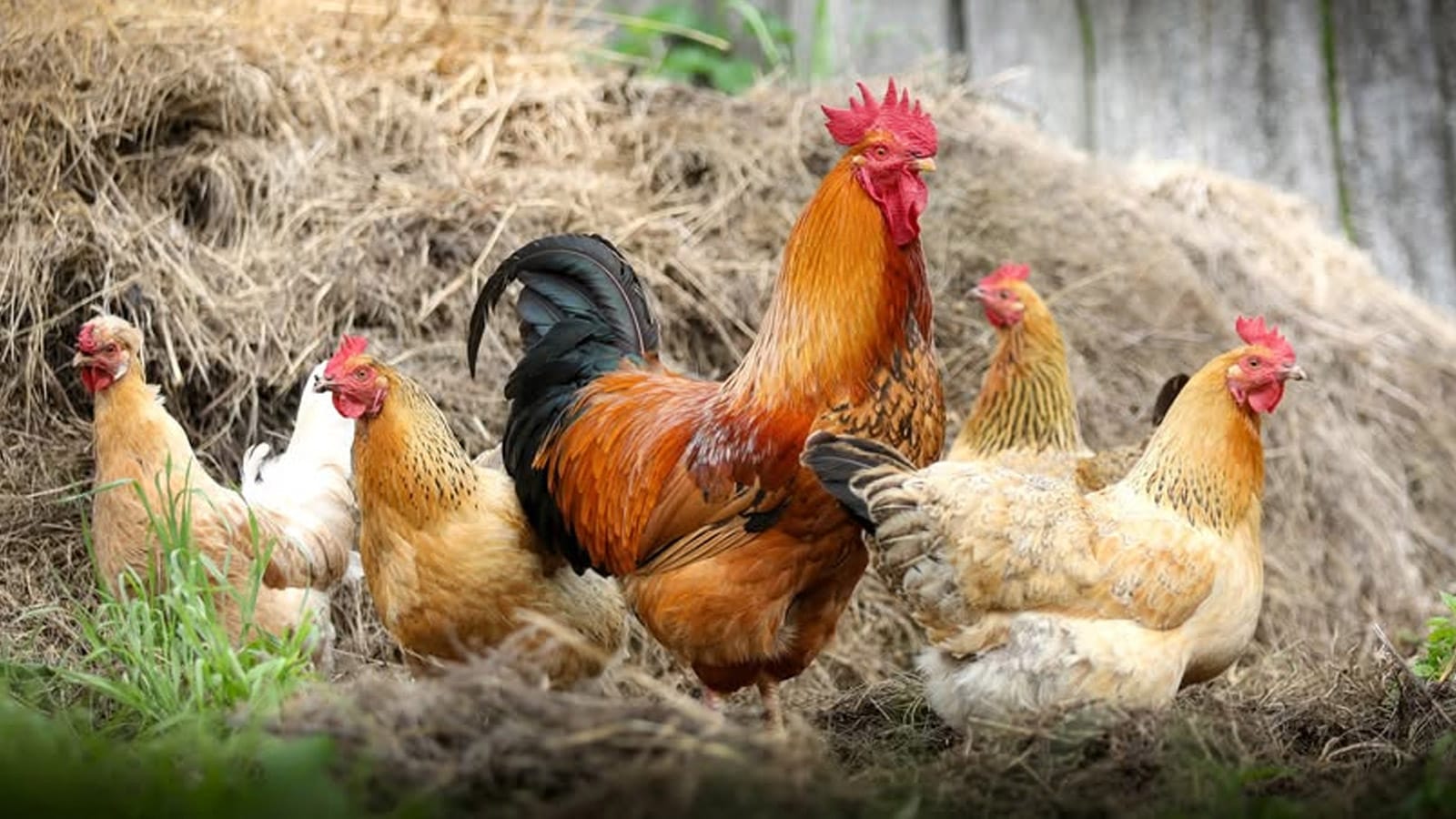
Until now this has been a coastal, wildlife story. The suspected case at Monarto, well inland of the coast, is the first sign the virus is moving off the beach and toward the farms. As reported by The Guardian, that district is dotted with poultry farms. Bird flu only becomes a supermarket problem when it reaches commercial sheds, because infected flocks get culled to stop the spread, and that's what empties shelves and lifts prices.
Nothing has been confirmed in a commercial flock. But that inland move is exactly the step biosecurity is built to stop.
The silver gull is the bird most likely to carry this to your city and your farms
The virus has now reached the silver gull, the bird most Australians simply call a seagull. The first was confirmed by the CSIRO, with three more suspected. It's the second native species hit after the greater crested tern, and it's the more dangerous carrier.
Silver gulls scavenge from dead and dying animals, so they pick the virus up easily. They thrive in cities, rubbish tips and inland waterways, and they travel. BirdLife Australia's Sean Dooley said they "could be the vector that takes bird flu inland." That's the bird that connects a dead tern on a beach to a poultry shed in the country.
Dozens of dead terns point to Australia's first mass mortality event
Helicopter surveillance off the Limestone Coast found 49 dead and 35 sick greater crested terns on Baudin Rocks, near Robe, more than 80 birds in one place. South Australia's Chief Veterinary Officer Dr Skye Fruean said it was likely the country's first such die-off from the disease, six weeks after it arrived.
"Unfortunately, it does appear to be escalating quite rapidly," Fruean said, adding there was "nothing we can do" to stop it spreading through wild populations. South Australia now has 39 confirmed cases, with the national tally at 53: 10 in Western Australia, two in New South Wales, and one each in Queensland and Victoria.
Victoria has now joined the outbreak, from Portland to Nelson Bay
The virus crossed the South Australian border into Victoria this week. The state's agriculture department has confirmed one positive case and six suspected, in crested terns found at Portland and Nelson Bay in the south west, with samples sent to the CSIRO lab at Geelong. Victoria's Chief Veterinary Officer Dr Graeme Cooke asked the public to "avoid contact with sick or dead wildlife, record what they see and report it."
Endangered sea lions on Kangaroo Island are now in the firing line
Five confirmed cases in birds at Seal Bay on Kangaroo Island have raised fears for the Australian sea lion, an endangered species. Tens of thousands of seals have died from the virus overseas. The Invasive Species Council's Jack Gough said the outbreak was "starting to take off" and "mirroring the experience in South America," where early detections gave way to rapid spread and mass die-offs.
What Australians are being asked to do, and what it means for your shop
The official advice is to avoid, record and report. Don't touch sick or dead birds or wildlife, note where and when you saw them, and report clusters to authorities. In Victoria, that's the DEECA online form or the Emergency Animal Disease hotline on 1800 675 888.
For now the message at the checkout hasn't changed. Cook your eggs and chicken and they're safe. But the outbreak has just moved inland and reached the very bird that could carry it further, and that's the development that decides whether this stays a wildlife tragedy or turns into a price rise.