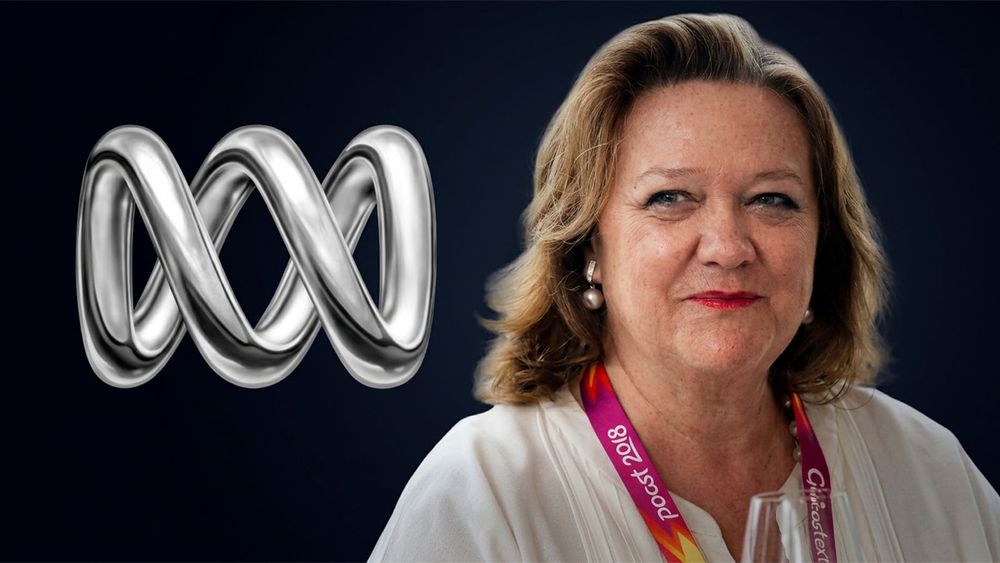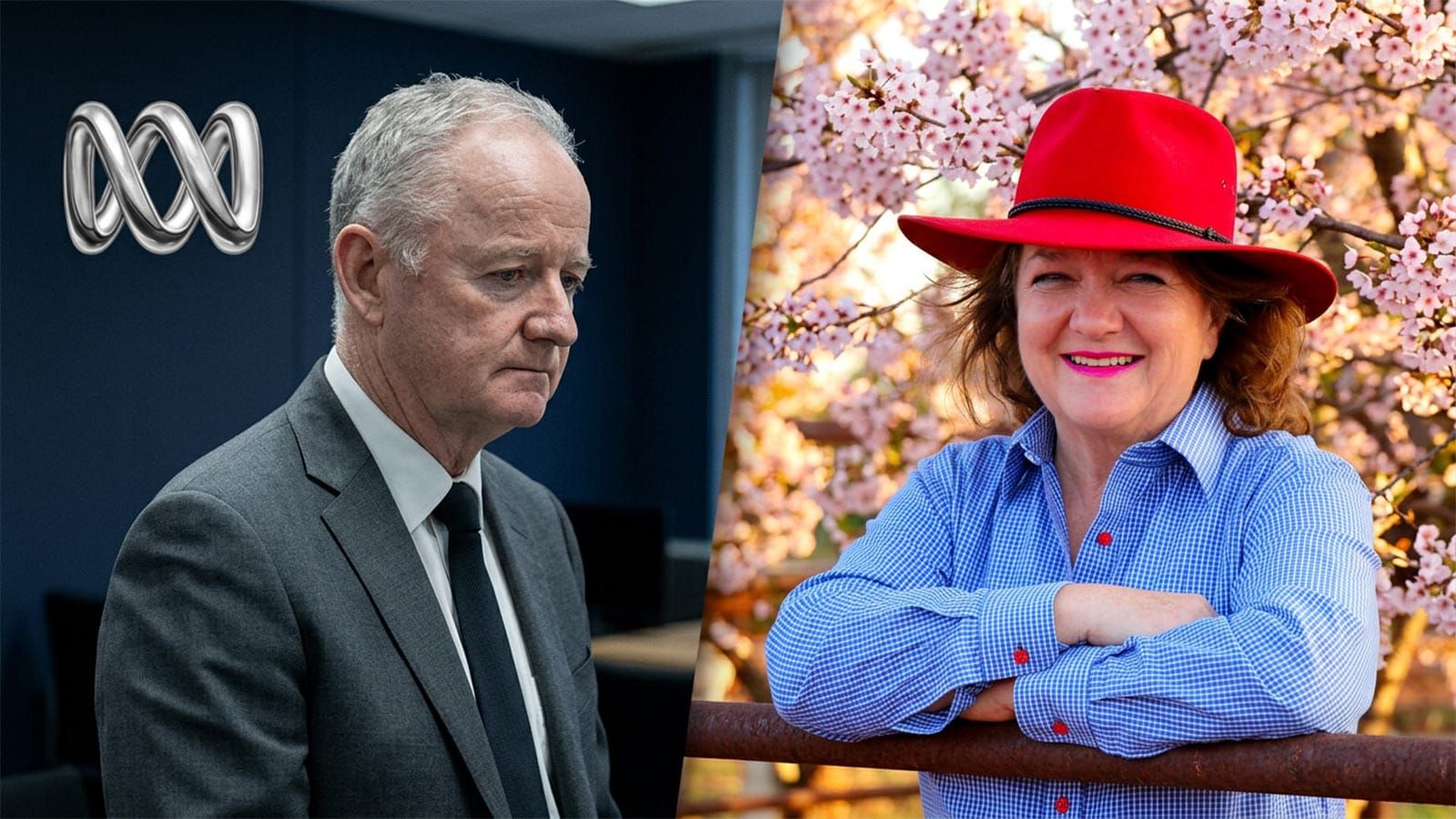
The ABC has apologised to Gina Rinehart and cut the film describing her being killed from its platforms, three weeks after defending it as "editorially justifiable" and refusing her requests to remove it. The backdown, announced by Managing Director Hugh Marks on Thursday, landed hours after News24 revealed an essay on the ABC's own website weighing whether the film was a joke about her weight.
"The ABC apologises to Mrs Rinehart and to anyone else affected or upset by the publication of the film," Marks said in a statement. "The film has been edited on the ABC's platforms to remove the relevant material."
The apology arrived with the legal letters Hancock Prospecting sent to Marks, Chair Kim Williams and Deputy Chair Lisa Caffery still on the table, and with ministers from both sides of politics lined up against the broadcaster. No regulator ordered any of it. As One News set out in our breakdown of every avenue, none of them could.
The ABC's umpire cleared the film, then management apologised anyway
The ABC Ombudsman, which reviewed the audience complaints, found the film did not breach the ABC's editorial policies but had fallen short of community expectations, News24 reported on Thursday.
Marks said the review had considered whether the ABC's guidance "adequately reflects current community expectations" and whether it "sufficiently distinguishes between news and non-news content". The result: "the ABC will amend its guidance as it applies to violence."
Under the broadcaster's own rules, nothing was broken, the rules are now being rewritten anyway, and the apology came from management rather than from any finding against the program.
The ABC published an essay asking whether her weight was the joke
While the complaints were under review, the ABC's website carried an analysis piece by RMIT senior lecturer Jay Daniel Thompson examining whether the film qualified as satire, News24 reported on Thursday.
The essay's conclusion was damning of the film. Thompson found it promoted "misogynist violence", labelled it "vicious", and wrote that airing it "does send the message to all women in public life, regardless of their politics, that this kind of rhetoric is acceptable and even funny."
So before Marks apologised, the ABC's own published analysis had already condemned the film its management spent three weeks defending.
The same essay is how the word "corpulence" ended up on a taxpayer funded news website. In extracts published by News24, Thompson wrote that the film's closing line "imagines Rinehart as junk food", adding: "Surely this is an indirect reference to Rinehart once being overweight. Her corpulence has elsewhere formed the basis of media caricatures", and pointing to internet memes depicting her as the Star Wars character Jabba the Hutt.
Thompson told News24 his piece criticised those memes rather than endorsed them. "My Op Ed does not compare Ms Rinehart to Jabba the Hutt. In fact, I criticise those memes that do make that comparison, on the basis that they are sexist," he said, adding that "satire should not involve violence or comments on somebody's physical appearance."
News24 put questions to Marks about the essay, including whether weight commentary about Rinehart belongs on a publicly funded news site. It reported he did not respond.
Three weeks from studio applause to sorry
The film aired on 12 July on Race Around the World, made by contestant Kate McGuinness, and drew applause from the studio panel, as set out in our original report. The ABC's first response to complaints was that the film was "intended to be satirical in tone" and "editorially justifiable".
Hancock Prospecting wrote to the ABC board on 23 July asking for removal, an apology and an investigation, and got no substantive response. A week later its lawyers put Williams, Caffery and Marks personally on notice of what the company calls serious breaches of civil and criminal law, allegations that remain untested, as covered in our legal action report.
The political pressure built daily. Minister for Women Katy Gallagher said it is "never appropriate to use threats of violence against women as entertainment". Richard Marles, acting Prime Minister at the time, said he was surprised the film was still up. Energy Minister Chris Bowen told News24 on Wednesday: "I would expect an apology."
Communications Minister Anika Wells, the minister responsible for the ABC, never asked for one. As late as Thursday, hours before the backdown, she told News24 her job was "first and foremost to respect the editorial independence of the ABC" and set out her test: "If the Ombudsman finds that, like in my view, it is unacceptable, it would be appropriate for the ABC to issue an apology."
The review cleared the film under the ABC's editorial policies, while finding it fell short of community expectations. The apology came later the same day.
An apology the law won't let Gina Rinehart use in court
Under section 20 of the uniform defamation law, an apology is not an admission of fault and cannot be used in civil proceedings as evidence of liability. Under section 38, the same apology counts in the ABC's favour, in mitigation of damages, if Rinehart sues.
What the apology doesn't undo is the three weeks the film spent on a national platform while the ABC defended it. That period remains open to Hancock's lawyers, and no proceedings have been filed yet. Whether the company presses on or banks the win is now its decision alone.
The film aired to studio applause on 12 July. The apology arrived on 6 August, after legal letters to three board members, ministers from both sides demanding action, and a review that found the ABC's own rules were never broken.