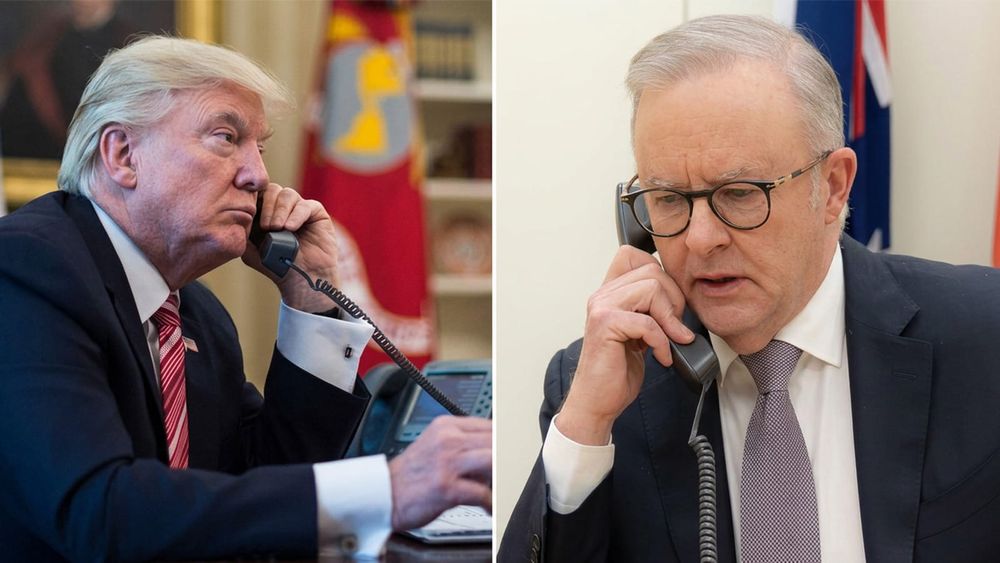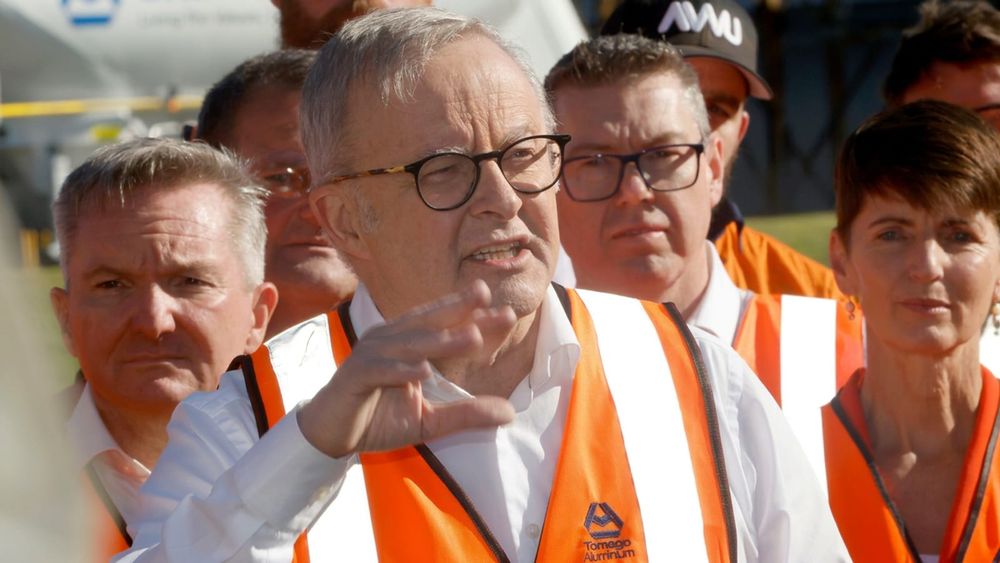
Gina Rinehart has made a formal complaint to the ABC after Victorian Socialists candidate Hera Sheppard told its South West Victoria listeners on Wednesday that Australia's richest woman is "pushing for Australian workers to work for $2 a day".
Rinehart has never said Australians should be paid $2 a day. The words Sheppard was reaching for are 14 years old, and they were about Africa.
The complaint came from Hancock Prospecting, the company Rinehart chairs. It went in on Wednesday, the same day as the broadcast. It says the claim is plainly false and asks the ABC to correct it on the programme. News24, which has seen the complaint, reported that presenter Jeremy Lee didn't challenge the claim or ask Sheppard to back it up. On that account the ABC still hadn't responded by Friday morning.
It arrives 8 days after the ABC apologised to Rinehart over the Race Around the World film describing her being killed, which the broadcaster defended and left on its platforms for 25 days. That makes two Rinehart complaints handed to the ABC in 3 weeks, and Hancock's lawyers already have its three most senior figures on notice.
Hera Sheppard blamed Gina Rinehart for One Nation's rise
Sheppard is 18 and still at school, in year 11 at Warrnambool College. She's lived in public housing in Warrnambool her whole life, and the Victorian Socialists say she's one of the youngest candidates the party has ever endorsed. She belongs to the Retail and Fast Food Workers Union and says she helped organise her workplace for the first time in its history. She also led a local student campaign backing the teachers during their strikes this year.
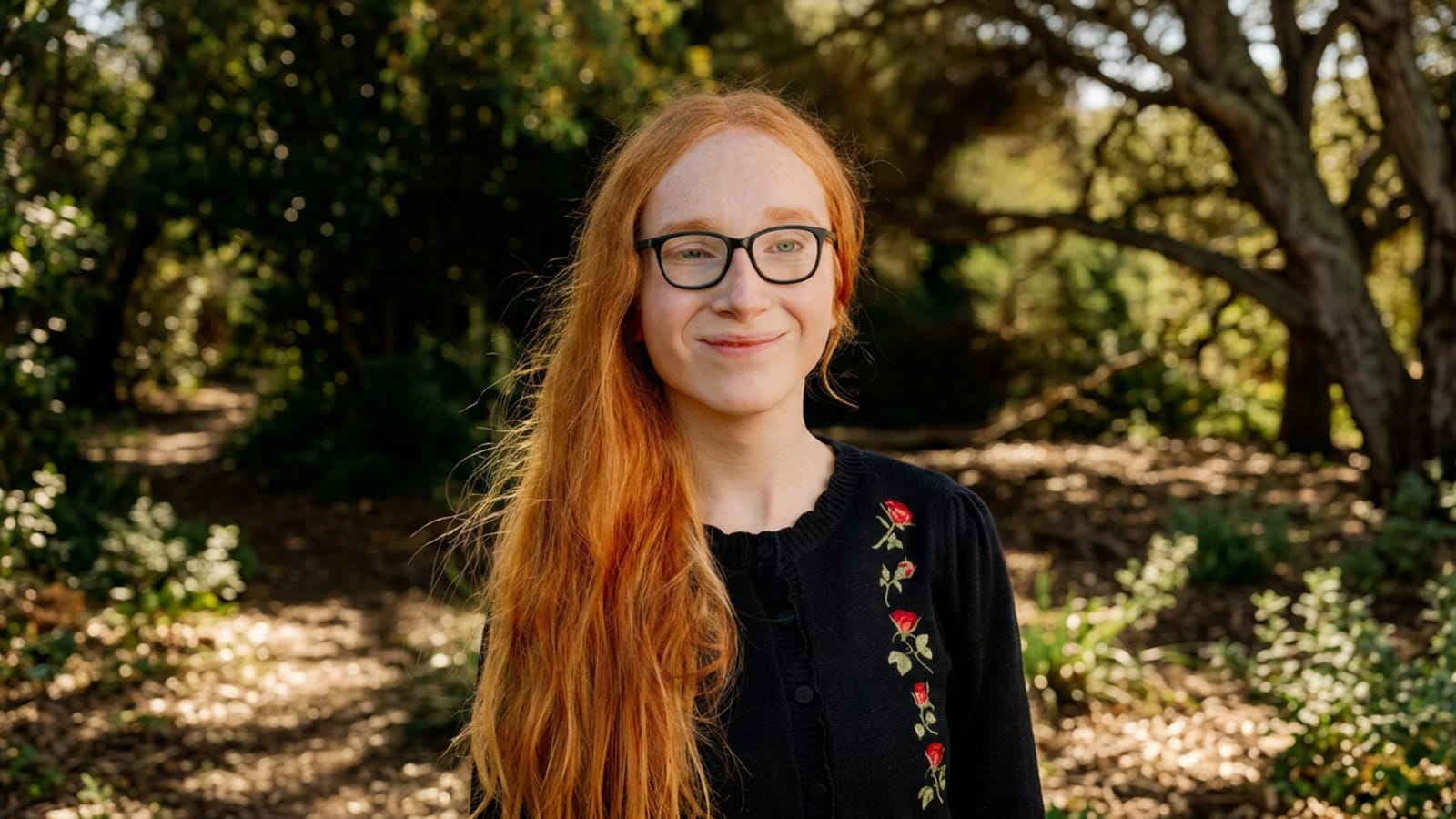
She's standing in South West Coast at the Victorian election on 28 November. It's been a Liberal seat since it was created in 2002, Roma Britnell has held it since 2015, and Sheppard calls it "an incredibly safe Liberal seat" herself. Victorian Socialists was set up in 2018 by two far left groups, Socialist Alternative and the Socialist Alliance, and the Alliance left in 2020.
The question she was asked on Wednesday was about One Nation. She was asked why the party is climbing in the polls, and this is what she said:
"That is, in my opinion, as a result of the massive amounts of funding from billionaires like Gina Rinehart who are pushing for Australian workers to work for $2 a day."
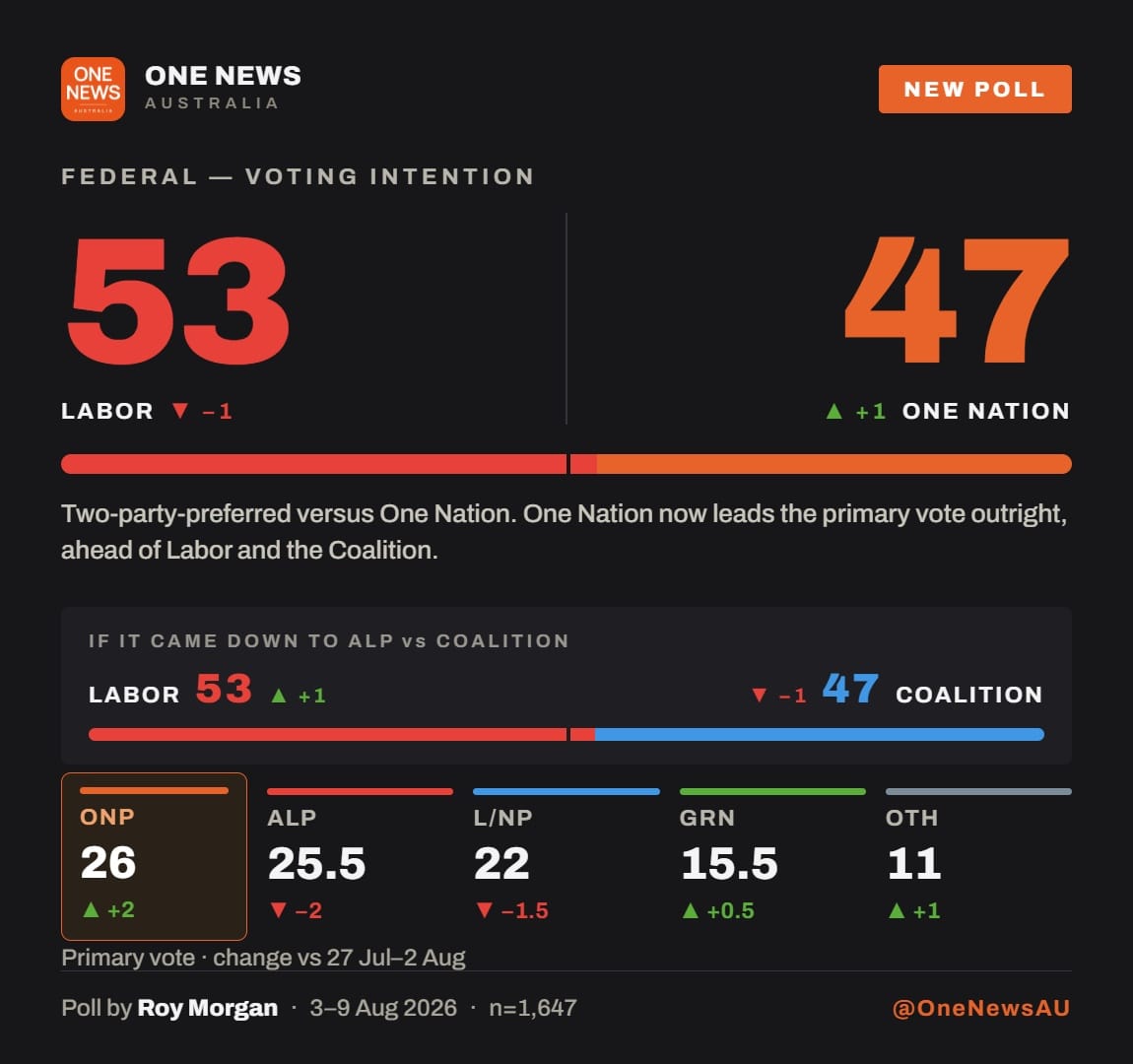
Roy Morgan's federal poll, taken from 3 to 9 August, had One Nation first on 26% of the primary vote, ahead of Labor on 25.5 and the Coalition on 22. Its Victorian poll the same week put One Nation on 23.5 in Sheppard's own state, with Labor and the Coalition level on 26. Our poll tracker has the full run.
The segment went out on Breakfast, which Jeremy Lee presents from 6:35am. The station covers Warrnambool, Portland, Hamilton and the districts north of them, which takes in Sheppard's own electorate. Neither Sheppard nor the Victorian Socialists has said anything publicly about the complaint.
Gina Rinehart's 2012 remarks were about Africa
The remarks Hancock says were twisted came in a 10 minute video address Rinehart recorded for the Sydney Mining Club, which went online in early September 2012. She argued that Australia had become too expensive a place to mine iron ore, and she used West Africa to show it.
"Business as usual will not do, not when West African competitors can offer our biggest customers an average capital cost for a tonne of iron ore that's $100 under the price offered by an emerging producer in the Pilbara," she said in the address, reported at the time by The West Australian.
She was saying it cost about $100 more a tonne to bring new iron ore out of the Pilbara than out of West Africa. The next line is the one everybody remembers.
"Furthermore, Africans want to work, and its workers are willing to work for less than $2 per day. Such statistics make me worry for this country's future."
She was describing what African miners were being paid, and she said those figures made her worry about Australia's future. The rest of the address went after the carbon tax and what she called red tape, and what she asked for was lower costs in Australia. There's nothing in it asking for Australians to be paid $2 a day.
The speech drew heavy criticism at the time and Julia Gillard, who was prime minister, hit back within a day. Sheppard was 4 or 5 years old when it went online. Hancock's complaint says she misrepresented it deliberately.
The ABC's own rules tell presenters to question claims like this
The ABC publishes its editorial policies on its own website, and section 2 covers accuracy. It opens with the duty written into the ABC Act, that news and information must be accurate according to the recognised standards of objective journalism. Then it sets out what that means for a presenter sitting opposite somebody making a claim.
"The ABC should make reasonable efforts, appropriate in the context, to signal to audiences gradations in accuracy, for example by querying interviewees, qualifying bald assertions, supplementing the partly right and correcting the plainly wrong."
Two enforceable standards sit under that principle. Standard 2.1 tells the ABC to "make reasonable efforts to ensure that material facts are accurate and presented in context", and standard 2.2 tells it "do not present factual content in a way that will materially mislead the audience".

A third rule applies here because the claim was about a named person. Standard 5.3 says that where allegations are made about a person or an organisation, the ABC must "make reasonable efforts in the circumstances to provide a fair opportunity to respond". The broadcaster has published a guidance note telling its staff how to handle that when the allegation is made live on air.
"Where allegations are made unexpectedly during the course of a live broadcast, reasonable efforts should be made to treat fairly the person who is the subject of the allegation, recognising the context is a live broadcast. For example, a presenter may remind the audience that what has been said is simply an allegation. A presenter may challenge the maker of the allegation for evidence."
The same note tells staff to plan for it where they can see an allegation coming, and to consider telling listeners that the person will get a chance to reply later, on air or online. Hancock Prospecting first wrote to the ABC board about Rinehart on 23 July, so her name had been sitting in the broadcaster's complaints correspondence for 3 weeks before Wednesday. On that account, none of those steps were taken during the segment.
The complaint goes to the office that cleared the Rinehart film
Complaints about ABC content go to the ABC Ombudsman, Fiona Cameron. Her office decides on them without input from ABC programme makers or management, and it reports to the ABC board. It's the same office that examined the Race Around the World film and found the ABC hadn't broken any of its rules. Hancock Prospecting said that finding fails all Australian women and the millions of taxpayers who fund the broadcaster.
The ABC's own figures show how often a complaint gets up. In the year to June 2025 it investigated 2,919 complaints and upheld 56 of them, which is 2%.
Managing Director Hugh Marks apologised to Rinehart on 6 August, took the film down 25 days after it aired, and said the ABC would rewrite its guidance on violence. A week before that, Hancock's lawyers wrote to Marks, Chair Kim Williams and Deputy Chair Lisa Caffery, putting all three on notice over what the company calls serious breaches of criminal and civil law. No court proceedings have been filed and none of those allegations has been tested.
Hancock has asked for one thing this time, a correction on the programme. Standard 3.1 tells the ABC to admit and fix significant errors "as soon as reasonably practicable" and it's had the complaint since Wednesday.