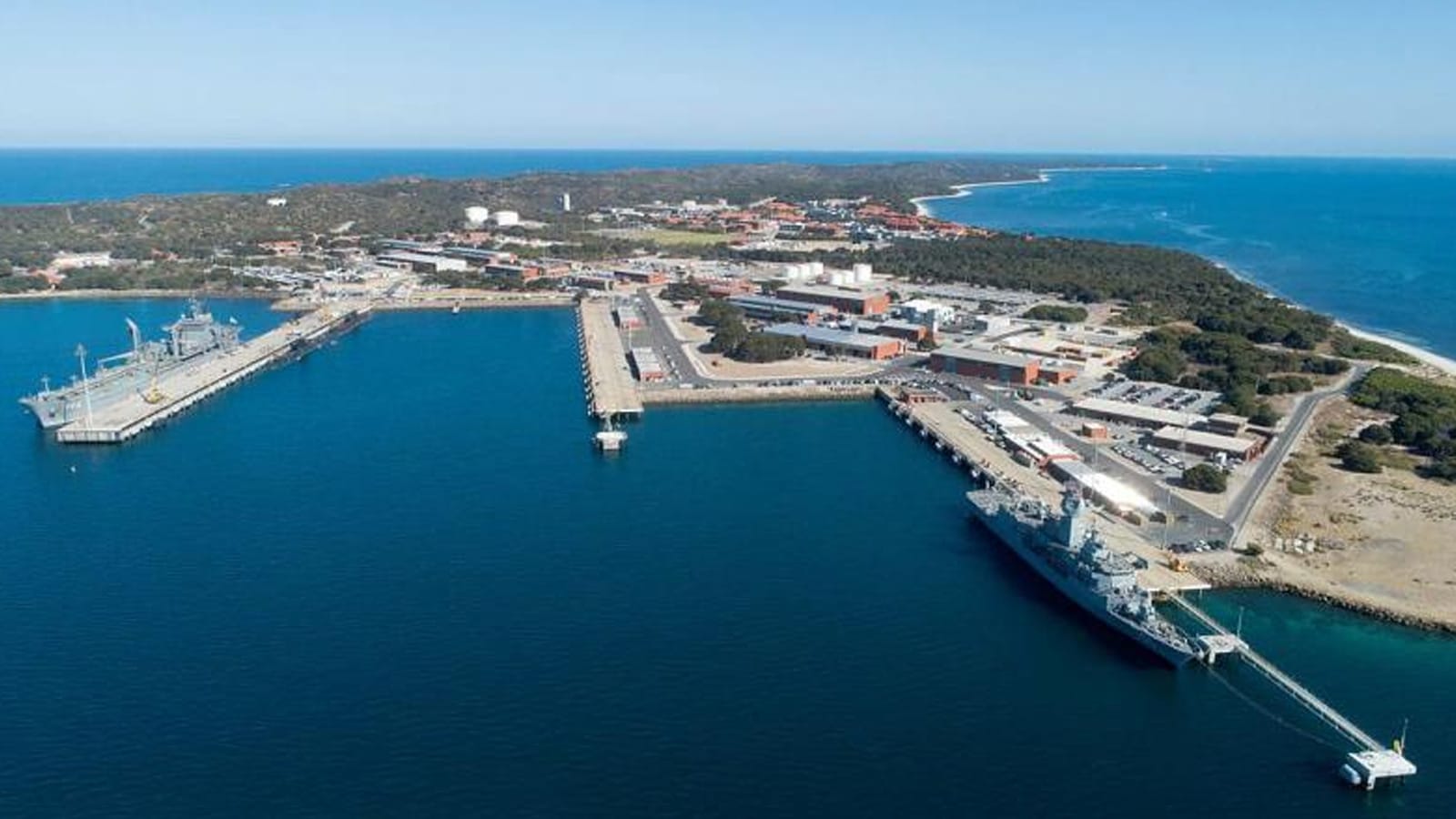
The US Navy has quietly stood up a new command at HMAS Stirling south of Perth, and by 2030 it expects 2,300 Americans, sailors, civilian employees, contractors and their families, to be living in Western Australia to support it. Although, the Albanese government still won't use the word ''base.'' Washington already runs the place under the same label it gives some of its most important bases on earth, and Australians should be proud about what's coming.
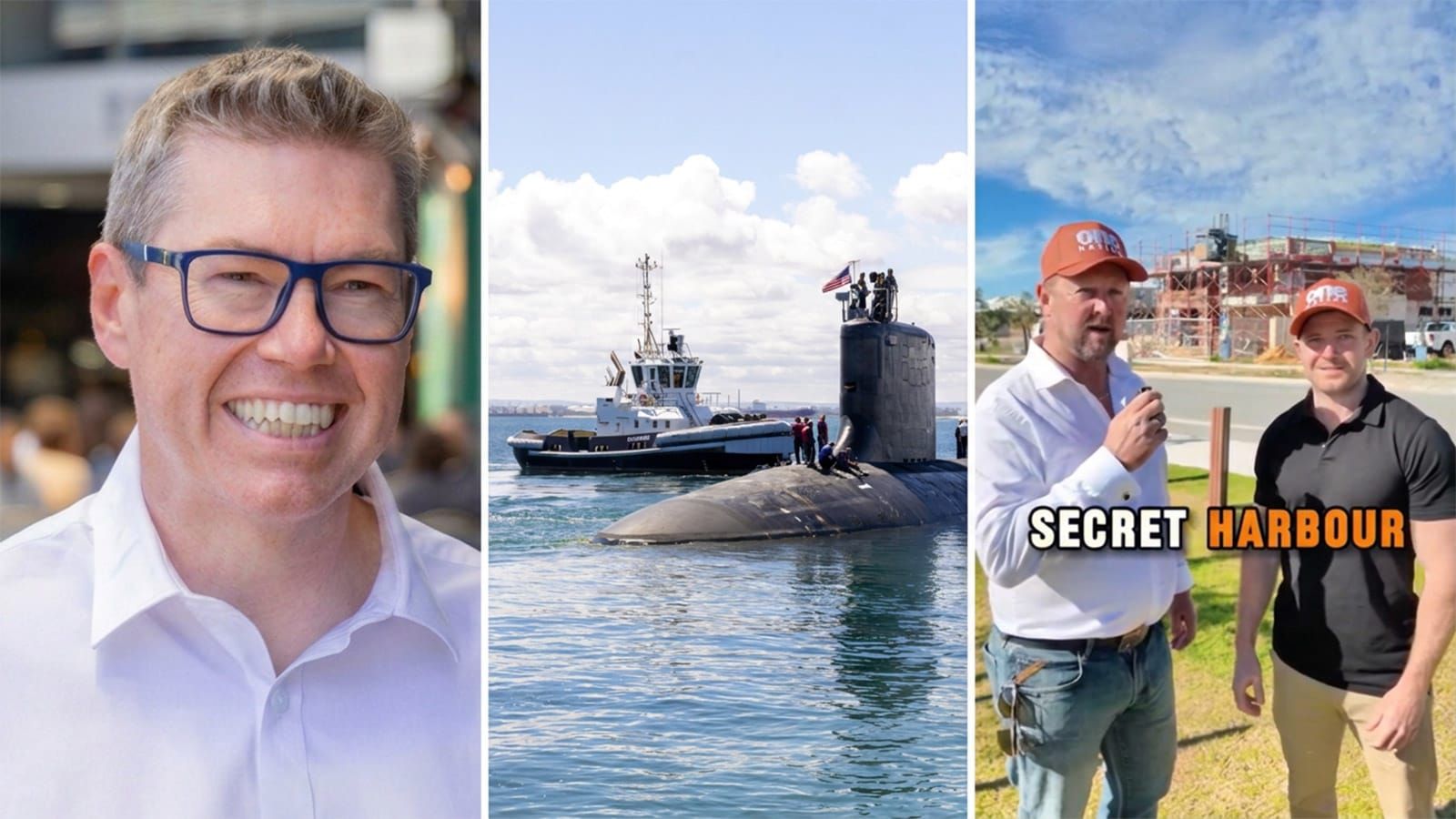
Naval Support Activity Stirling was stood up by the US Navy on 30 May after a two year planning process, with the approval and at the invitation of the Australian government. Six days later the US Navy re established Submarine Squadron 3, a formation that fought the Pacific war and last operated out of Pearl Harbor, and gave it a new home at the WA base. From next year, up to four American and one British nuclear powered submarine will rotate through Stirling under Submarine Rotational Force West, the first stage of the $368bn AUKUS plan.
And the American presence will be far bigger than Canberra let on. The Australian Submarine Agency's Jonathan Mead had put the figure at 1,200 American and British personnel. US Navy spokesman Commander Joseph Keiley told The Australian the real number is nearly double that.
"By 2030, we expect 2,300 Americans, to include sailors, civilian employees, contractors and their family members, to be in Western Australia supporting the mission," Commander Keiley said.
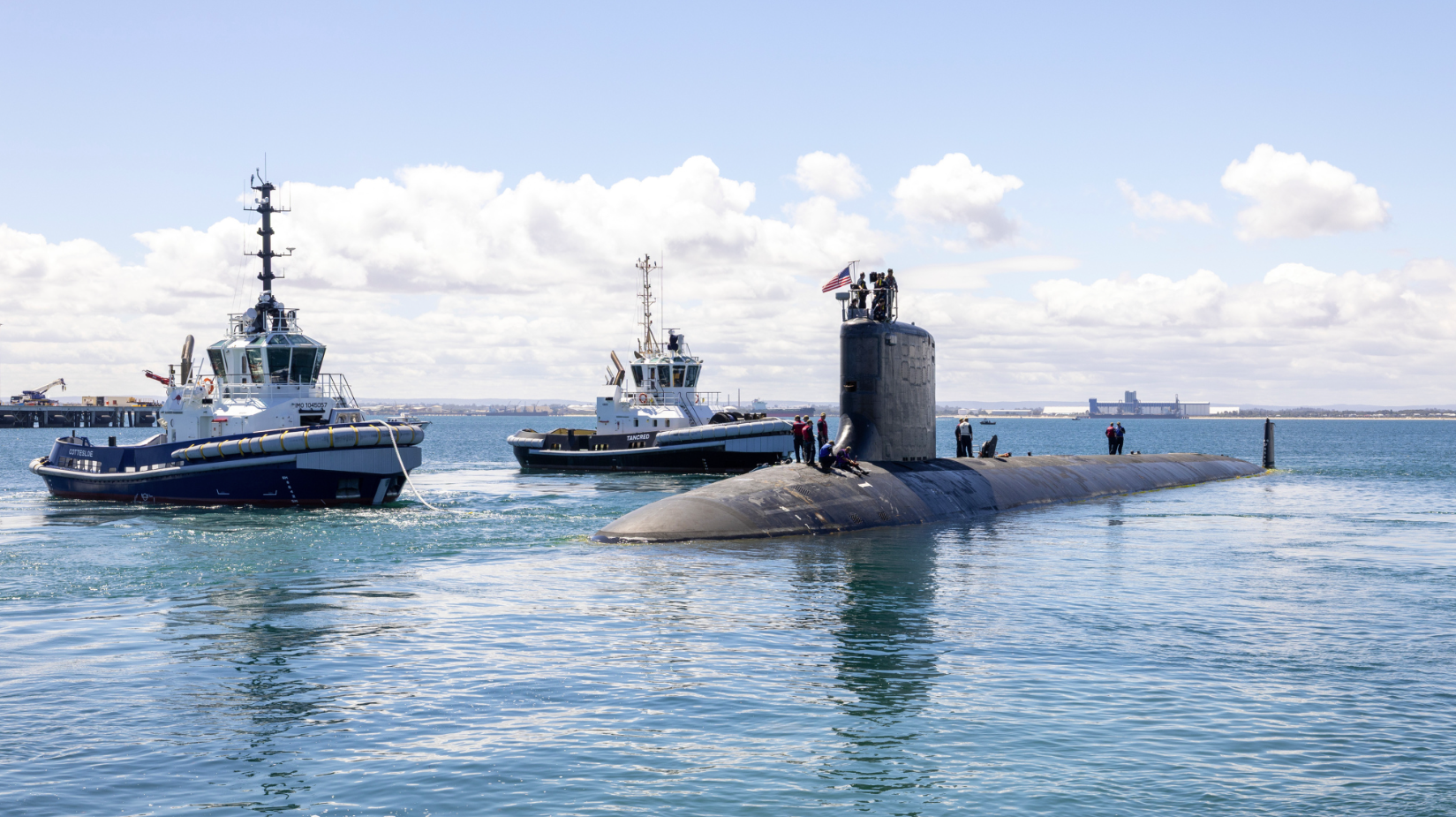
The US Navy files Stirling alongside Bahrain and Naples. That's a compliment
Naval support activity is not a throwaway label. It's the term the US Navy reserves for the shore installations that anchor its global operations: NSA Bahrain, home of the US Fifth Fleet and 9,000 personnel, NSA Naples, headquarters of the Sixth Fleet with 8,500, and NSA Souda Bay in Crete, its main logistics hub for the eastern Mediterranean. Stirling now carries the same designation.
Elizabeth Buchanan, senior fellow for the US Australia Alliance at the Centre for the National Interest in Washington DC, says a naval support activity is "a shore facility with the full characteristics of a military base".
"While the Australian government of the day might not term NSA Stirling a base, the operator, Washington, certainly does," Dr Buchanan said.
Vice Admiral Scott Gray of Navy Installations Command was plainer still about what the command exists to do: provide administrative, health, housing and family services for deployed US personnel. "By providing essential services to US personnel and their families, NSA Stirling will enhance rotational submarine force readiness," Admiral Gray said.
Families, housing, healthcare, a squadron headquarters. Navies don't build that for a visit.
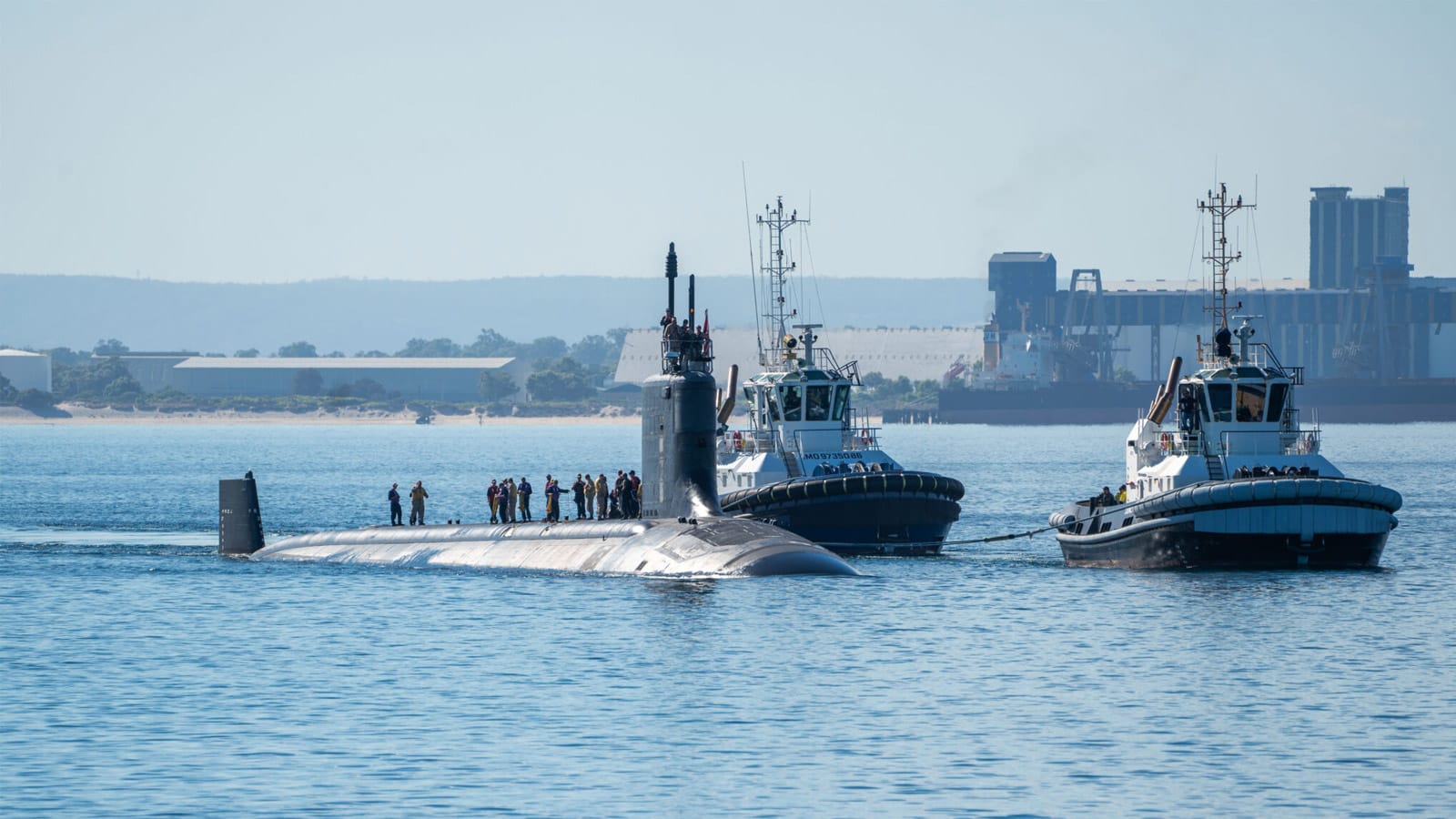
Pat Conroy said it ends in 2032. Within days everyone was saying enduring
The government's problem isn't the arrangement. It's the wriggling. Defence Industry Minister Pat Conroy called SRF West a "five year commitment" that would "come to an end" in 2032, then spent the following days walking it back as he, Defence Minister Richard Marles and the Pentagon all settled on the word "enduring".
The date wasn't plucked from the air. The US plans to arm its Virginia class boats with nuclear tipped Tomahawk missiles from 2032, The Australian reports, and Labor's platform prohibits stationing nuclear weapons here "in times of peace". Conroy's slip was an attempt to fence that debate off, and it lasted less than a week.
Defence's top brass have leaned on semantics too. Asked at Senate estimates whether the US had effectively renamed the facility, then defence chief Admiral David Johnston called NSA Stirling "an organisational construct" and said critics were "conflating a group or an organisation with the naming and location of a base".
Former Home Affairs boss Mike Pezzullo, who helped write the 2009 defence white paper, isn't buying it. "Once families are involved, one cannot argue that the ships or submarines are 'visiting'," he said, calling the arrangement "a US operating base within the RAN fleet base" and the home porting argument "an optical illusion".
Even Greens senator David Shoebridge, no friend of the pact, concedes the substance while fighting the conclusion: "The US does not make these commitments lightly; they are doing it because they plan to stay here permanently."
He's right. They do. That's the good news.
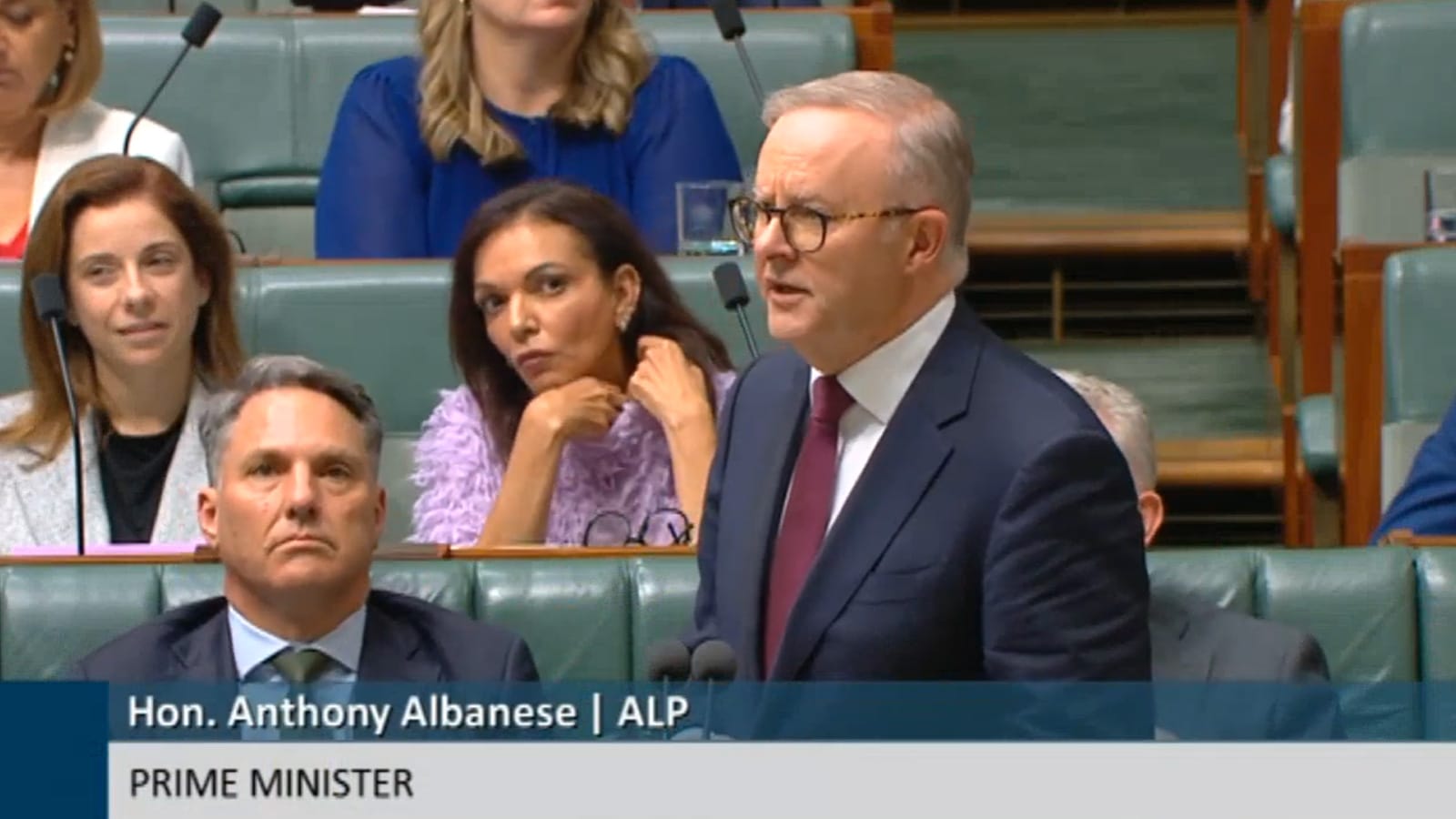
Albanese won't say base because his left flank and the Greens won't wear it
So why the word games? Because Anthony Albanese is managing his own party, not the alliance. Last month's ALP national conference saw the Prime Minister and his factional lieutenants quash an anti AUKUS revolt from the party's left, which failed to slam the door on US nuclear weapons ever being stored here in wartime.
Outside the tent, former Midnight Oil frontman and Labor minister Peter Garrett is running a crowdfunded public inquiry into AUKUS, backed by peace groups and a string of unions, which rolls into Sydney, Newcastle and Wollongong next week. Mr Garrett warns that hosting submarines will make those cities "future military targets".
That argument has it exactly backwards. Cities aren't targeted because allied submarines are nearby. They're safe because an adversary has to think twice, and nothing makes Beijing think twice like not knowing where a Virginia class boat is. The deterrent is the point.
Will the Virginia boats arrive on time? Here's the honest answer
The fair question inside the AUKUS debate is whether Australia's own submarines will turn up. The US has been building Virginia class boats at about 1.2 a year since 2022, well short of the 2.33 the US Navy says it needs before it can hand any to Australia from 2032. US Navy chief Admiral Daryl Caudle says the yards will reach two a year in the early 2030s, and Australian money is already flowing into American shipyards to speed that up.
There's new pressure on the same industrial base, too. The US Navy has confirmed its planned Trump class battleships will be nuclear powered, using the same reactor as its Ford class carriers, a decision defence analysts say raises questions for the reactor supply chain that also feeds the submarines Australia is counting on.
So the timeline could slip. Here's what the critics miss: even in the slowest scenario, Australia has already banked the most valuable part of the deal. Dr Buchanan argues the US "has already secured what it needed from Australia", a trusted naval foothold on the Indian Ocean, whatever happens with the handover. She means it as a warning. Read it the other way. A superpower has just anchored its most lethal military asset, with families, houses and a squadron command, to the defence of Western Australia. From next year, not 2032.
The geography works for us as much as for them. At Stirling, Squadron 3 sits far safer from Chinese missiles than it would at Hawaii or Guam, and Australia gets years of hands on experience operating and maintaining nuclear submarines before our own arrive, with the most capable undersea fleet on earth working from our coast in the meantime.
While Canberra argues about a word, WA gets jobs, houses and missiles
The dividends are already landing. Around 500 houses are being lined up for the incoming Americans, and who builds them is now a live question: One Nation's Luke Herdegen and Tyron Whitten have put housing at the centre of this month's Secret Harbour by election next door, with Mr Whitten arguing "WA needs more homes built by Australian workers". There's no better place to start than these.
Video: One Nation WA via Facebook. Authorised by R Caddies. Tyron Whitten says WA needs more homes built by Australian workers, and mass immigration cut because almost none of the intake can build them.
Australian tradies will also form part of the local workforce maintaining and sustaining US boats at Stirling, and that nuclear submarine know how is exactly what Australia will need when it comes time to build our own boats at Osborne in Adelaide. And the spending is spreading beyond the west: Mr Marles this week announced a $736m purchase of up to 450 of Lockheed Martin's newest air to air missiles for the RAAF, and a parliamentary inquiry into the nation's preparedness for war, something he says hasn't been done "probably since the Second World War".
The timing should focus minds. Barely a month has passed since China fired a nuclear capable missile across the Pacific from a submarine, with Australia given only hours of notice, while the Pentagon tracks Beijing towards 1,000 warheads by 2030. One of those developments is a threat to this country. The other one, 2,300 Americans and their submarines moving into Rockingham, is the answer to it.
The government should stop apologising for the alliance and start explaining why Australia is lucky to host it. The alternative to American submarines at HMAS Stirling was never independence. It was facing the biggest military buildup in our region since 1945 alone.