Donald Trump has committed US$400 million, about $566 million, to build a scandium mine at Fifield in central west New South Wales. The money came from Washington rather than Canberra because Trump built the customer first.
In February he launched a US$12 billion strategic stockpile for critical minerals, seeded with US$10 billion from the US Export-Import Bank and another US$2 billion in private capital. Robert Friedland, one of Sunrise Energy Metals' two chairmen at the time, was in the Oval Office when it was announced, there for the producers alongside General Motors chief executive Mary Barra for the users.
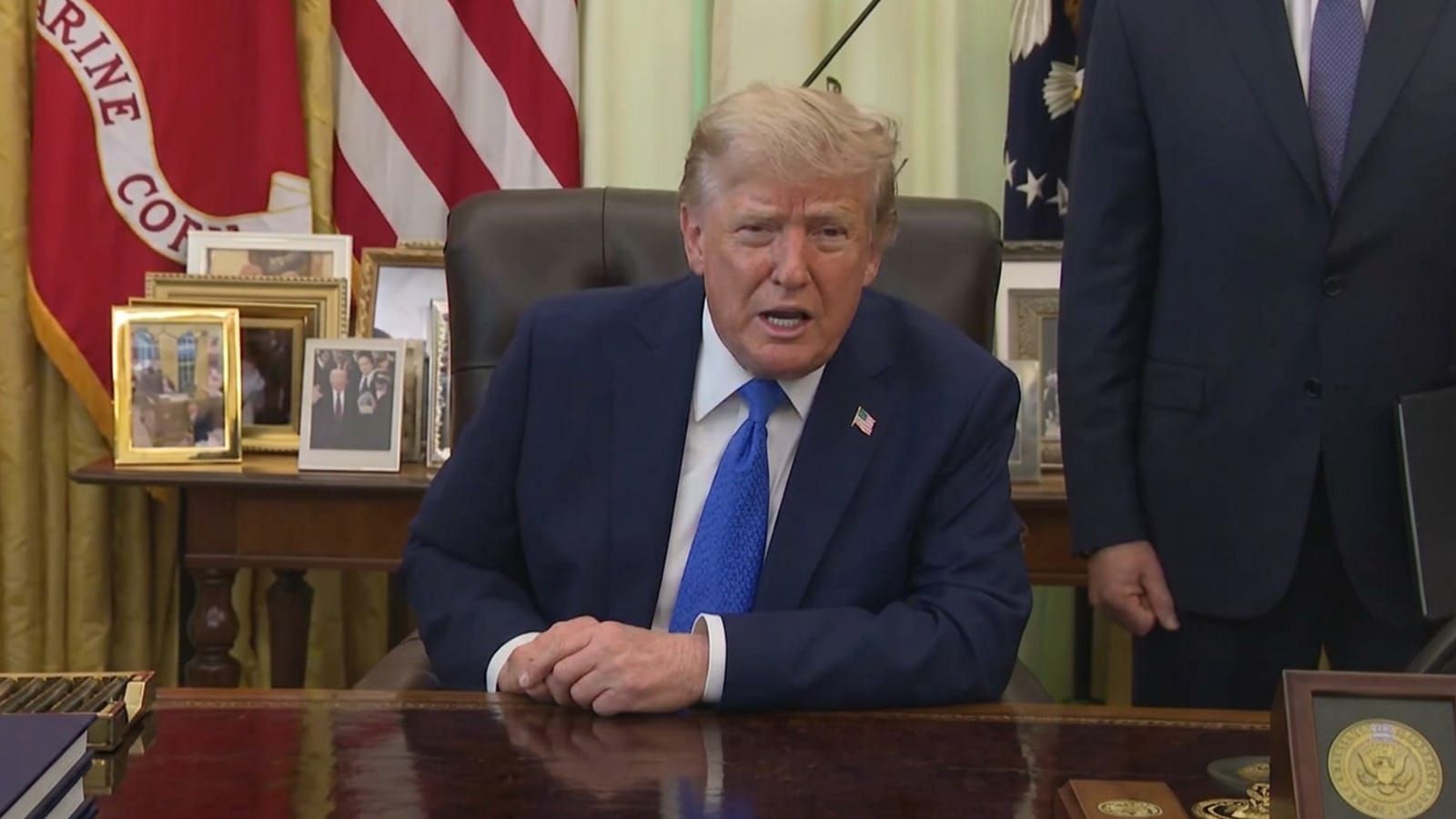
Days later Sunrise chief executive Sam Riggall told Reuters, "We would expect to be part of that stockpile." On Saturday morning our time, at a mining roundtable at the State Department, Trump announced the money that gets them there.
It's a loan, not a sale, and Sunrise remains an Australian company
The US$400 million is a conditional loan commitment from the US Department of War's Office of Strategic Capital, its lending arm. Washington isn't buying the mine. The company keeps it, stays listed on the ASX, and the loan sits inside a package worth close to US$1 billion once private capital is counted.
It funds more than the pit. Sunrise will build metallisation and additive manufacturing capacity as well, so the chain runs from the ore body to the finished part without touching China. In return the Department takes a right of first offer on Sunrise's output, which is what happens when one government puts up money and the others put up paperwork.
Sunrise hasn't reached financial close. The commitment sets out what the company still has to satisfy on financial, legal and technical grounds before the money moves.
Washington is lending more than three times what the mine costs to build
The feasibility study prepared by GR Engineering puts development capital for Syerston at about US$120 million, producing 60 tonnes a year of 99.9% scandium oxide across a 32 year mine life. The American commitment is more than three times that, because it's buying a processing and manufacturing chain rather than a hole in the ground.
The US Export-Import Bank got there first, with a letter of interest in September 2025 for up to US$67 million, around half the development capital. Riggall said that signal gave equity market investors confidence in the project. American government money is what brought the private money in.
Sunrise was the second biggest award in the package and the only foreign mine of any size
The White House fact sheet lists Sila Nanotechnologies at US$1.4 billion, Sunrise at US$400 million, Niron Magnetics at US$150 million and Standard Bauxite at US$85 million. The Export-Import Bank items were smaller again, and the only other overseas recipient was a rare earths mine in Madagascar at US$4.8 million.
Australia took close to a fifth of the money. The fact sheet calls Syerston "the world's first primary scandium mine, to help secure the supply chain of high-heat aluminum alloys which are used in fighter jets and spacecraft".
China put scandium under export licence 16 months ago and never lifted it
Beijing added scandium to its export licensing regime in April 2025, one of seven elements caught in that first round. The wider controls announced in October 2025 are suspended until 10 November 2026. The April rules never were, and they still apply.
Research by the Center for Strategic and International Studies found American imports of yttrium, another element caught in the same round, fell from more than 333 tonnes to 17 tonnes across comparable eight month windows. China accounts for about 80% of scandium mining and close to all of the world's processing capacity, which is the gap Fifield is being built to fill.
Canberra offered indicative support and Courtney Houssos offered a payment plan
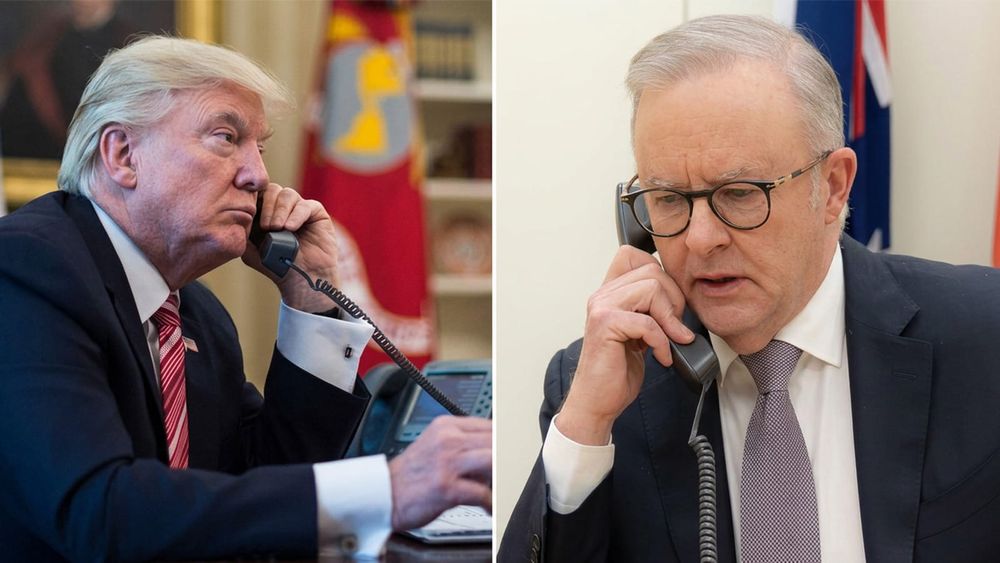
Scandium sits on Australia's critical minerals list, and Resources Minister Madeleine King has confirmed scandium projects hold indicative support under the framework Anthony Albanese signed with Trump in Washington last October. The release didn't attach a dollar figure to it.
The New South Wales contribution is a five year royalty deferral. Sunrise and Iluka's Balranald project were the first two accepted into the scheme, and Riggall said he was delighted with it. A deferral isn't a grant. Sunrise still pays every dollar of royalties, just five years later.
Natural Resources Minister Courtney Houssos said approving the two projects was "an important next step in delivering local jobs". Between them they account for $776 million in capital investment, and Syerston's share of the work is 59 ongoing positions. We've covered the US war stockpile going into Victoria before.
Pengxin's stake has fallen from 16.2% and Jiang Zhaobai left the board in May
There's a Chinese chapter to this project. In 2017, Pengxin International Mining put A$81 million into Clean TeQ, the company that became Sunrise, taking about 16.2% and sitting level with Friedland's 16.5%. State backed Easpring Beijing held an offtake over about 20% of the old nickel and cobalt output, and Metallurgical Corporation of China had a construction agreement that Clean TeQ later terminated.
Those arrangements attached to a battery materials project that was never built. Pengxin's holding now stands at 10,451,888 shares, about 6.2% of the 169.44 million on issue. Jiang Zhaobai, who shared the chair with Friedland, retired from the board effective 6 May 2026. The company described it as a retirement and there's no suggestion it related to the American funding.
Robert Friedland starts building at Fifield this year
Sunrise is chaired by Friedland, the Chicago born financier whose Ivanhoe Mines found the Oyu Tolgoi copper and gold deposits in Mongolia now majority owned by Rio Tinto. The stock has climbed about 1211% in a year to a market value near $2.7 billion, on a project where construction is yet to start.
Site works are due to begin in the second half of this year, with the first scandium oxide in 2028. The stockpile Trump announced in February will be waiting for it.