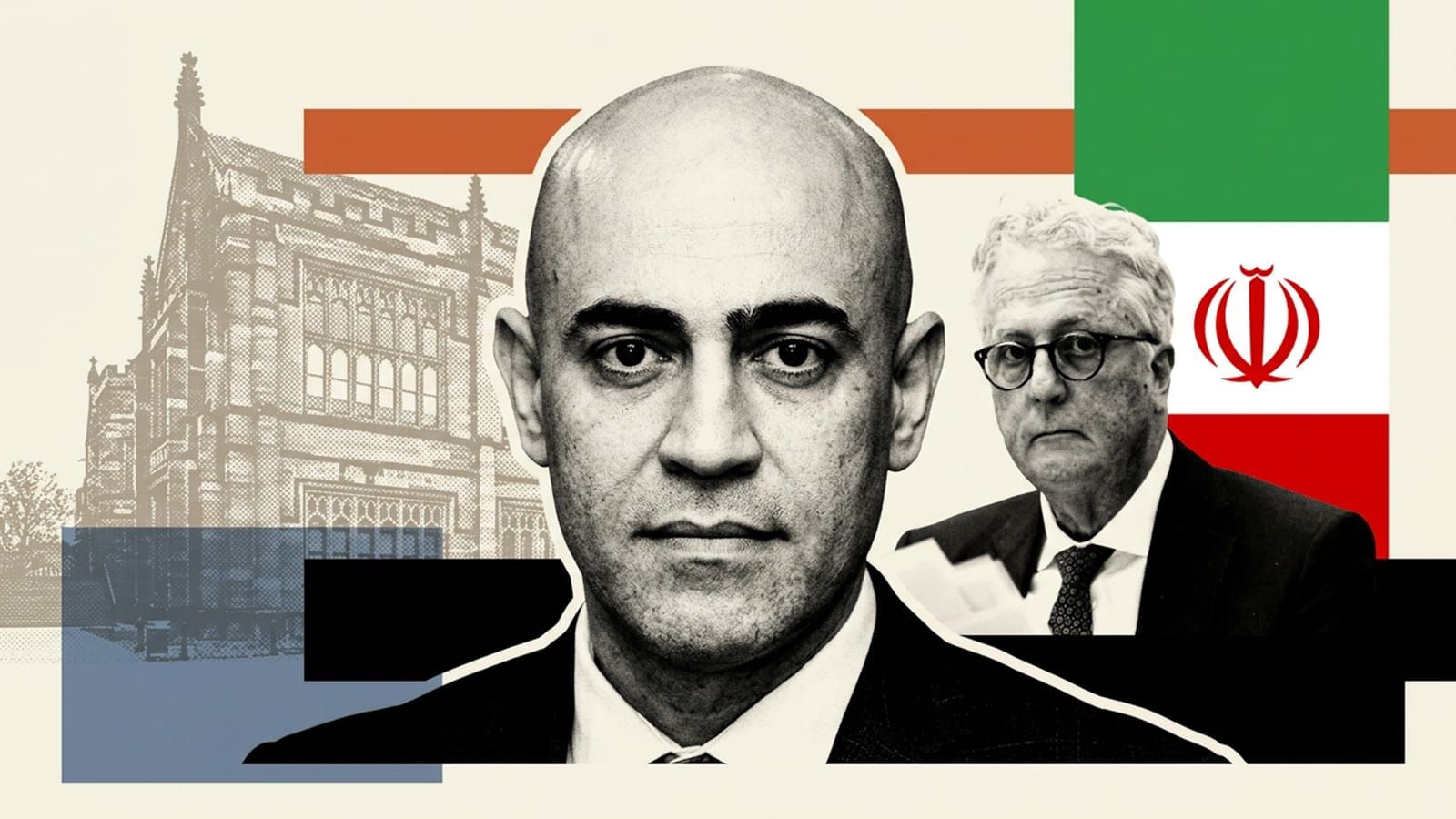
The University of Sydney let one of its professors fly to Iran last year, and it now says that should never have been approved. Australians have been told not to travel to Iran since 2020.
Sydney's own annual report sorts staff trips into seven types. Iran turns up under one of them, and that one is university business. No trip to Iran is recorded as a conference, as research, or as leave of any kind.
One News first reported on 12 August that Sydney had let an unnamed staff member fly to Iran. That academic is Professor Behnam (Ben) Fahimnia, the university's chair of supply chain management, and he says he did no work there. Asked by The Australian whether he had visited a university or met any academics while in Iran, he gave a one word answer.
"Zero," Fahimnia said.
Sydney's annual report called the Iran travel university business
Every year the university has to publish where its staff flew and why. The 2025 report lists seven reasons for travel, and each one comes with the countries staff went to.
Iran sits under the heading the university calls "University-related administrative or strategic engagements", which is its wording for work trips that aren't research. It's missing from the conference list, from the research list, from fieldwork, from approved study leave, and from the catch all list at the end. Turkey, where Fahimnia says he was heading, is on the conference list.
The report counts trips rather than naming the people who took them, so it doesn't say this was his. What it does say is that across the whole of 2025, Sydney logged no travel to Iran as a conference, as research, or as leave.
Ben Fahimnia says he was visiting his parents
Fahimnia told The Australian he stopped in Iran to stay with his parents on the way to a conference in Turkey, and that the university approved the travel before he went.
"There has been absolutely no work-related matters in Tehran at all," he said. "It was only staying with my family. I can't cut ties with my own family."
He said nobody was expecting a war when he booked, and that the attacks started the day after he arrived. Sydney has since confirmed it worked with authorities to get him out of the country safely.
He has also written research papers with academics based in Iran, and those papers are public. A 2025 article on resilient supply chains lists him alongside researchers at the University of Tehran and the Iran University of Science and Technology. He told The Australian he didn't know them and that they were former students who had moved away. Sydney told the same paper it has no record of students by those names. There's no suggestion the research was illegal or had any military use, and no suggestion Fahimnia has breached any sanction or any law.
Sydney has told three different stories in three months
In May the university said the trip included meetings at an Iranian university for non research purposes. By June, after the Education Department wrote to vice chancellor Mark Scott, it said the travel covered a conference in Turkey and a period of annual leave.
Now it says something else again, that it doesn't allow work travel to countries under a Do Not Travel warning at all, and that an oversight in its own system let the booking through. It says it has tightened its controls since, and that on 13 August it announced an independent external review, covering the purpose and outcome of the trip as well as the approvals process behind it.
Penny Wong blocked two Sydney deals, and has now killed ANU's Chinese college
The Foreign Minister can stop an Australian university signing a deal with a foreign one. Analysis by One News of the public register found only two such decisions recorded since the scheme began. Both were against the University of Sydney, issued on the same day in April over data sharing deals with institutions in Russia and Belarus.
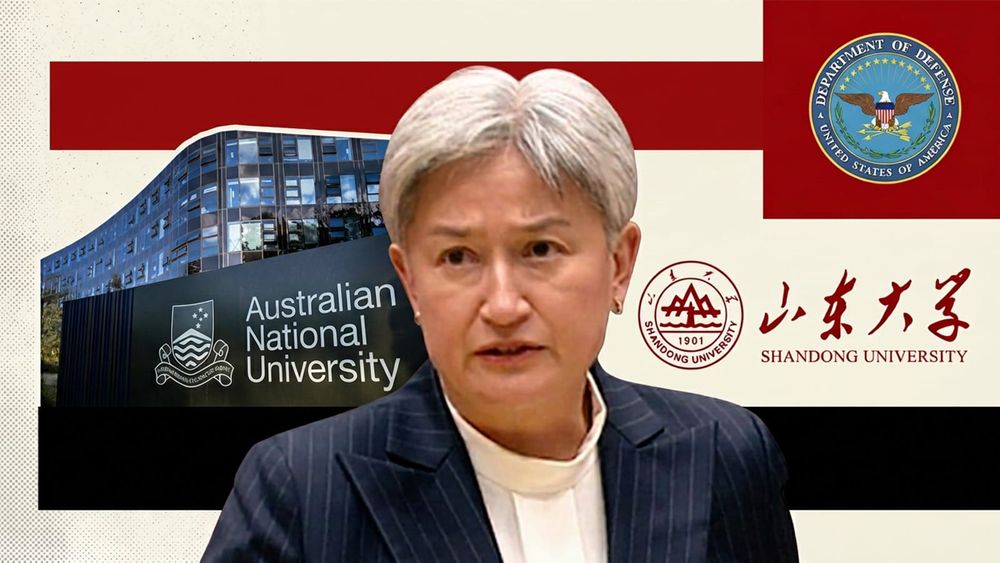
She has since gone further at another university. On 10 August she terminated the Australian National University's joint science college with Shandong University in China, a decision the register also records as invalid and unenforceable, giving ANU until January 2027 to wind the operation up. The Pentagon had added Shandong to its blacklist of institutions two weeks earlier.
Sydney is also one of the universities named over drone research written with scientists at Iran's Sharif University of Technology, which the European Union has sanctioned over its links to Iranian military programs. That work is separate, and Fahimnia is not among the researchers named over it.
The bill now before parliament would let Wong veto university deals on national interest grounds. It would also let ASIO advise her about a university in secret, without telling that university and with no right of appeal.
Taxpayers gave Sydney $874 million last year
Sydney took $874.3 million in federal government grants in 2025, plus another $316.2 million in HELP payments the government makes on students' behalf. It finished the year $194.1 million ahead, on total income of $3.9 billion, and spent $22.8 million sending staff overseas.
Money from the Australian Research Council, the body that funded earlier university work with Iran, rose 21.8% in a single year to $65.4 million. The university's biggest earner is foreign students, who paid $1.72 billion in fees, close to half of everything it took in. Chinese students are the largest group, and Times Higher Education has reported they account for about a third of the university's total earnings.