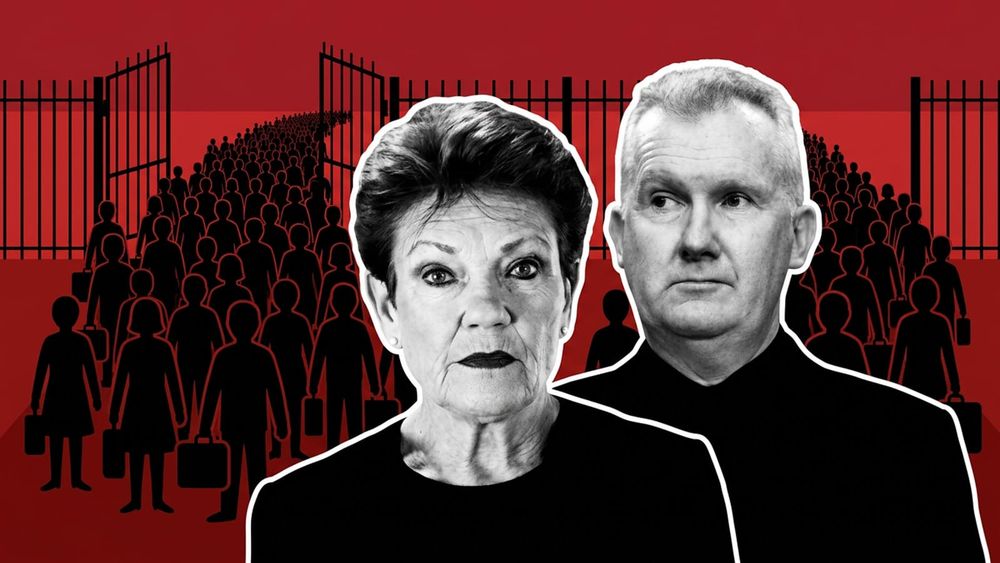
Labor plans to push its bill cutting 160,000 people and $38 billion from the NDIS through the parliament within a fortnight. On Monday it turned down the second independent check proposed for the scheme in five months.
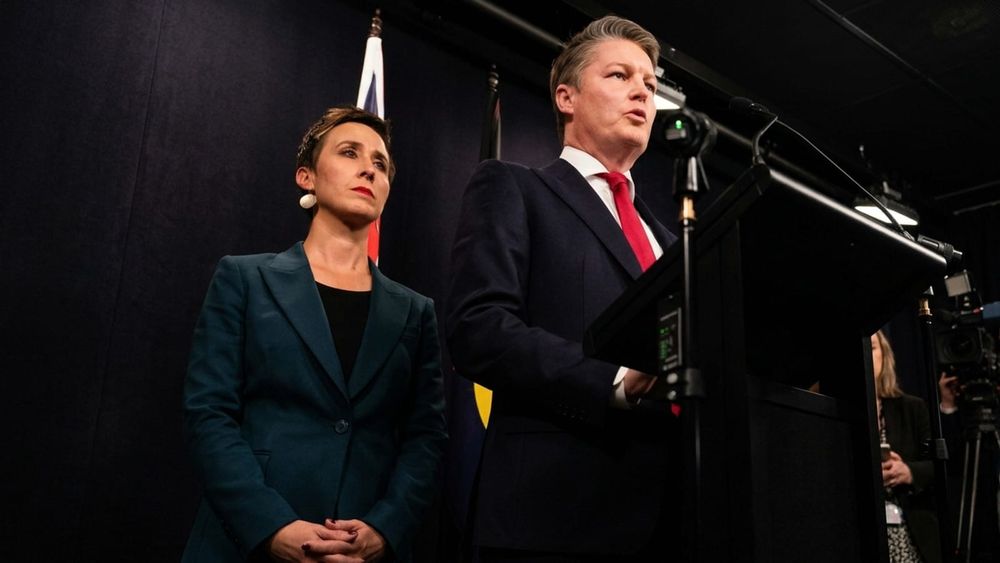
The knockback went to Martin Laverty, one of the men who helped design the scheme. He used a National Press Club address to ask for a $6 million a year umpire over a program that spends more than $50 billion. Health Minister Mark Butler rejected it before the day was out.
Laverty sat on the founding board of the National Disability Insurance Agency for eight years and now runs the major disability provider Aruma. He backs the government's bill and accepts the scheme has to shrink, which makes him a hard witness for Labor to dismiss. He wants a permanent inspector general with statutory power to keep the government honest while it winds plans back, and aged care residents already have exactly that protection.
"The disability system needs a permanent co-ordinator with statutory independence to hold governments to account, call out system problems and recommend improvements, similar to what we see in the aged care sector," he told The Australian Financial Review after the address.
He was also upfront that his case has nothing to do with chasing crooks. "Fraud is not the reason for the cost blowout of the NDIS," he told the Press Club. His worry is what happens to participants when the federal government cuts plans at the same time as the states build new disability programs outside the scheme.
"The NDIS is causing havoc for participants to engage in confusing processes, and then when we have state and territory governments returning to the field, we have further complication. We need an independent system steward to smooth the fragmentation," he said.
Butler told reporters he wasn't persuaded the scheme needed more bureaucracy, and he expects his bill through the parliament within two weeks.
"I'd have to be convinced that another one, another level of bureaucracy, would serve a real purpose," he said.
The first refusal came in March, when Pauline Hanson moved to send the NDIS to a Senate committee for an inquiry into waste, fraud and abuse. Labor combined with the Greens and Tasmanian independent Tammy Tyrrell to vote it down.
Labor and the Greens killed Pauline Hanson's fraud inquiry in March
Hanson's motion asked the Legal and Constitutional Affairs References Committee to examine the scale and drivers of NDIS fraud. It also wanted the committee looking at the safeguards that keep missing it and the qualifications of the people billing the scheme. She pointed to providers charging up to $195 an hour. Labor argued the parliament's own joint standing committee on the NDIS already covered the ground, and the numbers ran against her.
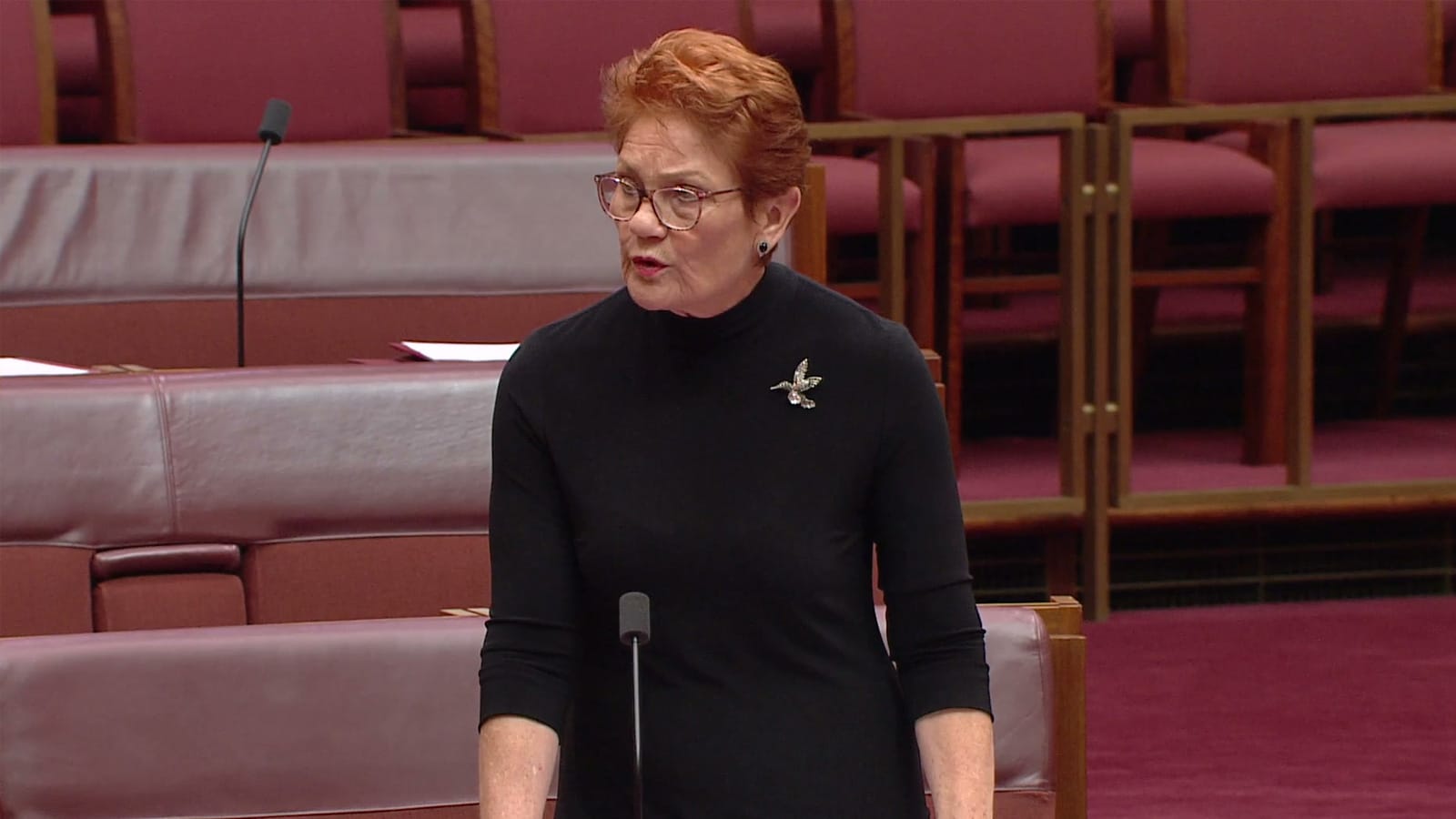
"You have an opportunity to rein in the NDIS and the fraud that's going on in this country. You have the opportunity to do it, and you don't," Hanson told the Senate.
The fraud she wanted counted is not a fringe concern. The Australian Criminal Intelligence Commission has estimated that up to $6 billion a year in NDIS payments is misused, including by organised crime syndicates. In June, a 48 year old Adelaide woman who worked inside the National Disability Insurance Agency was charged over an alleged $5 million dishonesty plot against the scheme. The charge hasn't been tested in court, and it's precisely the sort of case Hanson's inquiry was designed to trace back to the scheme's weak points.
Recovery is running a long way behind the losses. The government has put more than $1.1 billion into the Fraud Fusion Taskforce and related integrity programs since 2022. In that time courts have ordered $3.5 million in stolen money paid back and the AFP and state police have seized $50 million in assets, including properties, bullion and luxury cars. Set against the ACIC's estimate of up to $6 billion misused every year, the money clawed back is a rounding error.
One Nation's record on the scheme runs in one direction. Hanson backed the earlier rounds of NDIS tightening, called this year's integrity bill long overdue, and wants the savings taken from fraud, unregistered providers and inflated billing before a genuine participant loses a cent. One News could find no declared One Nation position on this bill, and the party won't decide it either way, because Labor and the Coalition together carry the numbers comfortably.
Labor built the scheme, and super funds chaired by its former ministers made hundreds of millions on it
The National Disability Insurance Scheme pays for the supports, equipment and care workers that Australians with a permanent and significant disability rely on every day. It has been Labor's scheme from start to finish. Julia Gillard introduced the legislation in November 2012 and the scheme took effect in 2013. It has since grown into one of the fastest rising costs in the federal budget, at more than $50 billion this financial year. On the numbers Hanson put to Liz Truss in July, it was heading for $100 billion by 2032 before the government moved.
One News reported in June that four Labor figures from the governments that built the scheme went on to hold chair or director roles across the industry super fund network. That network's $26.8 million stake in NDIS plan management was sold in 2023 for more than $400 million, and Wayne Swan, Nicola Roxon and Greg Combet were among the names. The dates, the appointments and the sale all sit on the public record.
Children eight and under move off first, and taxpayers still pay $50 billion a year
For families, the change comes in two steps. Thriving Kids, the state run program replacing NDIS support for children aged eight and under with developmental delay or autism and low to moderate needs, starts delivering from 1 October and reaches full rollout on 1 January 2028. From that date those children will no longer be eligible for the NDIS, while children with permanent and significant disability, including young children with high support needs, stay on the scheme.
Adults already on the scheme aren't spared the paperwork either. The department's own explainer confirms that from 1 January 2028:
- every new applicant faces a standardised assessment of how their disability limits day to day living, with the bar set at significantly reduced functional capacity
- everyone already on the NDIS will be reassessed against the new criteria, progressively over three years
- an impairment must be permanent or likely to be permanent, with treatment options weighed first
- people covered by workers compensation or motor accident schemes may lose NDIS eligibility
That rolling reassessment is the machinery that gets the participant count down by 160,000.
The Commonwealth and the states have committed $4 billion over five years to the foundational supports Thriving Kids sits inside. The NDIS spends more than that every month.
For taxpayers, the scheme still costs more than $50 billion this financial year, and the bill is designed to slow its growth to 2% a year rather than stop it. On the figures Hanson gave the Senate in March, spending was heading for $63.4 billion by 2029.
| Where the NDIS stands | The figure |
|---|---|
| Annual cost this year | More than $50 billion |
| Estimated misuse each year, on the ACIC's numbers | Up to $6 billion |
| Labor's cuts over four years | $38 billion |
| Participants moved off the scheme | About 160,000 |
| Growth cap after the bill | 2% a year, down from 10% |
| Thriving Kids and foundational supports funding | $4 billion over five years |
| The independent umpire Labor rejected | $6 million a year |
Angus Taylor's Coalition is expected to wave the bill through unamended
The bill doing the cutting is the NDIS Amendment (Securing the NDIS for Future Generations) Bill 2026. It's built to strip $38 billion from the scheme over four years, move about 160,000 participants off it, and pull annual growth from 10% down to 2%. Butler is expected to meet shadow NDIS minister Melissa McIntosh this week to lock in the Senate numbers. Coalition sources told the Financial Review the opposition will back the bill as it stands.
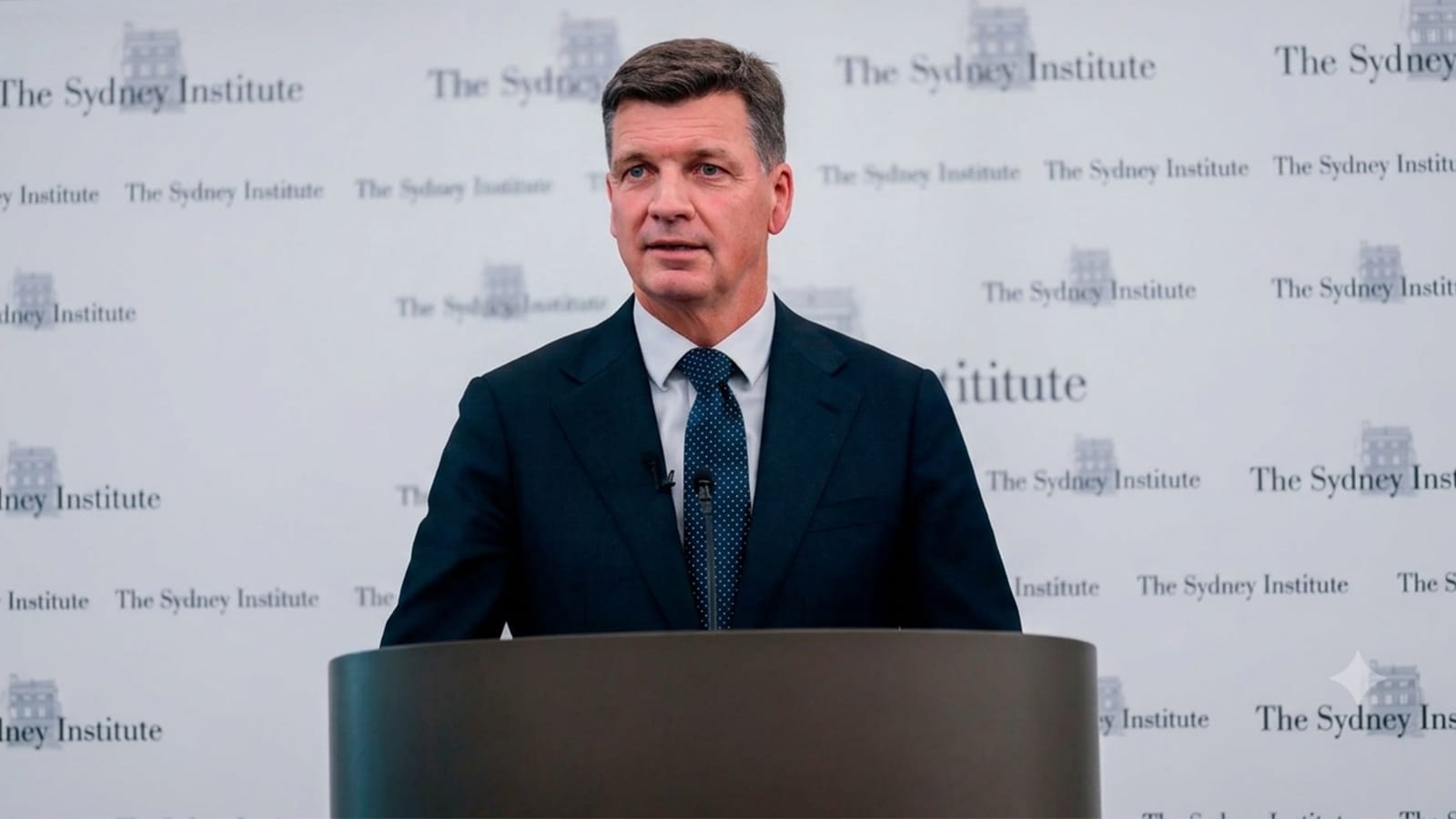
"Angus Taylor has been very encouraging in his support, his recognition of the need to get the NDIS back on track," Butler said.
The Greens forced an eight week extension to the Senate inquiry into the bill, which reports on 14 August, and disability groups are still pushing for amendments. Butler wants the vote in the same sitting fortnight the report lands.
"At the moment, we are still convinced this is the right legislation to pass the parliament as soon as possible. I'd like to see it passed this fortnight because it is critical we start the work of getting the NDIS back on track," he said.
Voters, for their part, told Nine's Resolve survey they want NDIS priorities looked at more carefully so cuts don't hit people in real need, by 72% to 7%. For the roughly 160,000 participants facing the loss of a plan, nobody independent will be checking whether the cuts land on the rorters or on them.
Hanson was warning about the scheme's waste years before Butler picked up the portfolio. The plan she took to voters would cut off the unregistered providers and the inflated hourly rates before it touched a genuine participant. The bill arriving this fortnight starts at the other end, and after Monday it will be delivered with no independent umpire watching and the Coalition holding the door open.