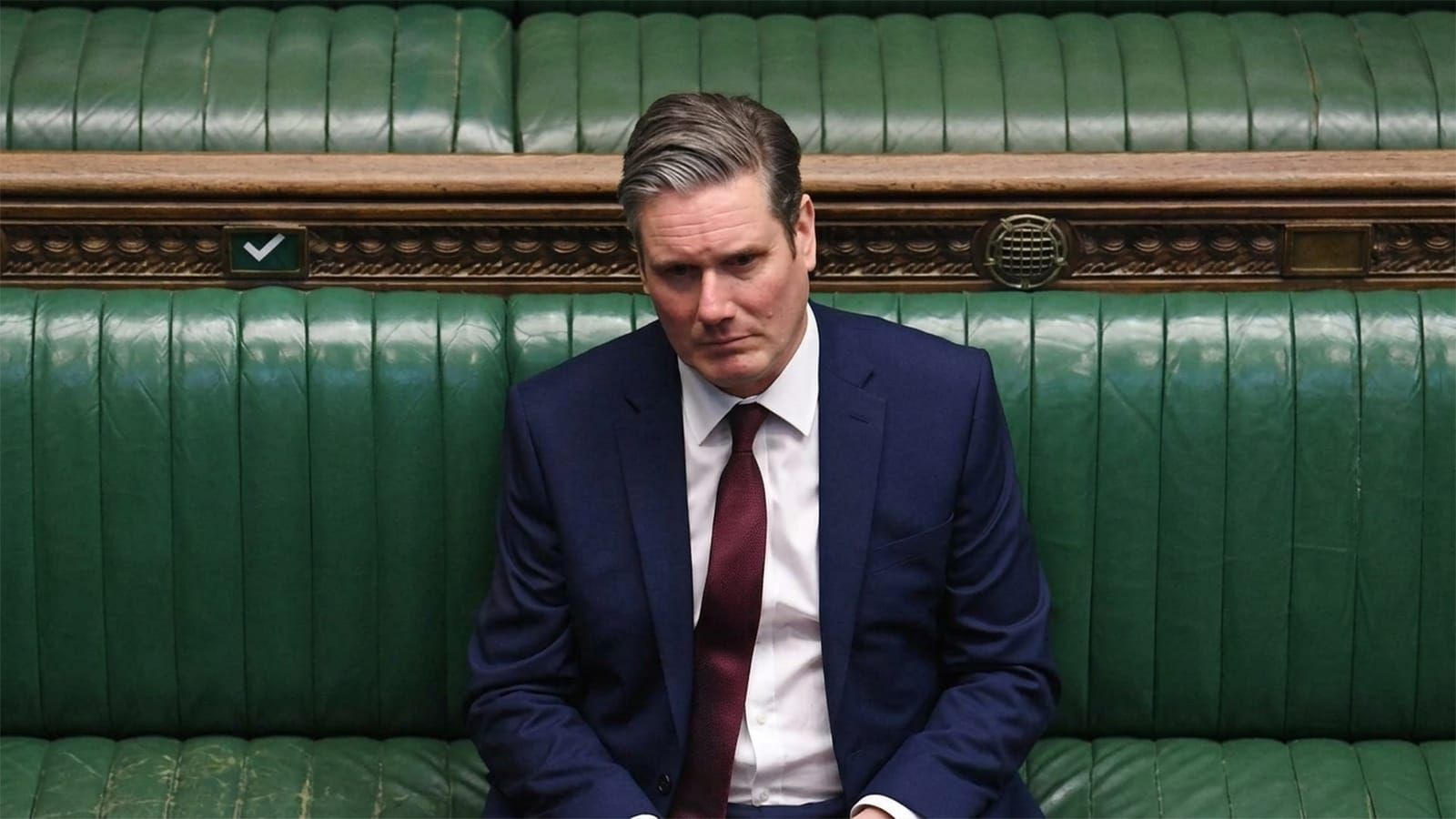
Keir Starmer has resigned as leader of the Labour Party and will step down as UK Prime Minister, ending a leadership that lasted just under two years. He announced the decision in a televised statement outside Downing Street on Monday morning, 22 June.
"I will resign as leader of the Labour Party. I have spoken to His Majesty the King this morning to inform him of my decision," Starmer said.
When does he actually leave, and who replaces him
Starmer hasn't quit on the spot. He'll stay on as Prime Minister until Labour chooses a new leader. "I will remain in post as Prime Minister until the contest is complete," he said.
The timetable he's asked Labour's National Executive Committee to run is tight. Nominations open on 9 July and the contest is to be completed by the summer recess. The Commons is due to rise on 23 July, so on the timetable Starmer set, his last day as Prime Minister falls somewhere between 9 and 23 July, whenever the contest wraps. If Labour goes straight to a coronation rather than a full ballot, it could be sooner. "In the case of a contest, this will ensure a new leader is in place before Parliament returns in September," he said.
There's no general election. The governing party is changing its leader, so once the new leader is chosen, Starmer formally resigns to the King and the King invites the successor to form a government.
Andy Burnham is the clear favourite. The Greater Manchester Mayor won the Makerfield by election on 18 June, giving him the Commons seat a prime minister needs, and he's expected to be sworn in as an MP as soon as Monday. Other names in the frame include Wes Streeting, Home Secretary Shabana Mahmood, Foreign Secretary David Lammy, Ed Miliband and former Deputy Prime Minister Angela Rayner.
Two days ago he said he'd fight
The resignation is a reversal. On Friday, asked outside Downing Street whether he'd stand in a leadership contest, Starmer told reporters there wasn't one "at the moment" and said he wasn't going to walk away. By Saturday, The Observer reported he'd concluded his position was no longer tenable after talking to senior ministers, advisers, donors and union leaders. By Monday morning he'd told the King.
Elected on the thinnest mandate in modern history
Starmer won the July 2024 general election with a 174 seat majority, on the smallest share of the vote of any majority government since records began in 1830. The seats were there, the enthusiasm wasn't. By the end of 2025 polls rated him one of Britain's most unpopular prime ministers.
The freebies that set the tone
The first real damage was self inflicted. In what the press dubbed the "passes for glasses" affair, it emerged that Starmer's biggest personal donor, Lord Alli, had been given a Downing Street security pass and had funded gifts including more than £2,400 of glasses and thousands of pounds of clothes for Starmer and his wife. Starmer, Reeves and Rayner announced they'd stop taking clothing from donors as the 2024 party conference opened. The optics, a government preaching tough choices while taking free suits and concert tickets, never really left him.
Tax rises and a flat economy
Rachel Reeves' first budget in October 2024 raised taxes by £40 billion, the bulk of it a £25 billion rise in employers' national insurance, alongside higher capital gains tax and VAT on private school fees. The growth Starmer promised didn't follow. Average weekly pay, adjusted for inflation, has crept up less than 1% since Labour took office, so voters never felt better off.
The winter fuel cut, then the U turn
Reeves stripped the winter fuel payment from most pensioners in 2024, restricting it to those on pension credit. The backlash was immediate and lasted months. In May 2025 Starmer announced a U-turn, and the payment was restored to more than three quarters of pensioners that summer. The Institute for Government's verdict was that two bad decisions don't make a good one, and that the episode had badly damaged trust in the leadership's judgment while saving almost no money.
The welfare rebellion
In mid 2025 the government tried to cut Personal Independence Payments and Universal Credit health top ups. More than 100 Labour MPs threatened to rebel. The government U turned twice in a week, first exempting existing claimants, then gutting the PIP changes 90 minutes before the vote. It still drew 49 Labour MPs voting against, the largest backbench rebellion of Starmer's premiership, and the savings collapsed from a planned £5.5 billion to about £2.5 billion.
The farmers and the tractor tax
The 2024 budget's plan to put inheritance tax on farms worth more than £1 million brought thousands of farmers and their tractors to Westminster. After more than a year of protest, the government raised the threshold to £2.5 million in December 2025, quietly, during recess. Another reversal, another dent in the judgment question.
Small boats, the promise he couldn't keep
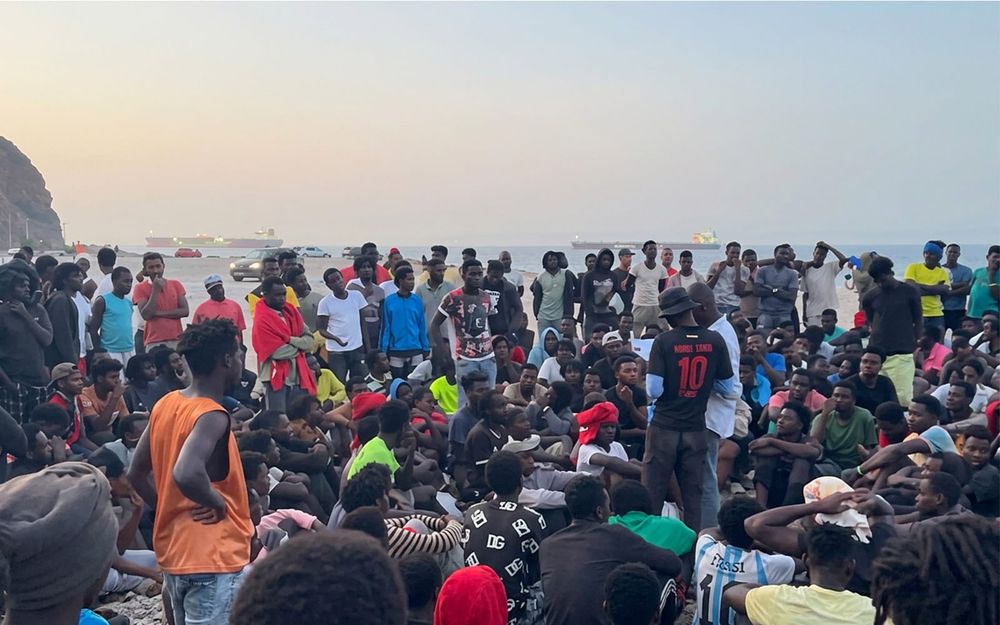
Starmer pledged to "smash the gangs" and stop the Channel crossings. They got worse. By early 2026, more than 65,000 people had crossed on his watch, a faster rate than under any previous prime minister. Scrapping the Rwanda deterrent before it began left him exposed every time the daily numbers climbed, and immigration sat second only to the economy in voter concern.
The grooming gangs rape inquiry he resisted
Starmer spent months refusing a national inquiry into grooming gangs, saying the focus should be on existing recommendations. Campaigners have put the number of victims as high as 250,000, a figure the official record does not support but one that captured the scale of a scandal he was accused of dodging. After Baroness Casey's audit found the ethnicity of offenders had been "shied away from," he reversed course in June 2025 and announced a full statutory inquiry. Another issue where he was seen to move only once forced.
The Mandelson scandal
In December 2024 Starmer appointed Peter Mandelson as ambassador to Washington, despite his friendship with convicted sex offender Jeffrey Epstein. When the extent of that relationship became public through the Epstein files in September 2025, Starmer sacked him and said he regretted the appointment. His chief of staff Morgan McSweeney took responsibility and resigned in February 2026.
The elections that broke the dam
In early May 2026, Labour suffered its worst local election result in living memory, losing nearly 1,500 council seats across England while Reform UK gained more than 1,450. Welsh First Minister Eluned Morgan lost her Senedd seat. The party fell behind its rivals in Scotland.
The frontbench walkout
On 14 May, Health Secretary Wes Streeting resigned, saying it was clear Starmer wouldn't lead Labour into the next election. Four junior ministers including Jess Phillips and four parliamentary private secretaries walked out around the same time. On 11 June, the top two defence officials resigned, including Defence Secretary John Healey, over the government's defence spending plans. By mid May, more than 95 Labour MPs had publicly called on Starmer to go or set a date.
Burnham is the man to beat
The trigger for the final collapse was Andy Burnham. Labour MP Josh Simons had resigned the Makerfield seat in May in a move widely read as clearing Burnham's path. Burnham, often called the King of the North after nearly a decade running Greater Manchester, left no doubt about his ambitions in his victory speech. "Everyone knows that politics isn't working," he said. He ran for the Labour leadership in 2010 and lost to Ed Miliband, and ran again in 2015 and lost to Jeremy Corbyn. This is his third run at it.
'Britain will not be Britain anymore', says Sky News' Credlin
Sky News Australia host Peta Credlin launched a blistering attack on Starmer within moments of the resignation, pinning his downfall on two things: a failure to control immigration and an obsession with net zero.
"It's just not the numbers crossing the border, you're changing Britain. Britain will not be Britain anymore," she said, adding that the sense of lost control over migration was "particularly strong" once she got outside London. Political contributor Chris Uhlmann agreed the public simply felt the government had no grip on the borders.
On energy, Credlin argued Britain could keep cutting emissions without wrecking its economy because "nuclear is back in the game," a path she noted Australia has denied itself. Tellingly, even John McTernan, a former strategist to Tony Blair, traced the rot to Starmer's very first act in office, the decision to strip the winter fuel payment from pensioners.
Britain is now facing its seventh prime minister in a decade.
Albanese's love letter to a sacked friend
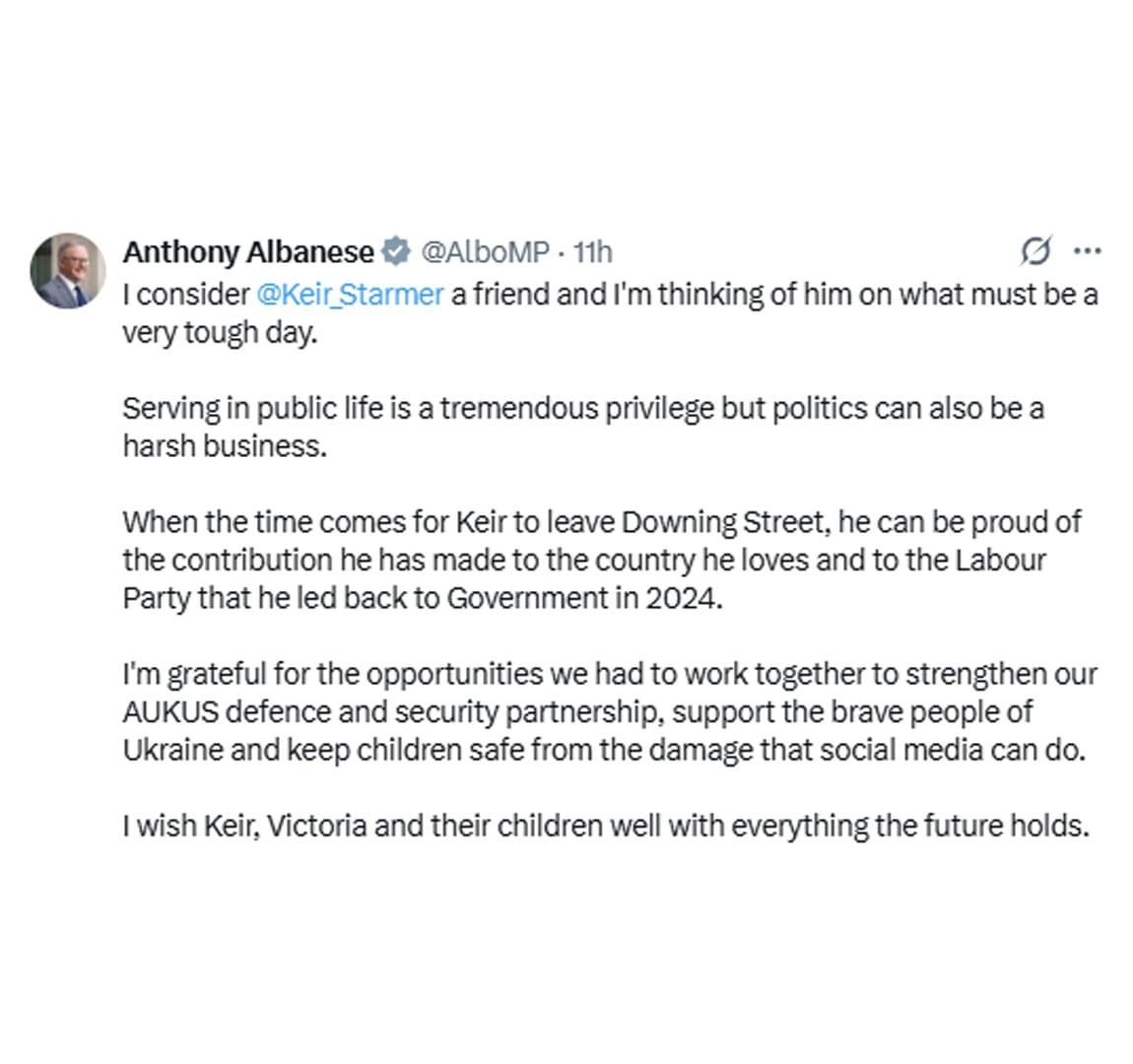
As Britain showed a failed Labour prime minister the door, Anthony Albanese rushed out a tribute to his "friend," saying he was "thinking of him on what must be a very tough day" and that Starmer could be proud of his "contribution to the country he loves." The legacy the Australian Prime Minister singled out was telling: keeping "children safe from the damage that social media can do."
"I consider @Keir_Starmer a friend and I'm thinking of him on what must be a very tough day.
Serving in public life is a tremendous privilege but politics can also be a harsh business.
When the time comes for Keir to leave Downing Street, he can be proud of the contribution he has made to the country he loves and to the Labour Party that he led back to Government in 2024.
I'm grateful for the opportunities we had to work together to strengthen our AUKUS defence and security partnership, support the brave people of Ukraine and keep children safe from the damage that social media can do.
I wish Keir, Victoria and their children well with everything the future holds." — Anthony Albanese (@AlboMP), 22 June 2026
He reached for social media on the very day Starmer fell, in part, over a grooming-gang scandal his government spent months refusing to investigate, one campaigners say claimed as high as 250,000 victims. Worried about screens, not the gangs. Hitching yourself to a leader voted out on the smallest mandate in almost 200 years is not loyalty so much as a man defending his own reflection. The forces that broke Starmer, uncontrolled borders, a net zero obsession and a public that feels ignored, are already lapping at Albanese. He may find he is next.