A privately funded inquiry led by the independent British MP Rupert Lowe has published a 219 page report into the United Kingdom's grooming gang scandal, reviving one of the darkest chapters in modern British public life and a political argument that now reaches the Prime Minister.
The report isn't an official government document. It was crowdfunded, it holds no statutory powers, and several of its headline claims are disputed by the official record. The scandal it revisits, though, is real, adjudicated and decades deep.
What the inquiry is, and who ran it
The Rape Gang Inquiry was driven by Rupert Lowe, founder of the political party Restore Britain. It was crowdfunded, raising more than £790,000 from over 23,000 donors according to the campaign, after Elon Musk amplified the grooming gangs issue in early 2025.
It isn't a court and it isn't a statutory public inquiry. It had no power to compel witnesses or evidence and it's hearings ran in February 2026. The inquiry team was led by Sammy Woodhouse, a Rotherham survivor who gave evidence in the Rotherham prosecutions, and Conservative MPs Esther McVey, Nick Timothy and Carla Lockhart sat on the panel.
What the report claims
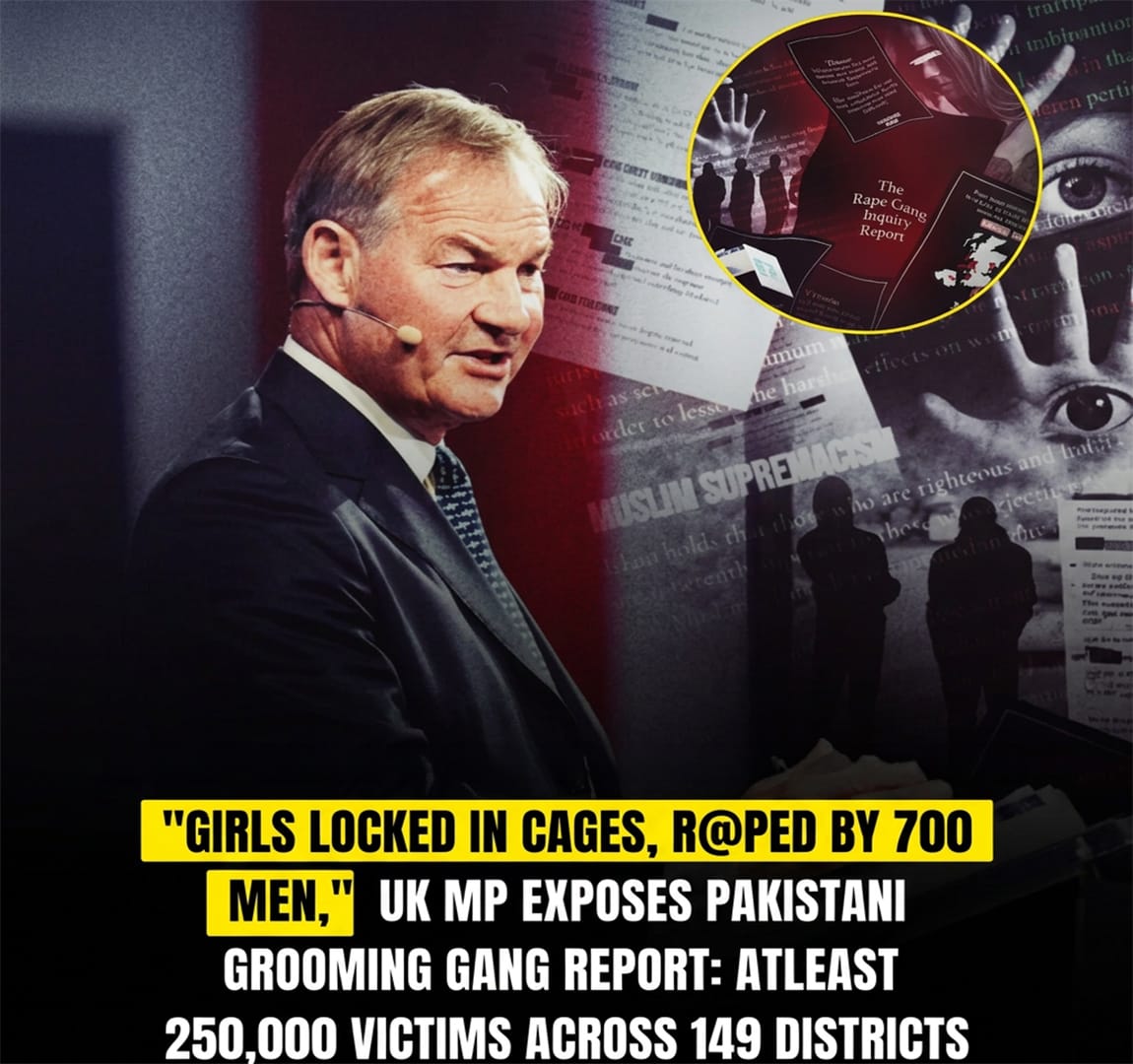
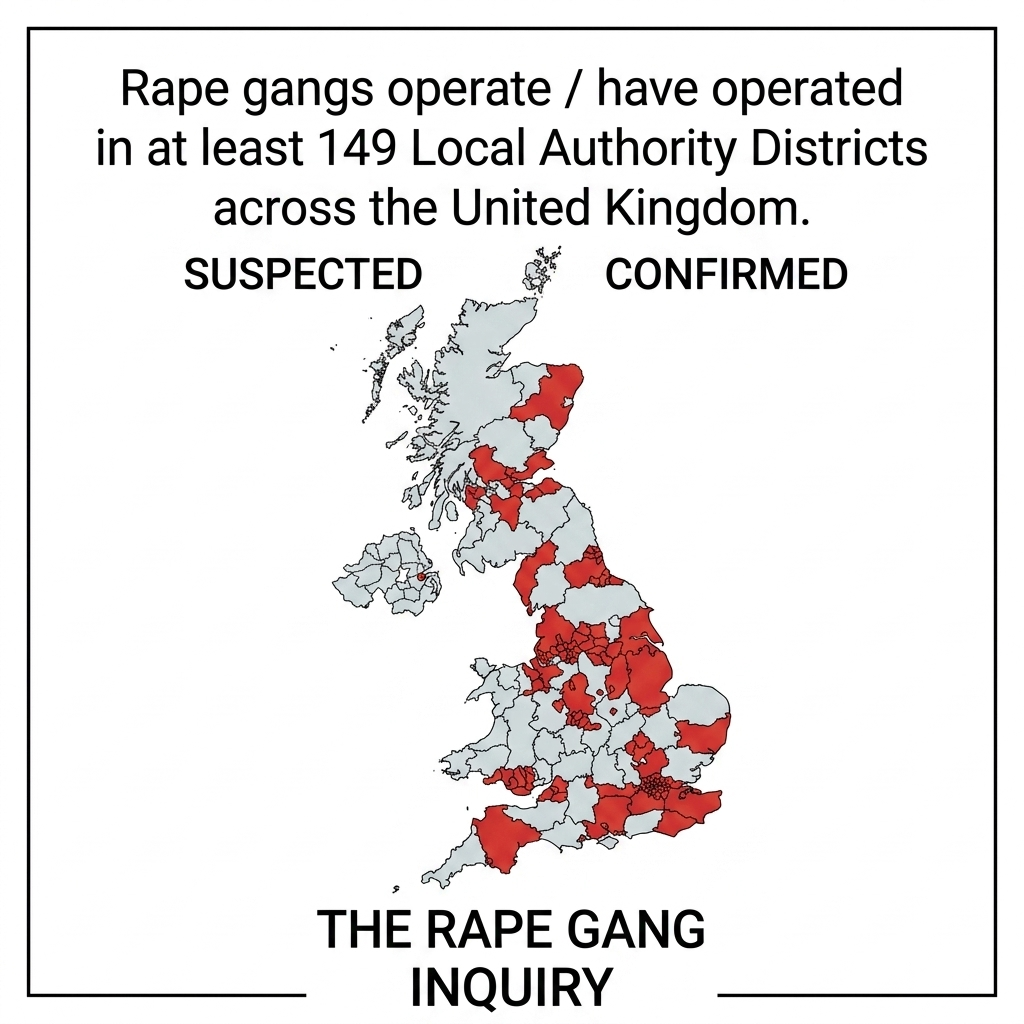
The report's central claim is that organised gangs, which it says were drawn disproportionately from men of Pakistani Muslim heritage, raped and trafficked large numbers of girls across many parts of the UK over decades, while police forces, councils, social services and governments failed to stop it.
It puts the number of victims as high as 250,000. That figure is the inquiry's own, and it isn't supported by the official record. A fact check published on 18 June 2026 rated the 250,000 number an unsupported extrapolation, tracing it to a 2018 remark in the House of Lords that scaled up the 1,400 victims documented in Rotherham. The 2022 national inquiry into child sexual abuse concluded it's "simply not possible to know" the true scale. The numbers are contested. What was done to the children isn't.
What the gangs did, on the court record
The method barely changed from town to town. Girls, some as young as 11, were befriended by a man who supplied alcohol, drugs, cigarettes and attention, then handed to groups of older men to be raped, filmed and traded between towns. Most were children in care or from troubled homes. Those who resisted were threatened.
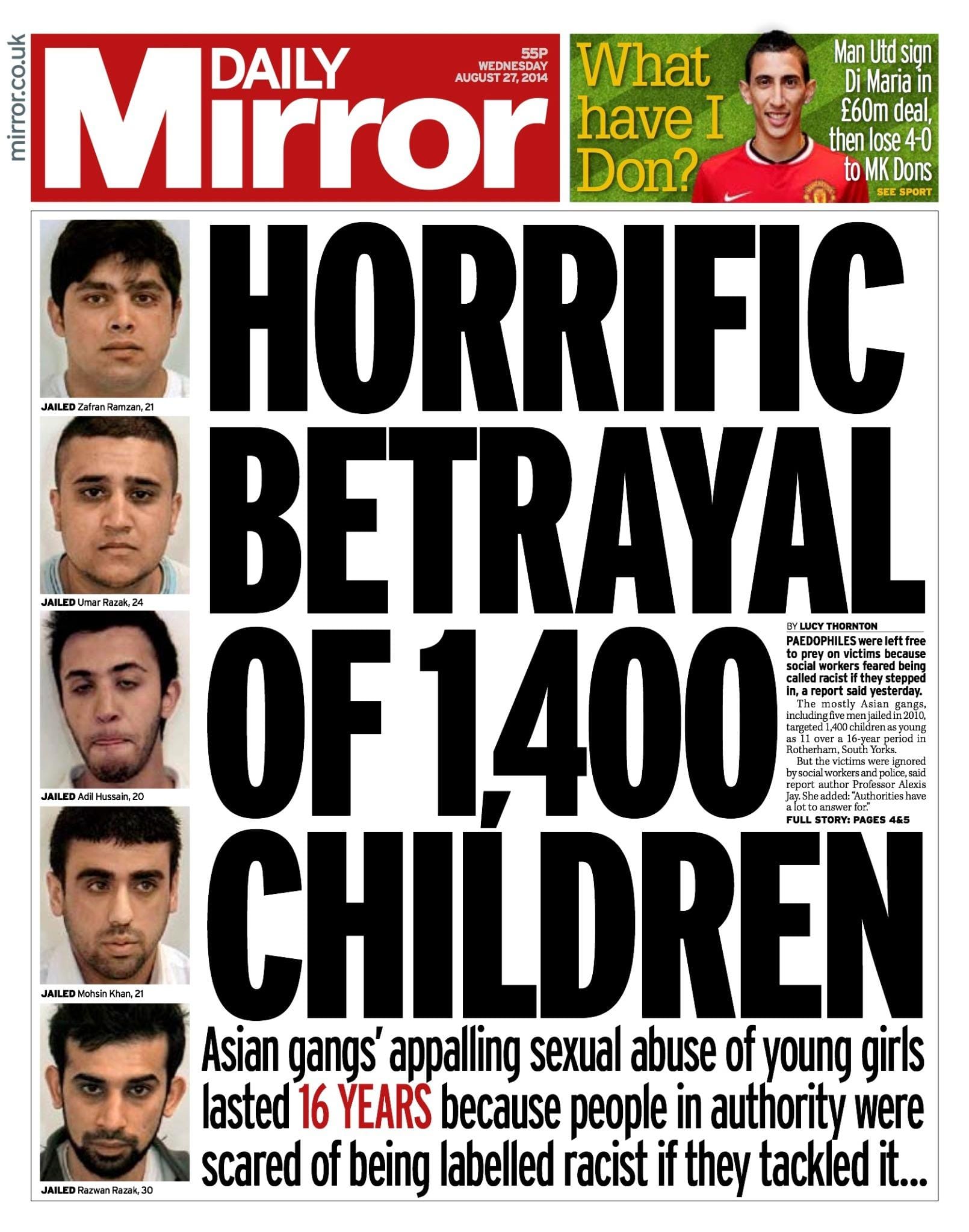
The Jay Report into Rotherham set it down in plain language in 2014. Children, it found, were "raped by multiple perpetrators, trafficked to other towns and cities, abducted, beaten and intimidated". It documented victims who had been "doused in petrol and threatened with being set alight, threatened with guns, made to witness brutally violent rapes and threatened they would be next if they told anyone". Its conservative estimate was that around 1,400 children were exploited in Rotherham between 1997 and 2013, while council and police leaders looked the other way.
The cases that ended in convictions
It wasn't just six towns, and it just wasn't a handful of men. Convicted grooming gangs have been prosecuted across England for two decades. These are some of them.
Rotherham. The town gave the scandal its name. The Jay Report put a conservative estimate of 1,400 children exploited between 1997 and 2013, abused as set out above, while police, it found, "regarded many child victims with contempt". Convictions came in later trials. In 2016 the brothers Arshid, Basharat and Bannaras Hussain were jailed at Sheffield Crown Court for a combined 79 years, and the National Crime Agency's Operation Stovewood, the largest investigation of its kind in Britain, has since seen 50 people convicted, with sentences totalling more than 1,500 years.
The survivor who became a campaigner
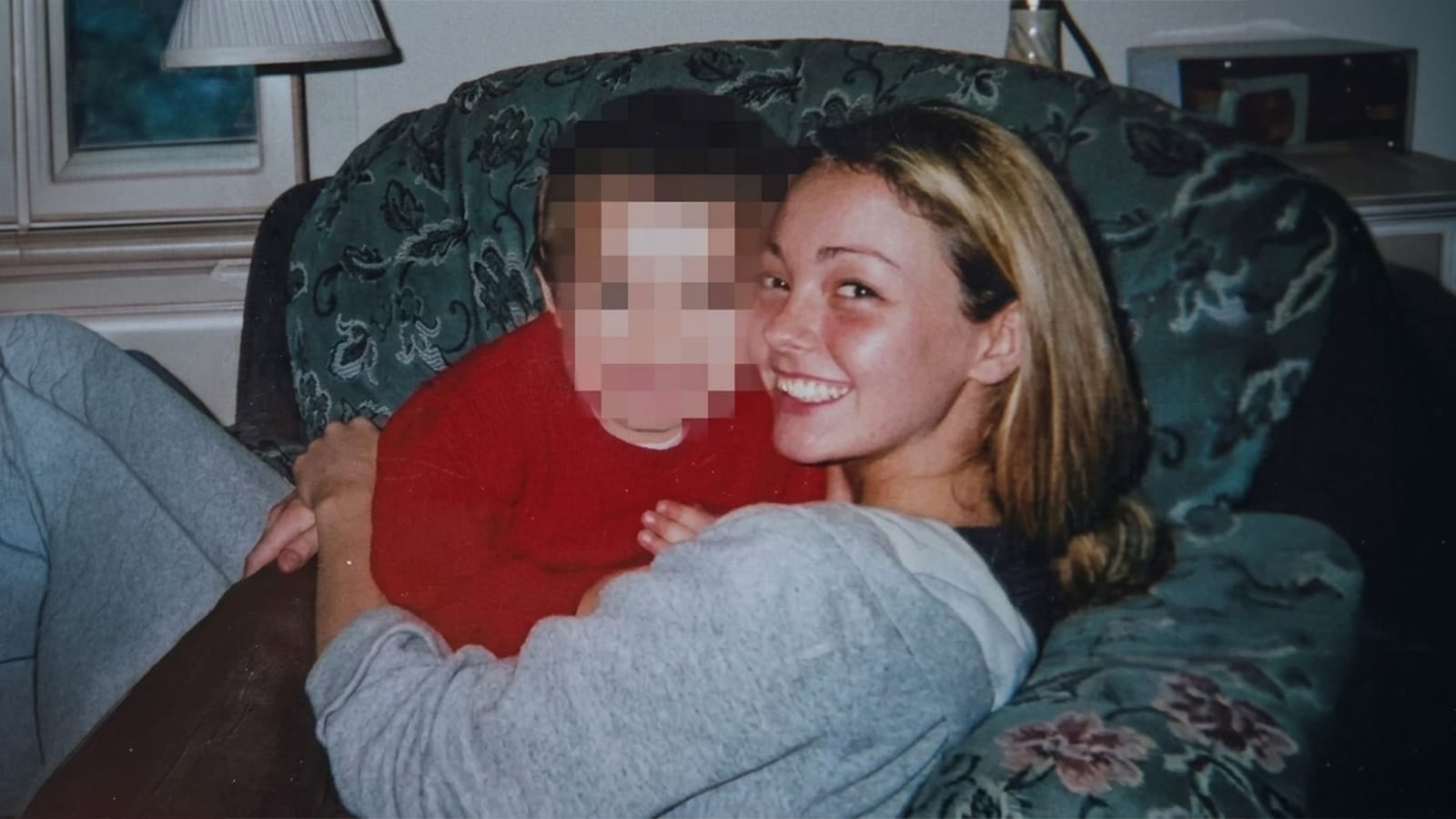
Sammy Woodhouse is the survivor who put a face to Rotherham. She was 14 when she was groomed by Arshid Hussain, the ringleader later jailed for 35 years. She was 15 when she fell pregnant to him. Her decision to waive her anonymity and go public, reported in The Times, was what brought the scale of the Rotherham scandal into the open and helped trigger the National Crime Agency investigation that followed. She has since become a best selling author and campaigner, and her "Sammy's Law" campaign secured protections so that exploited children are not criminalised for things done to them while they were being abused. She sat on Rupert Lowe's inquiry panel.
Rochdale. Nine men were convicted in 2012 of running a ring based on two takeaways, where girls were given free food and alcohol and then, in the prosecution's account, passed from man to man, sometimes too drunk to stop it. One victim became pregnant at 13. Police identified 47 girls. Sentencing the men, the judge told them they had treated the girls "as though they were worthless", adding that "one of the factors leading to that was the fact that they were not part of your community or religion". The ringleader, Shabir Ahmed, known within the gang as "Daddy", was jailed for 19 years, then a further 22 for 30 separate rapes. The case had only reached court because a 2009 decision by the Crown Prosecution Service not to charge, on the basis that a victim "would not be viewed as a credible witness", was reversed two years later.
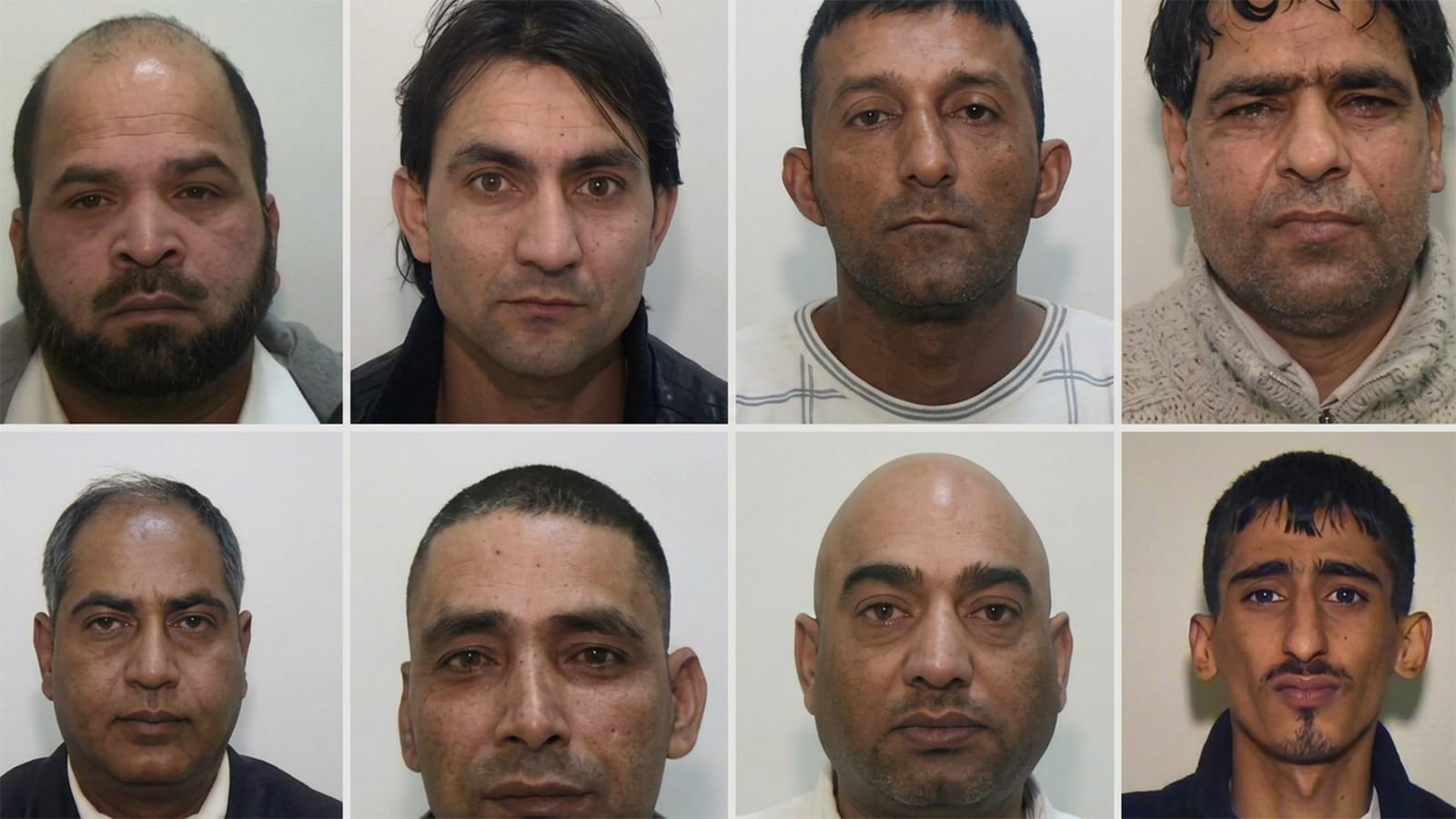
Oxford. Seven men were convicted in 2013 over the grooming and rape of six girls aged 11 to 15, five of them given life. The trial judge said "the depravity was extreme". The court heard that one man, Mohammed Karrar, branded a girl with the heated tip of a hairpin, marking her with the letter "M" to show she belonged to him, that she had been sold to him at the age of 11, and that he had used an instrument in an attempt to force a miscarriage. A later serious case review estimated that around 370 children may have been exploited in Oxfordshire.
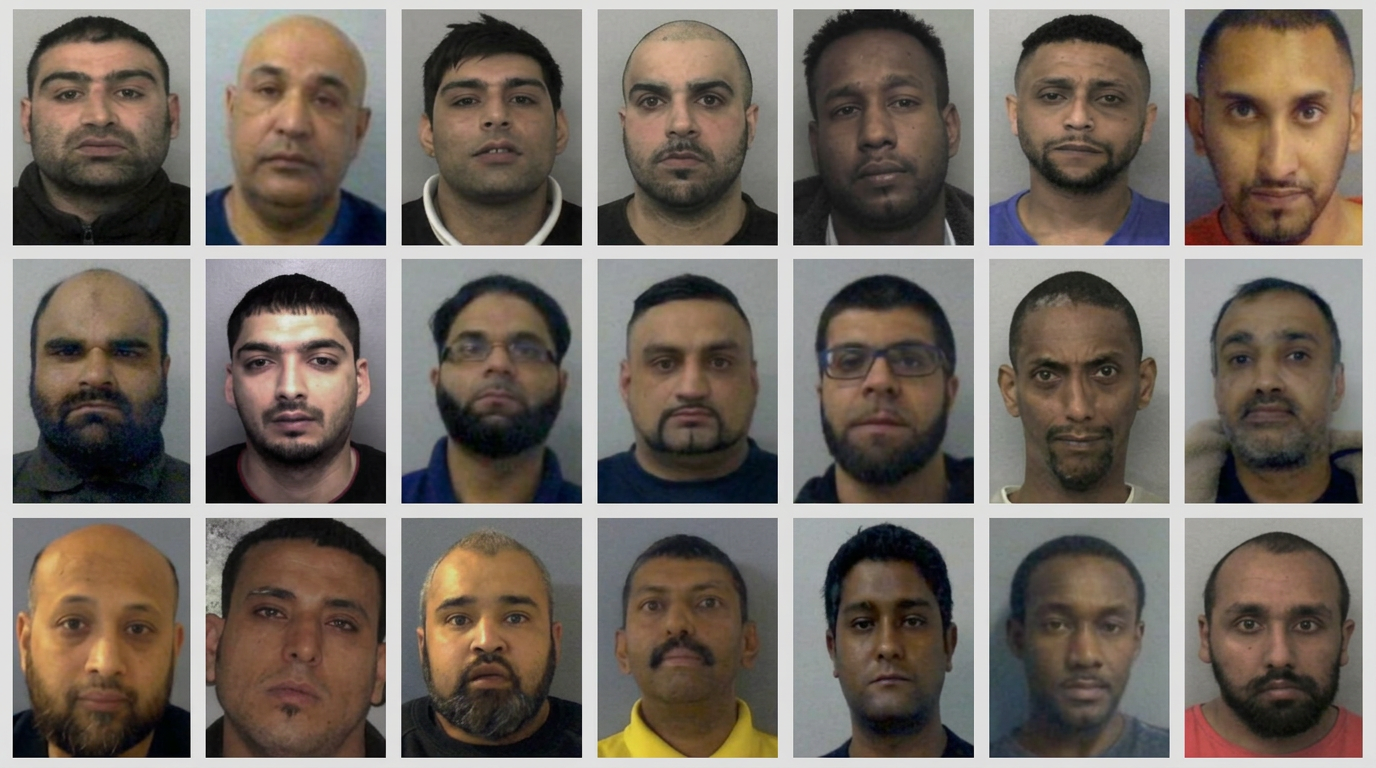
Derby. Derby. One of the first major cases. After a two year undercover investigation called Operation Retriever, nine men were convicted across three trials of offences against girls aged 12 to 18. There were 27 victims in the case and as many as 100 girls thought to have been targeted. The ringleaders, Abid Saddique and Mohammed Liaqat, cruised Derby in a BMW pulling up alongside girls outside schools and shops, some still in uniform, then groomed them with calls and texts, plied them with vodka and cocaine, and took them to parties in flats and hotels to be raped, sometimes by several men at once. Girls who refused were threatened with hammers or thrown out of moving cars. One described a sexual assault involving at least eight men. Saddique was convicted of four counts of rape among other charges and jailed for a minimum of 11 years. Liaqat was convicted of rape and sexual activity with a child and jailed for a minimum of 8. The judge described their attitude as "sex at any price" and a "reign of terror on girls in Derby".
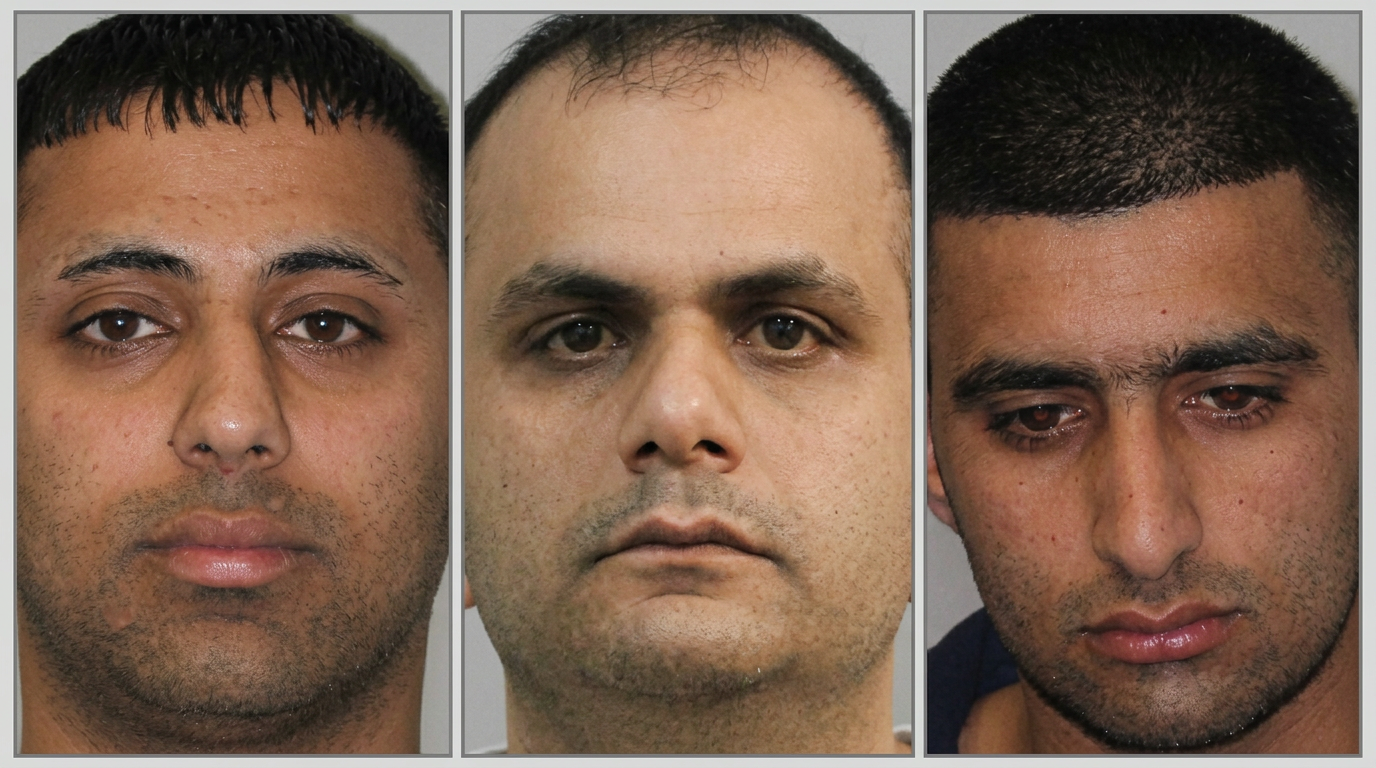
Telford. An independent inquiry led by Tom Crowther KC found in 2022 that more than 1,000 children may have been abused in the town over decades, the exploitation dismissed by authorities as "child prostitution". The report records that a senior safeguarding figure told staff to stop putting detailed accounts of abuse in emails because they "could start a race riot". The inquiry also dealt with Lucy Lowe, who was 14 when a 24 year old taxi driver, Azhar Ali Mehmood, began abusing her. In 2000, after she had his child, Mehmood set fire to her family's home, killing Lucy at 16, along with her mother and her sister. He was given life. The inquiry found her murder, rather than prompting action, "appears to have frightened" other children into silence.
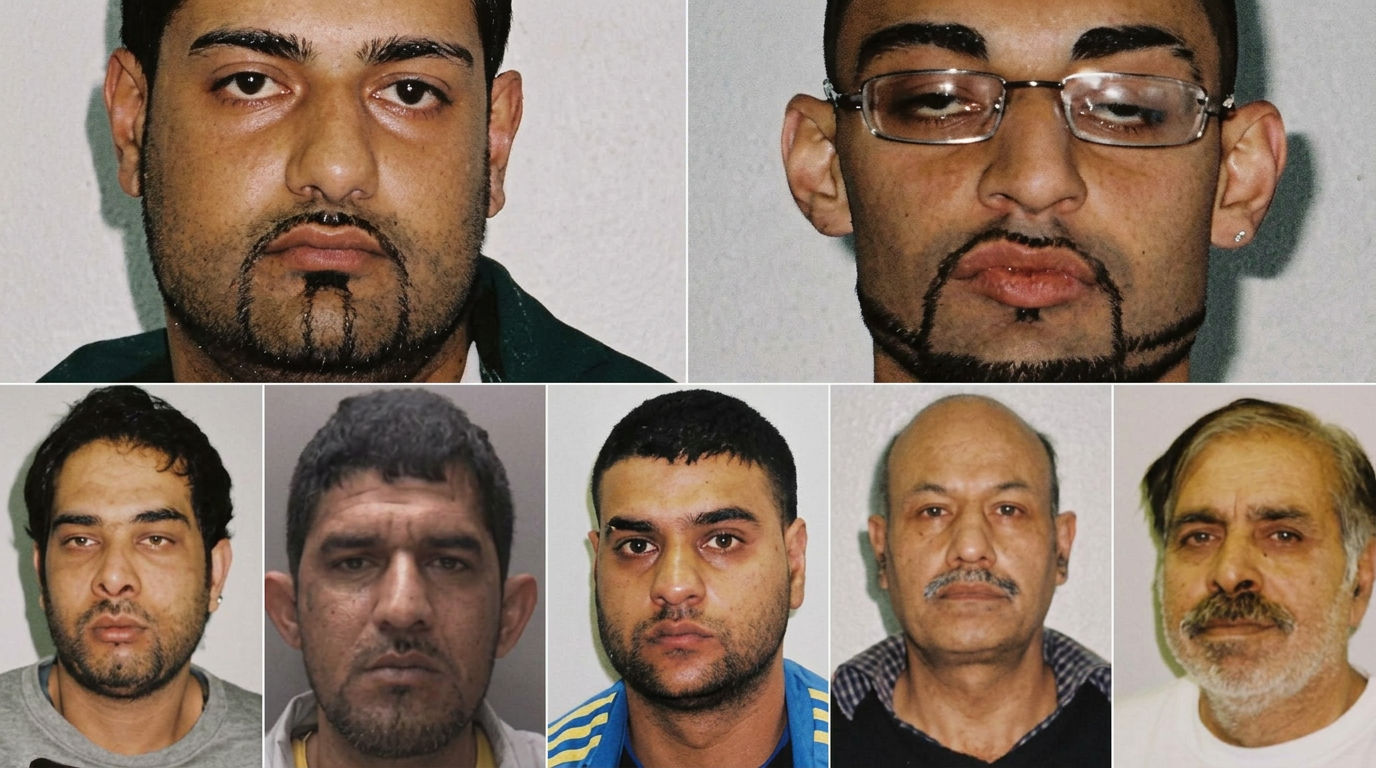
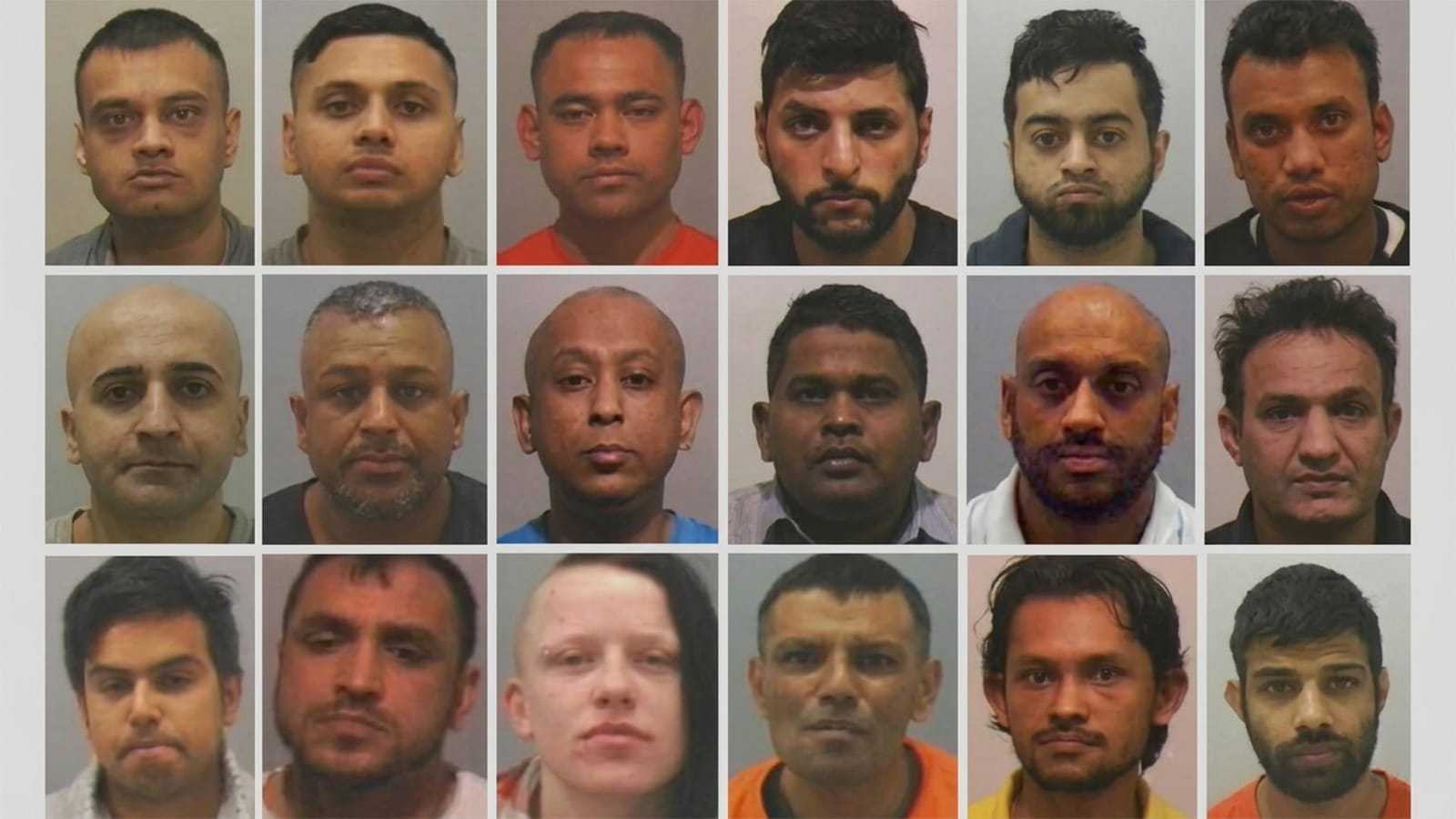
Newcastle. Eighteen people, 17 men and one woman, were convicted across four trials by 2017 under Operation Shelter, part of the wider Operation Sanctuary investigation. Girls, some as young as 13, were lured to parties the abusers called "sessions," plied with alcohol and drugs until some became addicted, then raped. One ringleader gave victims lines of the drug M-Cat and demanded oral sex in return. A woman trafficked girls to the parties, including one aged 13 and two in care, knowing what would happen to them. Operation Sanctuary went on to identify around 700 victims across the Northumbria force area. The longest sentences were 29 years. During the investigation, Northumbria Police paid a convicted child rapist more than £10,000 to work as an informant.
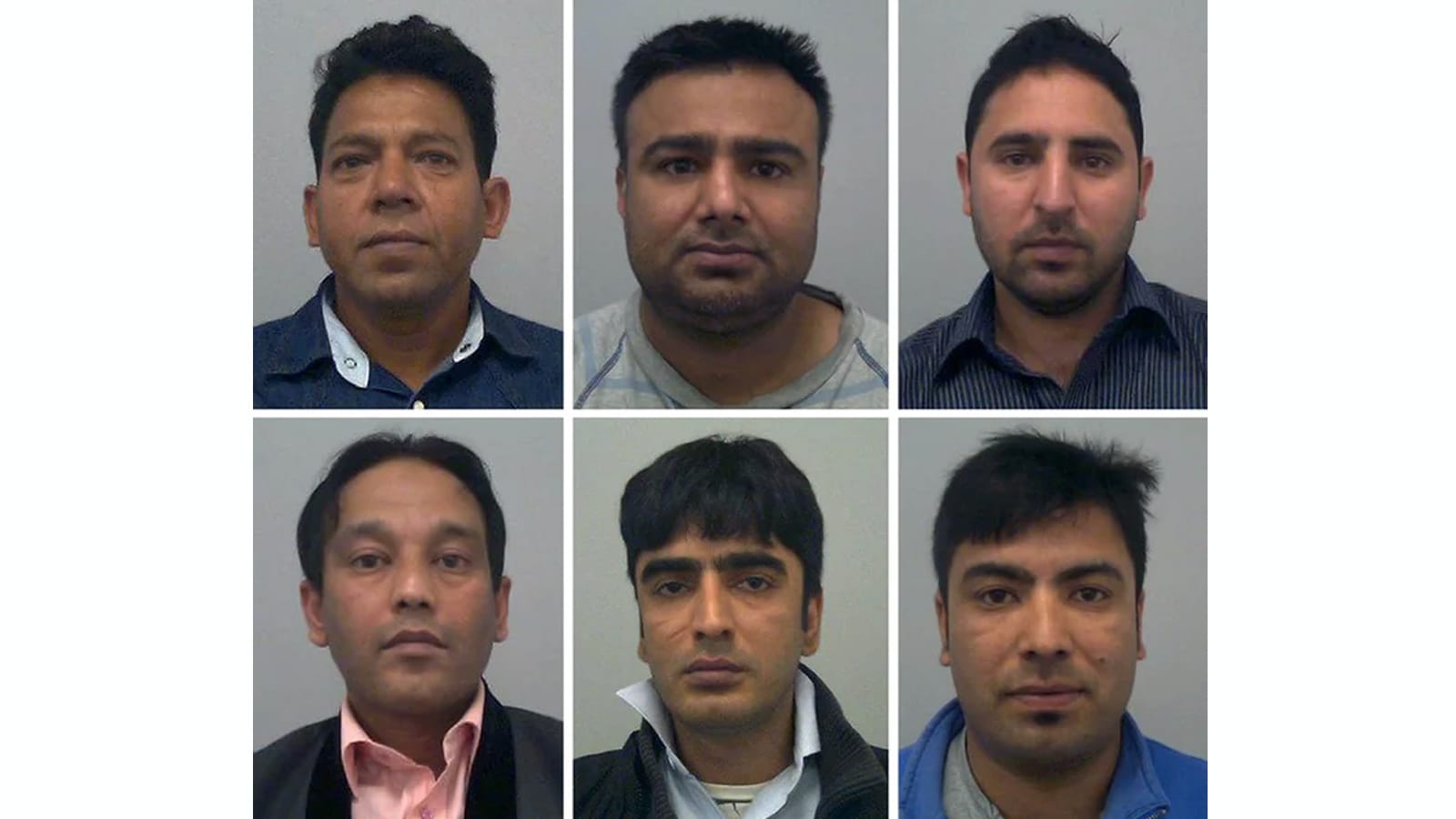
Aylesbury. Six men were convicted at the Old Bailey in 2015 and jailed for more than 82 years between them. The two victims, known only as Girl A and Girl B, were 12 and 13 when the abuse began. The men, some of them married with children and several working as taxi drivers, groomed the girls with cheap gifts, alcohol and drugs. Girl A told the court she had been passed between around 60 men, almost all Asian, for sex, after being conditioned to believe it was normal. The charges included multiple rape of a child under 13, child prostitution, and sedating a girl in order to abuse her. The abuse ran from 2006 to 2012. The charity Barnardo's had flagged one of the girls to Buckinghamshire County Council as at risk in 2008. The council failed to act, and apologised to both victims only after the convictions.
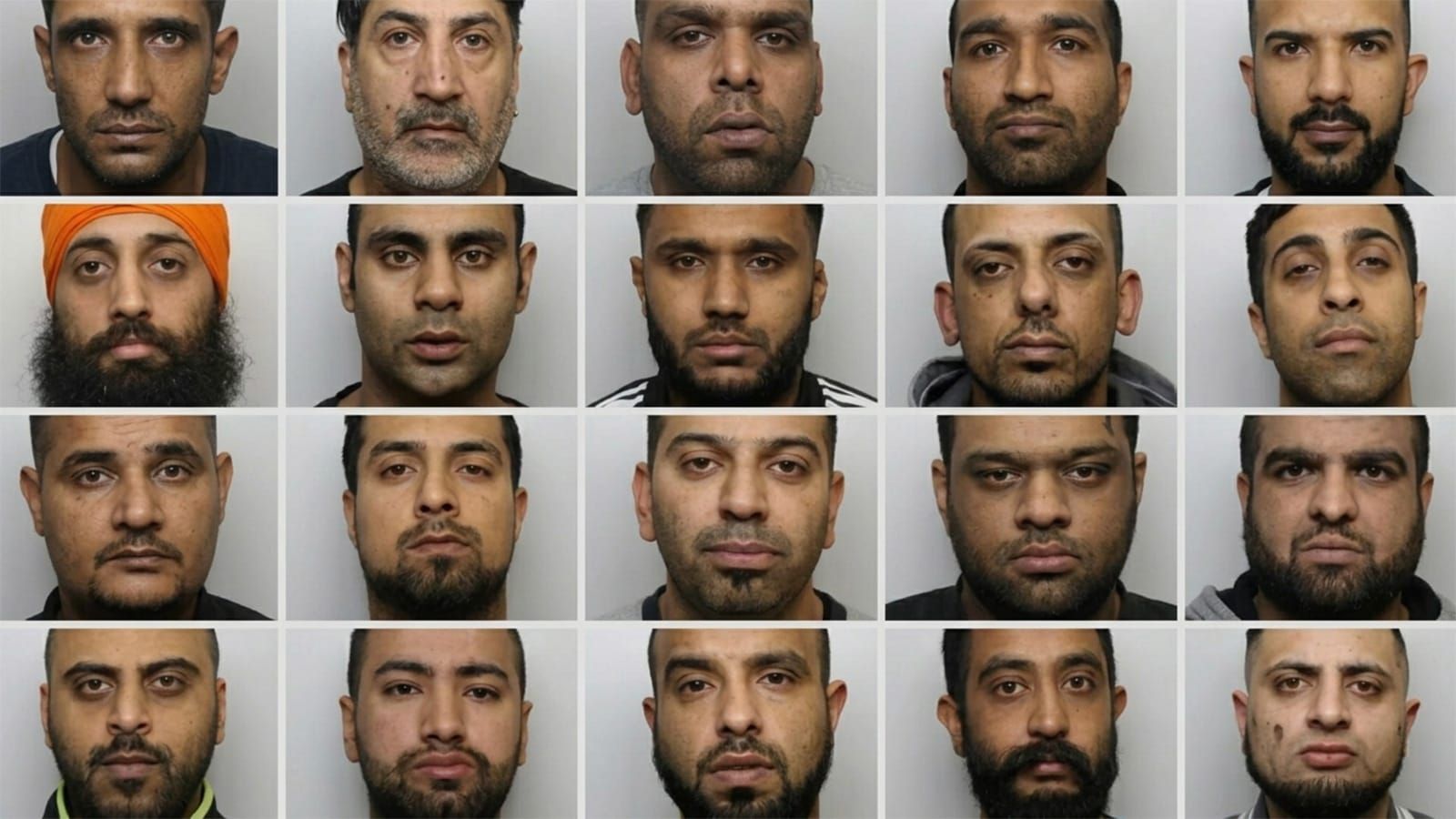
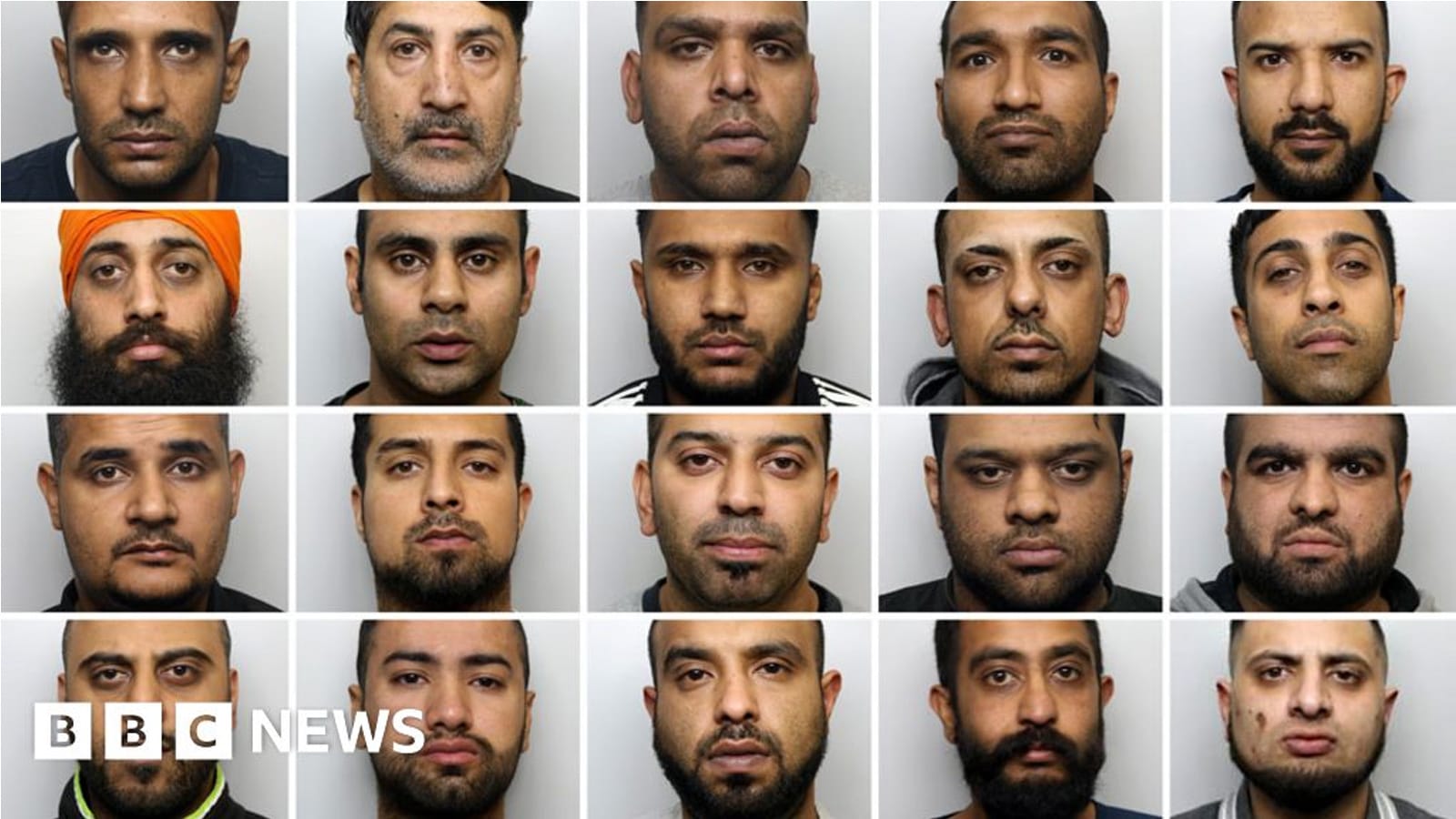
Huddersfield. Twenty men were convicted at Leeds Crown Court in 2018 under Operation Tendersea, over the abuse of 15 girls between 2004 and 2011, then the largest group convicted as a single grooming gang in Britain. Girls as young as 11 were lured in with gifts as small as food, cigarettes or a lift, then plied with alcohol and drugs. Once a girl was "broken in," the ringleader Amere Singh Dhaliwal passed her around to other men, sometimes handing girls to drug dealers in exchange for the drugs he used to spike them. Victims were raped one by one at house parties, filmed on phones, and trafficked to isolated moorland and reservoirs where they were beaten if they refused. Dhaliwal was jailed for life with a minimum of 18 years for 54 offences including 22 rapes. The gang's sentences totalled 221 years. Sentencing them, Judge Geoffrey Marson QC said:
"Your treatment of these girls was inhuman. You treated them as commodities to be passed around for your own sexual gratification and the gratification of others. As cases of sexual abuse with which the courts have to deal, this case comes at the top of the scale."
And it didn't stop there. In Bristol, 13 men of Somali heritage were convicted in 2014 and 2016 of abusing vulnerable girls aged 13 to 15, many of them in care. In Peterborough, ten men and youths of Czech, Slovak Roma and Kurdish heritage were convicted in 2015. There were convicted gangs in Halifax and across Calderdale, in Banbury, Bradford, Dewsbury and Keighley. The offenders weren't from one single background, a point the official audits make too. But the pattern, vulnerable girls, grooming, alcohol and drugs, then organised rape, repeated itself town after town.
What the official record says about ethnicity
The inquiry frames the gangs as overwhelmingly Pakistani Muslim. The national audit by Baroness Casey, published in June 2025, found a serious data gap, with offender ethnicity not recorded in around two thirds of cases, so no firm national claim can be made from the central data. In the local police data it examined, though, it found clear over representation of men from Asian and Pakistani heritage backgrounds among suspects for group based exploitation, and it criticised institutions for avoiding the subject out of fear of appearing racist. The government accepted Casey's recommendation and announced a national statutory inquiry.
The questions about Keir Starmer
The report has reignited a political row over Sir Keir Starmer's record on grooming gangs across two roles. As Director of Public Prosecutions from 2008 to 2013, he led the Crown Prosecution Service during the period the worst gangs were operating unchecked. As Prime Minister, his government has now had to be forced into the national statutory inquiry survivors and campaigners had spent more than a decade demanding.
A Daily Express investigation in February 2026 reported that at least 13,000 Child Abduction Warning Notices were issued to suspects between 2008 and 2025, and critics tied that policy to the CPS strategy set during Starmer's tenure. Reform UK's Zia Yusuf called Starmer's position "completely untenable." Conservative Nick Timothy, who sat on the inquiry panel, said "serious questions must be answered" about CPS policy under Starmer.
Downing Street rejects the 13,000 letters framing. It says the warning notices are "not a substitute for prosecution" and often form part of an ongoing investigation. The fact checking organisation Full Fact has found no evidence Starmer personally blocked grooming prosecutions, noting that as DPP he oversaw reforms including the reopening of the Rochdale case. The 13,000 letters claim in its strongest form hasn't been confirmed by Britain's major broadcasters or mastheads. It's a live argument, not a settled finding.
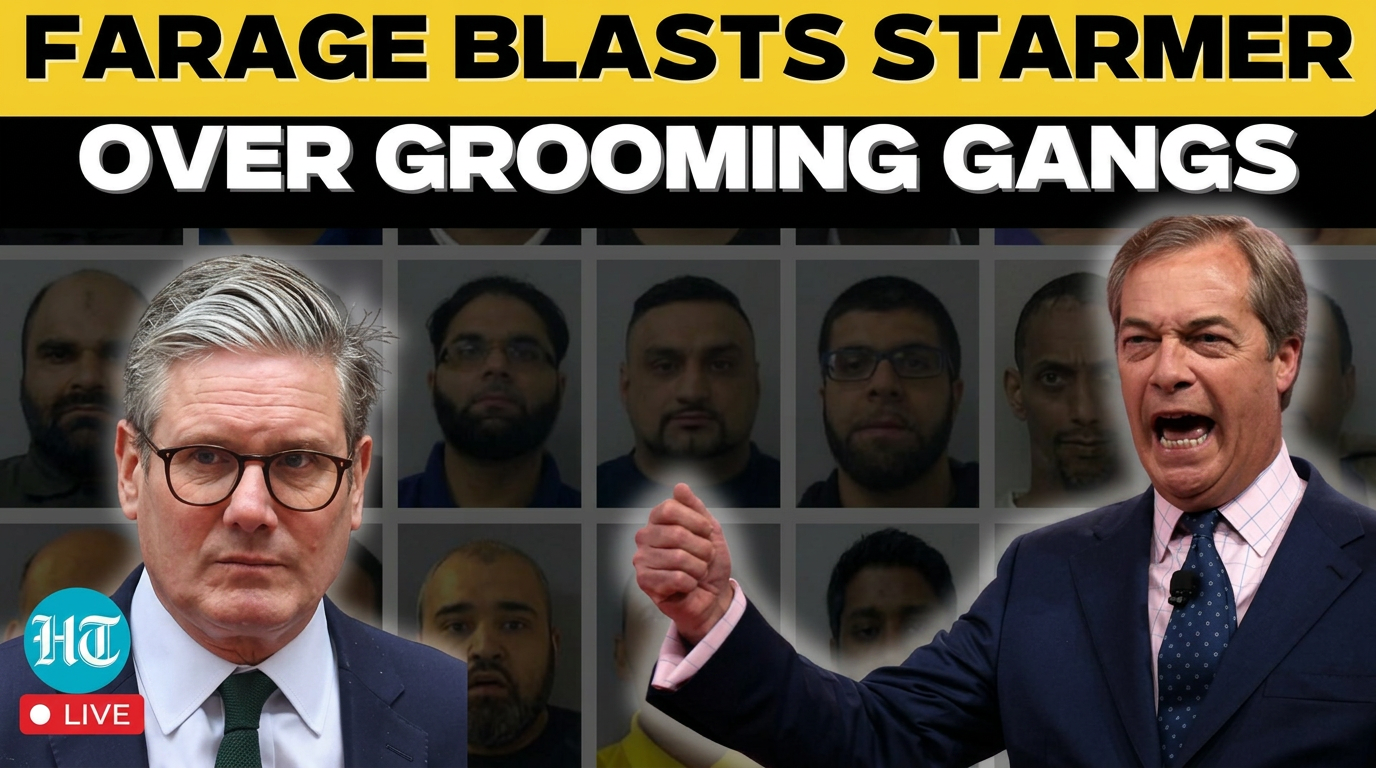
What's not in dispute is the political record since. In January 2025, Labour MPs voted en masse against a Conservative amendment for a national statutory inquiry into grooming gangs. The amendment was defeated 364 to 11. Starmer's frontbench abstained or opposed the measure, dismissing public concern as "far right agitation." It took the Casey National Audit, sustained external pressure and public outrage to force the government to U-turn in June 2025. Even then, the Telegraph reported that plans for five separate local inquiries were quietly dropped, on the basis that going ahead with them risked "offending Pakistanis."
Starmer's Safeguarding Minister Jess Phillips ran a victim panel that survivors publicly resigned from "in disgust." The Prime Minister gave her his "full backing." Ethnicity recording for child sexual exploitation offenders remains patchy under her watch. The Labour Party that's now leading the inquiry is the same party whose members have been convicted of child sex offences, including Lord Nazir Ahmed, the former Rotherham Labour councillor who was elevated to the peerage by Tony Blair and jailed in 2022 for historical child sex offences including the attempted rape of a young girl.
The DPP record is one part of the row about Starmer. The PM record is the other. Neither is going away.
What the UK government did, and didn't
For most of the past 15 years, the answer is not enough, and was only actioned under pressure.
The Jay Report into Rotherham landed in 2014. It found that at least 1,400 children had been sexually exploited in that one town between 1997 and 2013, and that the authorities had known and looked away. The seven year national inquiry by Professor Alexis Jay that followed reported in 2022 and found institutional failures across the country affecting tens of thousands of victims. Its recommendations were not implemented. In January 2025, then Home Secretary Yvette Cooper told the House of Commons that none of the earlier national inquiry's recommendations had been put in place.
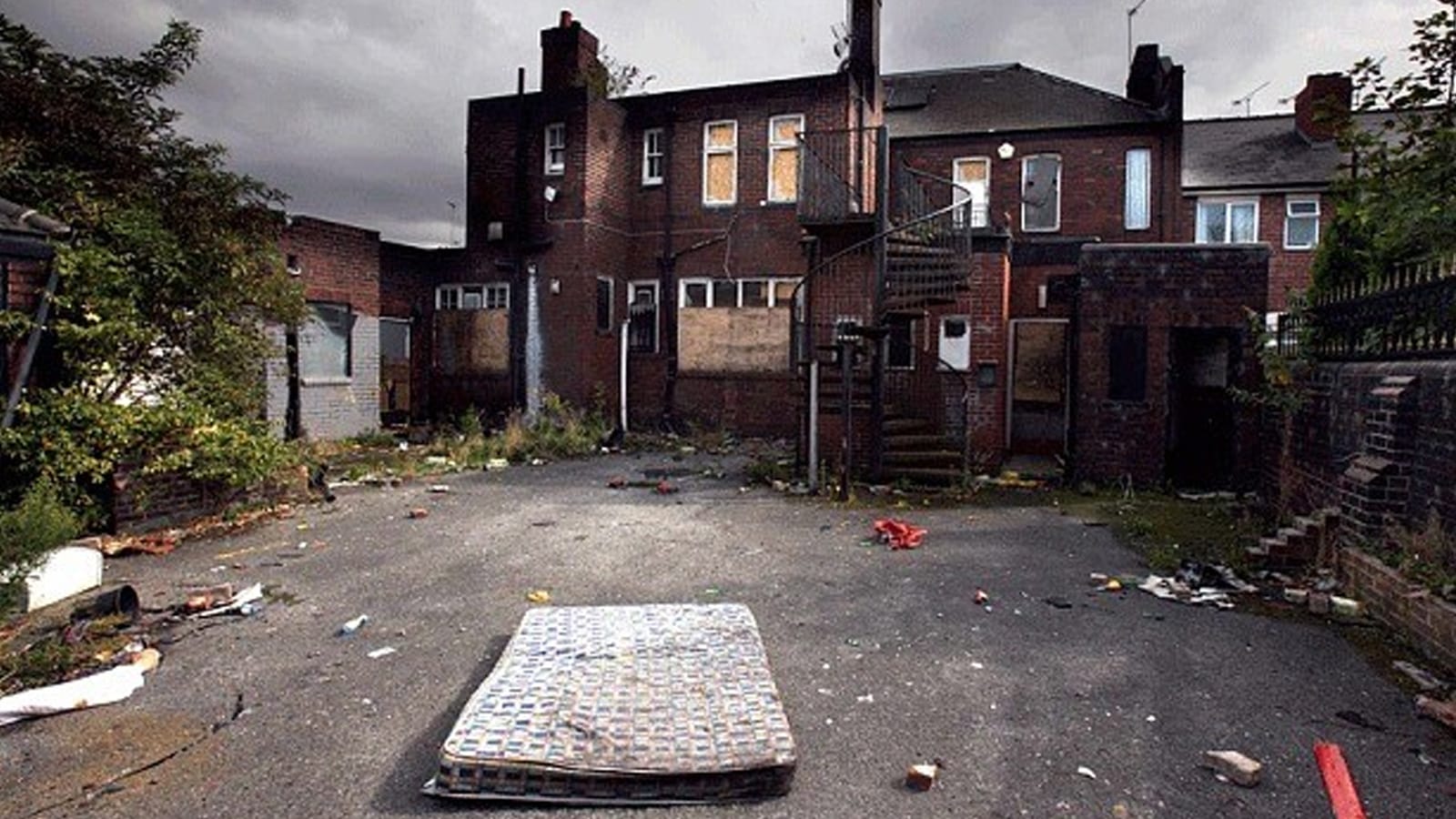
That same month, the government voted down a Conservative amendment for a fresh national statutory inquiry. Starmer argued the existing Jay recommendations were sufficient and accused those pushing for an inquiry of "jumping on a bandwagon of the far right." Instead of an inquiry, the government offered a three month "rapid audit" by Baroness Louise Casey and up to five local inquiries.
Then the audit came back. Baroness Casey reported in June 2025 and recommended exactly what the government had spent months resisting: a full national statutory inquiry and a national police operation. Starmer reversed his position within days, said he had read "every single word," and accepted all of Casey's recommendations. The Conservative leader Kemi Badenoch said he had to be "led by the nose" to get there.
The national inquiry was formally established later in 2025. On 9 December 2025 the Home Secretary Shabana Mahmood published its draft terms of reference, naming Baroness Anne Longfield as chair, with a budget of £65 million and a three year timeline. The National Crime Agency's Operation Beaconport has since flagged more than 1,200 closed cases for potential reinvestigation, over 200 of them high priority rape cases.
Why Lowe did his own report
The official inquiry won't report for up to three years. It was only secured after a decade of survivors, campaigners and a handful of politicians being told there was nothing to see, or being branded far right for asking.
That's the gap Rupert Lowe's inquiry set out to fill. His argument is that survivors have already waited 15 years since Rotherham, that another three year wait is its own kind of failure, and that the state earned no benefit of the doubt after spending those years denying the scale of the problem. So an independent MP, more than 23,000 donors and a panel that included survivors went and did privately, in months, a version of the work the government had every power and every duty to do and wouldn't, until it was forced.
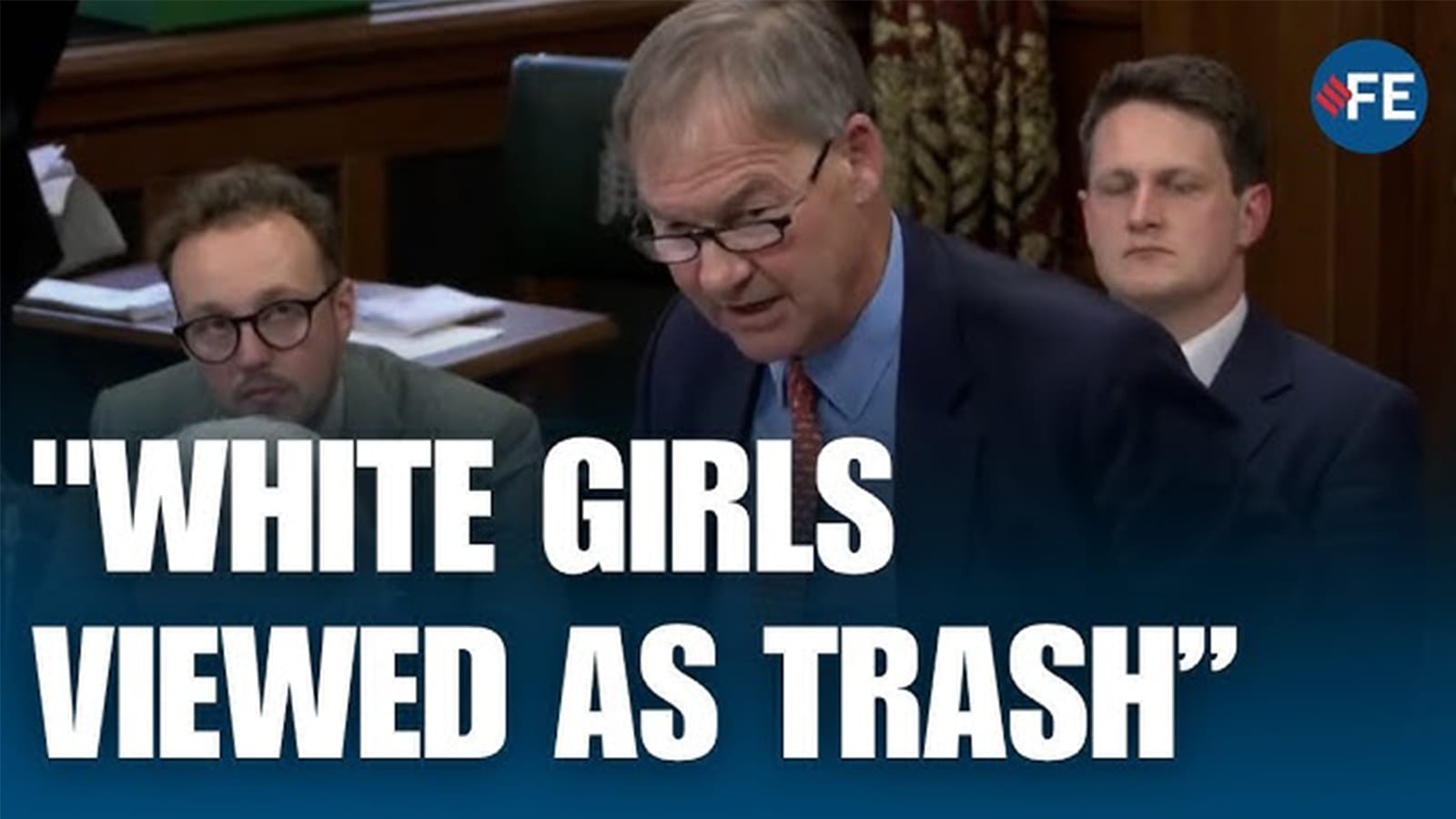
That's the case for the report's existence. It's also the case against the parts of it that overreach. Having waited this long, survivors are owed numbers that hold up. Where the report leans on contested figures, it hands its critics an easy way to dismiss the whole thing, and the documented scandal underneath it deserves better than that.
Why it matters in Australia
What Lowe and his panel did was the job the British state had every duty, every power and every resource to do for decades, and didn't. An independent MP, a crowdfunder, more than 23,000 donors and a panel that included survivors had to do what successive governments wouldn't. That's the disgrace at the centre of all of this. The convictions, the inquiries and the Casey audit carry the substance on their own. Where the report reaches past the official record, this masthead has flagged it. The case doesn't rest on those figures and never did.
The damage done to those girls doesn't unwind. The report records suicide attempts, completed suicides, lost fertility, addiction and lifelong PTSD across the survivor testimony. One mother, Rachel, told the inquiry her 12 year old daughter took her own life after the police, her school and the Crown Prosecution Service failed her. No inquiry, vote or report brings that child back. The political fight over the Lowe report will run its course. The girls still carry what was done to them, and some of them didn't survive it.
One Nation has spent close to 30 years arguing in Australian politics what the Lowe report has spent 219 pages documenting in Britain. The party's case has always been that mass immigration from countries with incompatible legal and cultural frameworks doesn't end well for the children of the receiving country. Pauline Hanson made that case again at the National Press Club in June 2026, arguing that One Nation policy must keep Australia from following Britain's path. Whatever sits on the disputed margins of the Lowe report, One Nation reads its substance as vindication of what Hanson has been arguing since her 1996 maiden speech.
The journalists at Nine, Seven and 180 other Australian newsrooms are part paid by the government. We take none of it. Get our reporting straight to your inbox, free.