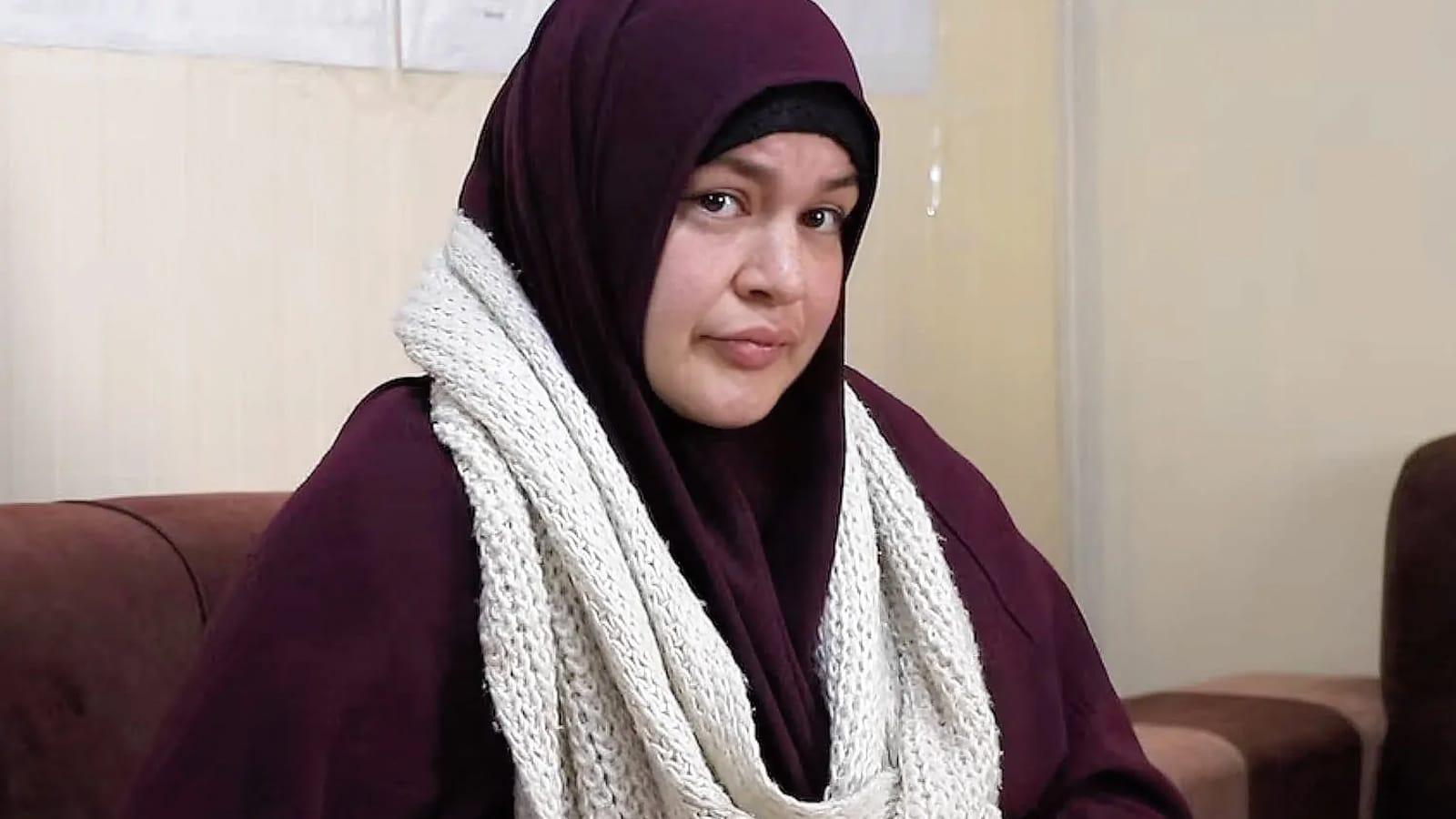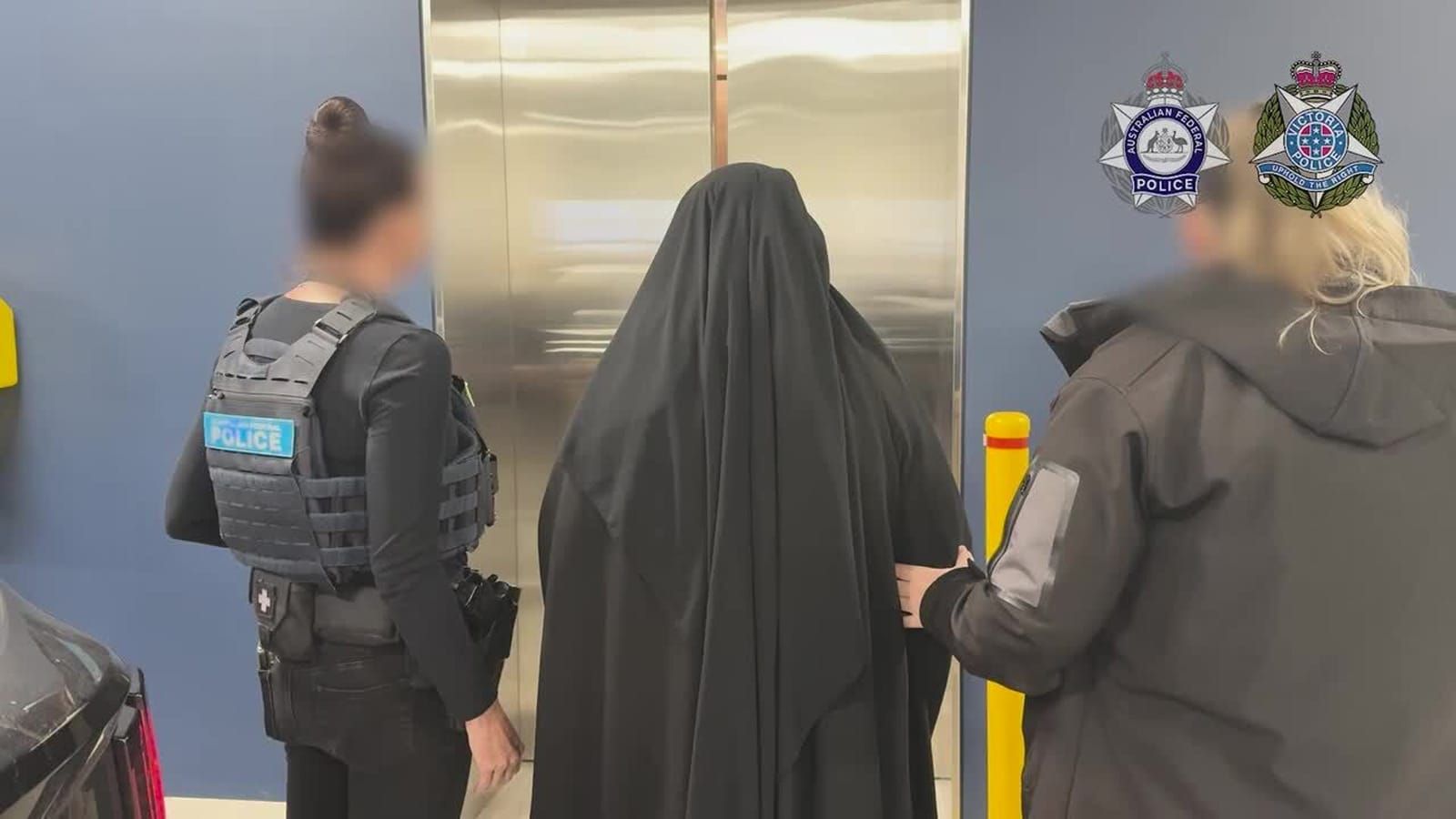
Accused Islamic State bride Rayann El Houli, 34, has walked out of prison on bail, banned from contacting Abdul Nacer Benbrika, the convicted terrorist who led the Melbourne cell that plotted to blow up the MCG during the 2005 AFL Grand Final. Benbrika has served his sentence, and now lives in Melbourne under no conditions at all.
He has never been deported, because he can't be. Liberal and Labor governments both tried to strip his citizenship and both failed in the High Court, which ruled that under the Constitution only judges can punish. Nothing short of a referendum to change the Constitution can alter that, and neither party has been willing to hold one.
Ms El Houli was granted bail on Monday by Brett Sonnet, the magistrate who heard her bail application in the Melbourne Magistrates' Court, and left the Dame Phyllis Frost Centre that night with her family. She's charged with being a member of a terrorist organisation and entering or remaining in a declared area. The charges haven't been tested, and she's presumed innocent.
Mr Sonnet found the case against her was strong, but he granted bail anyway. After a week of deliberations, he ruled that a combination of "exceptional circumstances", including the likely delays before trial, justified her release.
"In my view the application for bail must be granted," Mr Sonnet said.
He accepted a defence submission that the time Ms El Houli would spend on remand waiting for trial could exceed any sentence she'd serve if she were convicted. Both charges she faces carry a maximum of 10 years, so the ruling reflects an expectation that any sentence, if she is convicted, would run well short of that maximum. The Coalition has demanded safety guarantees over the decision.
He also found the risk to the community was "relatively low", pointing to her isolation from radical elements since returning to Australia, and accepted the evidence of clinical psychologist Katie Seidler, who assessed her as low risk. Her four children, a supportive family, her co-operation with police and ongoing medical and psychological care were all treated as protective factors.
Prosecutors strongly opposed bail. They pointed to video evidence the magistrate viewed in chambers, which they argued showed an adherence to radical ideology, and said she posed an unacceptable risk to community safety. Her barrister, Peter Morrissey SC, said his client's focus had shifted entirely to her duties as a mother since returning to Australia.
What prosecutors say the videos show
The court heard last week that Ms El Houli allegedly filmed herself questioning her firstborn about Islamic State militants in May 2015, urging the child to say that disbelievers end up "in the hellfire". Further recordings allegedly show her children watching Islamic State propaganda, and her eldest child playing with a toy rifle while she coached the toddler to hold it like a "fighter".
Prosecutors also argued she could have been coerced into filming the material. We covered the evidence aired at the earlier hearing here.

| Date | Rayann El Houli Timeline |
|---|---|
| 2014 | Leaves Australia for Syria with her then husband Allak Hamad and two children, prosecutors say. She's 21 or 22. |
| May 2015 | A recording is allegedly made in which she questions her firstborn about Islamic State militants. |
| March 2016 | Further videos allegedly show her children, then aged 2 years 9 months and 1 year 9 months, watching Islamic State material. |
| 2019 | Detained with her children by Kurdish forces at the al-Hawl camp in northern Syria. |
| June 2025 | The family is smuggled out of the camp and into Lebanon. |
| Late September 2025 | Returns to Australia. |
| 28 May 2026 | Arrested and charged, after eight months living in the community. |
| Monday, 20 July 2026 | Granted bail. Leaves the Dame Phyllis Frost Centre that night. |
Compiled from evidence and submissions put to the Melbourne Magistrates' Court. The allegations are untested.
The eight conditions El Houli must now live under
Mr Sonnet released her on eight conditions. They amount to living with her mother in Melbourne's west, staying inside Victoria, keeping away from two named men, and giving police notice before she takes a job.
Bail conditions imposed by Magistrate Brett Sonnet on Monday, 20 July 2026.
| Condition | What it means |
|---|---|
| $50,000 guarantee | Lodged by a family member to secure her release. |
| No contact | Barred from communicating with Nacer Benbrika or his son Ibrahim. |
| No travel | Cannot leave Victoria. All travel documents surrendered. |
| Places of worship | Must stay 100m away from any place of worship, except one pre-approved mosque. |
| Witnesses | No contact with prosecution witnesses. |
| Propaganda | Barred from accessing any extremist material. |
| Employment | Cannot take a job without giving police notice of her duties and workplace. |
| Residence | Lives with her mother in Melbourne's western suburbs. |
El Houli is banned from contacting MCG plotter Nacer Benbrika
The condition that stands out is the contact ban. Police had earlier said they'd seek to stop her contacting "two individuals" of concern: convicted terrorist Abdul Nacer Benbrika, and his son Ibrahim, who is currently before the courts on assault and robbery offences.
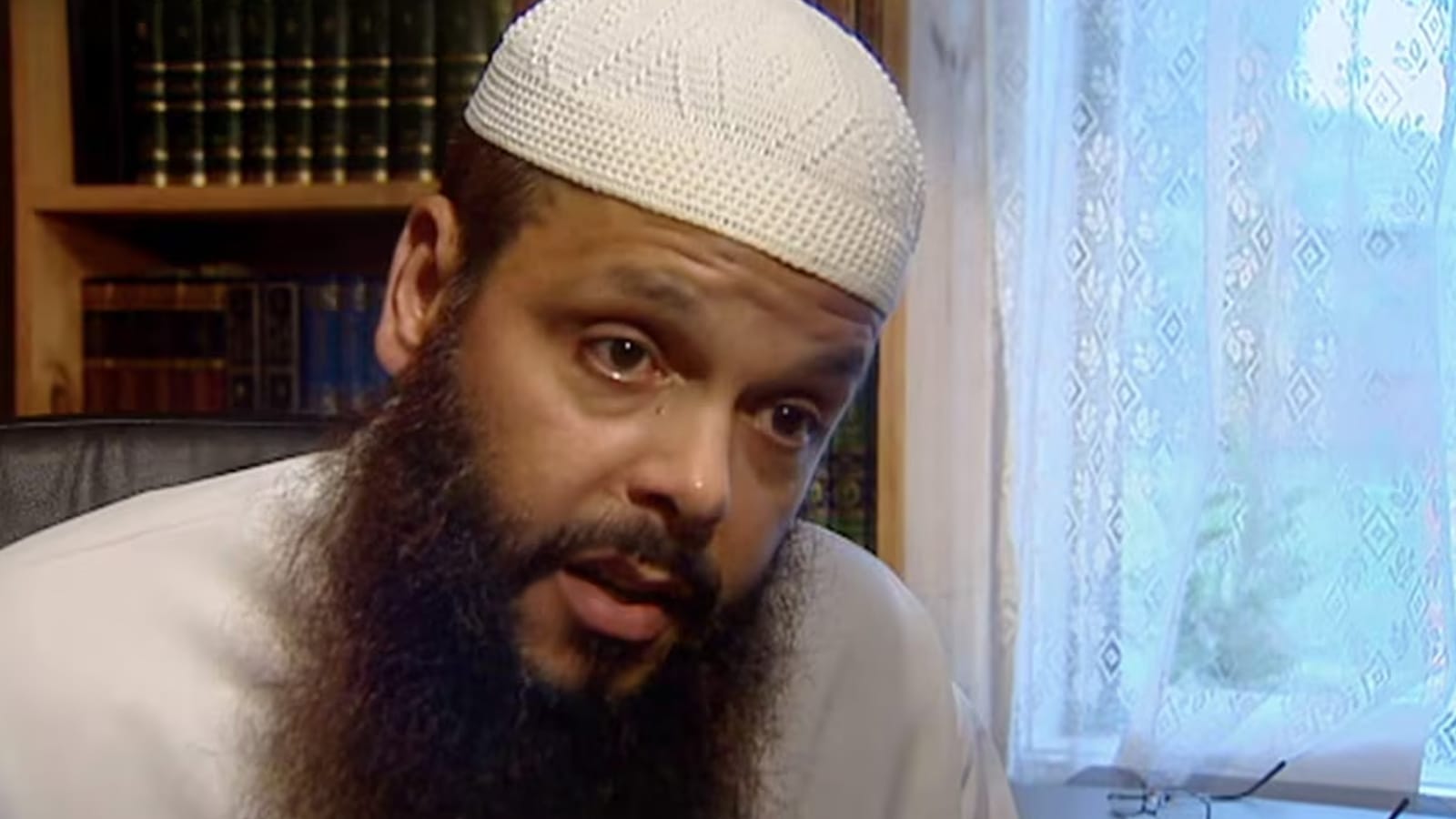
The extent of any relationship between Ms El Houli and the Benbrika family was not aired in court. The condition restricts her conduct. It isn't a finding by the court about anyone else.
Benbrika was convicted in 2008 of intentionally leading a terrorist organisation, and sentenced in February 2009 to 15 years, with a 12 year non-parole period.
| Date | Nacer Benbrika Timeline |
|---|---|
| 1989 | Migrates to Australia from Algeria. Later becomes an Australian citizen. |
| November 2005 | Arrested in counter-terrorism raids in Melbourne and Sydney. |
| September 2008 | Convicted of intentionally leading a terrorist organisation. |
| 3 February 2009 | Sentenced to 15 years, with a 12 year non-parole period. |
| 5 November 2020 | Sentence expires. Held on a continuing detention order. |
| 2020 | Home Affairs Minister Peter Dutton strips his citizenship, the first onshore use of the power. The aim is deportation to Algeria. |
| 1 November 2023 | The High Court rules 6 to 1 that the citizenship stripping law is invalid. His citizenship is restored. |
| 19 December 2023 | Released on an extended supervision order, with monitoring and deradicalisation conditions. |
| November 2025 | The supervision order expires. He is subject to no formal conditions. |
Public record. Benbrika has not been charged with any new offence.
Why Benbrika can't be deported, and why nobody is supervising him
Benbrika was born in Algeria and came to Australia in 1989, but he's an Australian citizen, and Australia can't deport its own citizens. The government tried the one mechanism that would have changed that, and it had names attached. The stripping power was built by the Abbott government in 2015 and rebuilt by the Morrison government in 2020 as a power the Home Affairs Minister could use personally. That minister, Peter Dutton, stripped Benbrika's citizenship in 2020, the first time it was done to anyone onshore, with the aim of deporting him to Algeria.
On 1 November 2023 the High Court ruled 6 to 1 that the law allowing it was invalid, and his citizenship was restored. Stripping citizenship is punishment, the court found, and under the Constitution only judges can punish, so no minister of any government can do what Dutton did. He was released the following month on an extended supervision order carrying electronic monitoring and deradicalisation requirements. That order expired in November 2025. He's been subject to no formal conditions since. Labor's replacement law, passed in December 2023, gives the stripping power to judges at sentencing. It hasn't been applied to Benbrika, and his citizenship stands.
That matters for the government's position. When Home Affairs Minister Tony Burke says the powers to manage this cohort have been pushed to "the edges" of what's legally possible, Benbrika's case is the clearest example of a court telling Canberra where the edge sits. The High Court hasn't ruled on temporary exclusion orders, but it has struck down citizenship stripping, and it did so in Benbrika's own case.
| Labor & Liberal Parties | What they did | Why it failed |
|---|---|---|
| The High Court's job, first | The High Court doesn't write laws and doesn't take sides. Its job is to uphold the Constitution, the rule book that sits above every parliament. The rule that decided this case is simple: only judges can punish people. Never politicians. | It can't be overruled by any government, Liberal or Labor. The only thing that beats the Constitution is changing the Constitution, and that takes a referendum. |
| Coalition, Abbott, 2015 | Wrote the first citizenship stripping law during the ISIS panic. Legal experts warned it let a politician hand out punishment, which the Constitution forbids. | They knew the risk and gambled the High Court would let it stand. It didn't. Struck down in 2022. |
| Coalition, Morrison, 2020 | Rewrote the law so the Home Affairs Minister could strip citizenship personally. Peter Dutton used it on Benbrika and promised to deport him to Algeria. | Same gamble, same result. Struck down 6 to 1 in 2023, in Benbrika's own case. His citizenship came back and the deportation died with it. |
| Labor, in opposition | Voted for both Coalition laws as they passed. | Co-owns the failure. Neither party fixed the known flaw before using the law on a real case. |
| Labor, in government, 2023 | Did try to keep him stripped: Labor's government fought the case in the High Court and lost in November 2023. It then passed its own version of the law, where the sentencing judge strips citizenship instead of a minister. | The court fight was unwinnable because Dutton's decision was invalid from day one. Labor's own law is valid, but it only works at sentencing. Benbrika was sentenced in 2009, so it can never reach him. |
| Labor, November 2025 | Benbrika's supervision order, the last restraint on him, expired and was not replaced. | Whether the government even applied to extend it has not been made public. This is the one failure the Constitution didn't force on anyone. |
| Why no referendum | Changing the Constitution needs a yes vote nationally, plus a yes in at least 4 of the 6 states. Only 8 of 45 referendums in Australia's history have ever passed. | Neither party has put citizenship stripping to the people. Governments don't run referendums they might lose, so the rule stays as it is. |
The full ledger: the rule book, the two governments that gambled against it, and the one failure nobody forced.
Kawsar Abbas walked first, and Peter Morrissey represented them both
Monday's decision is the second successful bail application by an accused Islamic State bride, following the release of Kawsar Abbas, who faces crimes against humanity offences. Both women were represented by Mr Morrissey, who argued in each case that release wouldn't pose a risk to the community.
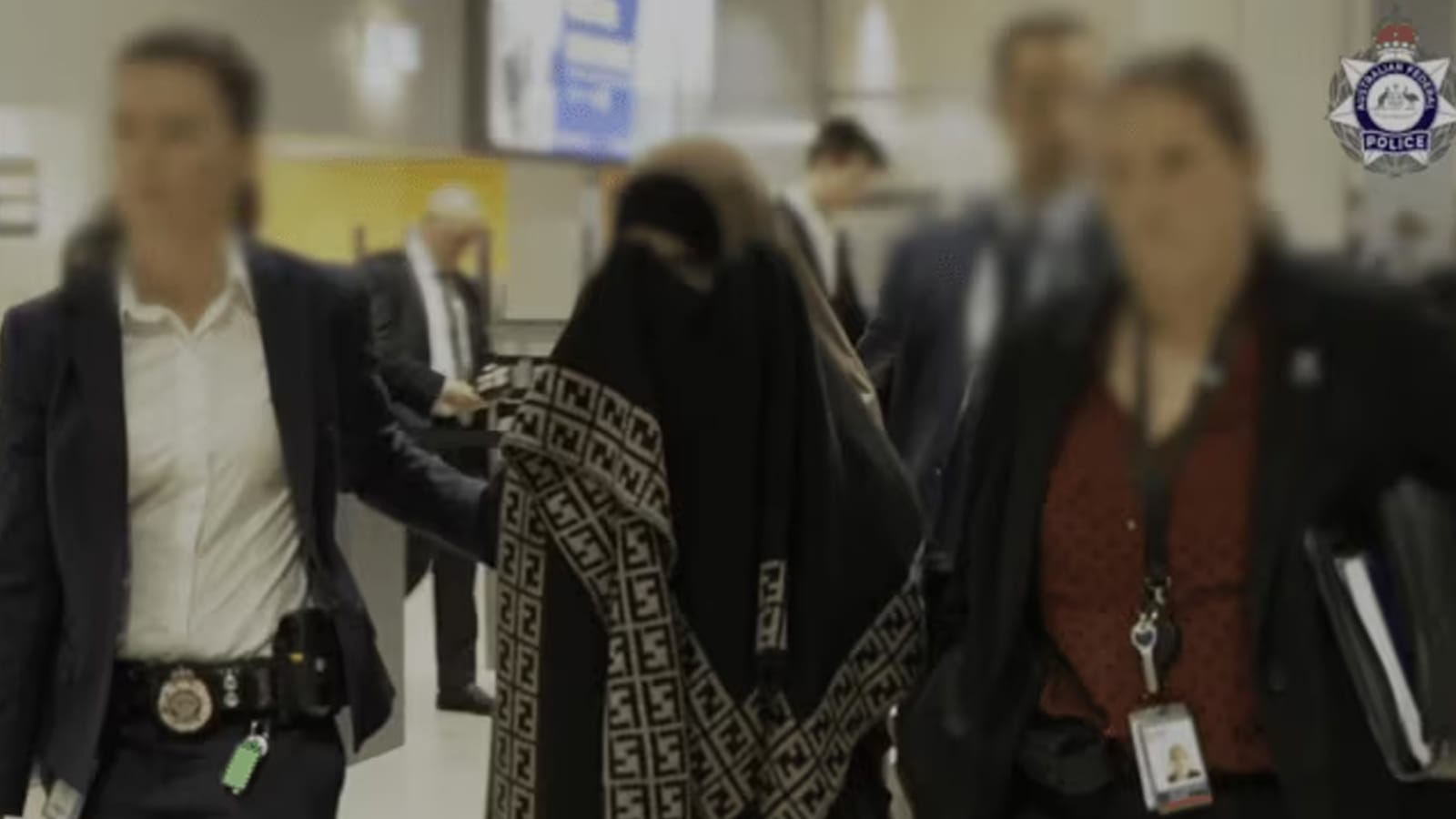
Zeinab Ahmad stayed behind bars the same night
Not every application has succeeded. The family of Zeinab Ahmad, described as the last remaining woman imprisoned in Melbourne who married an Islamic State fighter, were also at the Ravenhall facility on Monday night. Her bail application was refused, and she remains in custody.
The cohort keeps growing. One News has reported that 13 Australian men held in Iraqi prisons, suspected of fighting for Islamic State, could soon be released and free to return home.
Rayann El Houli is now living with her mother in Melbourne's western suburbs, on bail, awaiting trial.