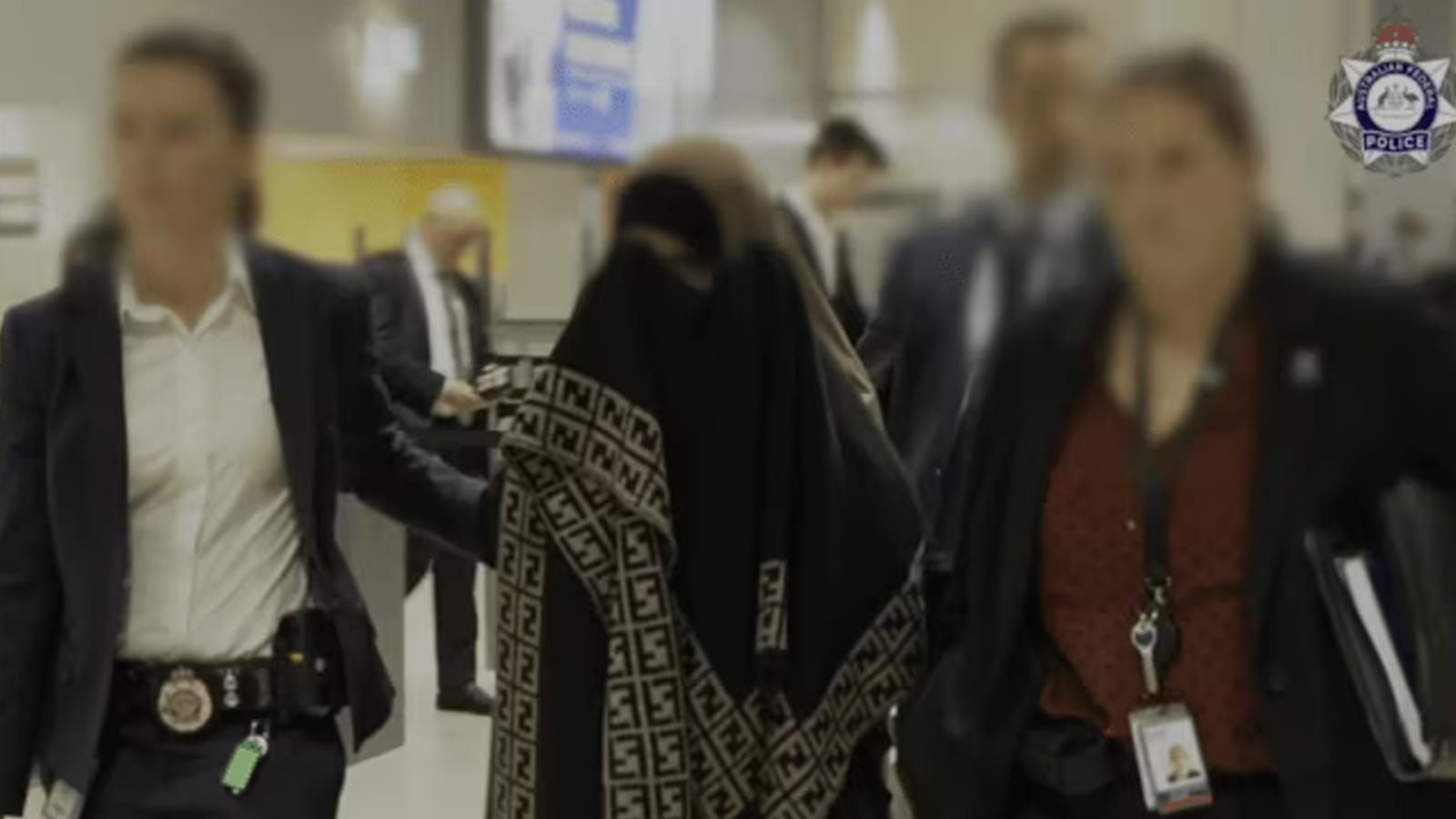
An accused ISIS slave owner has walked free on bail. Kawsar Abbas, 54, was granted bail by the Melbourne Magistrates' Court on Friday, despite facing Australia's first crime against humanity charge and despite her alleged Yazidi victim telling police she was terrified at the prospect.
Abbas is one of two women at the centre of the case. She and her daughter are accused of buying and using a Yazidi teenager as a slave while the family lived under Islamic State rule in Syria. The decision to bail her, set out in the written reasons of Chief Magistrate Lisa Hannan, follows the bail hearing we reported earlier this week.
Bail granted despite Australia's most serious charges
Abbas faces four charges, each carrying a maximum penalty of 25 years in prison. The first, enslavement, is a crime against humanity and the first charge of its kind brought in Australia. The other three are slavery offences: possessing a slave, using a slave, and engaging in slave trading.
Police allege the family bought the Yazidi woman, who can't be named for legal reasons, for US$10,000 around Ramadan in 2017, while living in Islamic State held Syria. Abbas has no prior convictions, and the case is yet to be tested. She will now be released on strict conditions.
Why the law never forced her to clear the toughest bail test
Here's the part that won't sit right with most people. Abbas was never charged with a terrorism offence at all. Her charges are enslavement and slavery.
That matters, because the tough bail test, the one that makes an accused prove "exceptional circumstances" before release, is built around terrorism. It applies automatically to terrorism charges, and it can apply where a court is satisfied someone supported a specific "terrorist act", meaning violence to intimidate the public or coerce a government. It does not automatically apply to crimes against humanity, and it is not triggered just because someone was a member of, married into, or aligned with a terror group.
The prosecution tried to bring Abbas under the test anyway, arguing enslavement amounts to a terrorist act and that her old social media posts showed support for terrorism. As legal experts have noted, these are uncharted offences. Hannan rejected both arguments. She said more than alignment with Islamic State is required, and noted that no terrorism charges had been laid. Had they been, she said, the tough test would simply have applied. She also found a charge on its own does not trigger it.
The result: a woman facing Australia's first crime against humanity charge, accused of being an Islamic State member and the wife of an IS fighter, never had to clear the bar set for terrorism suspects, because the law was never written to catch the charges she faces.
Labor's own Attorney-General signed off on the charges, and hasn't closed the gap
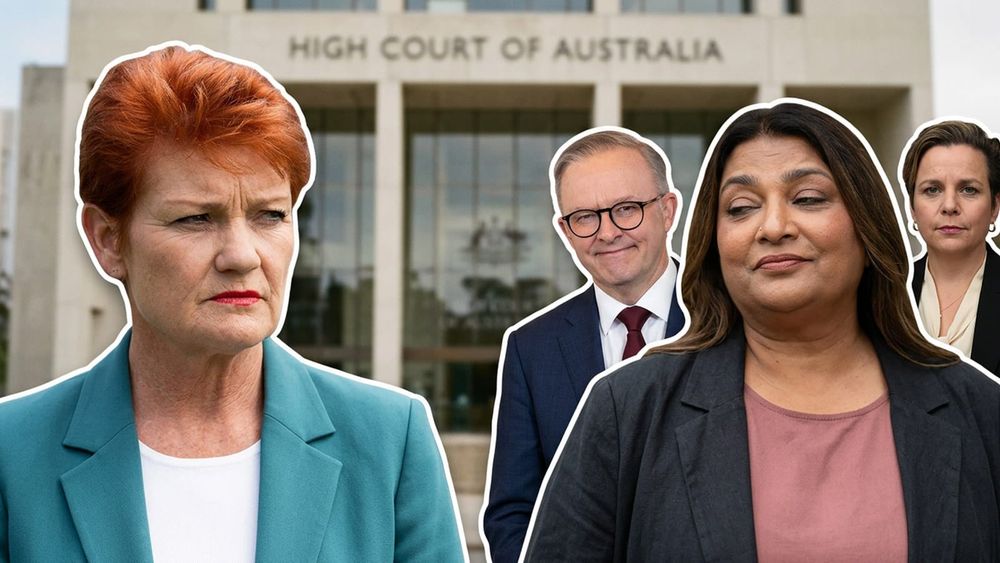
This is a federal problem with a federal owner. The exceptional circumstances bail test sits in the Commonwealth Crimes Act, and the minister responsible is the Attorney-General, Michelle Rowland, in Anthony Albanese's Labor government.
Rowland is no bystander to this case. A crime against humanity charge cannot even be laid in Australia without the Attorney-General's personal written consent, and The Nightly reported Rowland took about three weeks to approve the charges against the ISIS brides. Labor's own first law officer personally authorised the prosecution that has now exposed the gap.
The charges have existed since 2002. Labor has governed since 2022, with returning Islamic State families a known and constant problem the entire time. Yet the bail laws were never updated so the country's gravest charges trigger its toughest bail test. A single amendment to the Crimes Act would do it. Labor has not moved to make it.
Now the gap is not theoretical. Chief Magistrate Hannan has set it out in a published decision. The government can read, in black and white, that a woman it chose to charge with a crime against humanity was never required to clear the bar built for the worst offenders. The question is no longer whether anyone saw it coming. It is whether Labor fixes it.
The risk was terrorism, and a psychologist said it was low
The risk the court weighed was not that Abbas would commit further offences of the kind alleged. Both sides agreed the question was a terrorism risk.
"In my view even a low risk of terrorism would likely be unacceptable," Hannan said.
But she accepted the evidence of forensic psychologist Dr Michael Davis, who assessed Abbas over more than five hours and found "no blatant indication" she held "any lingering beliefs of extremism". Davis put the reoffending rate for extremist offenders at roughly 2%, meaning about 98% never reoffend, and called a return to extremism "vanishingly rare". He also agreed Abbas had been radicalised during her years in Syria, but said the warning signs present then were no longer there.
On that evidence, Hannan found the risk "so low that with stringent bail conditions it can be made acceptable".
Strict conditions: a curfew, a mosque ban and a visitor log
Abbas will live with her mother. She faces an 8pm to 6am curfew, a ban on attending any mosque, and a restriction allowing her to use her phone only for calls, texts and government services. She must keep a log of every person who visits her home and surrender her passport and travel documents to police. Her brother put up a $75,000 surety. As she left court, police formed a line to push back the waiting media while her family covered her face with jackets.
What the alleged victim told police
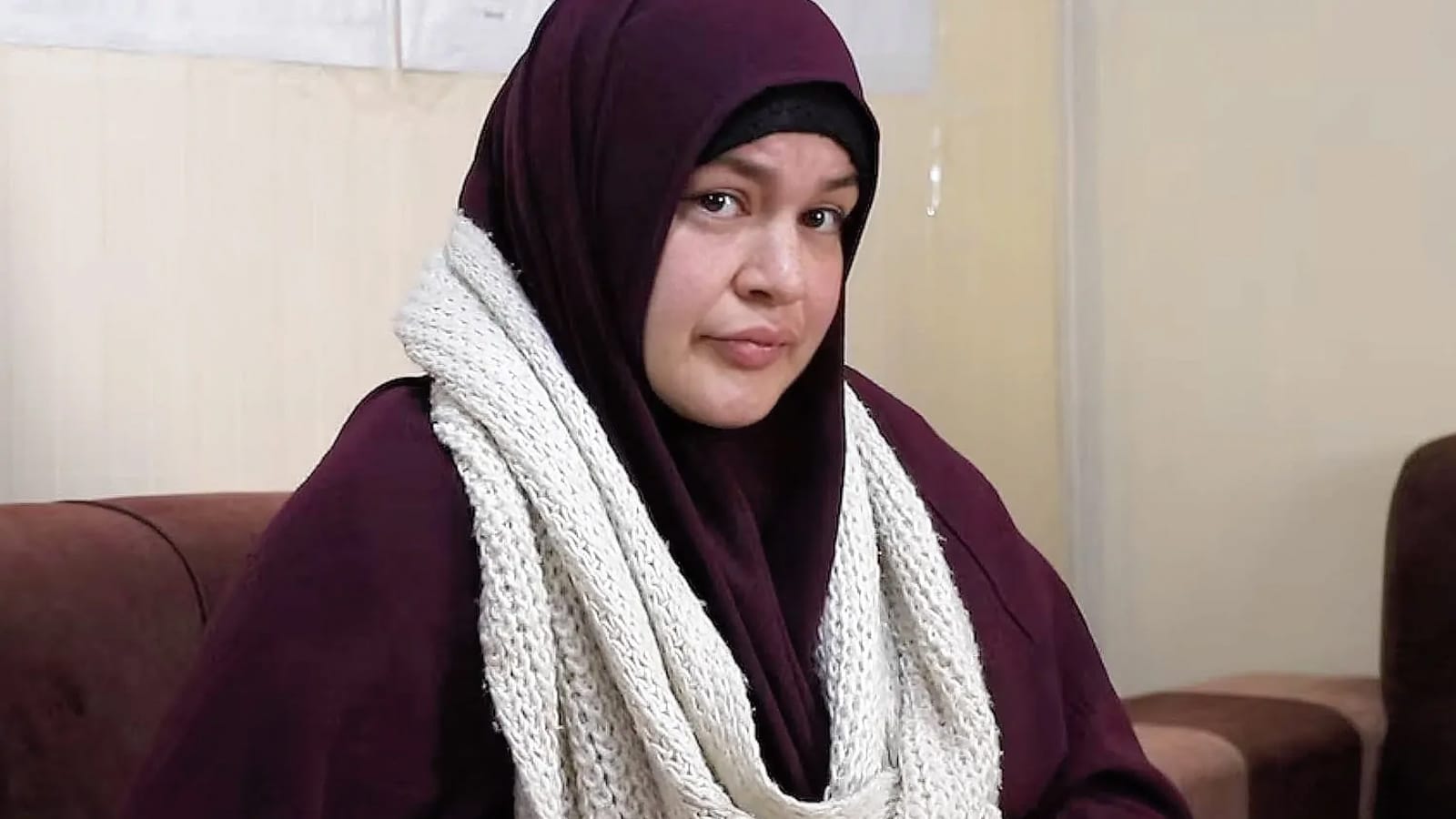
The complainant, a Yazidi woman who can't be named, told police she was taken captive by Islamic State in August 2014, aged 15, after her mother and brother were executed and her sister was also sold. She said she was traded among about 17 IS members over almost five years before the family bought her for US$10,000 around Ramadan in 2017.
She said Abbas's husband, Mohammed Ahmad, told her he had bought her "for the purpose of raping and at the same time serving the home", with Abbas standing next to him. She described doing the household's cleaning, not being free to leave, and being assaulted by Mohammed, including being dragged down two flights of stairs by her hair. Hannan declined to detail one allegation of rape in her reasons, and we have followed suit.
What the case alleges about Abbas herself
The complainant said it was Abbas who conditioned the household. She said Abbas would not let her practise her own religion and taught her to read the Quran, and once told her,
"I want you to be taught to use weapons according to the Daesh beliefs, whatever they do we have to do the same".
She said Abbas was a member of Islamic State who taught religious knowledge to foreign women, and that Abbas threatened her with beatings or with being sold.
Under cross examination, the AFP informant agreed the only evidence that Abbas taught religion or handled weapons came from the complainant. He also agreed Abbas did not promote violent Jihad in her social media posts, and that there was no evidence she had tried to persuade anyone to join violent Jihad.
Her alleged victim "would lose confidence in the legal system"
The court heard the complainant had expressed "extreme fear" at the prospect of Abbas being bailed, said she would "lose confidence in the legal system", and would not feel comfortable coming to Australia. The officer said Yazidi community members in Australia had voiced similar fear. Hannan noted the complainant and another witness are currently overseas, and said she had weighted that evidence accordingly.
Divorce and a "small peaceful life"
Through her barrister, Peter Morrissey SC, Abbas renounced Islamic State and said she wanted her children and grandchildren "to live in peace". The court was told she has started divorce proceedings against Mohammed Ahmad, who she last saw in 2019 and who is believed to be held in a prison in Iraq. Davis said Abbas now holds a more moderate view of Islam, and described her grandchildren as her "reason for being".
Her daughter remains behind bars
Abbas's daughter, Zeinab Ahmad, 31, was refused bail by the same magistrate a week earlier, after the court found no compelling evidence she had renounced Islamic State and that she posed an unacceptable terrorism risk. Abbas was arrested at Melbourne airport on 7 May 2026 after returning to Australia from a Kurdish camp in Syria.
The law that let her walk, and Labor won't fix it
Here is what it adds up to. Abbas has walked free on bail before the charges against her have even been tested, with a committal still to come in late July. She managed it because the law never forced a woman accused of Australia's gravest crime to clear its toughest bail test. The magistrate could only apply the law as it stands. The blame sits with the people who wrote it and the government that has left it alone. Labor can close this gap with a single amendment to the Crimes Act, and it has chosen not to.