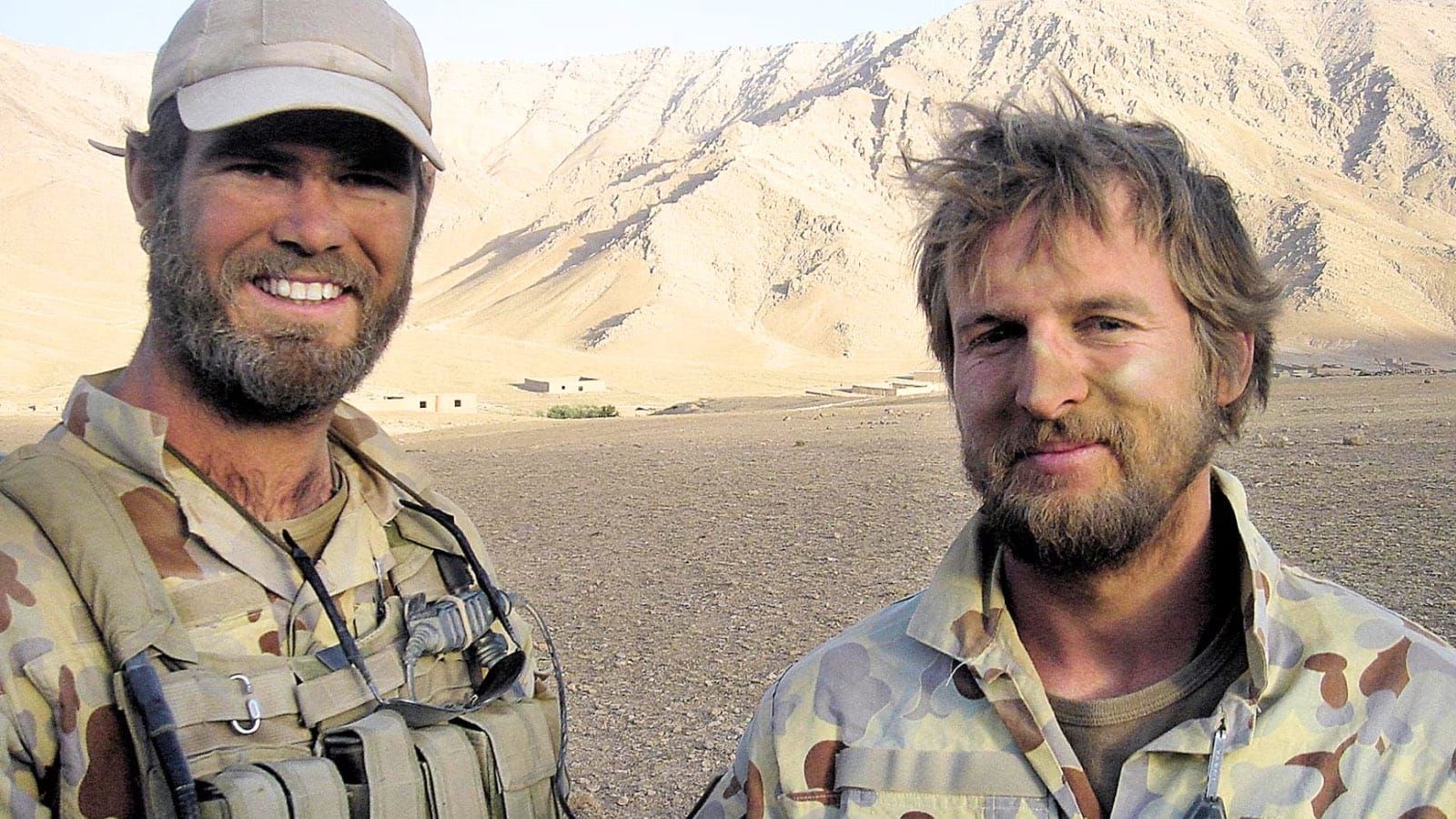
The ABC's Australian Story pushed for private details of Victoria Cross recipient Cameron Baird's marriage to an older woman, his best friend says, and when the family's answer stayed no, warned that viewers might otherwise assume the soldier was gay. Baird was not gay. He had been married to a woman, and when he was killed he had a girlfriend, who appears in the program the ABC went on to make.
That is what makes the tactic he describes so hollow. If the broadcaster genuinely feared what an audience might assume, a single line about his partner would have settled it. It did not need the marriage the family had asked it to leave alone, and the warning came barely a year after Baird was buried.
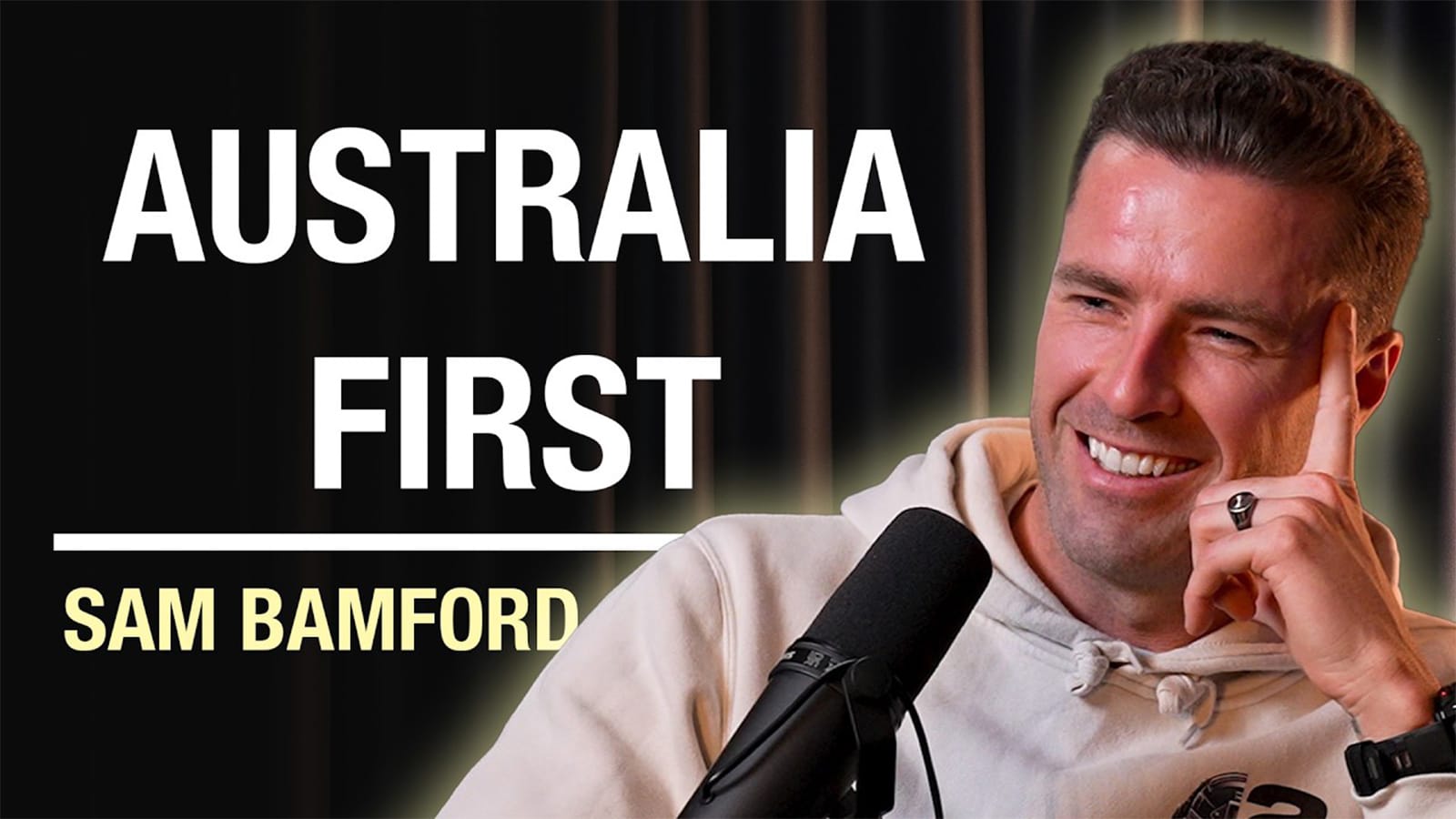
The claim comes from Eddie Robertson, Baird's best friend and a fellow commando, speaking on the 2 Worlds Collide podcast, hosted by former army paratrooper Sam Bamford, in an episode published on 10 July.
Robertson says the reasoning was the ugly part. The family's one condition left the program little to say about Baird's private life beyond the bare fact that he had been married, and he says Australian Story argued that silence would speak for itself.
That is the case Robertson says was put to him while the program was being made, and it is a disgraceful one. What went to air was something else again, and the Bairds were in it.
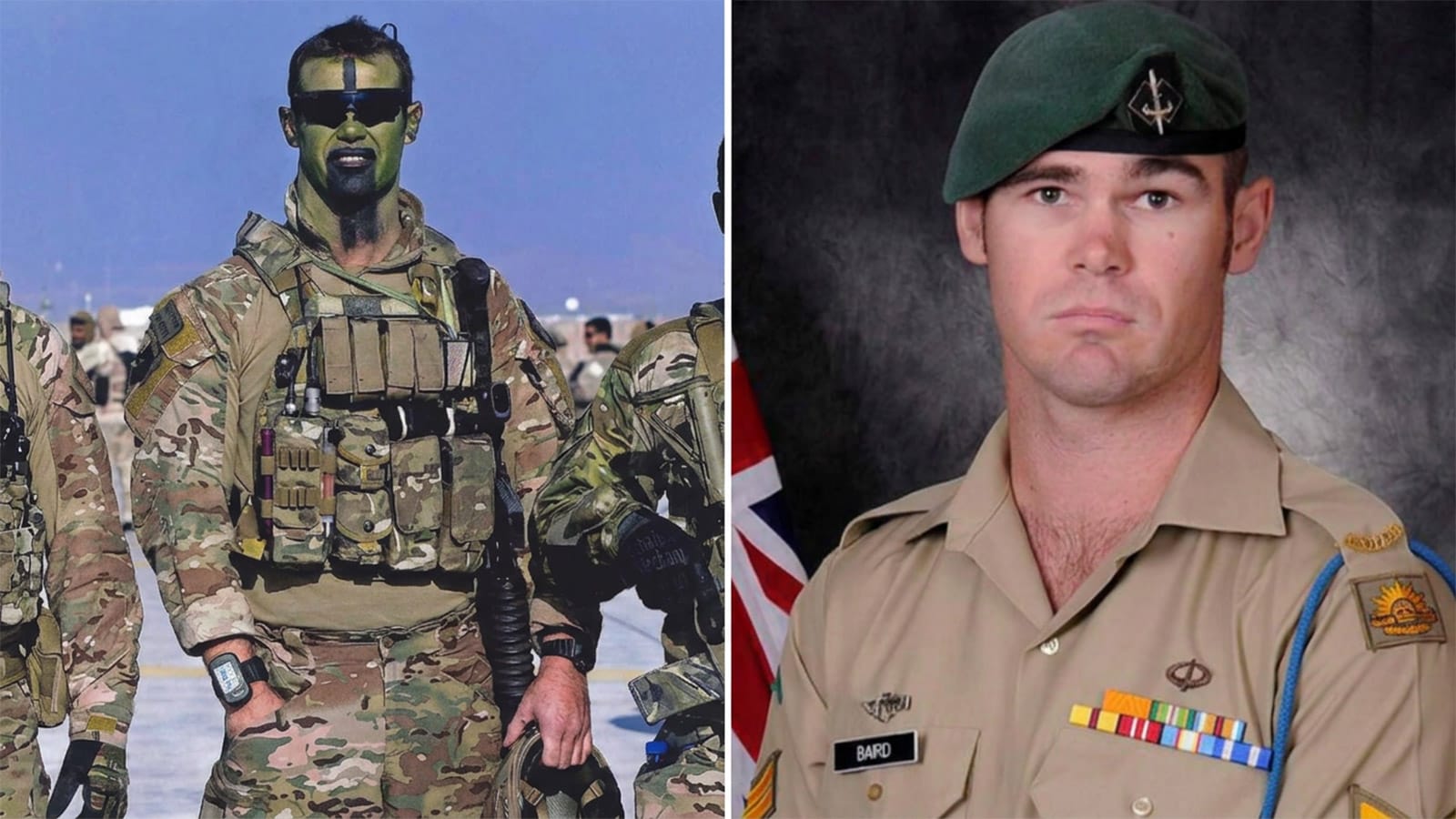
Eddie Robertson gave up his protected identity for the ABC, and says producers repaid it by chasing his mate's marriage
Robertson wasn't a public figure before The Last Commando. Special forces operators carry protected identity status, which keeps their names and faces out of the public domain for their own security. He says he surrendered his to give the program credibility.
"Part of doing that was I gave up my protected identity status, you know, because my name, my face, were out there, but I wanted to give it authenticity," he told Bamford. "There was one caveat: that they weren't to go into Cam's personal life."
Baird had been married, and Robertson says the marriage had broken down not long before he was killed. He says that when he was approached, the family's position was that it stay off the screen, out of respect for his former wife as much as for Baird.
"The family said, 'Look, out of respect for her, but also because it's his personal life, we really don't want to go into it.' They could mention that he was married, but just leave it at that."
Robertson is careful about where he puts the blame. He declined to name the Australian Story producer he dealt with, and went out of his way to defend her. "I'm not going to say her name because she actually was quite a nice lady, the producer," he said. "But it was her bosses."
He says that because he sat just outside the family, he became the soft target for the requests that kept coming.
"These ABC parasites, man, they just kept picking and picking," he said, "and because I was, I guess, kind of the easy person to go to, like I'm not family, but I'm linked to the family, the producer kept contacting me saying, 'Oh, you know, look, we really need to cover a little bit about his marriage and his personal life and his girlfriend'."
His answer, he says, didn't change. "I said, 'Look, it's a no go. I'm not going to go to the family and ask because it's a clear line in the sand'."

The line Robertson says finished it came by email, from above the producer
Robertson's account is that the answer came back from higher up the program, and that it made an argument he found both crude and homophobic. He attributes it to the person he describes as "the head honcho for Australian Story".
"If we don't report anything about Cameron Baird's personal life, the public might come to the assumption that he was gay."
He says it reached him in writing. He was working in the crane industry at the time, and was up a tower crane on a Sydney building site when the email arrived. He says he put out his cigarette, told his boss he had to go down, and climbed off the crane to make the call.
"I'm like, 'How dare you people? What's wrong with you?'"
"Like, this guy, it's just been a year since his death. The family have basically opened up their personal family albums and stories about him to share this story with the Australian people about this man. And you're more concerned about this smutty kind of angle."
Robertson's own view of the point being argued was blunt. "And, look, he wasn't gay, but if he was gay, who gives a f..k? He was an outstanding soldier and Australian." He described the approach as "insidious".
What Australian Story went on to broadcast, and why it doesn't excuse the argument
The finished program went further than the bare mention Robertson says he was held to, and Baird's family chose to be part of that.
In part two, Robertson keeps to the limited version, saying only that Baird had been in a long-term relationship and was married. Baird's father and brother then speak about the marriage and its end themselves, in their own words. His girlfriend at the time of his death also took part.
It matters for one reason. It shows Robertson was not the route that material arrived by, and that he held the line he says he was given. What a family decides to share about their own son, and when they decide it, is theirs alone. Doug and Kaye Baird buried their boy and then opened their photo albums to a television program, and they owe nobody an explanation for anything they chose to say.
His complaint was never that the marriage was covered. It is the argument he says was used to get there.
The ABC, asked about the program by The Australian's Media Diary, said it interviewed Baird's "family, friends and fellow soldiers with the utmost care and respect", and that his "parents were pleased" with what went to air. That statement speaks to the finished program. It does not address the email Robertson describes.
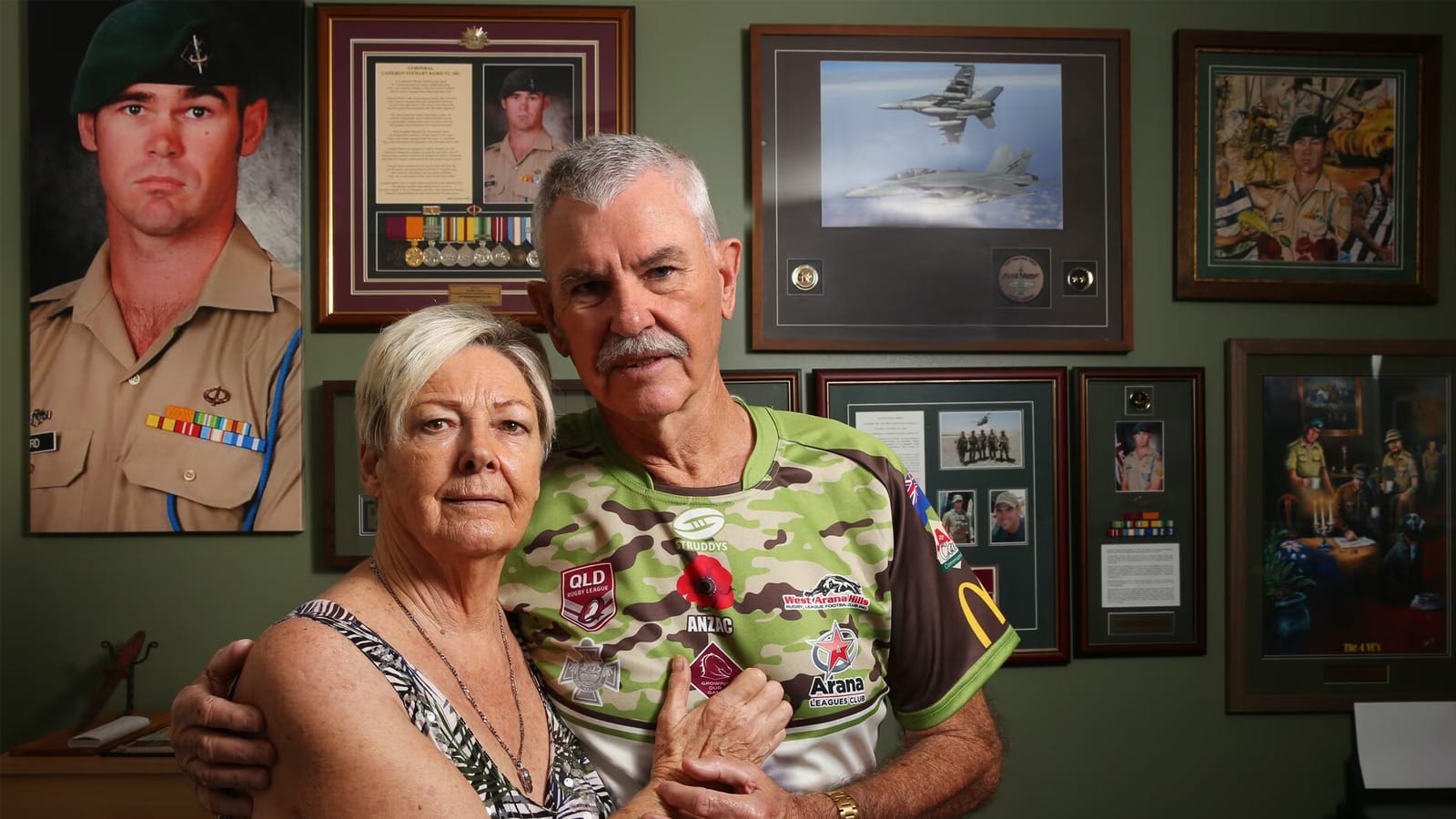
Cameron Baird was the 100th Australian awarded a Victoria Cross, and the first commando to receive one
The soldier at the centre of it isn't a minor figure in Australian military history. Baird enlisted in January 2000 and served with the 2nd Commando Regiment, deploying to Timor-Leste, Iraq and Afghanistan.
He was killed by small arms fire at Ghawchak village in the Khod Valley, Uruzgan province, on 22 June 2013, aged 32, leading an assault on an enemy held building. The Victoria Cross for Australia was announced on 13 February 2014, citing "the most conspicuous acts of valour, extreme devotion to duty and ultimate self-sacrifice".
It was the first posthumous Victoria Cross for Australia, the first awarded to a member of an Australian commando unit, and the 100th Victoria Cross awarded to an Australian. He had already received the Medal for Gallantry for the night of 22 November 2007, when he recovered the body of Private Luke Worsley under machine gun fire during an assault on a Taliban position.
Prime Minister Tony Abbott announced the award in Parliament on 13 February 2014, and governor general Quentin Bryce presented the Victoria Cross to Baird's parents at the investiture five days later. Four months after that, Bryce introduced the ABC's two part tribute to him. Part one went to air on 9 June 2014 and part two a week later.
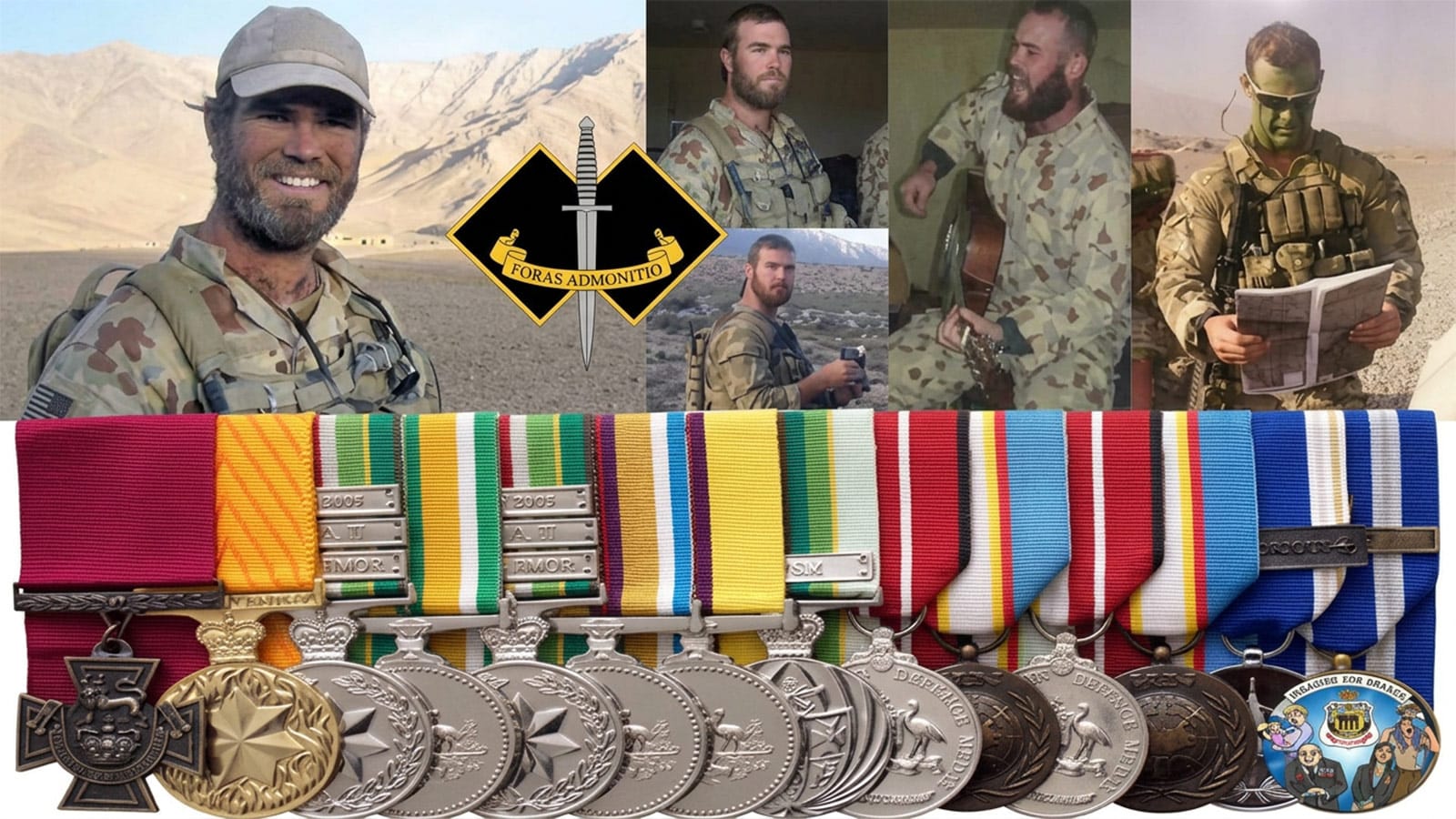
Robertson raised Heston Russell's win over the ABC in the same breath
Robertson didn't arrive at the Baird story cold. He got there through Heston Russell, the former commando who sued the ABC and won.
In Russell v Australian Broadcasting Corporation (No 3), Justice Michael Lee found the ABC had defamed Russell by conveying that he was the subject of an active criminal investigation and reasonably suspected of crimes committed as a commando in Afghanistan. The ABC ran a public interest defence, the first real test of the defence introduced in 2021, and it failed. Russell was awarded $390,000. The judgment records that the ABC had abandoned its truth defence before trial.
That case is why Robertson raises the ABC and veterans in the same breath. His point is what suing costs the veteran who does it. Years of litigation can drive a person "to a point of a breakdown", he told Bamford, while the broadcaster's lawyers go "into every single aspect of your personal life to try and discredit you". Russell, he said, "was staunch. And he took them on, and he won".
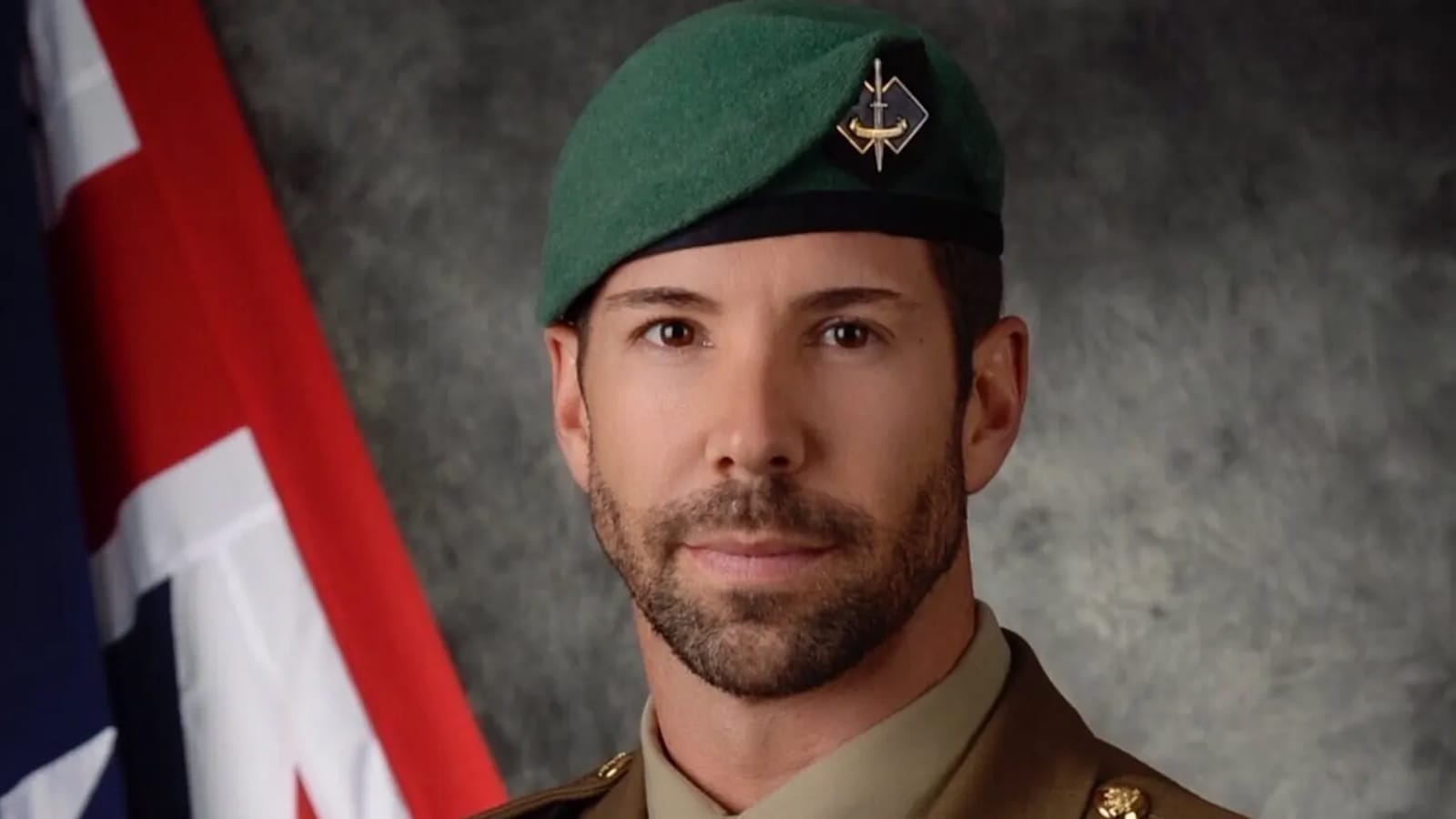
It is not just the ABC: the government squeezed the same family this year
The broader accusation on the podcast belongs to Bamford, who calls the ABC an "Australia-hating organisation" and says "they hate veterans the most". That is his opinion. What readers can weigh it against is the story above: Robertson's account of a grieving family leaned on over a dead soldier's marriage, and a commando the broadcaster defamed and had to pay $390,000.
What is beyond opinion is how veterans fare with the institutions that are supposed to look after them. The Royal Commission into Defence and Veteran Suicide reported on 9 September 2024, having examined roughly 1,600 known suicides of serving and ex-serving personnel between 1997 and 2020, and made 122 recommendations. The government's response on 2 December 2024 agreed or agreed in principle to 104 of them and noted the rest for further work. Agreed in principle is the formula that lets a recommendation sit for years without anyone having to say no to it.
The Bairds know how that feels from the other direction. The Department of Veterans' Affairs had been reimbursing Doug and Kaye Baird roughly $2,800 a year in airfares and car hire, the cost of getting to the schools and RSL clubs where they have spent more than a decade telling their son's story. This year they were told it would stop.
It took a public backlash to undo it. Once the cut became known, and after the Tasmanian premier called for it to be reversed, Veterans' Affairs Minister Matt Keogh confirmed the family's arrangement would be grandfathered and announced an independent review of the travel entitlements attached to the Victoria Cross. The Bairds keep their travel.
So the parents of the last Australian killed in Afghanistan spent part of this year arguing to keep $2,800 a year for the privilege of telling schoolchildren what their son did. That is the standard of care on offer, and it is the same family at the centre of everything above.
Sam Bamford named Andrew Hastie as the one man who still has time for the ABC
Robertson's summary of what he took from the experience was one line. "I don't have any time for the ABC."
Bamford's response was to name the exception. "No one does, except Andrew Hastie," he said. "He's got a lot of time for them." Robertson's assessment of the member for Canning was two words: "He's a wanker."
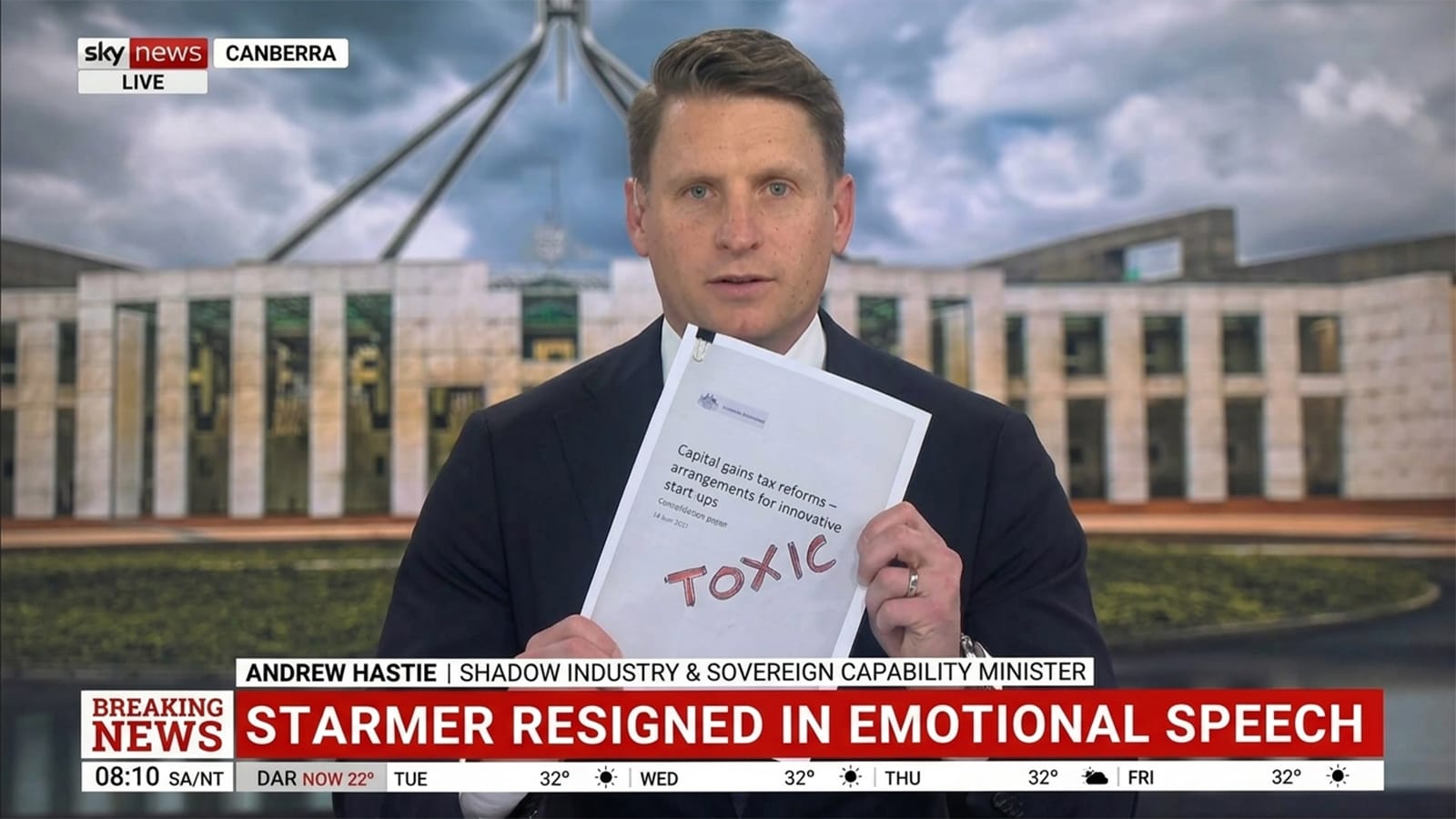
The observation about airtime isn't baseless. Hastie's own website carries the transcripts, including his appearances on Insiders with David Speers and, as recently as 29 June, ABC Afternoon Briefing with Patricia Karvelas. For a Liberal frontbencher and former SAS troop commander, the broadcaster two commandos describe as hostile to veterans has stayed a reliable booking.
The complaint arrives while the ABC's editorial judgment is already being questioned
Robertson's account also lands at a point where the national broadcaster is fielding criticism from several directions over what it chooses to emphasise. One News reported this month on the ABC's decision to file forced child marriage under climate change, a framing the Australian Federal Police data doesn't support. We also covered how an 89 minute Senate exchange was cut down to the handful of seconds that suited the story being told.
Twelve years on, both parts of The Last Commando remain on the ABC's site, Bryce's introduction included. What Robertson says went on behind them has never been put to the broadcaster's audience.