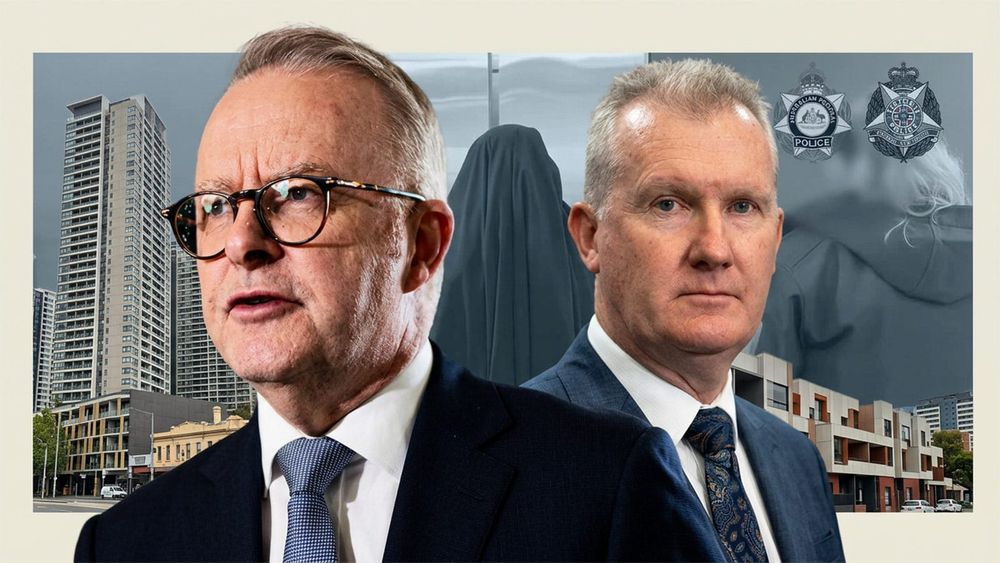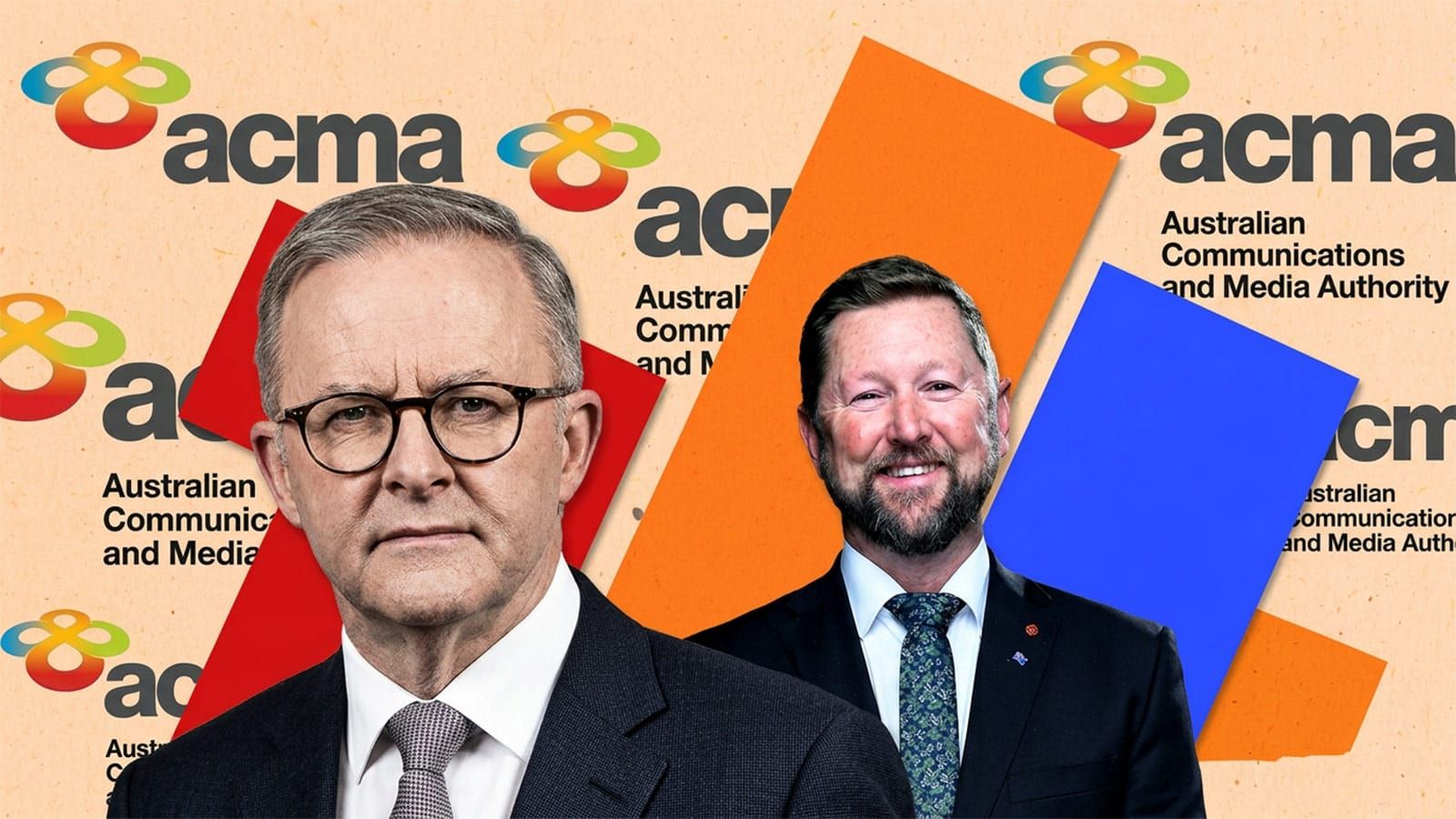
Anthony Albanese's Labor Party has released a draft National Platform committing the party to consider new powers for the media regulator ACMA to act against bias across all media, and One Nation senator Tyron Whitten is warning the two line clause opens the door to government interference in what Australians can read, watch and say.
On its plain wording, the clause would put newspapers, news websites and independent publishers under a government appointed regulator for the first time, with licensed broadcasters like News24 Australia and talkback radio first in line for bias rulings that can mean fines or licence conditions. It revives the push that died with Labor's misinformation bill in 2024, this time written into the party's own platform.
The 2026 Draft National Platform, released for consultation ahead of Labor's 50th National Conference, runs to 125 pages. The clause sits on page 77, under the heading Healthy public debate.
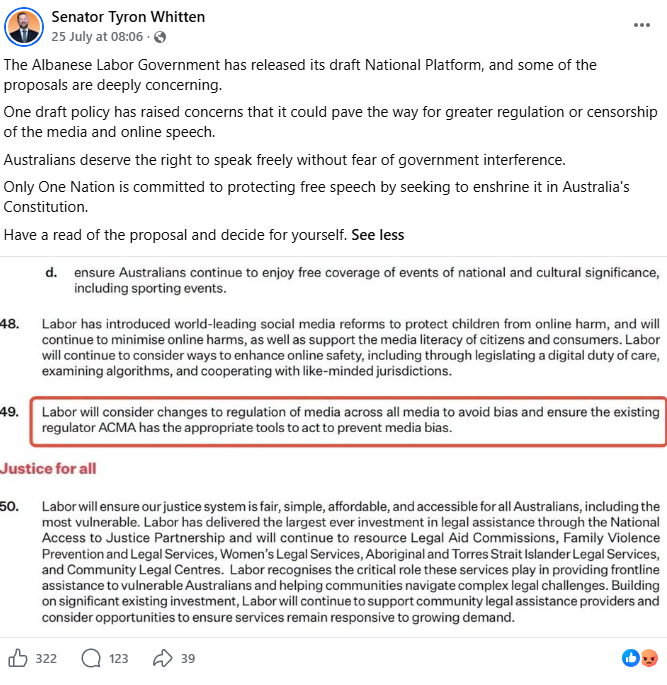
"Labor will consider changes to regulation of media across all media to avoid bias and ensure the existing regulator ACMA has the appropriate tools to act to prevent media bias."
That is clause 49 in full. It is not a bill and not yet policy. A National Platform is the document that sets the party's official positions, debated and voted on by delegates at its national conference, and it sets the direction Labor governments are expected to take.
You can read the full 125 page document for yourself: the draft platform is published as a PDF on Labor's national conference website. As Whitten put it, read the proposal and decide for yourself.
Five words that reach further than television: "across all media"
ACMA, the Australian Communications and Media Authority, is the federal agency that regulates television, radio and telecommunications. It licenses broadcasters, enforces broadcast codes of practice and can fine stations or pull licences.
What ACMA does not currently regulate is the news itself beyond broadcast. Newspapers and news websites answer to the industry funded Australian Press Council, not to a government agency. The clause's wording, "across all media", on its plain reading would extend the regulator's reach into print, online news and independent publishers for the first time.
The clause also leaves the central question unanswered: who decides what counts as bias. ACMA's board is appointed by the federal government of the day.
Labor already tried to expand ACMA's powers once. The Senate killed it
In September 2024 the Albanese government introduced its Communications Legislation Amendment (Combatting Misinformation and Disinformation) Bill, which would have handed ACMA new powers over content on digital platforms. Legal academics warned the bill could jeopardise free speech online, and the opposition and crossbench, One Nation among them, lined up against it. In November 2024 then communications minister Michelle Rowland confirmed the bill would not proceed after it became clear it lacked the numbers in the Senate.
Clause 49 shows the ambition did not die with the bill. It has moved into the party's foundational document, stripped of the word misinformation and reframed as bias. The word itself didn't disappear: the platform's foreign policy chapter lists "disinformation and misinformation" alongside cyber attacks and foreign interference as threats "placing greater pressure on societies like Australia". The agenda wasn't dropped. It was re-housed.
Britain built this machine. It was used on GB News within two years
Australians wondering what a bias regulator looks like in practice can watch one at work in Britain. Ofcom, the UK regulator, enforces "due impartiality" rules on broadcasters, the closest existing model to what clause 49 describes.
Ofcom used those powers to pursue GB News, the country's leading right leaning channel, through a string of breach findings and investigations, ruling that programs fronted by Conservative politicians broke impartiality rules and fining the channel £100,000 over a live audience event with then prime minister Rishi Sunak. It took a judicial review to stop it: in 2025 the High Court quashed two of the rulings and Ofcom withdrew the rest, wiping them from the channel's compliance record and rewriting its own guidance.
If ACMA gets equivalent tools here, the first outlets in the queue are the ones already holding ACMA regulated licences: News24 and talkback radio. A bias finding against a licensed broadcaster isn't a press release, it can mean fines or licence conditions.
Tyron Whitten: "Australians deserve the right to speak freely"
Senator Tyron Whitten, One Nation's senator for Western Australia, published the clause on his Facebook page with a red box around it.
"The Albanese Labor Government has released its draft National Platform, and some of the proposals are deeply concerning. Australians deserve the right to speak freely without fear of government interference."
Whitten said the draft policy "could pave the way for greater regulation or censorship of the media and online speech" and pointed to One Nation's policy of enshrining free speech protections in the Constitution. He urged Australians to read the proposal and "decide for yourself".
What the platform promises on either side of clause 49
The surrounding clauses show where Labor is heading on media. Clause 47 commits to keeping the ABC and SBS in public hands with continued funding. Clause 48 points to the government's "world-leading social media reforms to protect children from online harm" and commits Labor to keep going: legislating a digital duty of care, "examining algorithms" and cooperating with other governments on online regulation.
Taken together, the section commits a re elected Labor government to publicly funded broadcasters, deeper platform regulation and a regulator equipped to act on bias in privately owned media. As One News has reported, the government already part pays journalists in 184 newsrooms through a federal journalism assistance fund.
The ABC's bias is off the table. Everyone else's is up for regulation
The same page that proposes bias tools for private media locks in protection for the public broadcasters. Clause 47 keeps the ABC and SBS in public hands, with continued funding and the ban on ABC advertising untouched.
Complaints about ABC bias are handled in the first instance by the ABC's own ombudsman, an office the broadcaster funds and houses. Nothing in clause 49 changes that arrangement. On the platform's wording, a taxpayer funded broadcaster keeps marking its own homework while a government appointed regulator gets new tools to rule on bias in privately owned newsrooms.
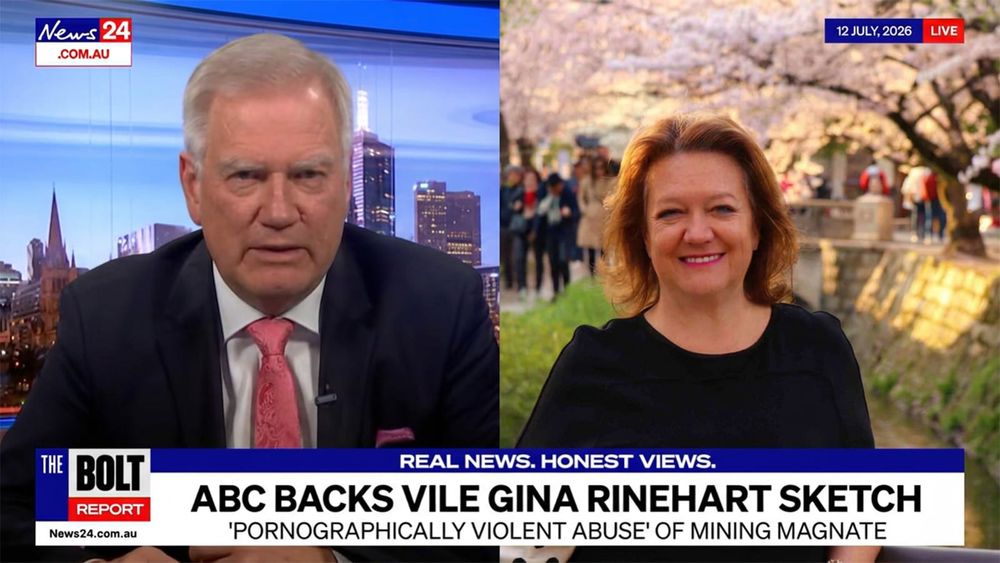
Australians don't have to imagine what that looks like. The ABC receives about $1.2 billion a year from taxpayers, and as One News has reported, it put some of that money into a film taking aim at Gina Rinehart, the country's most prominent mining figure. Under Labor's draft platform, no regulator would test that production for bias. A private outlet covering the same ground would answer to ACMA.
The draft does affirm free speech, one page before clause 49. Clause 43 grants it only "in a manner that respects the individual and collective rights enjoyed by other Australians". And the commitment in the 2023 platform, still Labor's current one, to "foster appropriate privacy, defamation and press freedom laws" has no equivalent in the new draft's media section. In its place stands clause 49. The same chapter also commits Labor to truth in political advertising laws: government machinery deciding truth in ads, three clauses before a government appointed regulator decides bias in news.
A government picked umpire ruling on bias at election time
ACMA's members are appointed by the federal government of the day. Clause 49 would have that body deciding what counts as bias "across all media", including in the middle of an election campaign, when coverage of the government is at its most consequential. A newsroom facing a possible bias ruling doesn't need to be found in breach to change its behaviour. The prospect is enough.
The draft remains open for consultation before delegates debate and vote on it at the national conference, where One Nation's rise has already been front of mind for the Prime Minister. Labor's last attempt to expand ACMA's powers was abandoned in November 2024, two months after it was introduced. Clause 49 puts the idea back on the table, this time in the party's own platform.