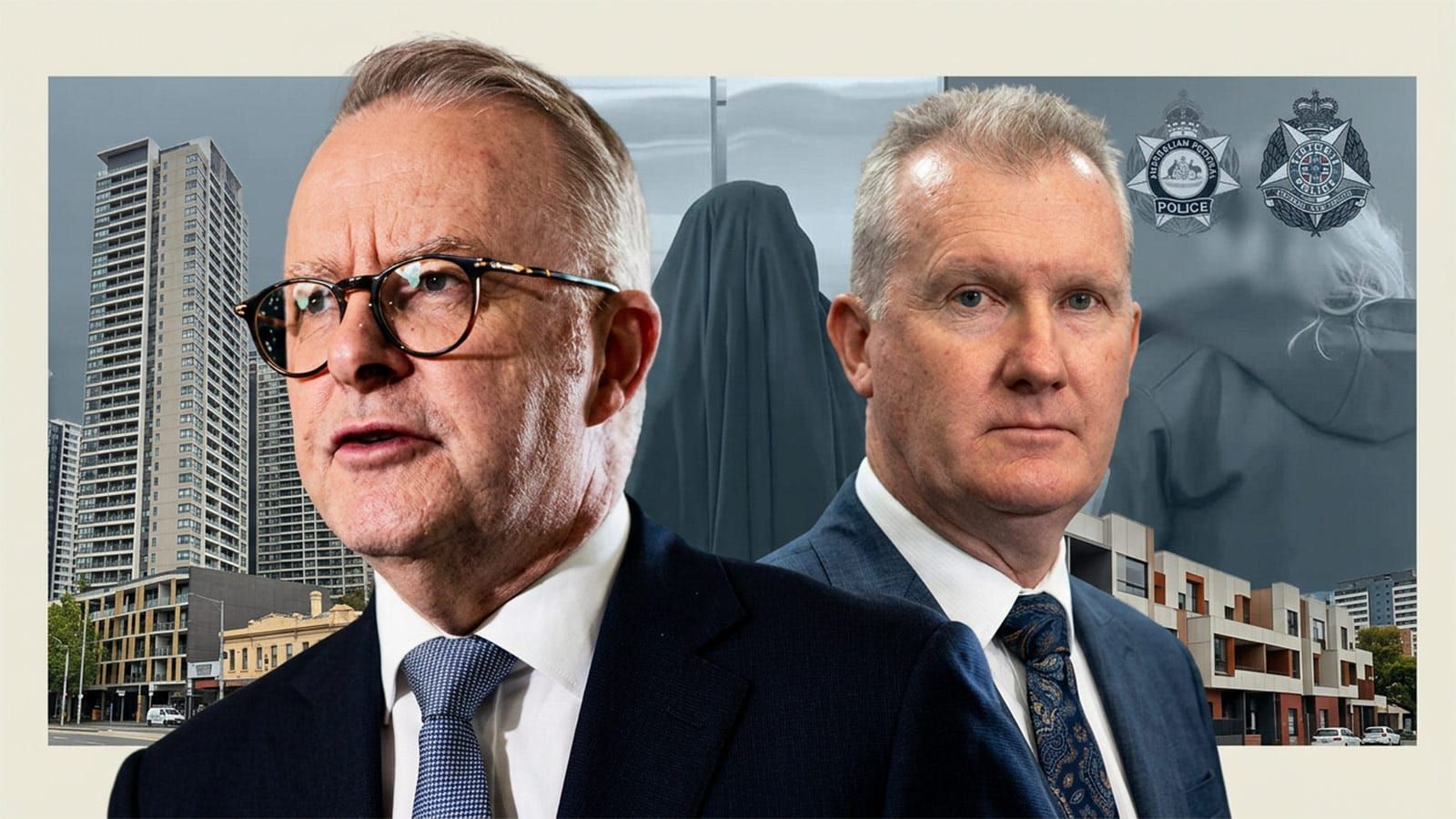
The Albanese government won't rule out providing taxpayer funded housing to returned ISIS brides, months after it insisted no assistance would be given to the women or their children.
Home Affairs, the department run by Minister Tony Burke, was asked repeatedly by News24 whether any of the women had already received housing help, or would in future. It declined to say, and referred the questions to state and territory authorities, who said they weren't in a position to comment.
Labor has spent months insisting no assistance was being provided, while arguing the women's return couldn't legally be stopped. Prime Minister Anthony Albanese was later forced to concede the government had given the women passports in February.
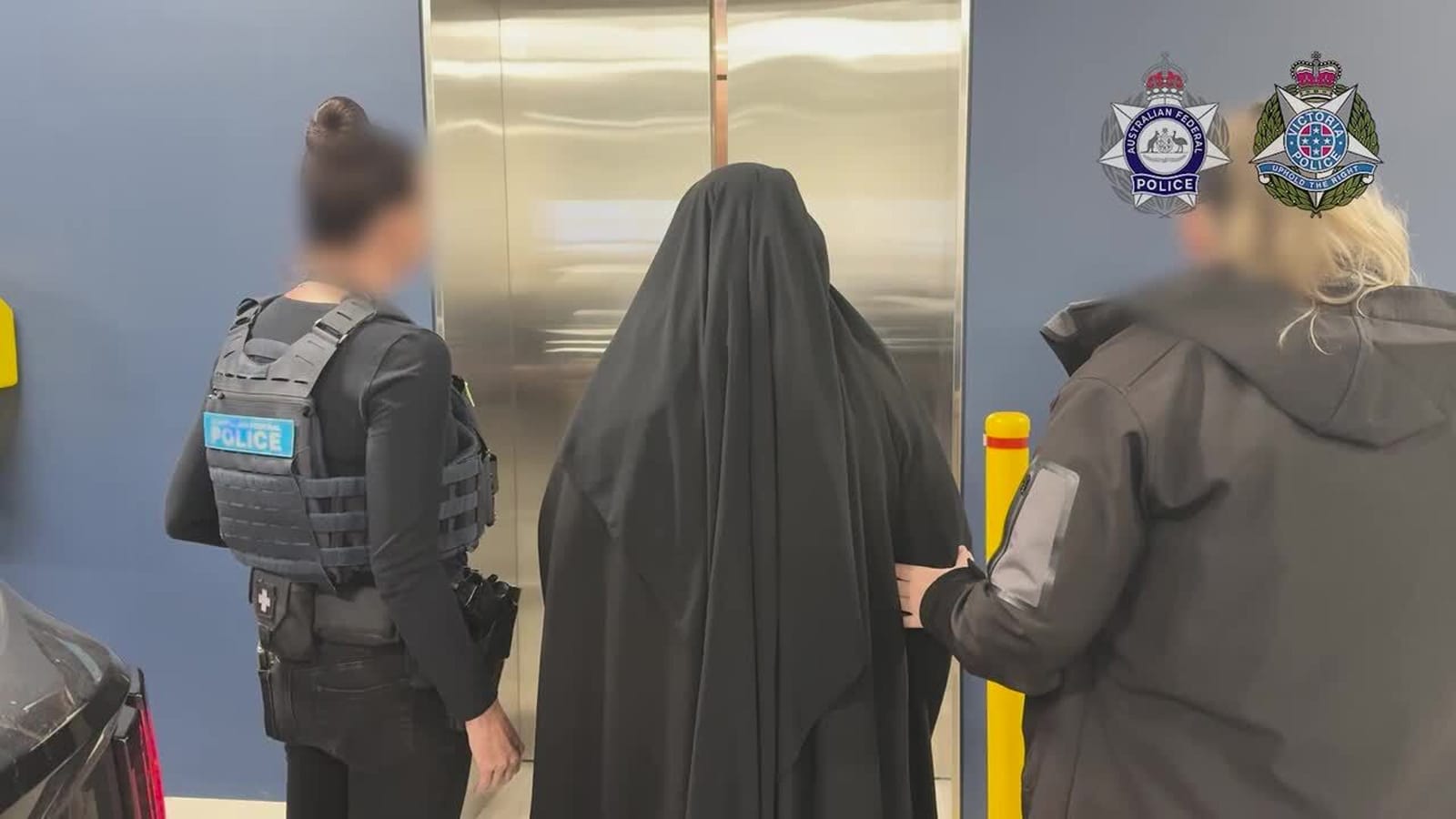
Former AFP detective David Craig says a housing handout would be "hypocrisy in itself"
Former Australian Federal Police detective David Craig told News24 he expected the women and their children to be housed at public expense, and that it would sit awkwardly with Labor's own position.
"The Australian government will, I suspect, provide housing for them, which is a hypocrisy in itself," Mr Craig said.
He said any woman allowed back should face strict controls on her movements, devices and contacts.
"I would hope they are under control orders to control their communications and associations. They should have curfews, a limited number of electronic devices, their passwords handed over, who they can't associate with, especially not each other," he said.
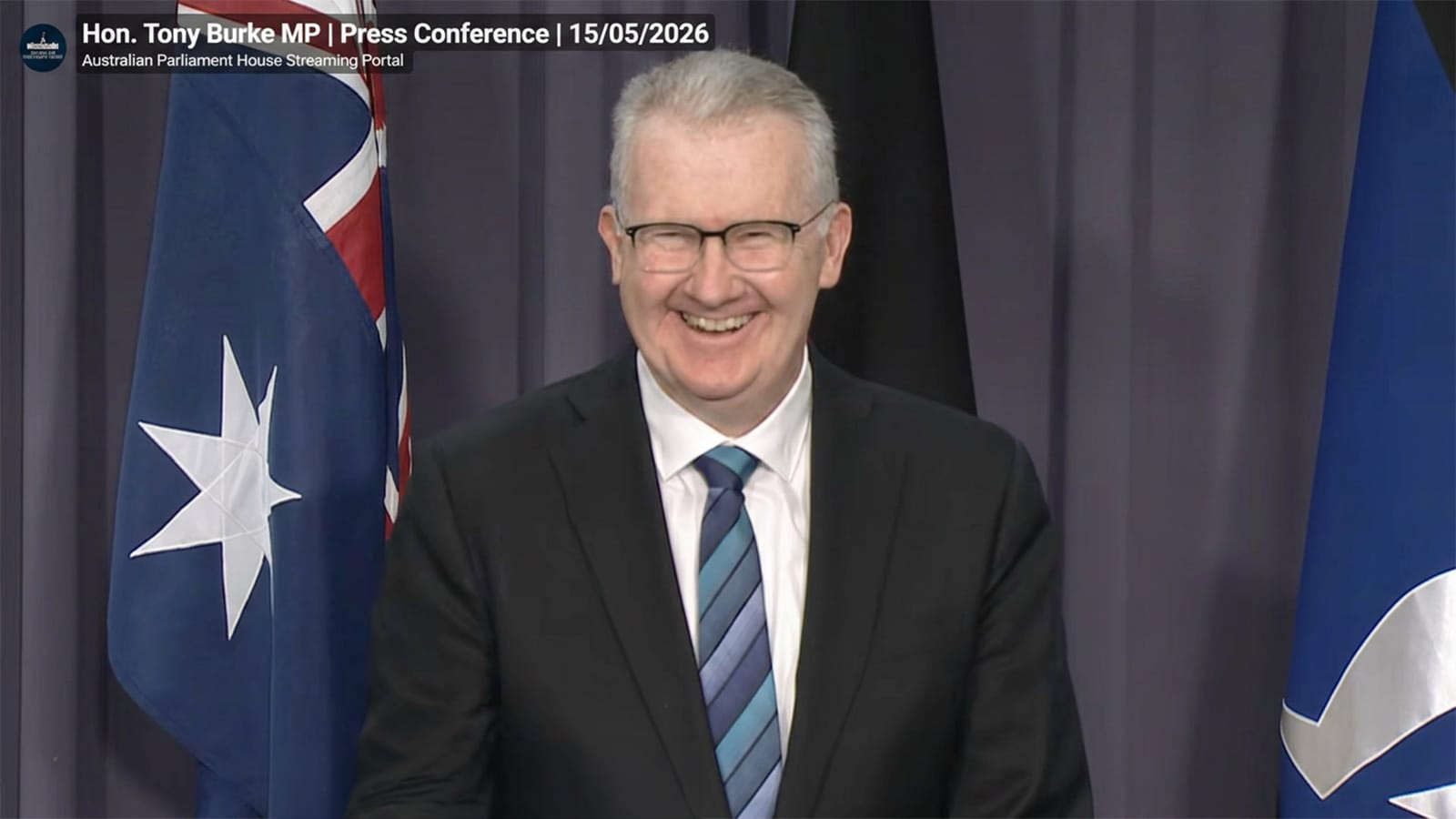
Tony Burke says Labor has gone "right to the edges" of what the law allows
Burke has ruled out lowering the legal threshold for barring ISIS brides and suspected fighters from coming home, saying the government has already stretched its powers as far as they'll go.
"We've gone right to the edges of what we're legally able to do," Mr Burke said.
The current test requires an exclusion order to help address a threat to national security, and the person to be assessed as a security risk. On Burke's account, that bar has been cleared only once.
"Even with that there's only been one occasion where I've been able to ... put in a temporary exclusion order," he said.
Burke imposed a temporary exclusion order on the last known ISIS bride, only for it to be revoked. Sixteen ISIS brides and 46 children have returned to Australia since 2019.
He tied his caution to the courts, arguing the threshold simply can't be moved.
"The reality has been that the threshold really can't be lowered. The High Court has made that pretty clear," Mr Burke said.
The High Court hasn't specifically ruled on temporary exclusion orders, which let the minister bar a citizen from returning for up to two years. Legal experts have warned that imposing the orders could be challenged on constitutional grounds.
The pressure isn't coming from one direction. Thirteen Australian men held in Iraqi prisons, suspected of fighting for Islamic State, could soon be released and left free to make their own way home.
Jonno Duniam says Burke won't name the High Court ruling he's leaning on
Shadow Home Affairs Minister Jonno Duniam rejected Burke's reliance on the High Court, telling News24 the minister had never explained which decision he meant.
"Especially in the absence of more clarity and a far better explanation from him about what specific decisions he is arguing that the High Court has made about the use of Temporary Exclusion Orders, we do not accept Tony Burke's sweeping claims," Mr Duniam said.
— Senator Jonno Duniam (@DuniamJonathon) February 18, 2026
He said no judgment had settled the question Burke was treating as closed.
"The High Court has not, to our knowledge, ruled that the existing statutory threshold for a Temporary Exclusion Order is permanently fixed and not subject to amendment. If the Minister is asserting that the High Court has made the answer to this precise question clear, he should identify the judgment to which he is referring. Especially when the safety of the community is at stake, he should not be relying on vague, unspecified claims," he said.
Duniam said a Coalition government would toughen the regime, the same ground on which the major parties have already clashed over ISIS return laws.
"That would include exploring whether the threshold can be clarified or broadened and whether return permits and associated security conditions should be tougher and more comprehensive. Our authorities should be equipped with the strongest lawful powers possible in order to deal with people suspected of having fought for, and or assisted, the evil organisation known as Islamic State," he said.
The High Court blocked this in Benbrika's own case, and only a referendum can move it
The housing question isn't hypothetical. Accused ISIS bride Rayann El Houli, 34, was granted bail in Melbourne this month and is living with her mother in the city's west, one of several returned women now back in the community while their cases run.
What Burke won't spell out, the courts already have. The High Court has struck down citizenship stripping, and it did so in the case of Melbourne terrorist Abdul Nacer Benbrika. Its objection was blunt: only a judge can punish someone, not a politician.
On that reasoning the court knocked out the citizenship stripping laws passed under the Abbott government in 2015 and the Morrison government in 2020. Labor's 2023 replacement handed the power to sentencing judges instead, which is why it stands, but it only reaches people sentenced after it came in.
Handing that power back to politicians would mean changing the Constitution, and that takes a referendum. A change has to win a national majority and a majority in at least four of the six states. Just 8 of the 45 referendums ever put to Australians have passed, and neither major party has been willing to risk one on citizenship stripping. So the threshold Burke says he can't move stays exactly where it is.
None of this is locked in. The power the High Court struck down can be handed back, but only by the Australian people at a referendum, and only a government can put the question to them. Labor won't, because it doesn't want the answer. It's easier to blame the High Court than to hand voters a change it never wanted, so the women keep coming home, some already out on bail, and Home Affairs won't say who pays to house them.