Kirralie Smith has lost her appeal in the New South Wales Supreme Court, and the $95,000 penalty against her stands. Justice Belinda Rigg upheld the finding that Smith and the campaign group Binary Australia unlawfully vilified two transgender footballers by identifying them as men in women's competitions, and she's been ordered to publish a statement written by the court and keep it pinned to the top of her social media for three months.
Smith, a spokeswoman for Binary Australia, had gone to the Supreme Court to overturn the original finding outright. The decision, handed down on 24 July, dismissed her central arguments and rejected her challenge to the constitutional validity of the state's vilification laws.
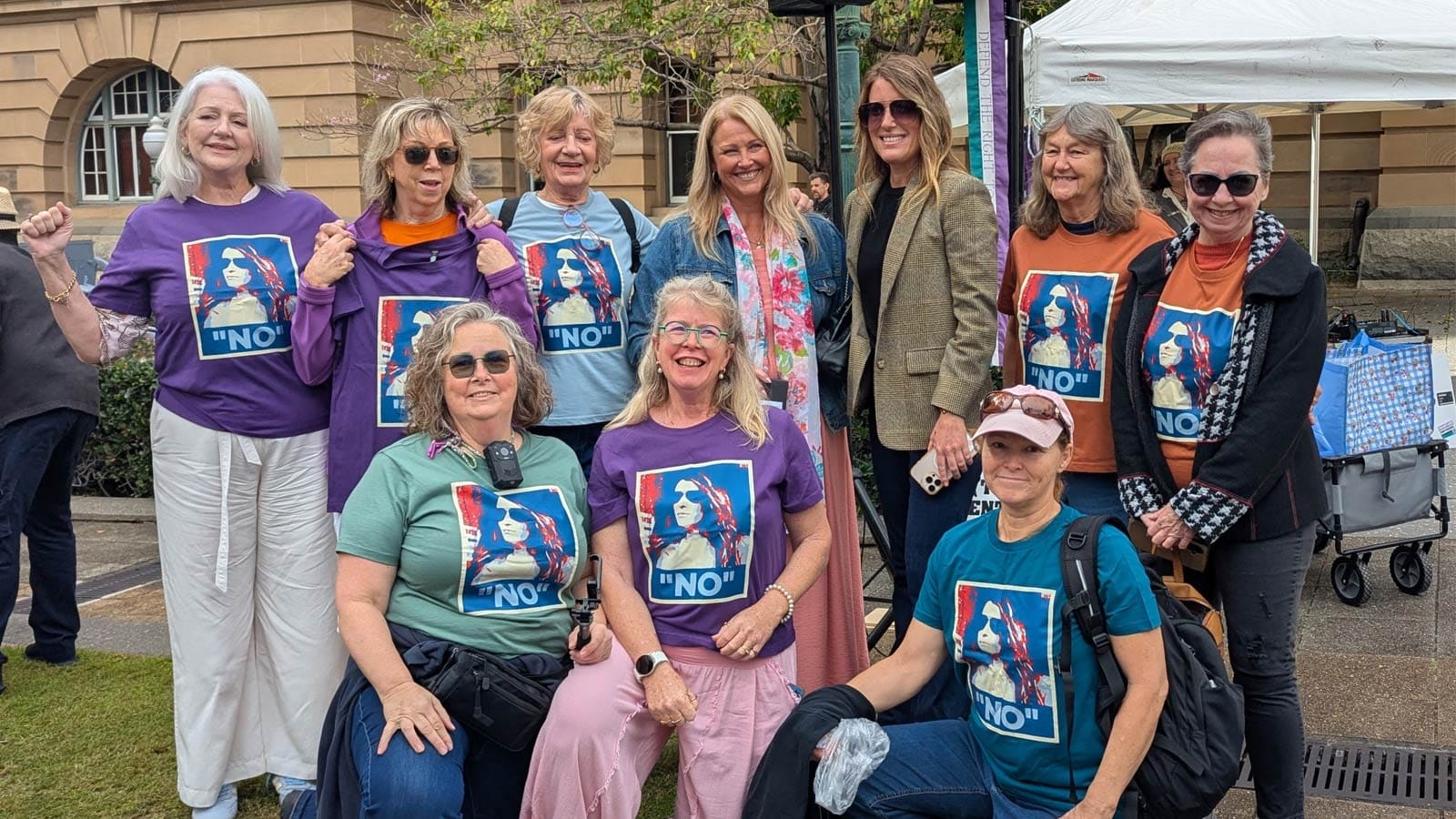
Kirralie Smith must pay $95,000 and publish the court's finding against her
The court upheld a combined $95,000 in damages, split $55,000 and $40,000 between the two players, for breaching section 38S of the state's Anti-Discrimination Act by publicly identifying them as male. Smith had won a stay on New Year's Eve that held while the appeal ran, so nothing was payable in the meantime.
With the appeal lost, the penalty stands, and reporting at the time of the decision said she'd been given 28 days to pay. For now, that $95,000 is the whole bill. Her opponents had asked the court to add a penalty for paying late, which would've pushed the total higher, but the court refused.
The order drawing the most attention is the corrective statement. Smith and Binary Australia have been directed to publish a court authored notice saying they breached the Act, mark it as a featured post, and pin it to the top of their profiles and the front page of the Binary website. Justice Rigg wrote that the purpose wasn't to "stigmatise or shame" Smith, but to put the finding in front of "a meaningful number of" her followers.
What Kirralie Smith won, and why part of the case goes back to the Local Court
Smith did succeed on narrow, technical grounds. According to Binary Australia, the court found the corrective statement had been drafted so broadly it risked breaching a separate order protecting one of the players' identities, and that an automatic penalty for not complying hadn't been properly available under the law.
Those parts have been sent back to be redrawn, so the exact wording Smith must publish, and a separate penalty running to tens of thousands of dollars if she ignored it, aren't settled yet. That extra penalty isn't payable now, but it could come back once the Local Court reworks the orders.
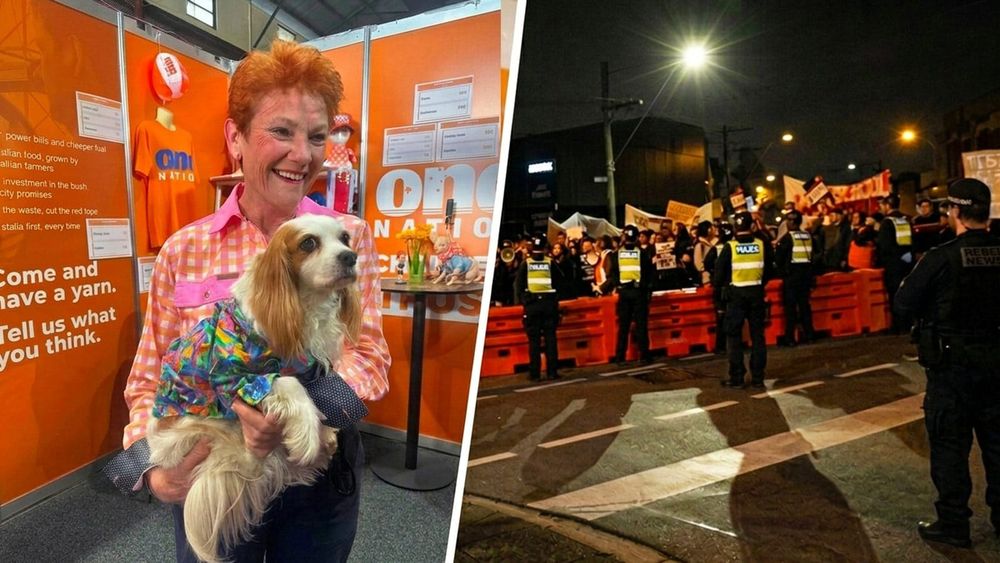
Video: Binary Australia. Kirralie Smith speaks in solidarity with Sall Grover at a Fix the Act rally in Melbourne.
'Destroyer of Women's Rights' the law Julia Gillard changed in 2013
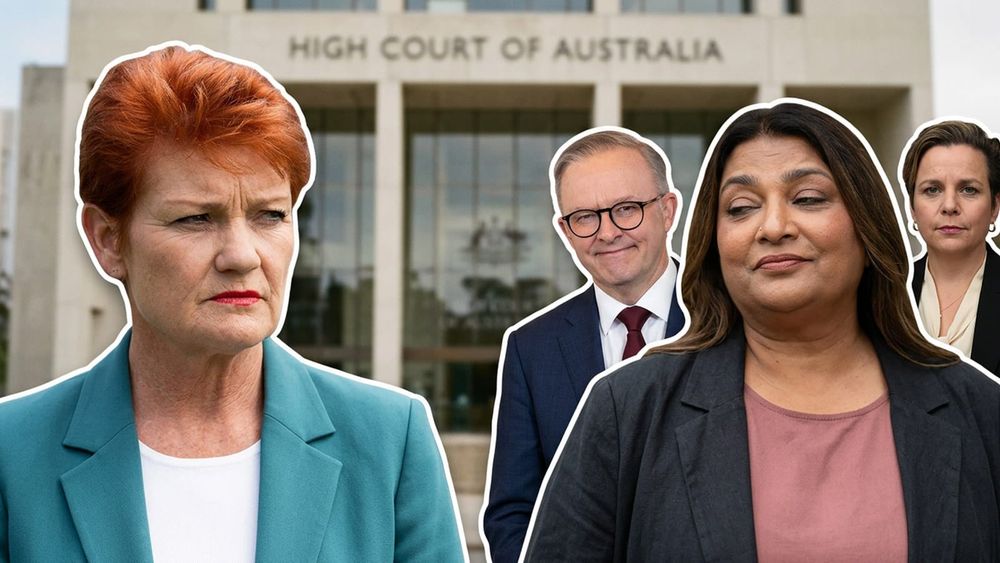
Smith's case runs under NSW law, but campaigners trace the wider fight back to Canberra. In 2013, in the final months of the Gillard government, the Sex Discrimination Amendment (Sexual Orientation, Gender Identity and Intersex Status) Act repealed the federal Act's definitions of "man" and "woman" and added gender identity as a protected attribute. Groups like Women's Forum Australia argue that shift, biological sex written out and gender identity written in, is the architecture that now has women answering for their views in court.
Julia Gillard has defended the change, telling a Manchester audience this month it was made in "a different time". The former prime minister has faced protests across Britain over it, with banners branding her a "destroyer of women's rights". A parallel case, Sall Grover's Giggle v Tickle fight over a women only app, runs on the same question of whether "woman" still has a legal meaning at all.
Smith has been one of the more visible faces of the push to change the law, appearing at Fix the Act rallies calling for the definitions to be restored.
Binary Australia is taking donations to fund her case at binary.org.au/donate.
Video: @MrMennoTweets, via X. Julia Gillard walks past protesters outside a London venue.
Kirralie Smith has 28 days to take the case to the High Court
Smith can seek to appeal to the High Court of Australia within 28 days. She maintains she was reporting accurate, publicly available information and asking a reasonable question about fairness in women's sport.
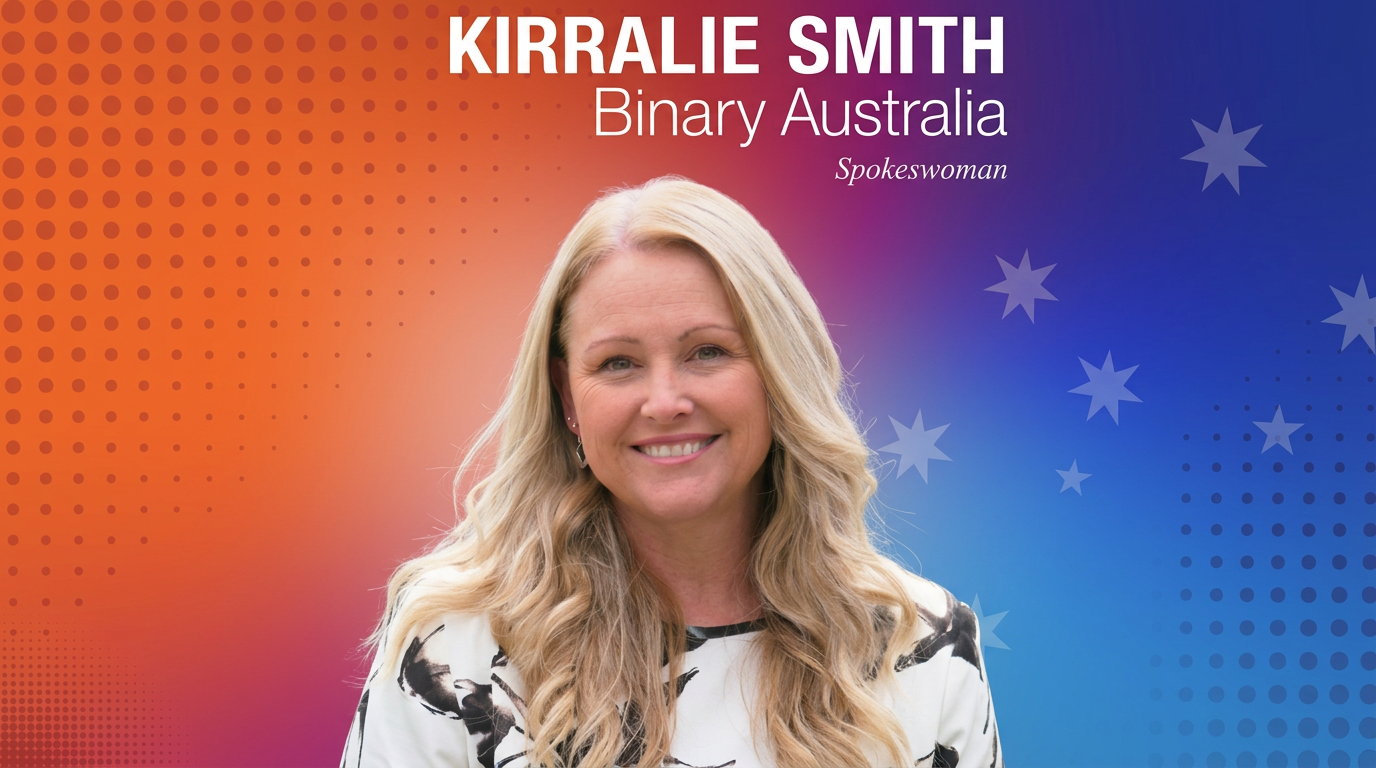
How a women's football row became a $95,000 vilification case
The case dates back to early 2023, when Smith began campaigning against the inclusion of transgender players in women's football in New South Wales, citing safety and fairness. The two players lodged complaints over a series of her social media posts. In December, the NSW Local Court, sitting before Deputy Chief Magistrate Sharon Freund, found against her in the first case of its kind under section 38S. The Supreme Court has now upheld the core of that finding on appeal.
Football NSW's gender diversity policy supports the inclusion of transgender, non binary and gender diverse players in the competition that best matches their gender identity.
The finding stands, the money is owed, and for the next three months the court's own words are set to sit pinned to the top of Kirralie Smith's accounts.
Kirralie Smith is paying for this fight out of her own pocket, and taking it to the High Court won't be cheap. If you'd like to help her keep going, Binary Australia is gratefully accepting donations at binary.org.au/donate. Every bit counts.