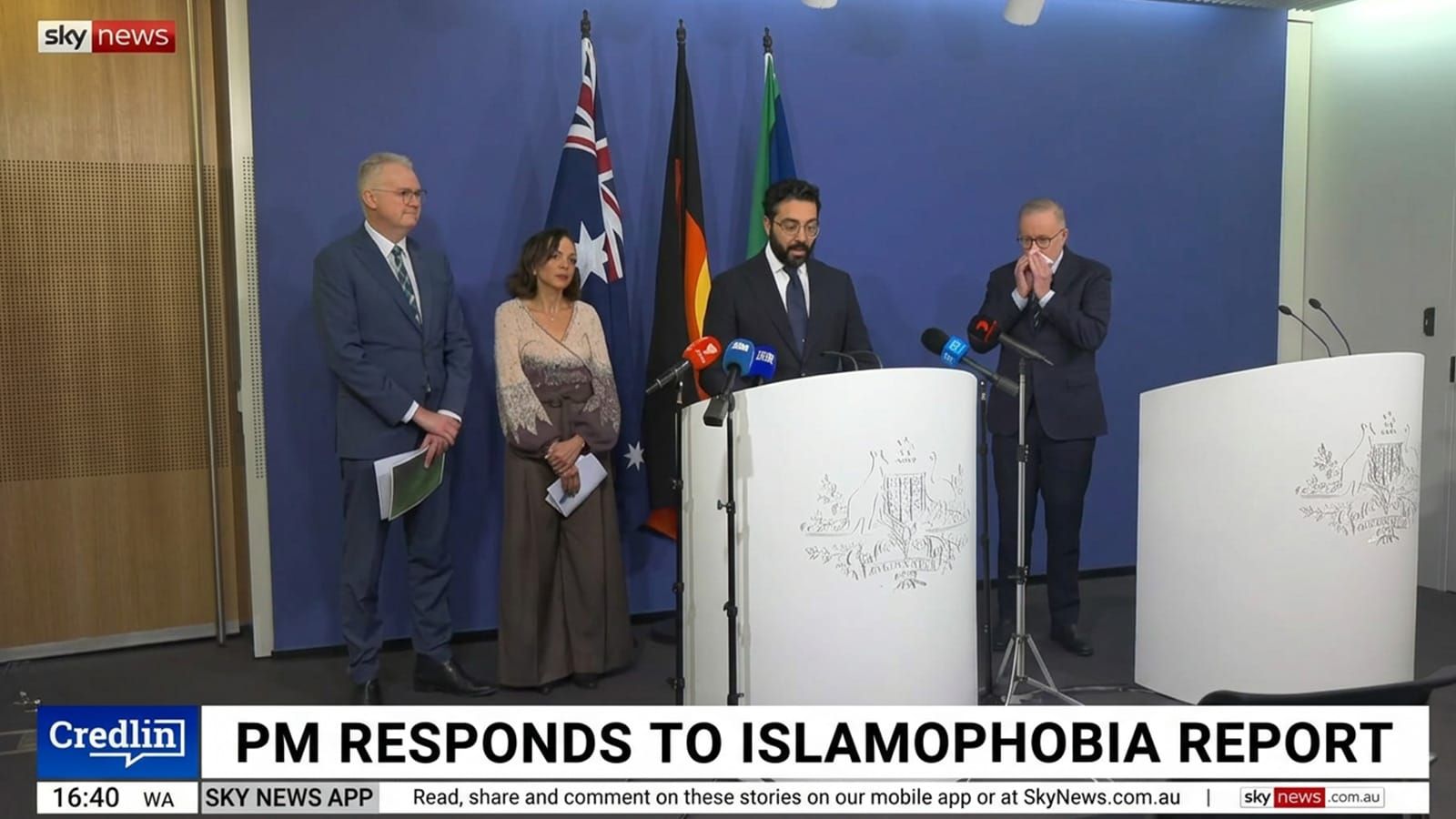
The Albanese Government released its response to the Special Envoy to Combat Islamophobia on Saturday 18 July, in a joint statement from the Prime Minister, Home Affairs Minister Tony Burke and Multicultural Affairs Minister Anne Aly. It adopts 35 of the 54 recommendations made by envoy Aftab Malik, and it commits a reported $65.5 million.
You would not know the second part from reading it. The statement published on the Prime Minister's website contains no total, no line items and no dollar figures at all. The costings reached the public through the press gallery, on a Saturday, in the middle of a winter sporting weekend.
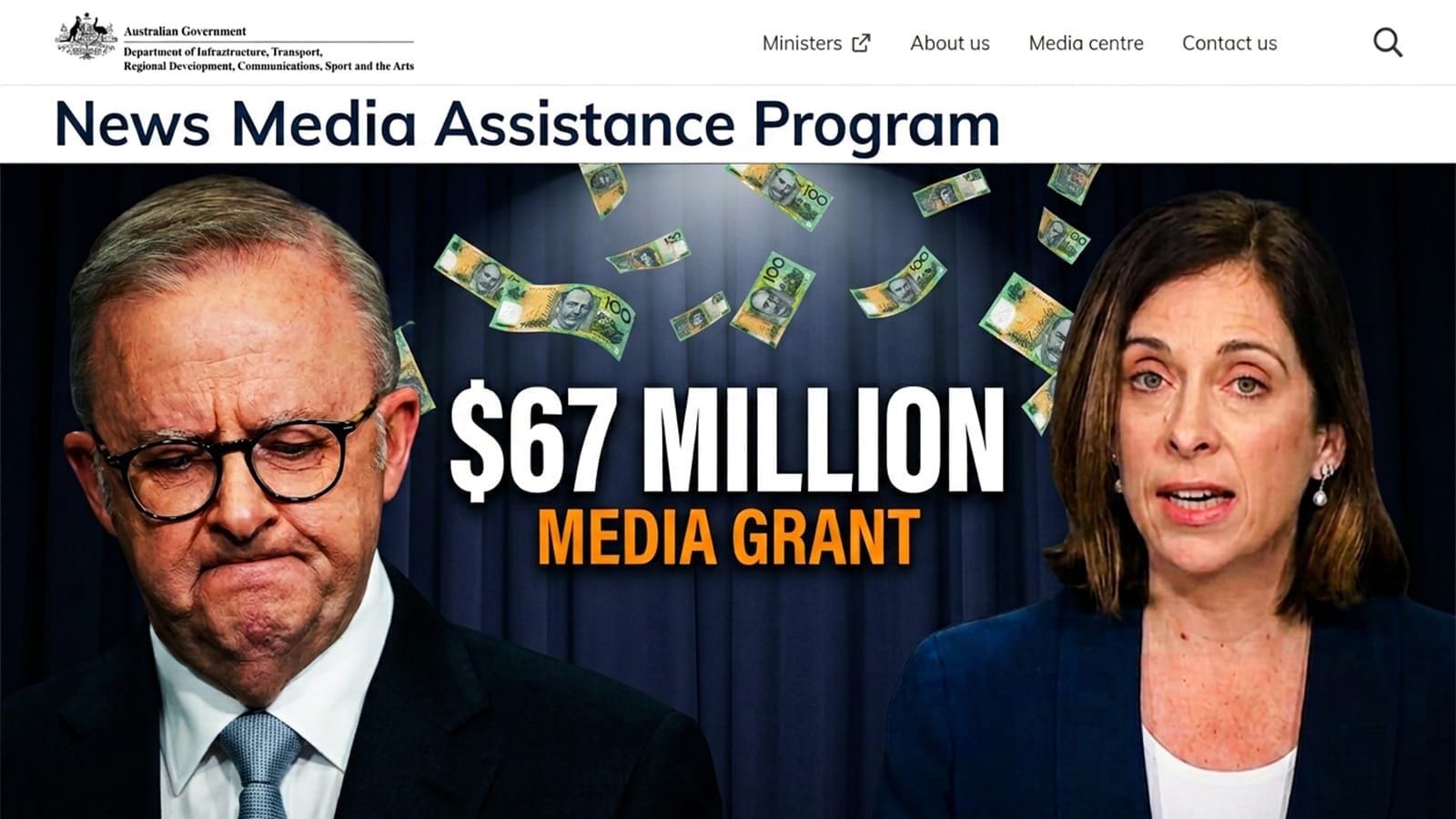
That matters for anyone paying for it. It is the second large announcement in eight days. The week before, this masthead reported that the government is part-paying the wages of more than 2,000 journalists across 184 private newsrooms through a $67.6 million Journalism Assistance Fund, with no requirement that any outlet disclose it. Two Saturdays, two announcements, roughly $133 million. And that is before the roughly $4.9 million in taxpayer wage subsidies going to more than 20 foreign-language and ethnic mastheads under the same journalism fund.
$268 million and counting in an attempt to keep the peace
Here is the part no minister or mainstream media will say out loud: multiculturalism, as a way of absorbing an imported conflict, does not work, and no amount of money makes it work. You cannot import large numbers of people from both sides of the most intractable conflict on earth, settle them in the same suburbs, and expect the hatred to stay behind at the airport. It comes with them.
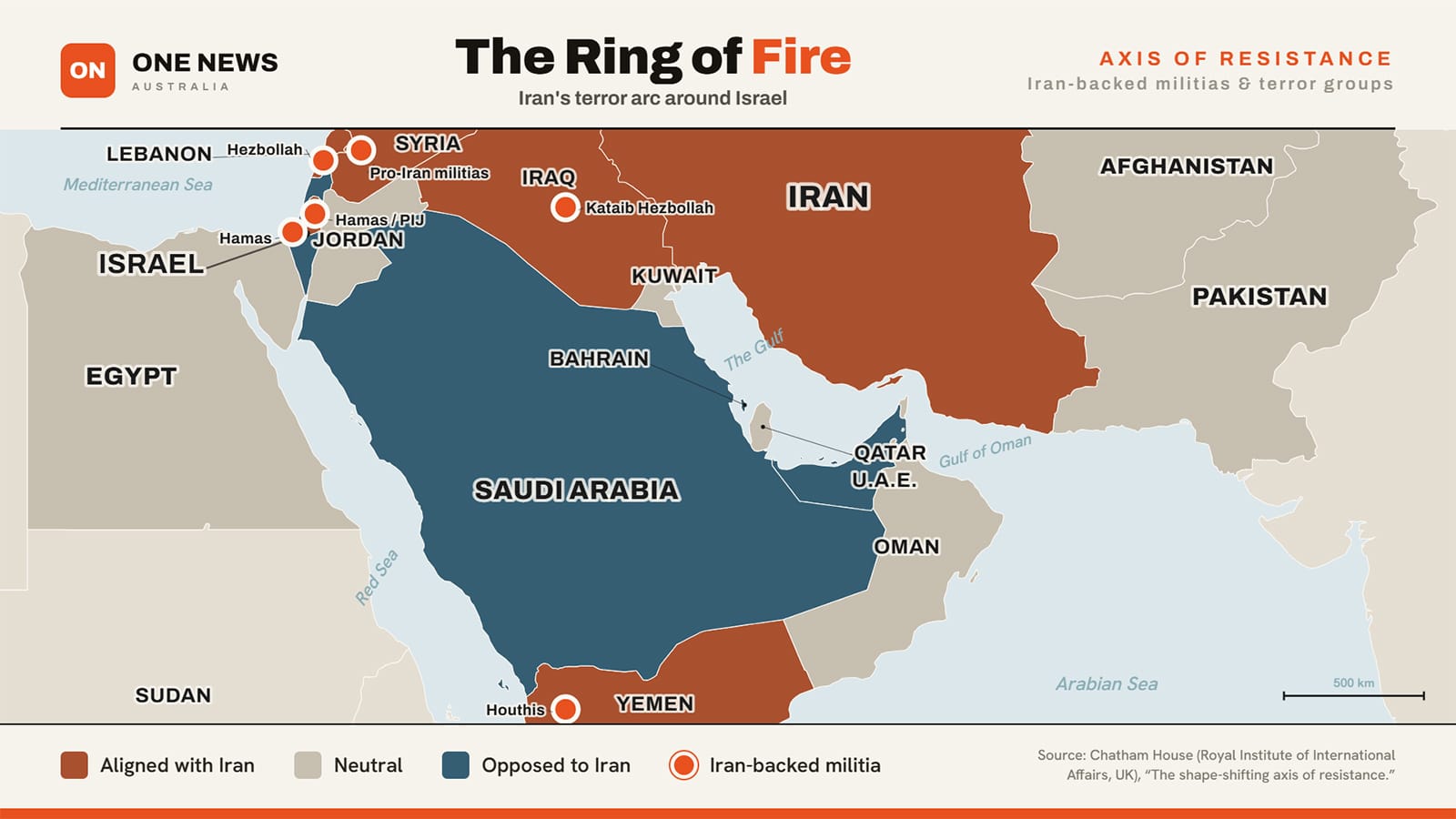
This is a conflict with a century of bloodshed behind it, from the 1929 Hebron massacre of Jews, to the Arab states' invasion of the new state of Israel in 1948, to Iran's ring of fire of Hezbollah, Hamas and Houthi terrorist proxies built to encircle the Jewish state, to the 7 October attacks and the final retribution in Gaza, and settling both sides of it in the same areas does not end this war.
Roughly 1,200 people, most of them Israeli civilians including babies, were killed and about 250 taken hostage into Gaza when Hamas attacked southern Israel on 7 October, the deadliest day for Jews since the Holocaust and the trigger for the war in Gaza that followed. That it was celebrated on Australian streets within days was not politics but antisemitism, plain and open; synagogues have since been firebombed and Jewish schoolchildren have needed guards at the gate; and now the taxpayer is asked to fund security for mosques as well, because the same imported tension runs in both directions.
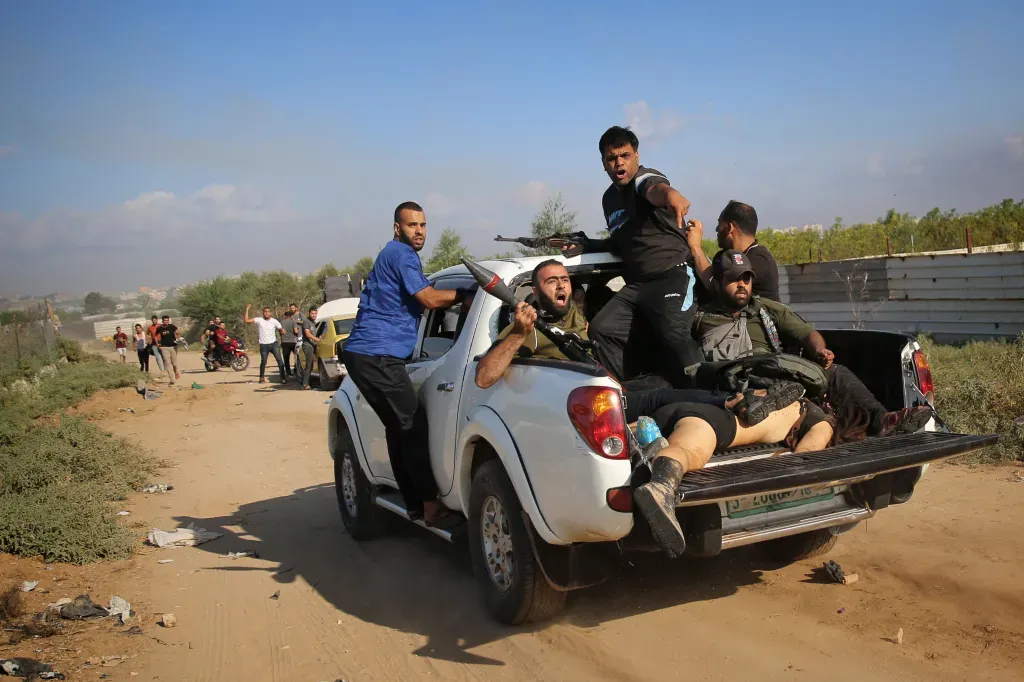
Among the dead was Shani Louk, a 23-year-old German-Israeli woman who had gone to the Nova music festival to dance. She was seized by Hamas at the festival on 7 October. Her half-naked body was loaded into the back of a pickup truck and paraded through the streets of Gaza, where Palestinian crowds swarmed the vehicle, cheered, and young boys spat on her body. The footage travelled the world within hours. The Israeli foreign ministry said she had been tortured, and she was declared dead only weeks later, her body so destroyed she could be identified from nothing more than a fragment of her skull.

This was not a battlefield. It was a victory parade, the dead dragged through the streets as trophies while crowds cheered. And within days those same scenes of celebration were echoed on the streets of Sydney and Melbourne. This is the hatred the taxpayer is now being asked to fund security against, on both sides.
⚠️Warning: distressing video below.
The footage that travelled the world: Shani Louk's body paraded through Gaza, 7 October 2023.
Multiculturalism was sold to Australians on a single promise: that people from anywhere on earth could be settled side by side and live in harmony. Importing both sides of an active war was never going to honour that promise, and $65.5 million on top of a $25 million security program on top of a $178 million cohesion package is the proof it has failed. A policy that worked would not need a permanent, ever-growing security budget to hold it together.
As we have reported on Iran's decades-long campaign against Israel, that hostility does not stay in the region. Britain is the warning of where this ends. Luton did not fragment overnight. It fragmented one grant, one grievance and one unasked question at a time, until the authorities were managing a division they had spent decades funding. Australia is being asked to pay for the same experiment and to call the invoice compassion. Voters were never asked whether they wanted it, and they are the ones left paying for it.
What the $65.5 million buys
The largest item is $41.9 million to improve security at Muslim faith based places, including mosques, Islamic schools and community facilities. That figure is confirmed by SBS and by the AAP wire.
The remaining items reported are $15 million for a sports centre for Muslim athletes, $6 million for mental health and wellbeing support including students at Islamic schools, and $2.6 million for the Office for Multicultural Affairs. Those three have been carried by a single outlet and the government has not published them, which is itself part of the story here.
A series of further measures were announced with no costings attached at all: an Islamophobia Education Taskforce, training for parliamentarians, public servants, police and legal professionals, an expansion of AFP Community Liaison Teams, a new AFP Social Cohesion Team, and a legal requirement that universities prevent and respond to Islamophobia.
The $25 million security uplift for Muslim communities
The $41.9 million is not the first tranche. The Department of Home Affairs already runs a Security Uplift for Muslim Communities program worth $25 million over three years, administered through the Australian National Imams Council, for security at mosques, schools and community facilities. It came out of the 2025 budget's $178 million social cohesion package, which funded security at Jewish and Muslim sites alike.
What the government has not explained is how the two interact. Whether Saturday's $41.9 million sits on top of the existing $25 million or absorbs part of it is not stated in the release, and both target the same purpose through the same administering body. It is a reasonable question for the Minister's office, and it should not require one to be asked.
What Aftab Malik asked for, but didn't receive
Nineteen recommendations were not adopted. Among them: a commission of inquiry into Islamophobia, a separate inquiry into anti-Palestinian and anti-Arab racism, explicit protection for Muslims within racial discrimination law, and an independent review of counter-terrorism laws that Malik argued operate unfairly against Muslims. The Prime Minister attributed the last of those to advice from security agencies.
Malik's report sat with the government for 10 months before it received a final determination.
Bilal Rauf, senior advisor to the Australian National Imams Council, welcomed the response but identified what he called one glaring omission.
There wasn't much, if any, discussion about legal consequences and enforcement. Unless there is enforcement and legal consequence on the ground, there is a question for how far any change might travel.
Weeks before Bondi, a surveillance team was stood down
Here is the comparison that the Saturday announcement invites.
An AFP national surveillance team established under the Commonwealth High Risk Terrorist Offender regime was quietly disbanded in the months before the Bondi attack. Members were told in September 2025. The reason given internally was money. An AFP commander wrote:
Current budget pressures and the lack of certainty in relation to ongoing funding has limited our ability to fill vacancies.
Funding had been confirmed for eight positions in February 2025, against a requirement of 10 members under AFP best practice, and only for the 2025-26 financial year rather than the out years.
In November, the AFP Association warned the government the force faced worsening shortages in counter-terrorism, writing that Australia's threat environment was expanding rapidly.
On 14 December 2025, 15 people were killed and 40 wounded at Bondi.
Asked about resourcing, the Prime Minister has said that every single request from a security agency has been granted by his government.
The threat is not imaginary, and it should be named plainly. Violent Islamist extremism is one of the principal drivers of terrorism in this country, as ASIO's own threat assessments make clear, and radicalisation is precisely the danger the counter-terror machinery exists to catch. Which is what makes the timing so hard to defend. A government can name that threat in a media release and, on the published material, still fund a sports centre and a media grant while the surveillance capability built to stop it is stood down for want of funding certainty.
The Royal Commission wants a full time coordinator. The union wants staff.
The Royal Commission on Antisemitism and Social Cohesion delivered its interim report on 30 April 2026 with 14 recommendations, including a review of Joint Counter-Terrorism Teams, consideration of making the Counter-Terrorism Coordinator's role full time, and a nationally consistent National Firearms Agreement. The government accepted all recommendations relevant to the Commonwealth. Some remain classified.
AFP Association president Alex Caruana backed the recommendations and attached a condition to them.
Government can't continually ask frontline officers and specialist teams to take on greater responsibilities, operate in high-risk environments, and deliver results with stretched budgets, outdated equipment, and insufficient staffing.
Saturday's package funds an expanded AFP Community Liaison capability and a new AFP Social Cohesion Team. It does not, on the published material, put a single additional officer into counter-terrorism surveillance.
Hanson's argument, and where this lands
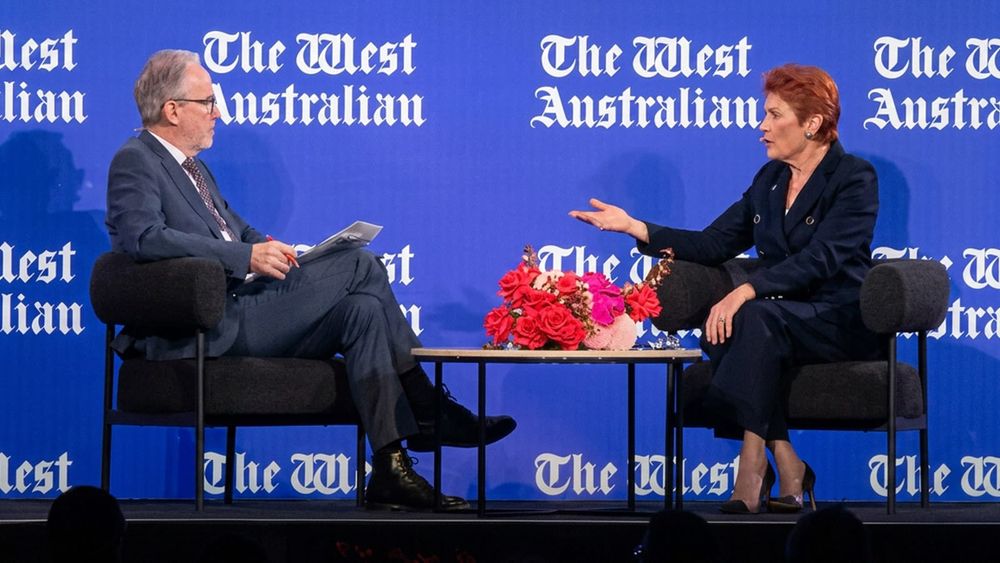
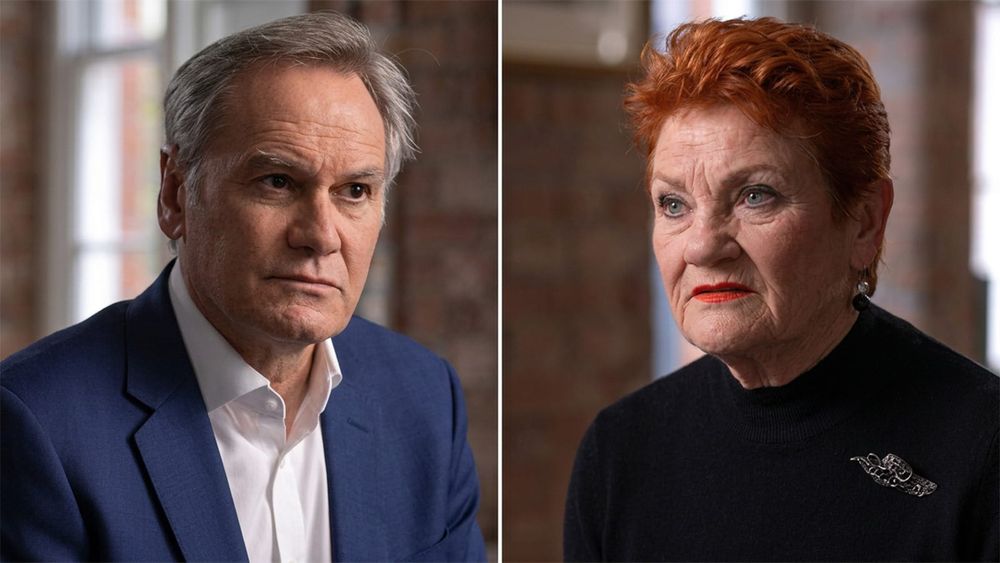
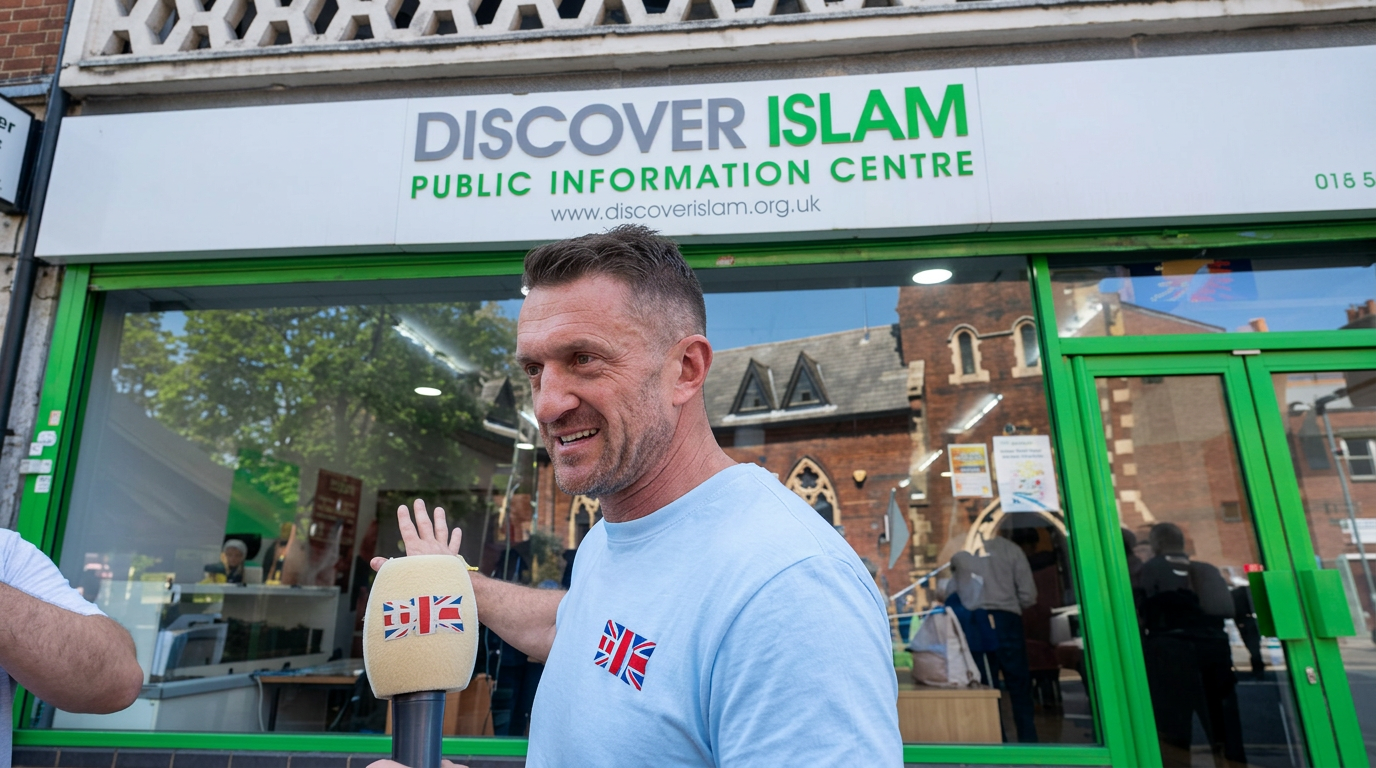
Pauline Hanson has spent the past month making a related case in blunter terms. She has argued for what she calls a monocultural Australia, multiracial but sharing one civic culture, and told the National Press Club that multiculturalism is an utterly flawed policy. This month she walked Luton with Tommy Robinson and said she was gobsmacked, warning she does not want Australia to follow Britain. One Nation's Sean Bell has said the party would abolish the multiculturalism portfolio that Anne Aly holds.
Voters do not have to accept that argument to notice the sequence. A government that could not guarantee funding certainty for eight surveillance positions found $65.5 million in a fortnight, published it without costings, and released it on a Saturday.
The question the government has not answered
Nobody serious disputes that Australians should be able to worship without fear, and the Prime Minister is right that a rise in incidents demands a response. The question is not whether one community deserves protection. It is why the money moves quickly for announcements and slowly for the capability that was cut before 15 people died at Bondi, and why a $65.5 million commitment reached the public without the government putting a single figure of it in writing.