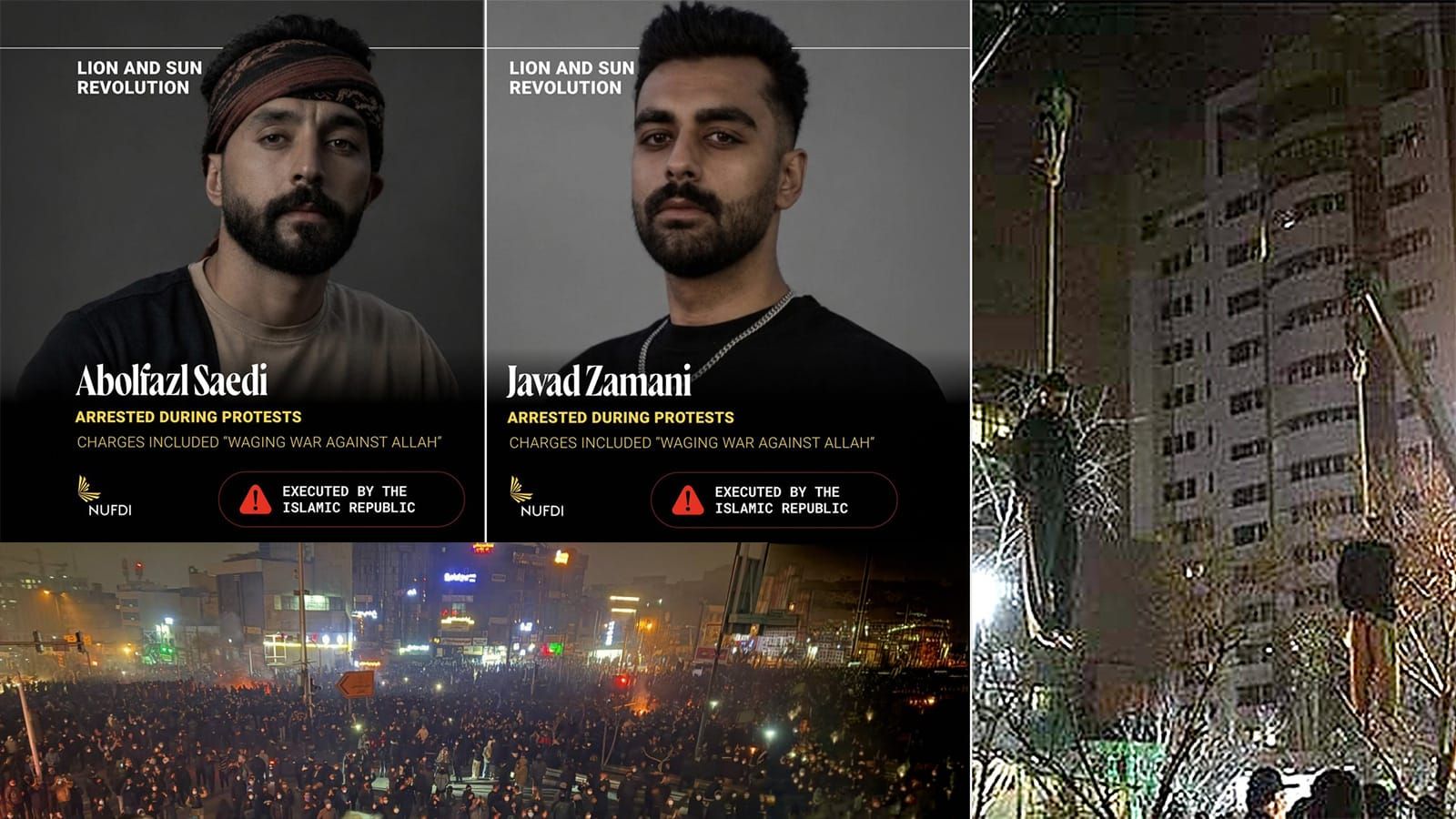
The Islamic Republic executed two men arrested in the January protests at dawn on 16 June, a day after Iran's national team played a World Cup match in Los Angeles where fans filled the stands with protest, and two days after President Trump signed a deal with the regime that the Iranian diaspora says rewards it.
Two men hanged at dawn in Shahrud
Javad Zamani and Abolfazl Saedi were hanged at Shahrud, both arrested during the protests that swept Iran in January, the Human Rights Activists News Agency reported, citing the regime's judiciary. The charges against them included moharebeh, or waging war against God, along with corruption on earth, crimes against national security and the destruction of public property.
The chief justice of Semnan province, Mohammad Sadegh Akbari, said the death sentences had been carried out and the two men's movable and immovable assets confiscated, according to the National Council of Resistance of Iran.
The hangings aren't isolated. The Human Rights Activists News Agency has documented at least 14 people executed in connection with the January protests between 18 March and 18 May, and more than 7,000 killed during the crackdown itself. The National Union for Democracy in Iran said the latest executions mark the start of a wider crackdown now the war is over.
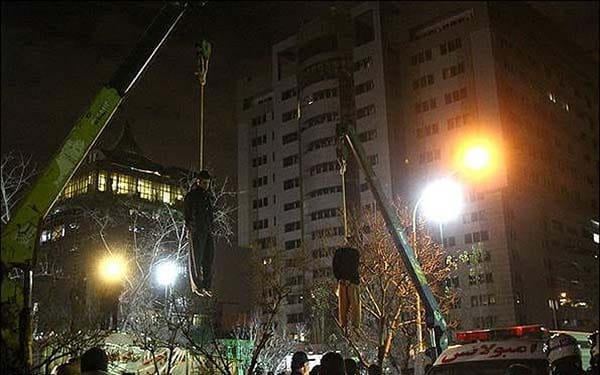
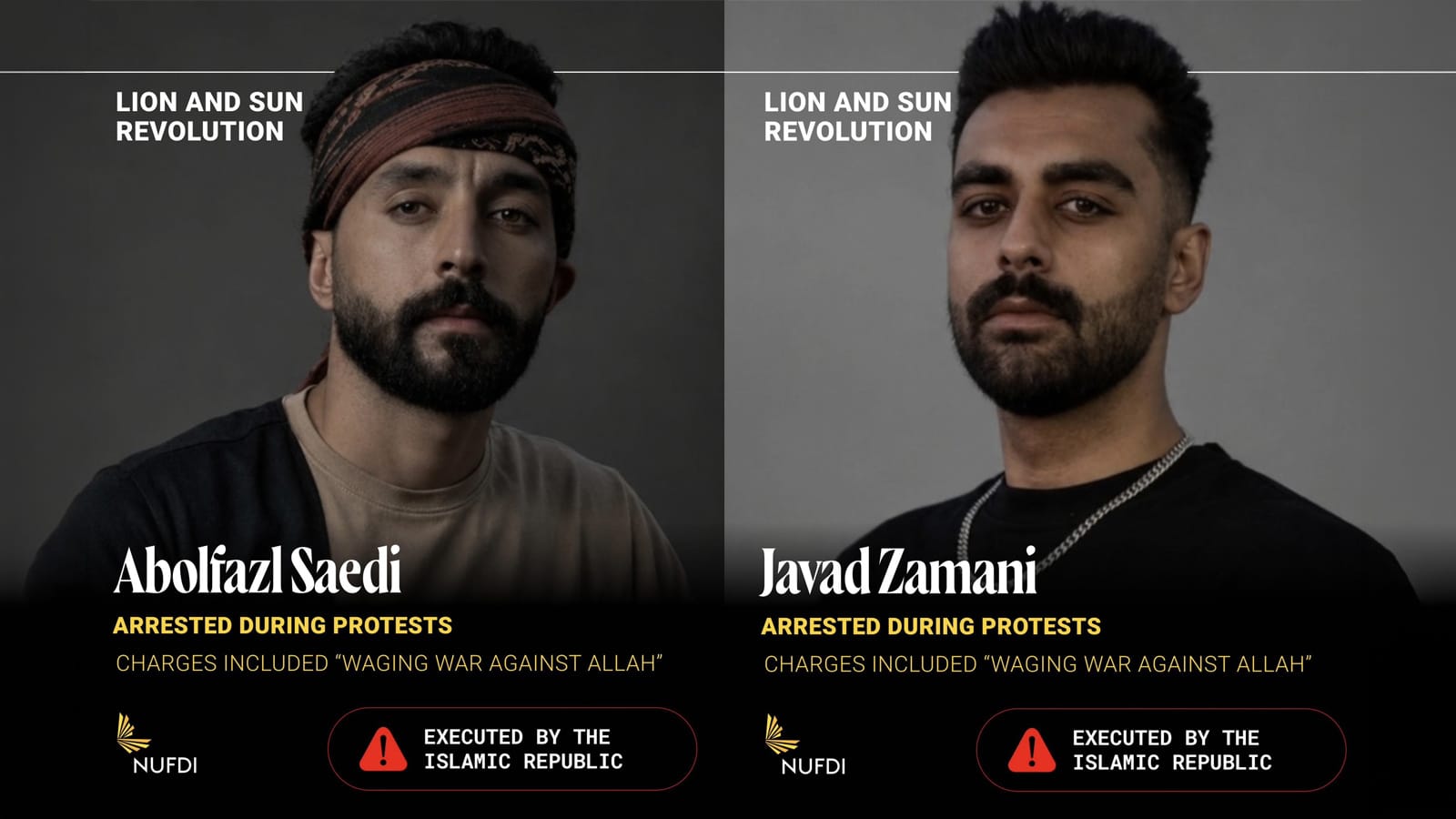
A forced confession, then they publicly hanged
State media broadcast a roughly 50 second video of Zamani and Saedi that officials presented as a confession to destroying banks and overturning a police car, STL.News reported, citing the judiciary's Mizan agency. It has been reported that the regime's confessions are coerced and the audio can only be losely translated from Farsi.
''On the [evening of the] first day, we went to the square with a group of [protesters/rioters]… we confronted the police… The police arrested us. We went to the [upper floor] of a building… They took our weapons… I went with them; we planned to bomb [a place], we planned it several times… I put [a device] in the window so it would break… then the windows were broken so we could bomb the place.''
The practice is heavily documented. Human Rights Watch says the state broadcaster IRIB and outlets affiliated with the Revolutionary Guards aired hundreds of coerced confessions, including from children, after the killings of 8 and 9 January. Amnesty International reviewed 18 of the videos and found detainees in visible distress, with several going to air on the same day the person was executed. The Center for Human Rights in Iran says the confessions are routinely used as the basis for conviction on capital charges.
A confession video published by Mizan, the Islamic Republic's judiciary news agency.
Iranian authorities imposed an internet and telecommunications shutdown just before the protests on 8 January to conceal their crimes. Once the blackout was in place, security forces carried out massacres against protesters. The shutdown makes it harder for victims, journalists, and human rights organizations to conduct in-depth interviews, document violations and preserve evidence. State media outlets, including those affiliated with the IRGC and judiciary, as well as officials like the head of judiciary, continue to have internet access and post propaganda on their social media channels aimed at instilling fear among the population.
The athletes the regime killed, executed, or put on death row
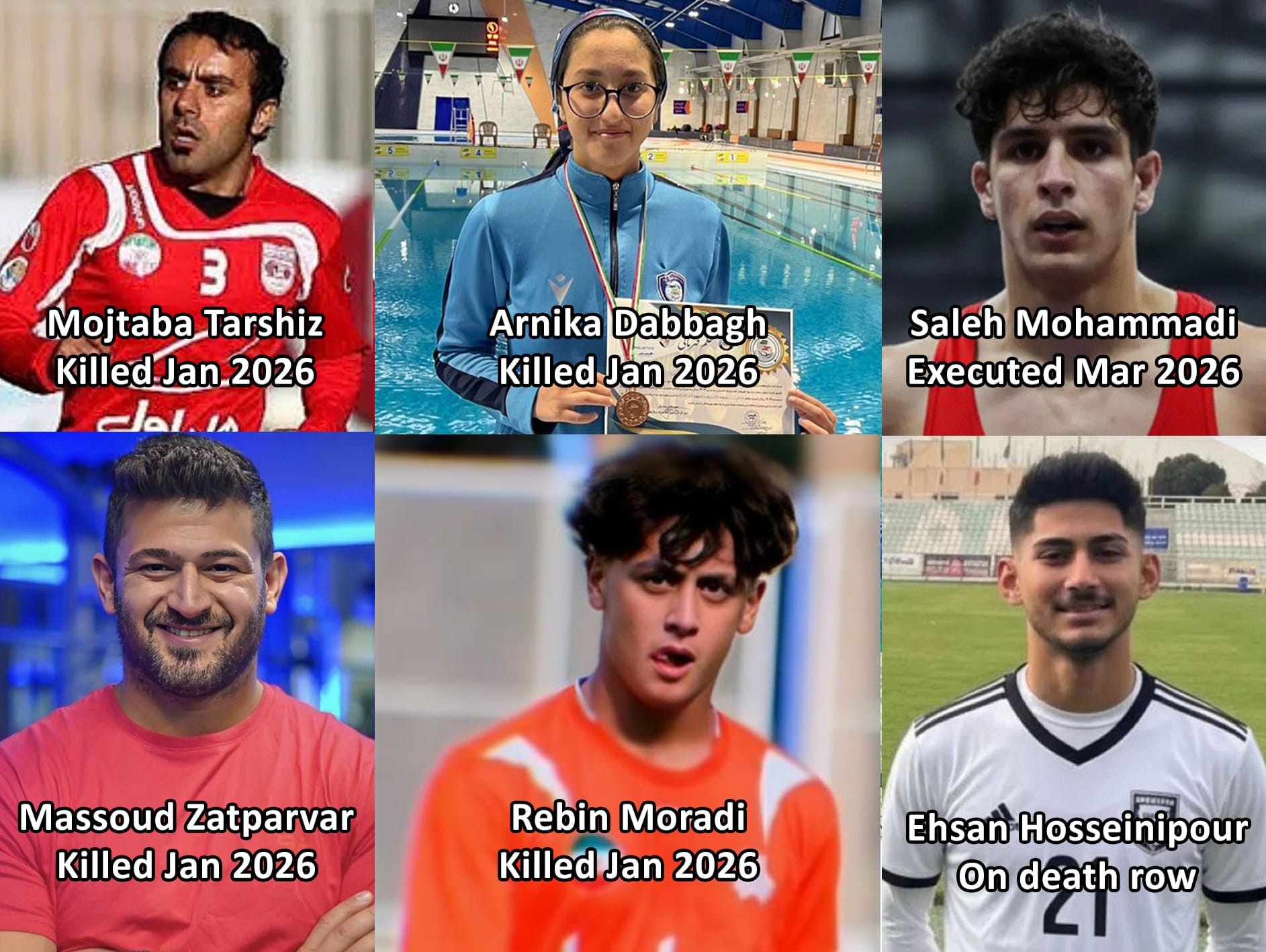
When Iran's team took the field in Los Angeles, several Iranian commentators asked who the team actually represents. Through 2026 the regime killed, executed or sentenced to death a string of its own sportspeople.
- Mojtaba Tarshiz, a former professional footballer who played for Tractor Tabriz and Nassaji Mazandaran, was shot by security forces during the January protests while shielding his wife, Euronews reported. Reports differ on whether his wife survived.
- Arnika Dabbagh, a 15 year old swimming champion, was shot and killed during the January protests, according to CNN.
- Masoud Zatparvar, a bodybuilding champion and coach, was shot dead in Rasht on 9 January, the Hengaw human rights group reported.
- Rebin Moradi, a 17 year old who played for Saipa's youth football team, was killed in Tehran during the January protests, Euronews reported.
- Saleh Mohammadi, a 19 year old national wrestler and 2024 international medallist, was executed in Qom on 19 March, after a trial his supporters say rested on a confession extracted under torture, CBS News reported.
- Ehsan Hosseinipour, 18, was sentenced to death over a January fire at a Basij base in Pakdasht that killed two members, with the sentence upheld by the Supreme Court, according to Amnesty International, which says he was forced to confess after beatings. He remains at imminent risk of execution.
Iran's former national team captain Masoud Shojaei publicly criticised FIFA for its silence over the killing of Iranian athletes, Euronews reported
The World Cup banner the regime didn't want seen
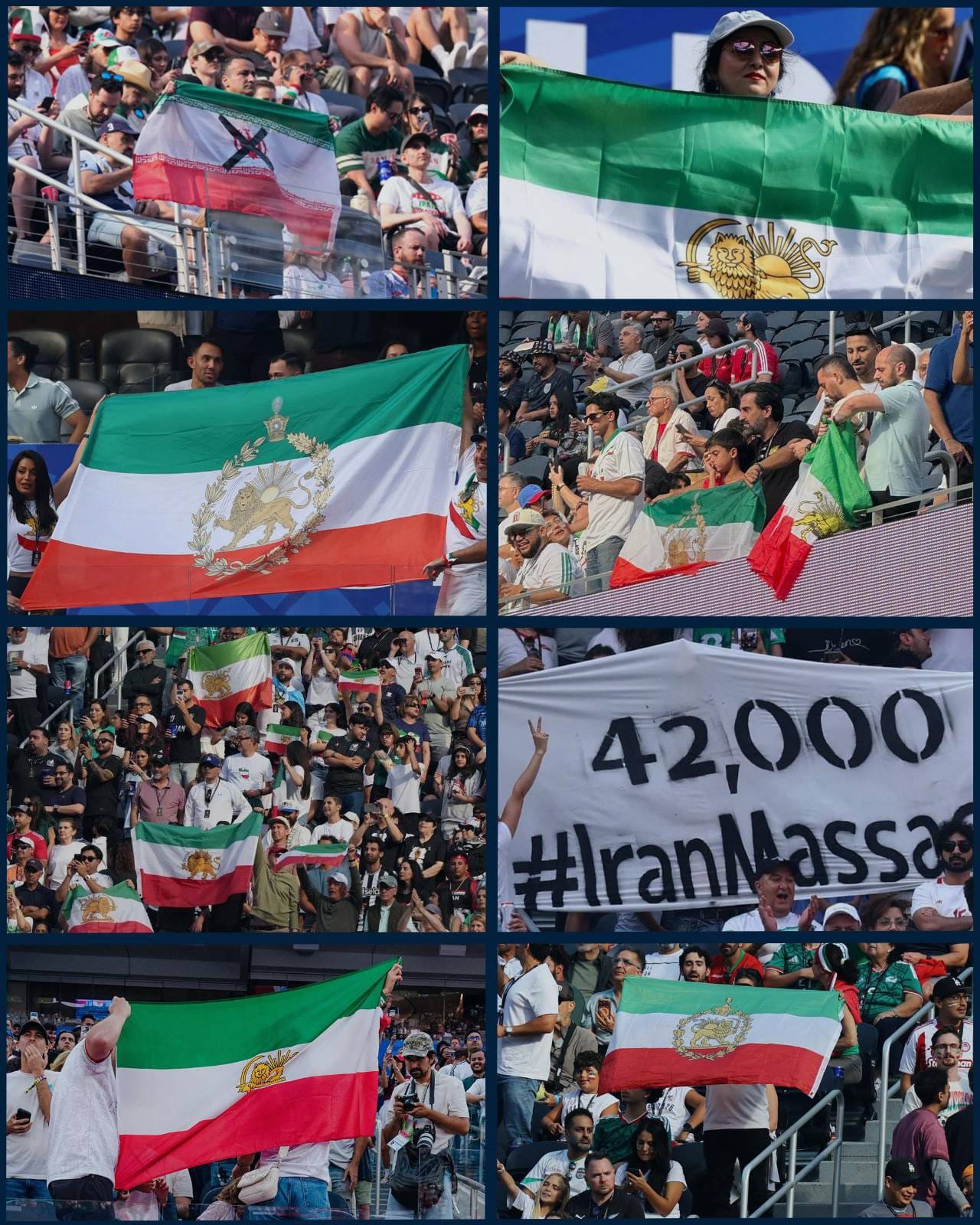
The executions came the day after Iran's World Cup opener at the Los Angeles Stadium, where the louder contest was in the stands. Iran drew 2-2 with New Zealand on 15 June while fans waved the pre revolutionary lion and sun flag in defiance of a FIFA ban that a Los Angeles judge had upheld hours before kickoff.
Fans smuggled flags past metal detectors, and security confiscated the ones they caught, according to Yahoo Sports. Rally participants wore lion and sun shirts and waved the pre revolutionary flag, NBC reported, and footage from the protest showed shirts carrying the names and faces of Iranians killed in January. Footage from the stands also showed a banner reading 42,000.
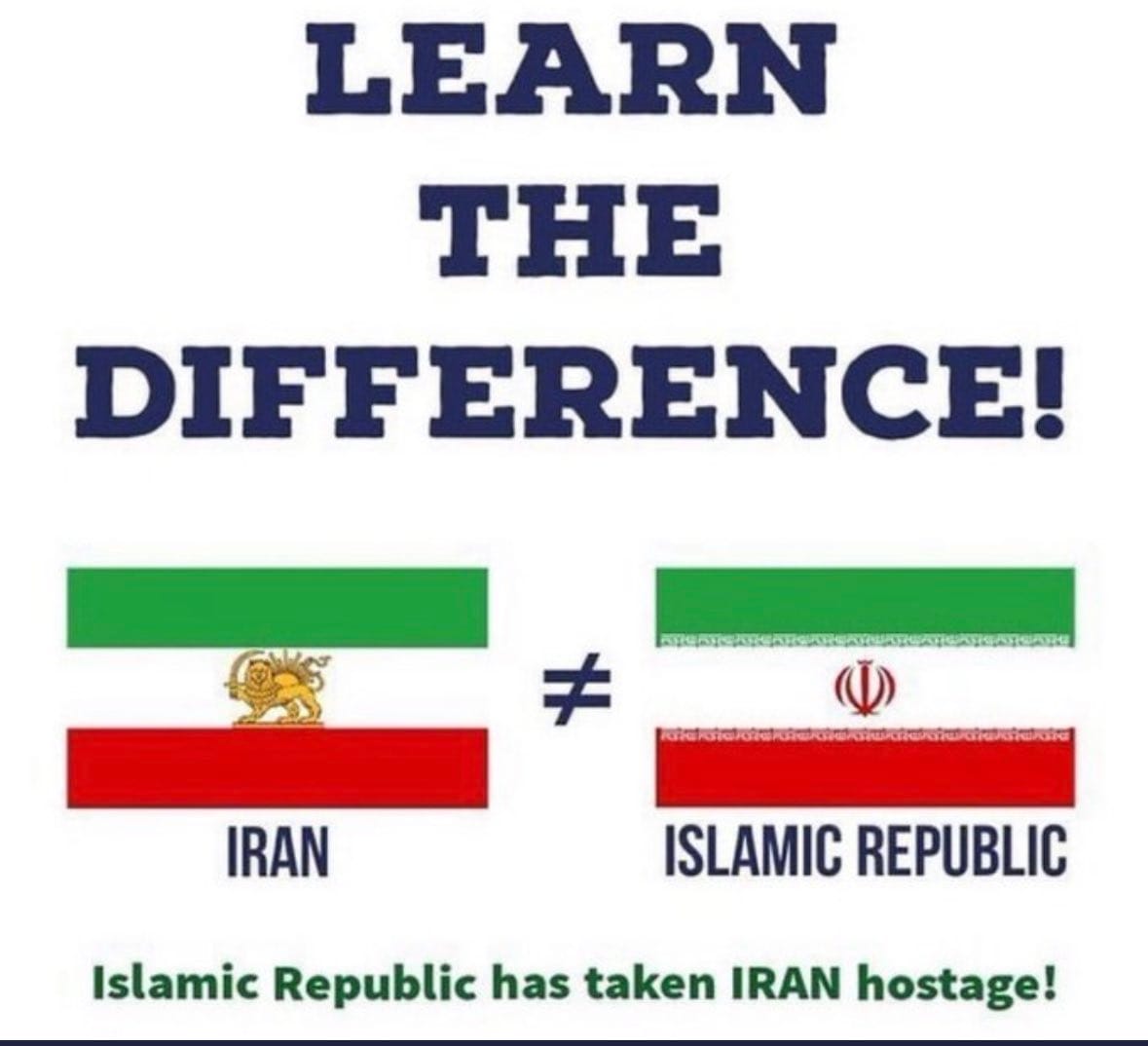
The diaspora that filled much of the stadium is concentrated in Los Angeles, home to the largest Iranian community outside Iran. Many fled after the 1979 revolution, and the lion and sun flag they carried is the flag Iran flew before the Islamic Republic took power.
How many died in in the protests
Nobody can give an exact clean number, because the regime cut the internet on 8 January to make sure of it. So the count runs from the government's own figure up to estimates many times larger, and it's still moving five months on.
Iran's government put the dead at 3,117. The most rigorous named count comes from the Human Rights Activists News Agency, whose Crimson Winter report documented more than 7,000 deaths with names and details, including 6,488 adult protesters and 236 children, with another 11,744 cases still under review. That figure is the floor, the deaths monitors can actually prove.
President Trump urged Iranians to keep protesting and said he'd cancelled all meetings with Iranian officials until the killing of protesters stopped.
The estimates climb steeply from there. The UN Special Rapporteur on Iran, Mai Sato, said at least 5,000 were killed and the toll could reach 20,000. Time reported that two senior Health Ministry officials and a hospital tally put the dead at around 30,000 for 8 and 9 January alone, so many that the state ran out of body bags and used freight trucks to move the bodies. A Johns Hopkins mortality expert quoted in the same report said even that figure is almost certainly an undercount. The 42,000 carried on the World Cup banner and repeated by President Trump sits above every one of those counts.
The killing didn't stop when the streets emptied. Iran Human Rights counts at least 17 protesters executed over the January demonstrations since 19 March, and the number has kept rising. On 1 June the regime hanged Mehrdad Mohammadinia and Ashkan Maleki at Qezel Hesar Prison in Karaj over a mosque fire in western Tehran, convicted on confessions their lawyers say were taken under torture, with a third man in the same case still facing death. On 16 June it hanged Zamani and Saedi at Shahrud. More protesters remain on death row.
Footage from the aftermath of the January crackdown, said to show the bodies of protesters killed by the Islamic Republic.
The woman who took Iran's stadium ban to the world, then went after the IRGC
One of the people in the stands on Monday holds a seat in a European parliament. Darya Safai, an Iranian born member of the Belgian Chamber of Representatives for the centre right New Flemish Alliance, said she carried the banned lion and sun flag into the stadium during Iran's match, according to i24NEWS. She is the first Iranian born person elected to Belgium's parliament, in 2019.
Safai studied dentistry in Tehran and took part in the 1999 student protests against the regime. She was arrested, held in solitary confinement for 24 days and released on bail, then fled with her husband via Turkey to Belgium in 2000. A Revolutionary Court in Iran sentenced her to two years in her absence, according to Kayhan Life.
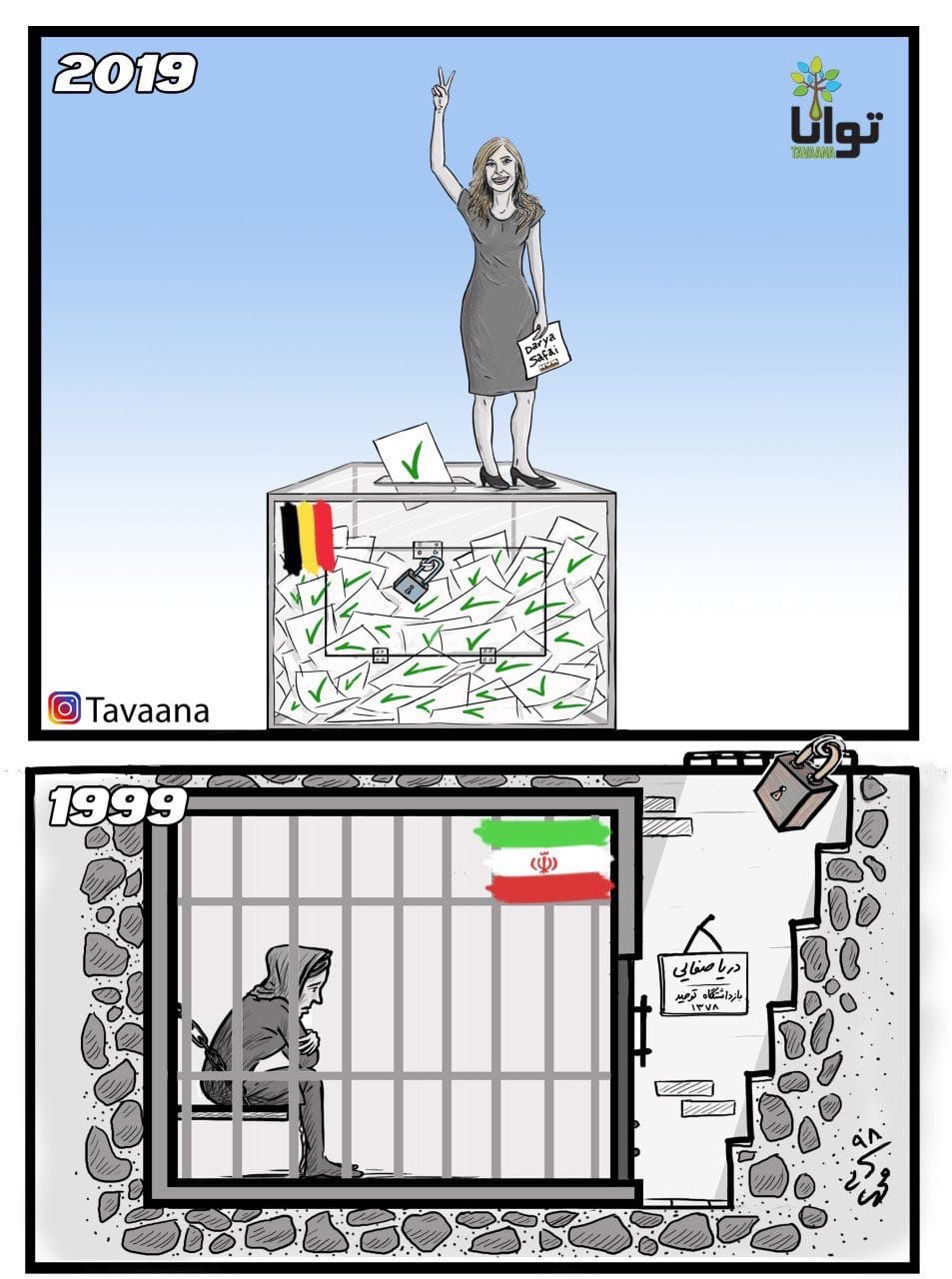
In 2014 she founded Let Iranian Women Enter Their Stadiums, the campaign that put Iran's ban on women attending men's sporting events in front of a global audience. She held the banner at the 2016 Rio Olympics during an Iranian men's volleyball match and refused to take it down when officials told her to.
From inside the Belgian parliament she went at the Islamic Revolutionary Guard Corps directly. The resolution she authored, calling on the European Union to list the IRGC as a terrorist organisation, passed the Belgian House. Days later, Belgian police warned her of an alleged plot by the Iranian regime to abduct her via Turkey, and the Halle-Vilvoorde prosecutor's office opened an investigation. Iran's mission to the EU called the claim "delusional" and denied any plot.
Her line, posted when she registered the resolution, was that the regime jailed her in a solitary cell more than two decades ago and "little did they know that I would emerge from the Belgian ballot box and inform the world about Iran".
Darya Safai with the banned lion and sun flag, which she says she carried into the World Cup match in Los Angeles in defiance of FIFA's ban.
A note to Trump, and a deal the diaspora fears
The protests and the executions came as Trump closed out a deal with Tehran. The United States and Iran signed a memorandum of understanding on 14 June, which Trump declared "complete" on Truth Social. On 17 June he signed a hard copy at the Palace of Versailles during a dinner hosted by French President Emmanuel Macron, with the White House releasing video of the moment.
A formal ceremony with Vice President JD Vance is still expected in Switzerland on 19 June, though Iran's foreign ministry now says the deal was signed digitally and disputes that any Switzerland event will be held. The MOU starts 60 days of negotiations toward a final deal, reopens the Strait of Hormuz and lifts a US naval blockade, with sanctions and Iran's nuclear program left to those talks, the Council on Foreign Relations reported.
President Trump signs the US Iran memorandum of understanding alongside French President Emmanuel Macron at the Palace of Versailles on 17 June. Video: The White House.
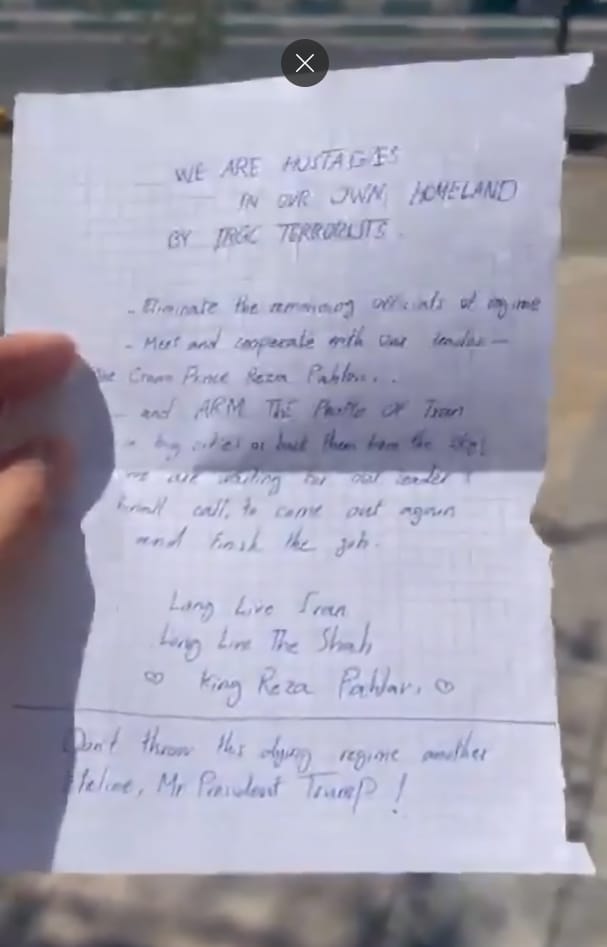
Iran's deputy foreign minister, Kazem Gharibabadi, said Iran sees the deal as a victory, NPR reported. That word is the heart of the diaspora's objection. A handwritten note addressed to Trump, shared on X by a monarchist activist account and said to be from inside Iran, reads "we are hostages in our own homeland" and "don't throw this dying regime another lifeline, Mr President Trump". The note named the exiled Crown Prince Reza Pahlavi as the figure its author looked to.
For the two men hanged in Shahrud, none of it arrived in time. The deal had been signed two days before they were taken to the gallows, and Iran's government has already called the outcome a win.
The official text of the memorandum, released on 17 June and published by NBC News, commits the United States and regional partners to develop a plan worth at least $300 billion for Iran's reconstruction. That's a plan to be settled in the final deal, not money on the table. Vice President Vance has said it would be funded by Gulf states rather than the US, it's tied to Iran's conduct, and a US official said no funds have been released so far, the Hill reported.
Who Reza Pahlavi is, and what he's trying to do
Reza Pahlavi is the eldest son of Mohammad Reza Pahlavi, the Shah who ruled Iran until the 1979 Islamic Revolution, which makes him the former crown prince and heir to what was called the Peacock Throne. He was born in Tehran in 1960 and was training as a fighter pilot in the United States when the revolution toppled his father, who fled Iran in early 1979 and died the following year. Pahlavi never went home. He's 65 now and has lived in exile in the US for more than 45 years, as Al Jazeera sets out.
Reza Pahlavi says the Iranian people aren't represented in the US Iran negotiations, and that 40,000 Iranians didn't die for a deal over the Strait of Hormuz and a nuclear program. Video: Clash Report.
For decades he was the measured face of the opposition, pushing nonviolent change and a secular democracy. His consistent position, as the Atlantic Council notes, is that he's a transitional figure rather than a king in waiting, that Iranians should choose their own system in a referendum, and that he isn't seeking a throne or a title for himself. He hasn't ruled out a constitutional monarchy, but says that's for the ballot box to decide.
The protests pushed him to the front. He made the first call for coordinated nationwide demonstrations on 8 and 9 January, which drew more than a million people into the streets, and crowds began chanting "Javid Shah", long live the Shah, and "Pahlavi will return", the Jerusalem Post reported. He's since called on Iranians to seize city centres and said he's preparing to return to Iran to be there when the regime falls. He has critics inside the opposition who say his support is loudest in the diaspora, but he's the most visible face of the movement, which is why the note reaches for him by name.
For the two men hanged in Shahrud, none of it arrived in time. The deal had been signed two days before they were taken to the gallows, and Iran's government has already called the outcome a win.