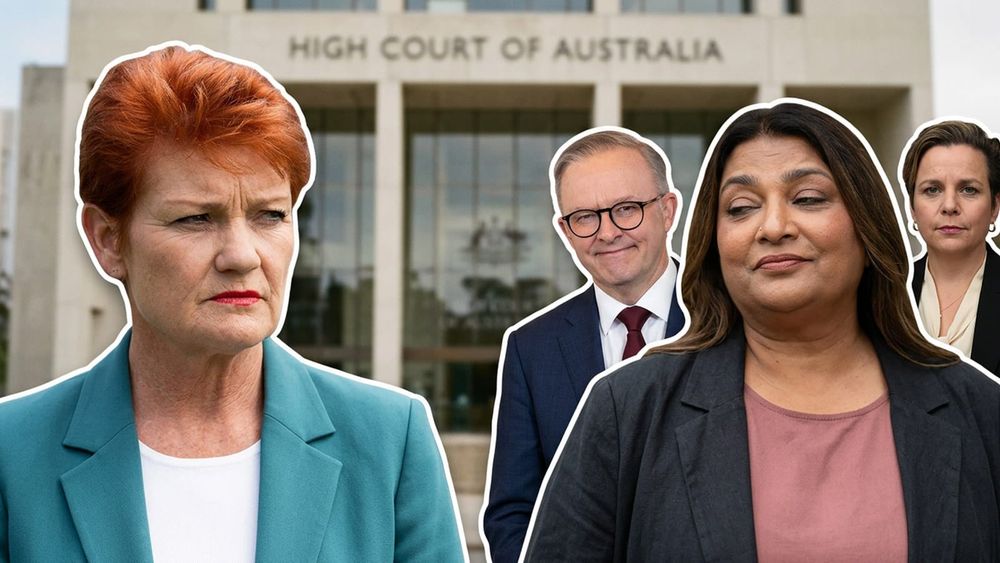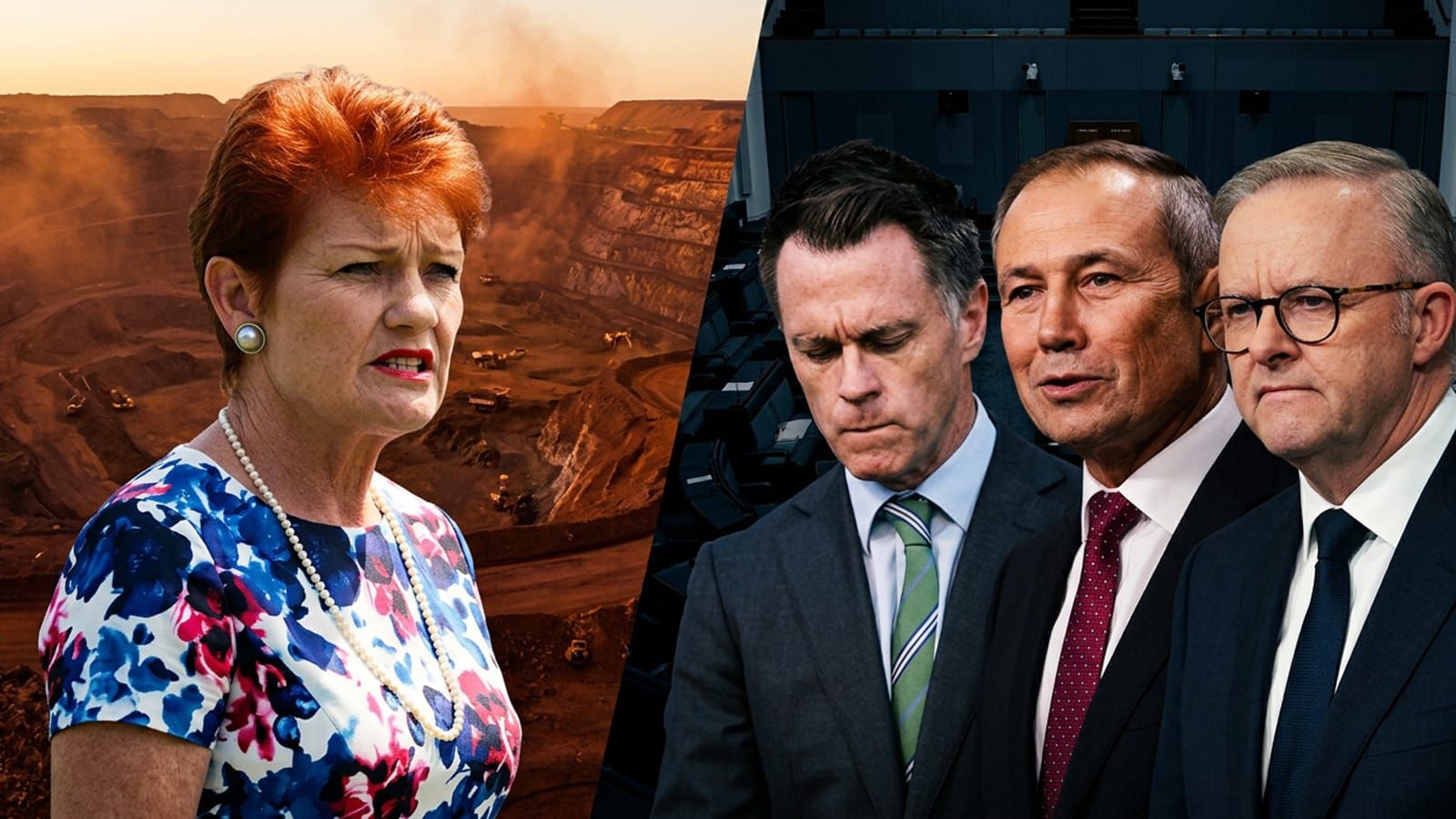
WA Labor’s outrage over the GST review conveniently ignores one glaring fact: Federal Treasurer Jim Chalmers personally set the scope of the investigation.
The Productivity Commission’s 116 page interim report exposes how Scott Morrison’s 2018 deal blew past its original financial estimates. Expected to cost the Commonwealth 5 billion dollars by 2025, the actual bill exploded to nearly 23 billion dollars; a massive fourfold blowout.
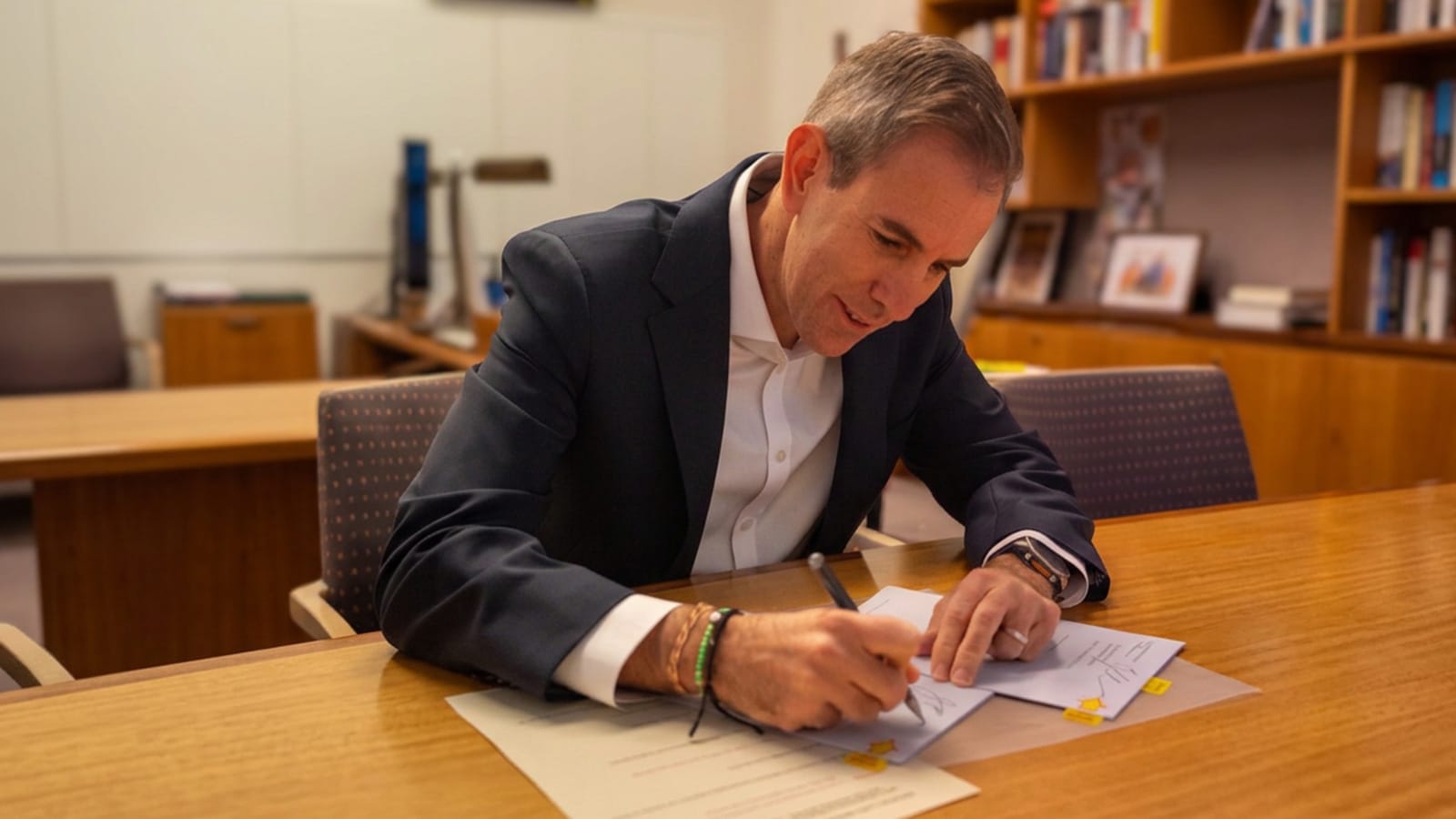
While the 2018 legislation mandated a review by December 2026, the specific terms of reference were written and signed off by Jim Chalmers on 24 September 2025. Chalmers explicitly instructed the Commission to examine "fiscal sustainability" and deliver options comparing current funding levels with and without Commonwealth top ups. Labor ordered the menu of options, yet now acts shocked when the bill arrives.
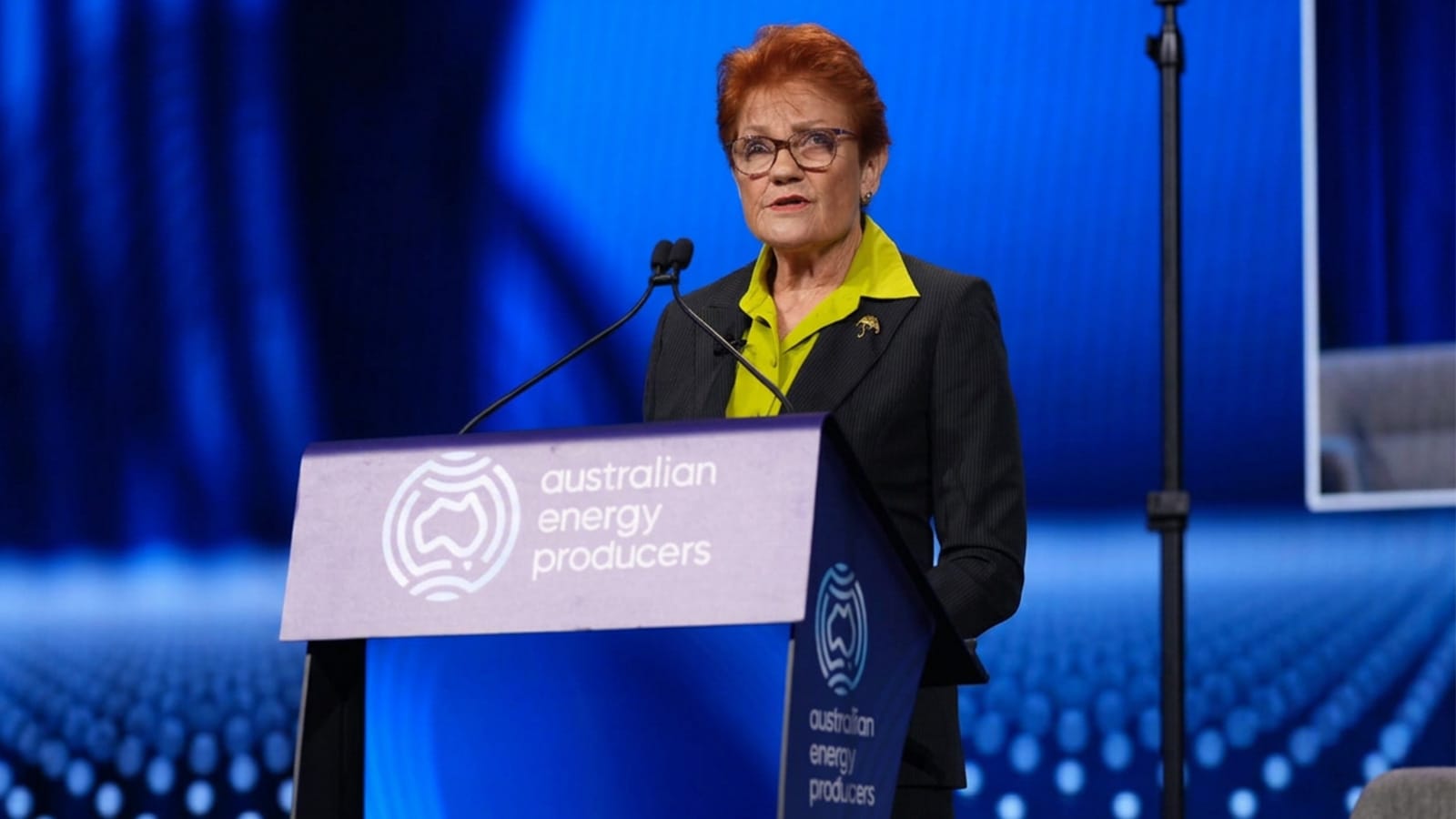
Hanson Calls Out the "Lazy States" Draining WA’s Cash
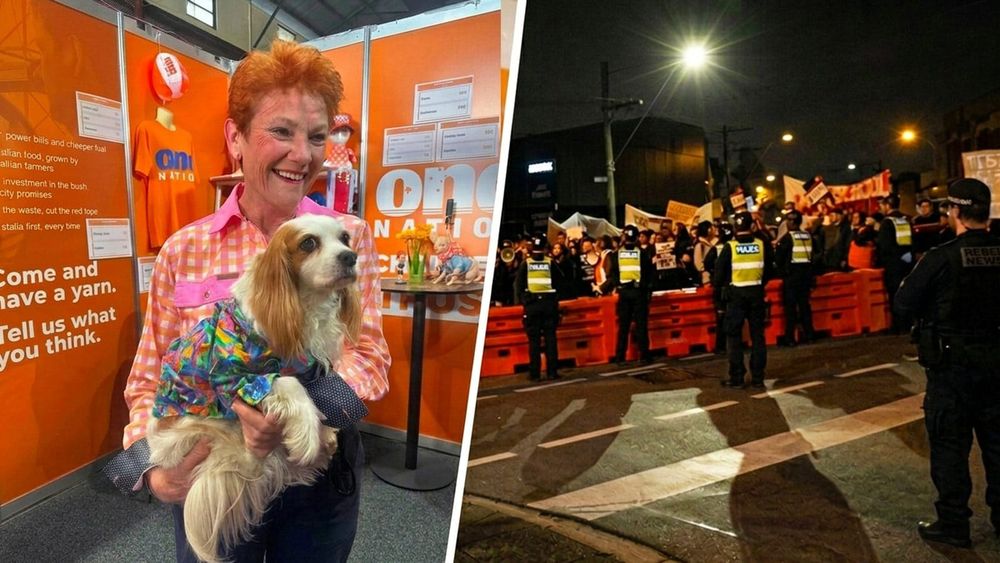
One Nation leader Pauline Hanson wasted no time calling out the eastern states for dragging down the rest of the nation while demanding hand outs from Western Australia.
"I'd say to the States, get your productivity up, look at your resources, get mining going, make sure that you produce the GST and stop relying on everyone else to prop you up," Hanson stated in a News24 interview on 12 August.
Hanson directly targeted states like Victoria and Tasmania for intentionally destroying their own productive industries while relying on WA’s hard earned mining royalties to balance their books. While WA has delivered eight consecutive budget surpluses, the eastern states continue to run massive deficits, turning WA into an economic cash cow to fund their financial incompetence.
How the GST System Was Rigged Against WA
The GST is collected federally and distributed to the states, but it is not split by population. It is carved up under a flawed socialist model called horizontal fiscal equalisation, managed by the Commonwealth Grants Commission.
Under this system, the Grants Commission ranks every state on its revenue raising capacity, penalising states that generate wealth from mining royalties, payroll tax, and stamp duty. The richer a state becomes through its own economic success, the more its GST share is slashed and handed to underperforming jurisdictions.
When Western Australia built the nation’s mining powerhouse, the formula viciously punished the state. As iron ore revenues surged, WA's share of the GST collapsed to a humiliating historic low of about 30 cents in the dollar in 2015-16.
The WA government says the state keeps just 11% of its iron ore, nickel and lithium royalties, with the other 89% redistributed to states that refused to develop their own resource sectors, while other mining states keep up to 98% of theirs. Western Australia was used as an endless cash cow while being systematically punished for working harder than the rest of the country.
Scott Morrison’s $23 Billion Fiscal Disaster
In 2018, then Treasurer Scott Morrison sold his GST reform package as a permanent fix to Western Australia's unfair distribution. In reality, Morrison engineered a deeply flawed, politically motivated compromise that has collapsed under its own weight.

Morrison’s package was projected to cost the Commonwealth about 5 billion dollars by 2024-25. The Productivity Commission’s interim report reveals the appalling reality: Morrison’s policy blew out to nearly $23 billion over the same period, more than four times his original estimate.
Instead of designing a clean, sustainable funding model, Morrison stitched together a Frankenstein policy of artificial floors, moving benchmarks, and open ended federal guarantees. The result is a broken system that severed the direct link between state productivity and GST revenue, leaving Commonwealth taxpayers to foot a multi billion dollar bill to prop up eastern state budgets.
The Three Parts of Scott Morrison's Failed GST Model
| The change | What it actually does | Who it serves |
|---|---|---|
| The relativity floor | Guarantees WA a minimum share of every GST dollar no matter what the formula says it needs, set at 70 cents in 2022-23 and lifted to 75 cents in 2024-25 | Western Australia, which keeps a floor under its share however high iron ore goes |
| The standard state benchmark | Pegs that minimum to whichever of New South Wales or Victoria has the greater fiscal capacity, replacing the old rule that lifted every state to the level of the strongest, which by then was WA itself | Western Australia, whose share now rises when the eastern states weaken |
| The no worse off guarantee | Forces Canberra to top up every other state and territory out of income and company tax so none of them ends up behind where the old system would have left them | Every state and territory except WA, with the bill sent to federal taxpayers |
Income Tax Subsidies Replacing True GST Reform
Under standard economic rules, the pool of GST money is fixed. If one state gets a larger slice, every other state must get less. Rather than forcing underperforming eastern states to tighten their belts, the Commonwealth agreed to subsidise their budgets out of its own revenue, specifically relying on income tax and company tax collections.
The Productivity Commission laid bare the core failure of Scott Morrison's 2018 policy, noting that the changes "severed the longstanding nexus between the GST pool and HFE payments, as the Australian Government funds these payments from other revenue sources."
Instead of fixing the GST distribution system, the federal government began using worker income taxes to patch up state budget deficits.
How the $18 Billion Cost Blowout Was Hidden
When the 2018 package was sold to the public, the initial 5 billion dollar cost estimate only covered short term transitional payments and a modest top up to the overall GST pool. That top up started at 600 million dollars a year, rose to 850 million dollars, and continues to climb alongside the growth of the GST pool.
What Scott Morrison's government completely left out of its calculations was the "no worse off" guarantee.
The forecasts behind that estimate came from state treasuries, which assumed iron ore prices would ease and the guarantee would rarely be needed. Instead, iron ore prices remained strong, Western Australia's assessed share under the old Grants Commission formula stayed low, and the guarantee was triggered continuously year after year.
That single calculation error is where the extra 18 billion dollars in taxpayer money went, exposing a massive policy failure that both major parties in Canberra are now trying to blame on WA.
The Commission's Damning Comparison
The Productivity Commission's report lays out the sheer absurdity of Scott Morrison's rigged deal in black and white.
In 2024-25, Western Australia received enough GST revenue to cover 113% of its assessed fiscal needs. Meanwhile, every other state was left scraping by at 98%.
To bridge that gap and drag eastern states up to 100 percent, Canberra had to hand over an extra $5.4 billion in federal top-ups. If the Commonwealth wanted to put every state on equal footing with Western Australia's 113 percent share, federal taxpayers would be slapped with an impossible $47 billion bill in a single year.
Commission Deputy Chairman Alex Robson slammed the runaway costs, revealing the deal bleeds more than $6 billion a year out of federal coffers.
"The 2018 changes reshaped a system that needed targeted reform, leaving taxpayers with a large and growing bill," Robson warned.
That $6 billion annual price tag is enough money to give every single working Australian a $450 income tax cut every single year. Instead, both major parties are burning that cash to subsidise incompetent eastern state treasurers.
Perverse Incentives: Cash for Eastern State Disasters
The absurdity of Scott Morrison's GST model reaches its peak when natural disasters hit the east coast.
Under the "standard state benchmark" rule, no jurisdiction is permitted to receive less GST per capita than whichever is stronger between New South Wales or Victoria. The Productivity Commission exposes the unintended flaw in this logic: if New South Wales is struck by a catastrophic bushfire and incurs massive recovery costs, its assessed financial need climbs, automatically increasing its GST allocation.
Because Western Australia's share is artificially linked to New South Wales under Morrison’s benchmark, WA gets a sudden, windfall boost in GST funding for a disaster occurring on the opposite side of the continent.
Productivity Commission Commissioner Angela Jackson laid out the sheer dysfunction of the arrangement, pointing out that the 2018 changes effectively established two separate standards for Australian taxpayers.
"The GST system is now built on two sets of rules: one for states in a better fiscal position than Victoria and New South Wales, such as Western Australia, and another for everyone else," Jackson stated. "If a state like South Australia improves its fiscal position, they get less GST because they are considered to need it less. If Western Australia improves its fiscal position, they either don't lose any GST or potentially receive even more."

The Commission's Proposed Alternatives
To dismantle this distortion, the Commission’s primary recommendation urges the Commonwealth to move back towards the pre-2018 equalisation model.
To handle single state dominance in sectors like iron ore, the Commission proposes instructing the Grants Commission to address those dominant state effects wherever they arise.
Its alternative fallback involves returning to the original distribution rules while making separate, direct cash payments from federal coffers to compensate affected states, removing political tinkering from the core GST pool altogether.
Hanson Calls Out the Anti-Industry States Living Off WA
One Nation Leader Pauline Hanson pulled no punches in backing Western Australia's right to keep its fair share of the GST, declaring that eastern states made themselves poor through deliberate anti-industry policies.
"I'm not pulling anything from WA," Hanson said, questioning why Western Australia was ever forced to accept a lower GST return than the rest of the nation. She praised Western Australia as a productive state that has actively fostered business growth and created genuine economic prosperity.
Hanson specifically singled out Victoria and Tasmania for shutting down their own primary industries before turning to Western Australia to bankroll their budgets.
"What's Victoria doing? They've destroyed the whole gas industry down there, the mining sector, everything," Hanson stated. "It's like in Tasmania, they shut down the timber industry and all the other industries, and yet they're getting propped up by the GST from other States. These States need to get their act together. These States cannot rely on other States to prop them up."
This Prime Minister can't even tell the truth about how many melons he received.
— Pauline Hanson 🇦🇺 (@PaulineHansonOz) August 12, 2026
Australians are being crushed by bad policy, weak leadership and a government that refuses to listen. The Prime Minister must be held to the same standard he demands of everyone else, accountability… pic.twitter.com/aW31sBghz8
The Numbers Prove WA Is Being Used as a Cash Cow
The financial reality completely validates Hanson’s argument. Western Australia Treasurer Rita Saffioti pointed out that eastern states willingly ignore the 11 billion dollars in WA mining royalties being redistributed across the country through the GST formula this year alone, warning that Western Australia is treated as an endless cash cow.
While Western Australia delivered its eighth consecutive budget surplus heading into 2026, the eastern states continue to plunge deeper into debt.
Victoria's Treasurer Colin Brooks accidentally proved Victoria's total reliance on WA wealth when arguing against unwinding the 2018 model. Brooks admitted that if the "no worse off" federal guarantee is scrapped, Victoria would instantly lose 1.8 billion dollars this year alone.
The facts are undeniable: eastern state governments intentionally killed their own productive industries, ran up record deficits, and now depend on Western Australia’s mining royalties to keep their budgets afloat.

Chris Minns Makes a Fool of Himself Over WA's Wealth
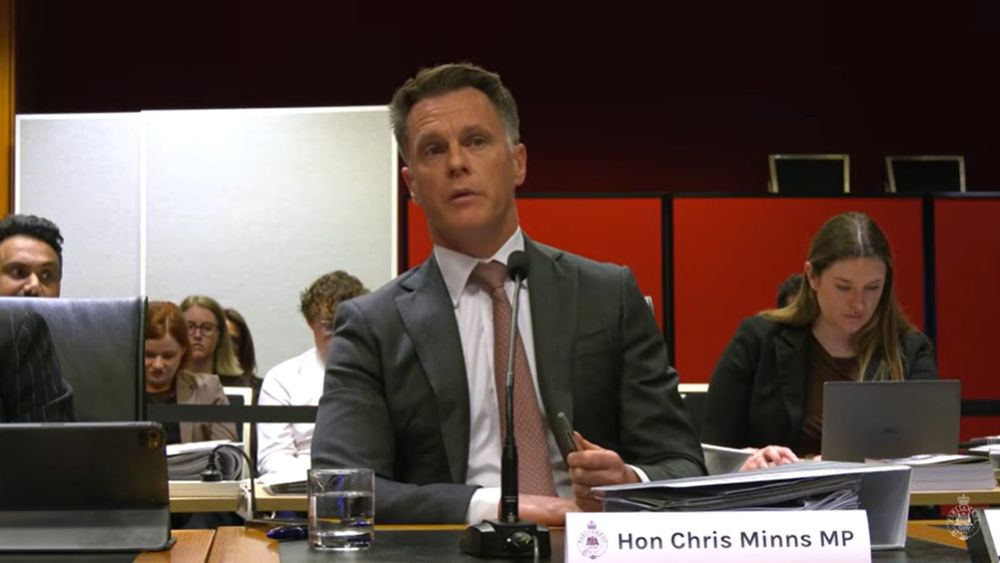
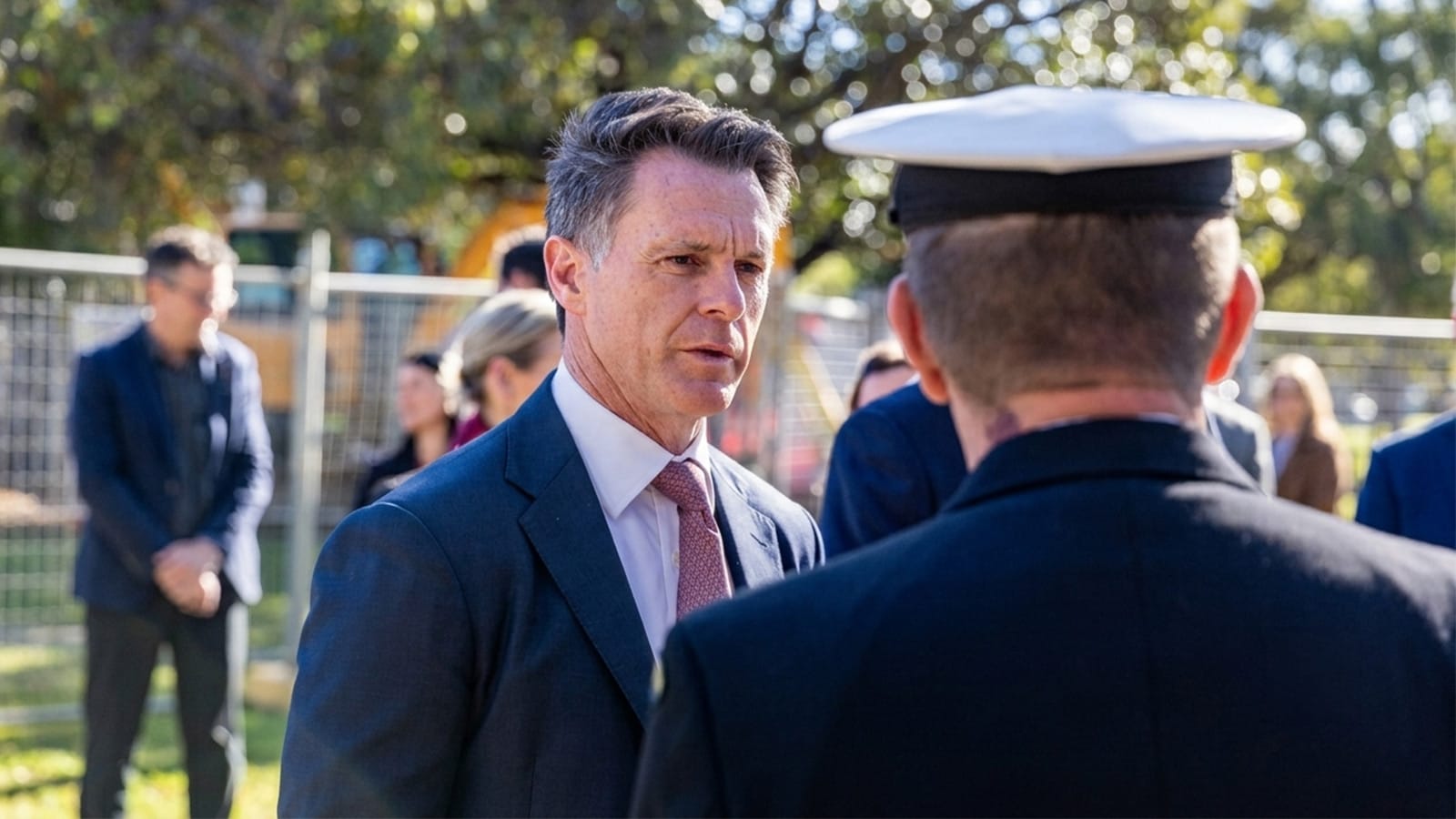
New South Wales Premier Chris Minns resorted to childish taunts when faced with his own government's financial failure, publicly comparing Western Australia to a Gulf petrostate. Minns whined that WA was "so wealthy and so rich they are competing and bidding on NSW rugby league games."
Instead of fixing his own bloated state budget, Minns chose to cry on the national stage because WA businesses actually earn their money. He conveniently ignored the fact that New South Wales rakes in billions from poker machines and land taxes, yet still demands a direct subsidy from Western Australian iron ore miners.
Minns was joined by his Treasurer, Daniel Mookhey, who called the 2018 changes an "expensive failure", and Queensland Treasurer David Janetzki, who demanded Canberra dismantle the deal. The east coast premiers demonstrated a complete lack of basic economics, treating WA’s hard earned GST share as a slush fund to paper over their own financial mismanagement.
Roger Cook's Empty Bluster Exposes Labor's Weakness
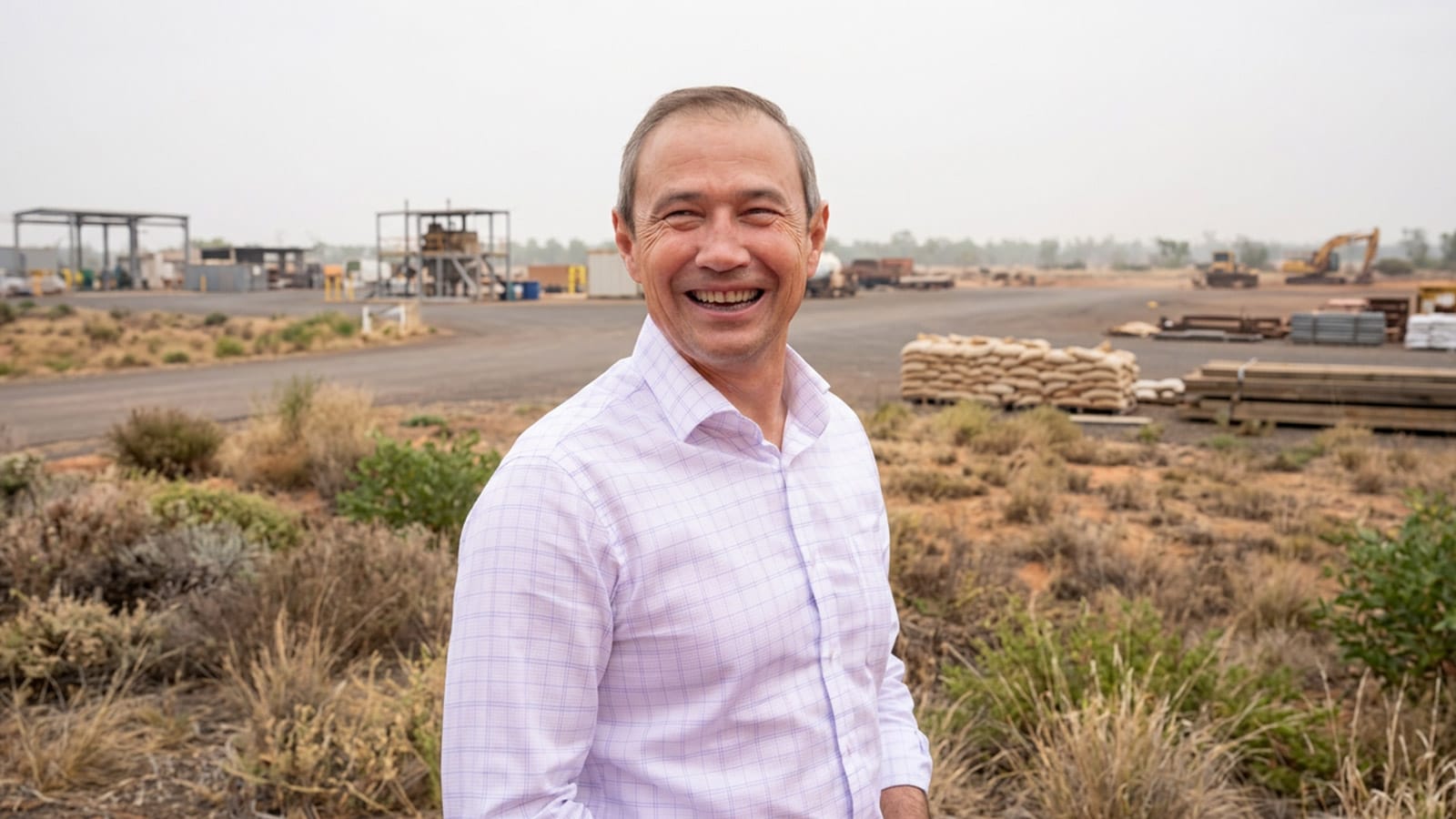
WA Premier Roger Cook put on a show for local voters, labelling the Productivity Commission's authors "east coast clowns" and calling the report "dodgy, deceitful, and dumb." Cook claimed these "east coast whingers" simply do not understand WA, assuring West Australians that Prime Minister Anthony Albanese promised him over the phone that the GST deal was safe.
Cook's grandstanding rings hollow. The very review threatening WA's GST share was scoped, launched, and supervised by Cook's own Labor colleague in Canberra, Federal Treasurer Jim Chalmers.
While Cook calls people names on Perth television, his federal Labor bosses are actively building the legal case to dismantle WA's GST floor. Cook expects West Australians to trust a private phone call from Anthony Albanese, the same Prime Minister whose government set up this exact review.
When it comes to standing up to Canberra, Roger Cook offers nothing more than cheap headlines and political weakness, leaving WA's wealth entirely undefended against the east coast establishment.
Anthony Albanese's Sharpie Stunt Exposes Labor's Empty Guarantees
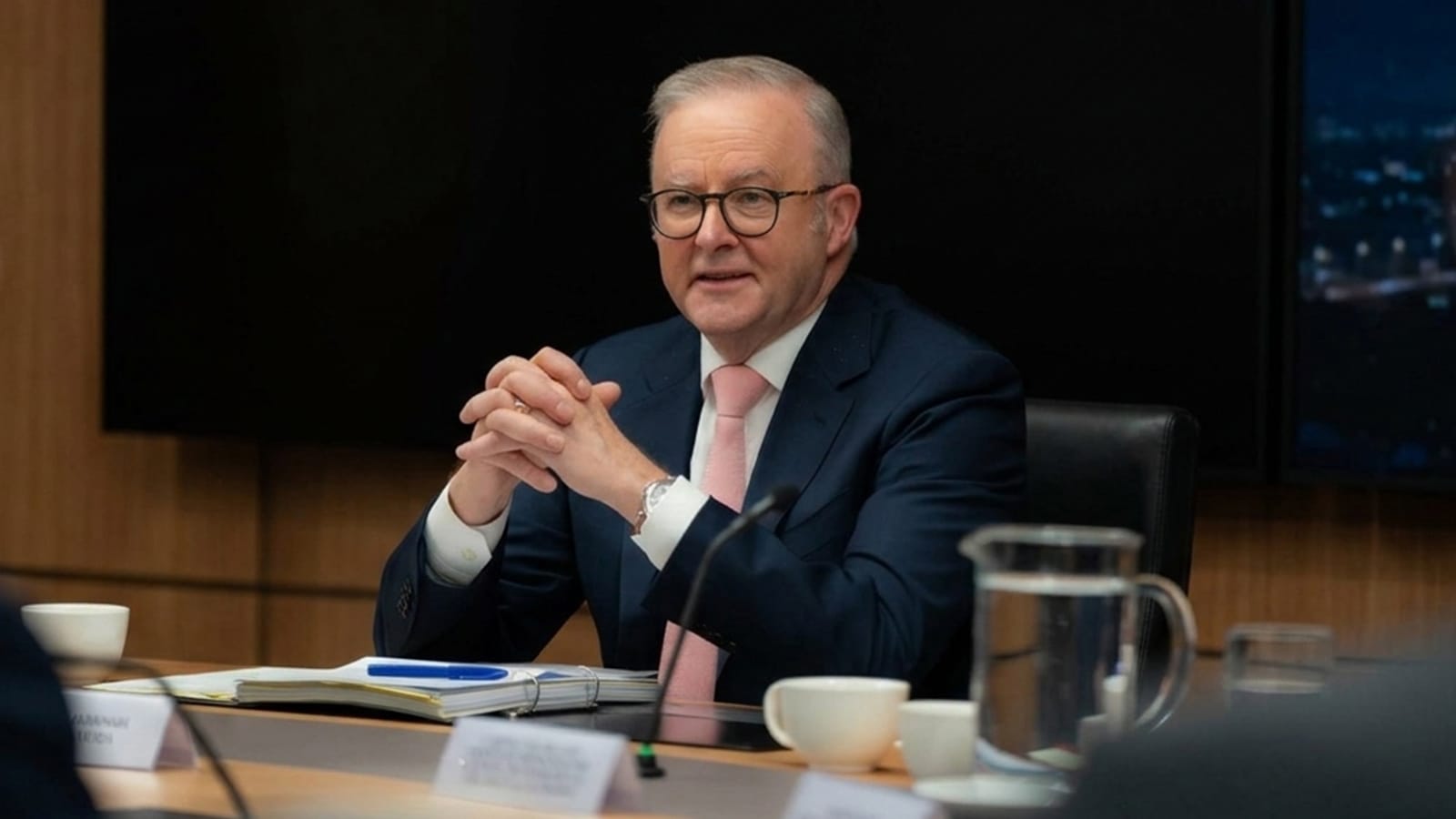
Prime Minister Anthony Albanese attempted to dodge responsibility for the Productivity Commission report, weakly claiming the inquiry was "commissioned by the Morrison government, not by our government."
Albanese treated West Australians like fools, pretending his administration was a helpless bystander. The review was mandated by law, and the exact terms of reference were written and signed off by his own Federal Treasurer, Jim Chalmers.
Albanese's shiftiness stands in sharp contrast to his theatrical PR antics in Perth. In February 2024, Albanese pulled out a Sharpie marker at a Perth press conference, writing "NO CHANGE TO WA GST" on a journalist's forearm alongside his personal signature. He bragged to the media, telling the reporter to go to a tattoo parlour and make it permanent.
Within minutes of the Productivity Commission report landing, the opposition was circulating the clip of Albanese's Sharpie stunt. West Australians are now asking what a Prime Minister's signature is actually worth when his own Treasurer sets up the exact review that recommends tearing the deal apart.
Both Major Parties Scramble as Political Backlash Grows
Panic has gripped politicians in both major parties as they realise West Australian voters are fed up with Canberra's economic game playing.
Jim Chalmers rushed to reassure WA that the federal government will not unwind the floor, while WA Liberal MPs Michaelia Cash and Andrew Hastie declared any attempt to dismantle the deal would happen "over our dead bodies."
West Australians have heard these political guarantees before. While Canberra politicians make grand speeches and sign reporters' arms for cheap television photo opportunities, their own bureaucratic machinery works overtime to strip WA of its hard earned wealth.
Labor’s Absolute Hypocrisy Exposed Ahead of Secret Harbour Vote
The timing of this GST report could not be worse for Premier Roger Cook. The interim findings dropped just 15 days before Secret Harbour voters head to the polls on Saturday 29 August, where One Nation candidate Luke Herdegen is mounting a formidable challenge in what was once considered a safe Labor stronghold.

Cook’s fake outrage on local television exposes his absolute hypocrisy. Labor has held power in Western Australia for nine continuous years and has held federal power in Canberra since 2022. If Labor truly cared about securing WA’s GST share for the long term, they could have legislated permanent protections at any stage over the last four years.
Instead, federal Labor deliberately crafted the terms of reference for this review, while state Labor sat silently by, hoping local voters wouldn't notice until after the election.