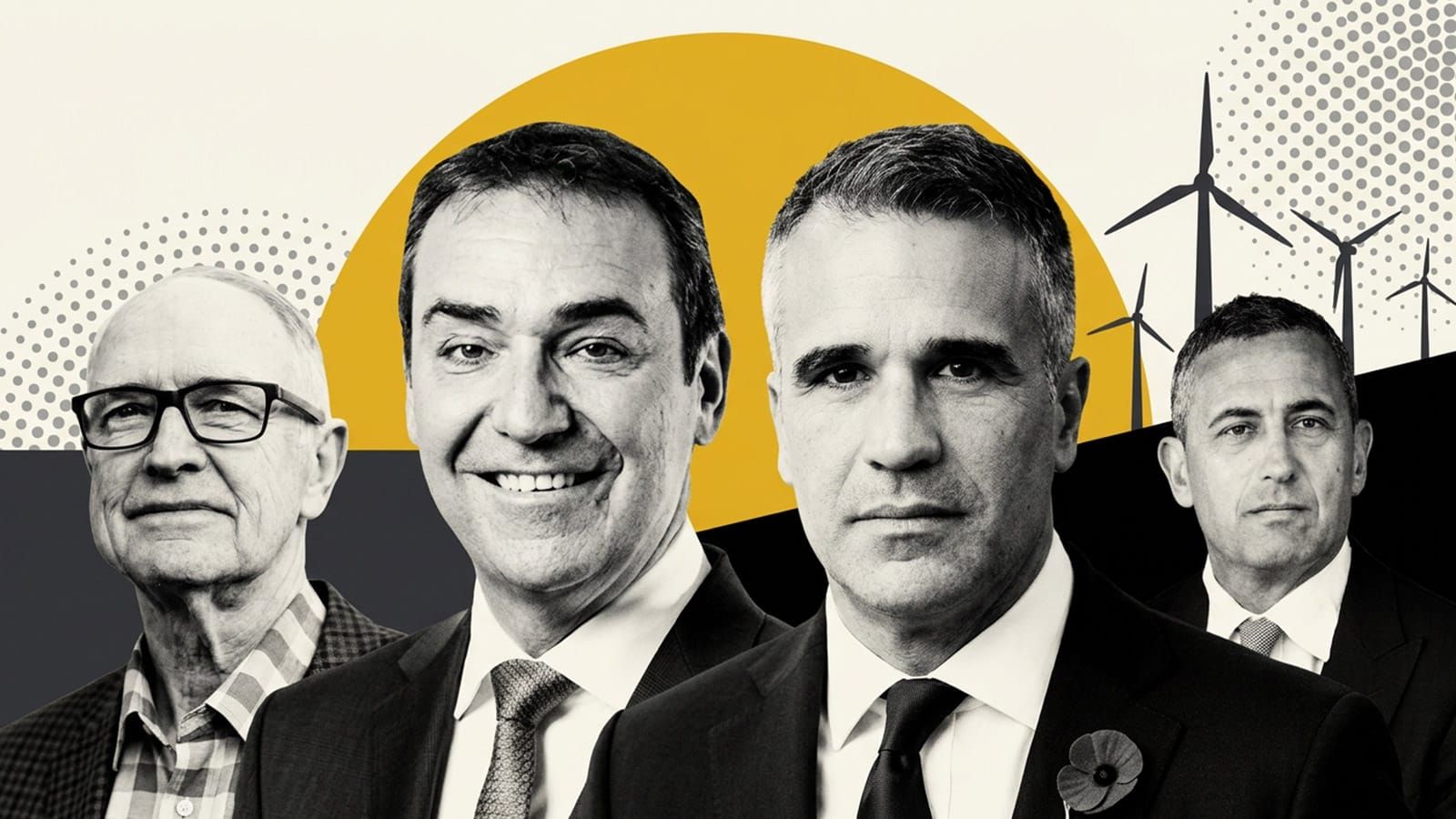
Five years after signing a massive $1.53 billion power agreement, South Australian taxpayers have been left with no solar farm, no battery, and a $1.1 billion corporate failure. Retailer ZEN Energy, co-founded by economist Ross Garnaut, has collapsed into liquidation after disastrous market speculation wiped out its balance sheet.
Despite the promised green infrastructure being scrapped almost immediately after execution, the state kept buying electricity until the company failed in 2026. Today, the state is owed nearly $10 million, SA Power Networks is chasing $20 million, and creditors face a total washout on empty promises.

$1.53 Billion Tied Up for 15 Years: How the Liberal Government Sold Out Taxpayers on Phantom Green Jobs
The Liberal government signed off on a colossal 15 year power contract covering every state government building in South Australia, hyping it as a dual win for green energy and employment.
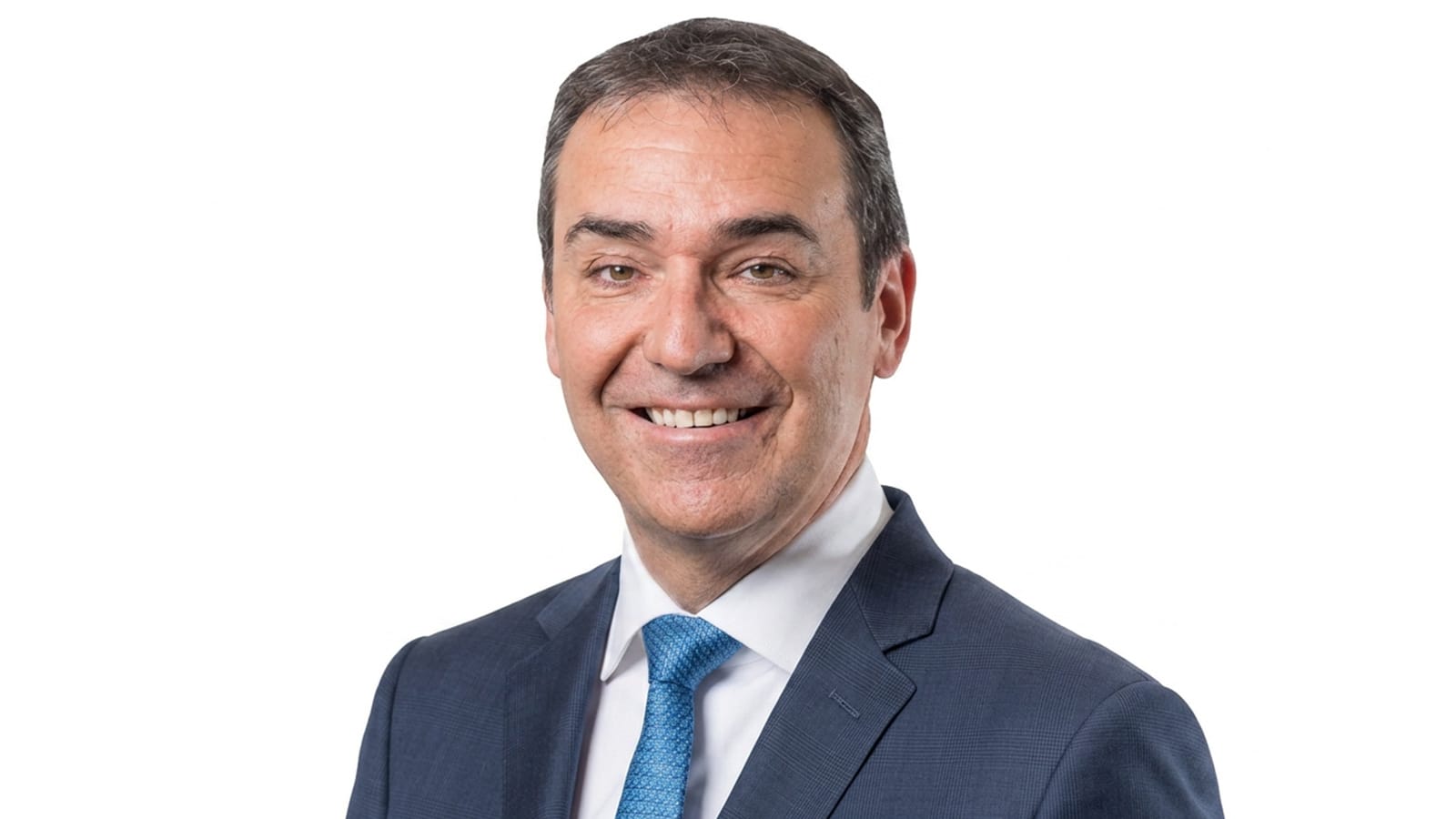
Premier Steven Marshall and Energy Minister Dan van Holst Pellekaan triumphantly announced the $1.53 billion deal on 1 November 2020, claiming it would save $12.8 million while delivering 810 jobs through a 280MW solar farm at Cultana and a 100MW battery at Playford via SIMEC Energy Australia. Instead, the deal handed over public money on paper thin promises, leaving the state locked into a deal until 31 December 2035 for projects that were abandoned.
Taxpayers were sold a supply deal backed by green infrastructure that the retailer did not even control when the contract went live. Sanjeev Gupta’s SIMEC Energy Australia held the rights to the Cultana solar farm and Playford battery, but Gupta severed ties with ZEN in August 2020, retaining full control of both builds.
Company filings show Gupta exited ZEN’s board in July 2020, yet the state signed the contract in October anyway. By May 2021, SIMEC pulled the plug on the generation licence applications before cancelling both projects completely. Instead of terminating the deal, the state allowed ZEN to collect public funds for five more years.
Labor Kept Buying Power from a Failing Retailer while Millions Vanished into a High Risk Energy Sinkhole
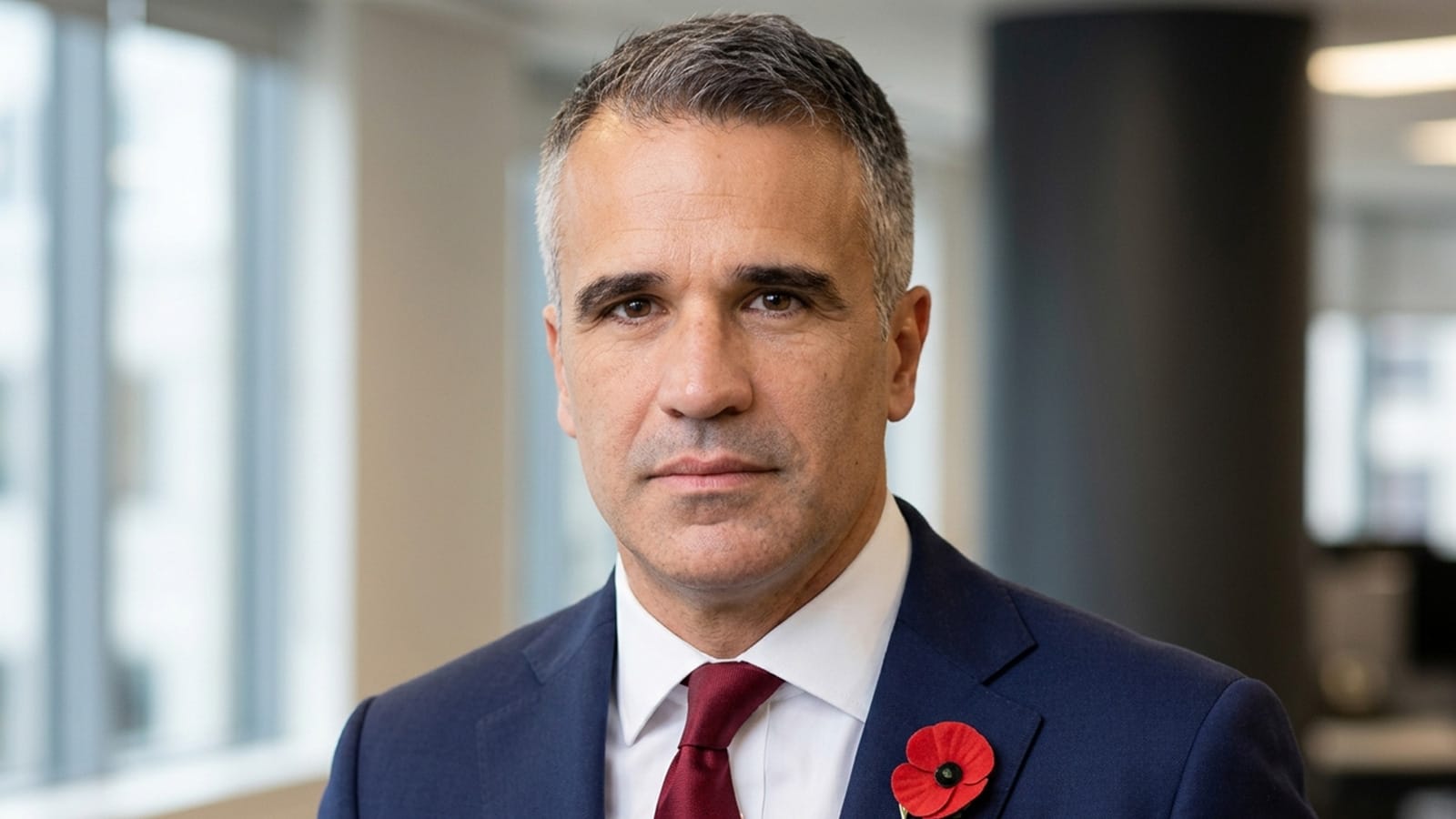
Peter Malinauskas took power in March 2022 with 13 years left on a massive contract whose foundational solar and battery projects were already dead. Public registers show the agreement ran to 2035, yet no public record explains who quietly extended it past its initial 2030 expiry or why no state official called out the missing infrastructure.
Instead, the government kept transferring millions in public funds to ZEN Energy as the retailer plunged into a catastrophic spiral: losing $69 million, then $163 million, and finally blowing a $322 million hole in its balance sheet. The state only pulled the plug in July 2026 when administrators McGrathNicol stepped in, 60 staff were made redundant, and creditors voted to liquidate the collapsed business.
| Financial year | Loss before tax |
|---|---|
| 2023-24 | $69 million |
| 2024-25 | $163 million |
| 2025-26 | $322 million |
Losses before tax as reported by the administrators, McGrathNicol.
A staggering $70 million of the final year’s loss was torched in pure market trading. Administrators exposed ZEN's reckless "high risk trading strategy," which left the company dangerously long on solar energy and completely short on battery storage.
The retailer had locked itself into far more daytime solar than it could ever sell at a profit, forcing it to dump power at catastrophic losses when midday sun flooded the market and crashed prices. The very batteries meant to save the business by storing cheap power for lucrative evening peaks were never built in time.
Trading on Borrowed Time: Regulators Left An Insolvent ZEN Energy Free to Sell Power for 129 Days
The administrative autopsy reveals a shocking lapse in regulatory oversight: ZEN Energy was commercially insolvent from at least 27 February 2026, yet it continued to sell power across five states and territories for more than four months. SA Power Networks grew so desperate over unpaid debts that it filed Federal Court action in June to liquidate the retailer, weeks before company directors finally brought in administrators on 3 July.
Despite the court action and deep financial rot, the Australian Energy Regulator sat on its hands until midnight on 6 July before revoking ZEN's retail license, finally triggering the Retailer of Last Resort mechanism to offload stranded customers onto default providers like AGL.
Labor Government Claims Victory while $1.1 Billion Debt Leaves Creditors and Workers Empty-Handed
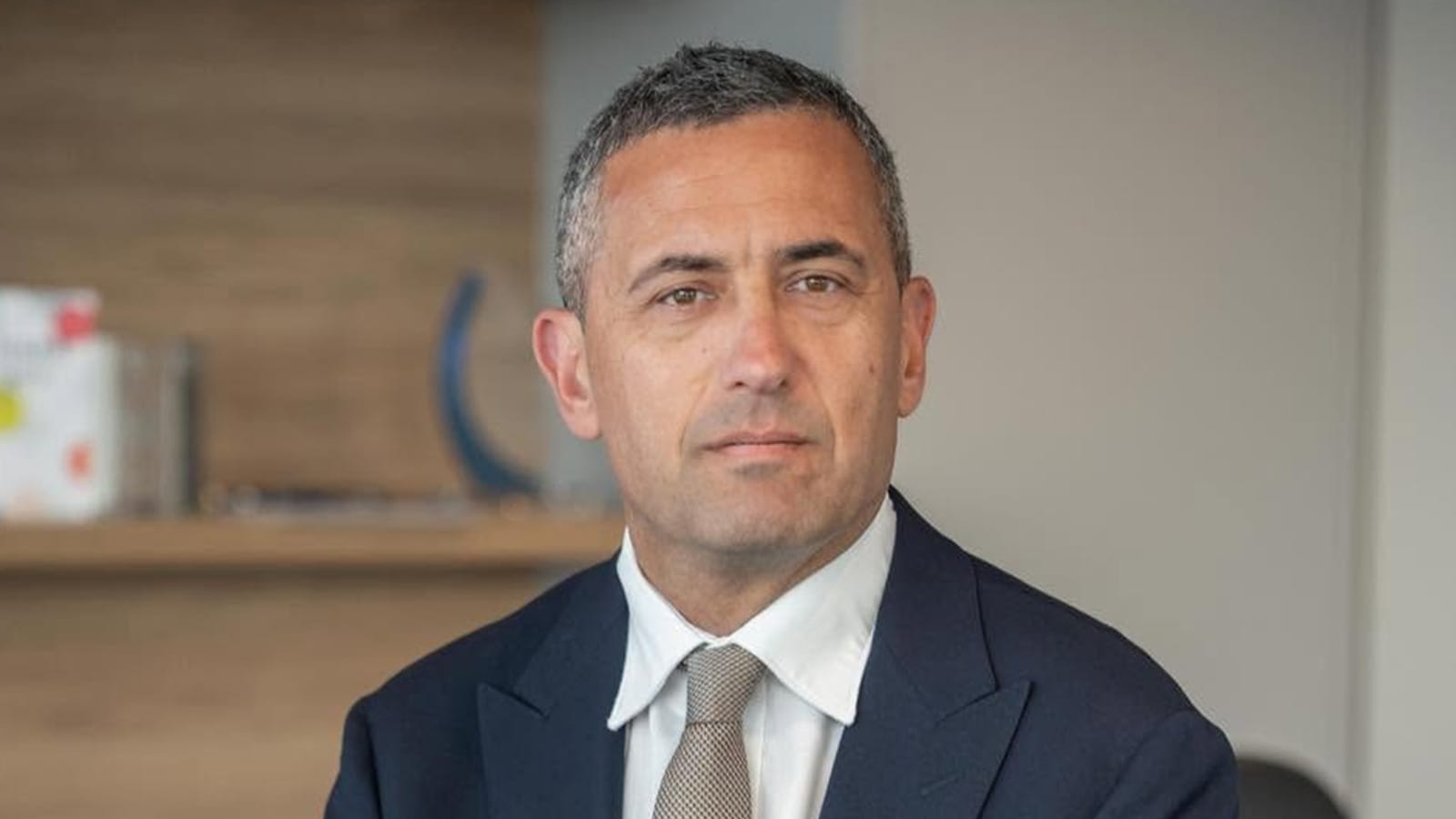
Treasurer Tom Koutsantonis has brushed aside criticism of the ZEN Energy disaster, claiming the state locked in "extraordinary rates" and saved money throughout the arrangement. Attempting to minimise the government’s $10 million hit, he shifted attention to retail victims, calling the administration a sad day for local mums and dads who trusted their money with a renewable retailer.
The maths tells a far darker story than the political rhetoric. With $1.1 billion in liabilities and a mere $45 million in asset recoveries, secured creditors will be lucky to see 10 cents on the dollar. Unsecured creditors and local noteholders face a total loss, 60 workers have lost their jobs, and shareholders are left holding worthless equity.
| Who is out of pocket | Amount | How the money was at risk |
|---|---|---|
| SA government | Close to $10 million | Owed directly as a customer under the electricity contract |
| SA Power Networks | More than $20 million | Unpaid network charges for delivering electricity |
| Noteholders | Likely nil | Money lent directly to the company by private investors |
| Unsecured creditors | Likely nil | Suppliers and businesses owed money by the company |
| Shareholders | Nothing | Equity ranking dead last behind every creditor |
| 60 staff members | Their jobs | Made redundant after the retail arm failed to find a buyer |
Figures from the administrators and from Treasurer Tom Koutsantonis. Each line is a separate loss with its own cause, and they aren't added together here.
ASIC Filings Place Policy Guru Ross Garnaut Inside ZEN Command Structure as Insolvency Hit
Australia’s foremost climate policy architect remained in key corporate governance roles as ZEN Energy crossed into insolvency. Documents lodged with the corporate regulator expose that Ross Garnaut, who stepped down as chair in February 2026, remained a director of ZEN Energy Pty Ltd and ZEN Energy Retail Pty Ltd, as well as company secretary, until 7 April 2026. This timeline anchors Garnaut to both governing boards for roughly six weeks after 27 February, the exact date administrators identify as the start of the company's insolvency.
Although the insolvency date remains a preliminary assessment rather than a court ruling, and no wrongdoing is alleged against Garnaut, his financial ties run deep: his family’s private firm is the largest ordinary shareholder in the collapsed retailer, sitting alongside preference shares registered to a private company named for Simon and Katrina Holmes à Court. Christopher Mark Butcher assumed the chairmanship on 18 February 2026, but the elite board credentials and high profile backing were not enough to halt a total collapse.
Bailouts, Blowouts, and Ghost Infrastructure: How ZEN Fits Into Australia’s Energy Crisis
ZEN’s $1.1 billion failure ranks among the nation's most notorious energy sector disasters, sharing space with the $2.5 billion Tomago smelter intervention and Snowy 2.0's descent from a $2 billion estimate to a $12 billion total. The legal structures set them apart: Tomago was a targeted industrial rescue, Snowy 2.0 remains a direct government build, and ZEN was a retail supplier that extracted public money while burning through its own balance sheet.
With the state government standing in line with other unsecured creditors to recoup its losses, South Australia has yet to clarify if it will ever take action over the unbuilt solar and battery assets that served as the contract's original justification.