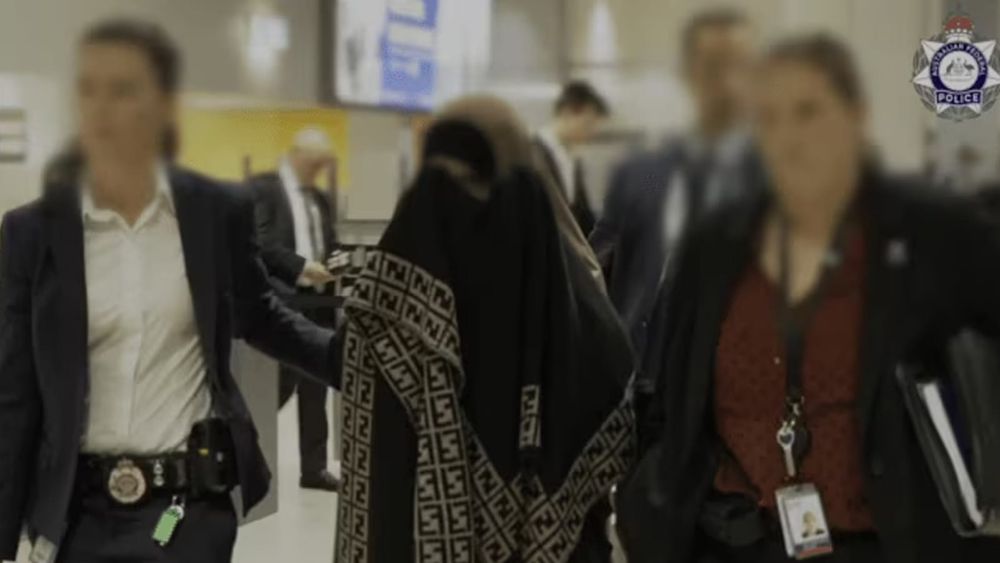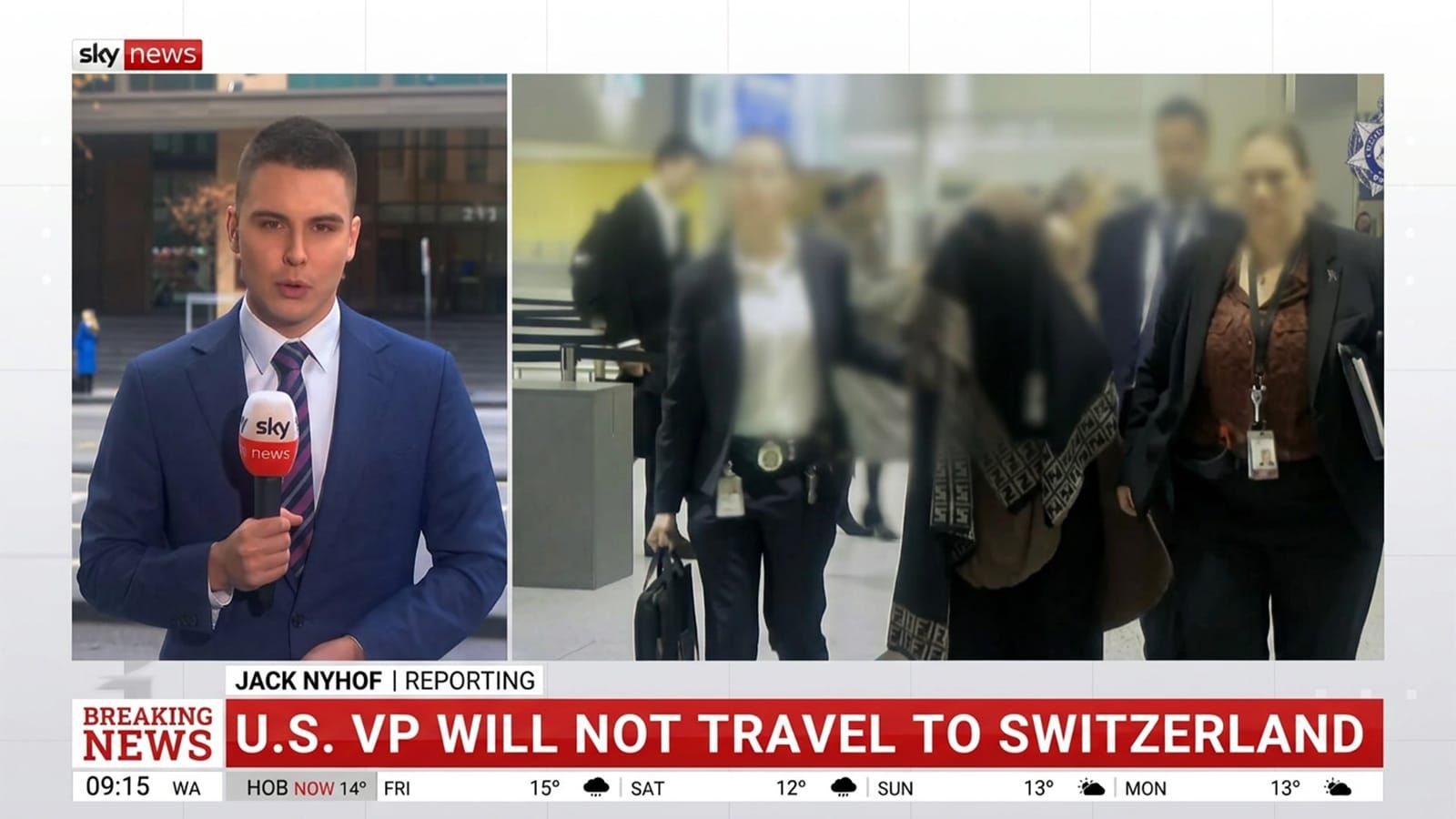
Kawsar Abbas, 54, the matriach of the ISIS brides, has told a Melbourne court she's instructed her lawyers to begin divorce proceedings against her husband and now wants to live a "small scale and peaceful existence" in Australia.
Abbas appeared at the Melbourne Magistrates' Court on Monday as her bid for bail continued before Chief Magistrate Lisa Hannan. She's one of two women at the centre of what prosecutors have called Australia's first prosecution for crimes against humanity, over allegations the family bought and used a Yazidi teenager as a slave while living under Islamic State rule in Syria.
Abbas tells the court she's divorcing her jailed husband
Her barrister, Peter Morrissey SC, told the court he held written instructions from his client to start divorce proceedings against her husband, Mohammed Ahmad, who's now held in a Syrian prison.
"My instructor has written instructions now to commence divorce proceedings against Mohammed," Morrissey told the court, according to the Daily Mail. "Those were in writing last week. In the civil courts, under the Family Law Act here."
Morrissey said Abbas wanted nothing more to do with her husband and hoped to live a "small scale and peaceful existence" in the community. He said she'd renounced Islamic State, and had told a psychologist and instructed him to say so publicly.
"She's told a psychologist and instructed a barrister to say publicly to the world that she wants nothing more to do with ISIS. They're terrible," he said.
Morrissey said her renunciation had put her in "the bad books" with the terror group, and described as "fanciful" any suggestion she'd try to convert family members in Australia to jihadist activity. He said Abbas had pledged to stay away from local mosques as a bail condition, and that the Preston Mosque had advised it wouldn't let her in if such a condition were imposed.
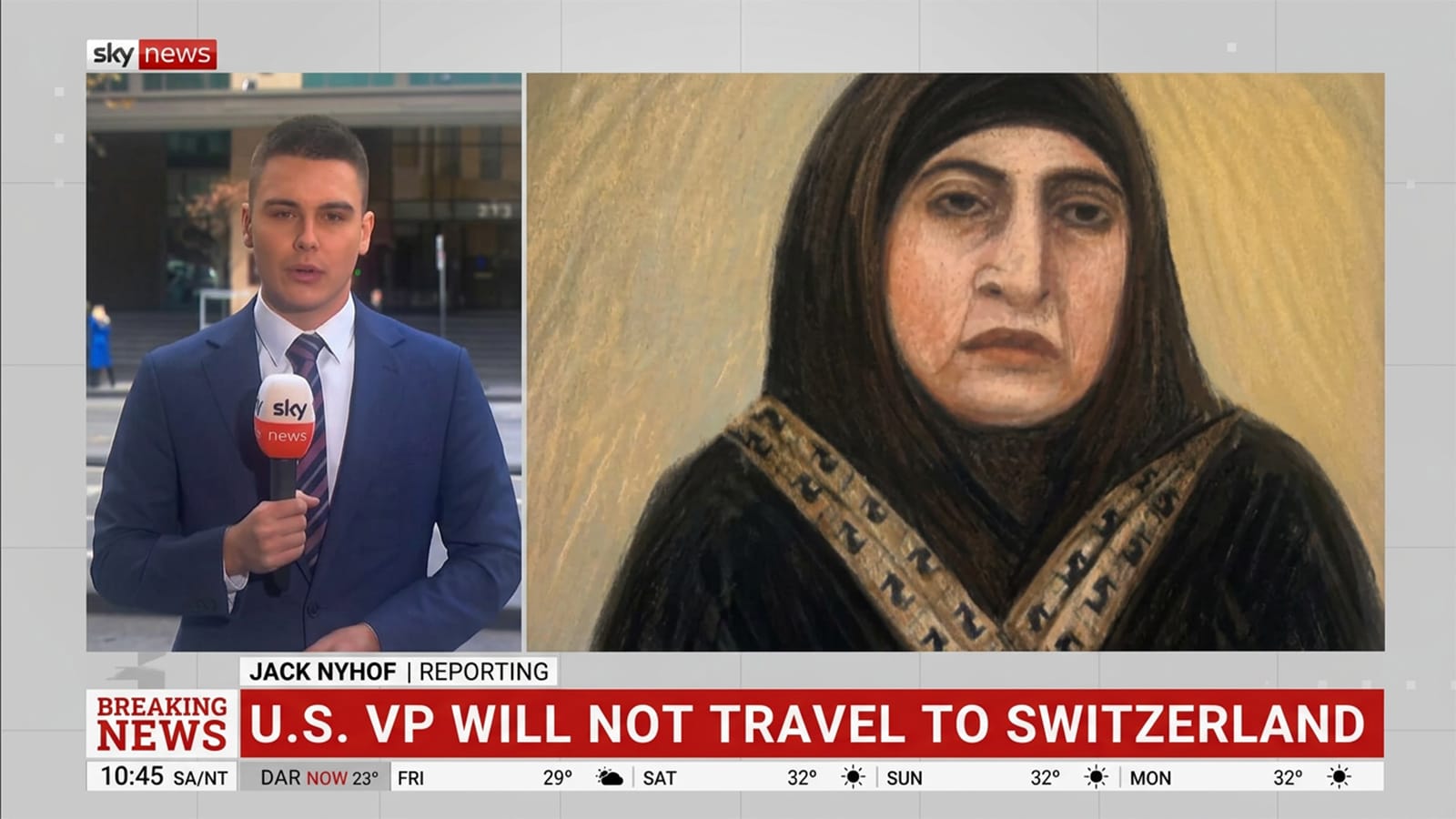
The charges: four counts in Australia's first crimes against humanity case
Abbas faces four charges: enslavement, possessing a slave, using a slave, and engaging in slave trading. As a legal expert writing for The Conversation explains, the charges fall under Division 268 of the Criminal Code, which covers crimes against humanity, war crimes and genocide. No one in Australia has been charged with slavery offences of this kind before.
Each charge carries a maximum penalty of 25 years in prison, among the heaviest in Australian law. Because of the nature of the charges, Abbas has to establish exceptional circumstances before she can be granted bail.
Police allege the family bought the Yazidi woman, who can't be named for legal reasons, for US$10,000 (about A$13,800) during Ramadan in 2017, in the then Islamic State stronghold of Raqqa.
What police say the alleged victim told them
The court has heard a very different account of Abbas's role in the household from the one her barrister put forward. On Friday, Australian Federal Police Detective Senior Constable Marc Clendenning said he was concerned Abbas would try to convert people to a radical form of Islam if she were released.
The alleged victim told police it was Abbas who instructed and conditioned the household slaves. According to the detective's evidence, the alleged victim said:
- Abbas told her she wasn't allowed to practise her own religion and instructed her to read the Quran
- Abbas told her she had to behave as Islamic State fighters did, allegedly saying "I want you to be taught how to use weapons according to the Daesh beliefs" and "we should be the same, whatever they do, we have to be the same"
- Abbas owned a Kalashnikov rifle and a Glock pistol, knew how to use them, and was seen cleaning them
The alleged victim has also told an Australian court she was taken captive at the age of 15, after Islamic State fighters killed her mother and brother. Over the next five years she's alleged to have been traded among Islamic State members 17 times, beaten, tortured and raped, before Kurdish forces freed her in 2019.
The court heard the alleged victim said Abbas's husband, Mohammed Ahmad, told her he'd bought her "for the purpose of raping and at the same time serving the home." She alleged he punched her and dragged her down two flights of stairs by her hair on one occasion.
Mental health and the delayed hearing
The court heard Abbas suffers from a number of mental health conditions, including PTSD and anxiety attacks. Proceedings on Monday were delayed after she suffered one such attack. A forensic doctor told the court Abbas now finds it difficult to feel joy, and hoped being released to live with her family might help.
The decision now rests with Chief Magistrate Lisa Hannan
Abbas's bail will be decided by Chief Magistrate Hannan, who last week refused bail for Abbas's daughter, Zeinab Ahmad, 31, amid concerns Zeinab had only renounced Islamic State after being jailed in Australia. Both women were charged in May after returning to Australia from a Syrian camp, along with other relatives of former Islamic State fighters.
The hearing continues.