The missile China warned the Pacific about has been fired. On Monday Beijing launched a nuclear capable missile from a submarine that flew over multiple Pacific nations and came down near Tuvalu, and both Australia and New Zealand have called it destabilising.
So where is the Prime Minister in all this. Days ago Anthony Albanese was making national headlines for telling a whisky podcast he'd "shag" Kylie Minogue if his marriage went bad. Now a nuclear weapon has been fired across our part of the Pacific and the contrast writes itself. One of those got treated as a priority this past week, and judging by the response, it wasn't the missile.
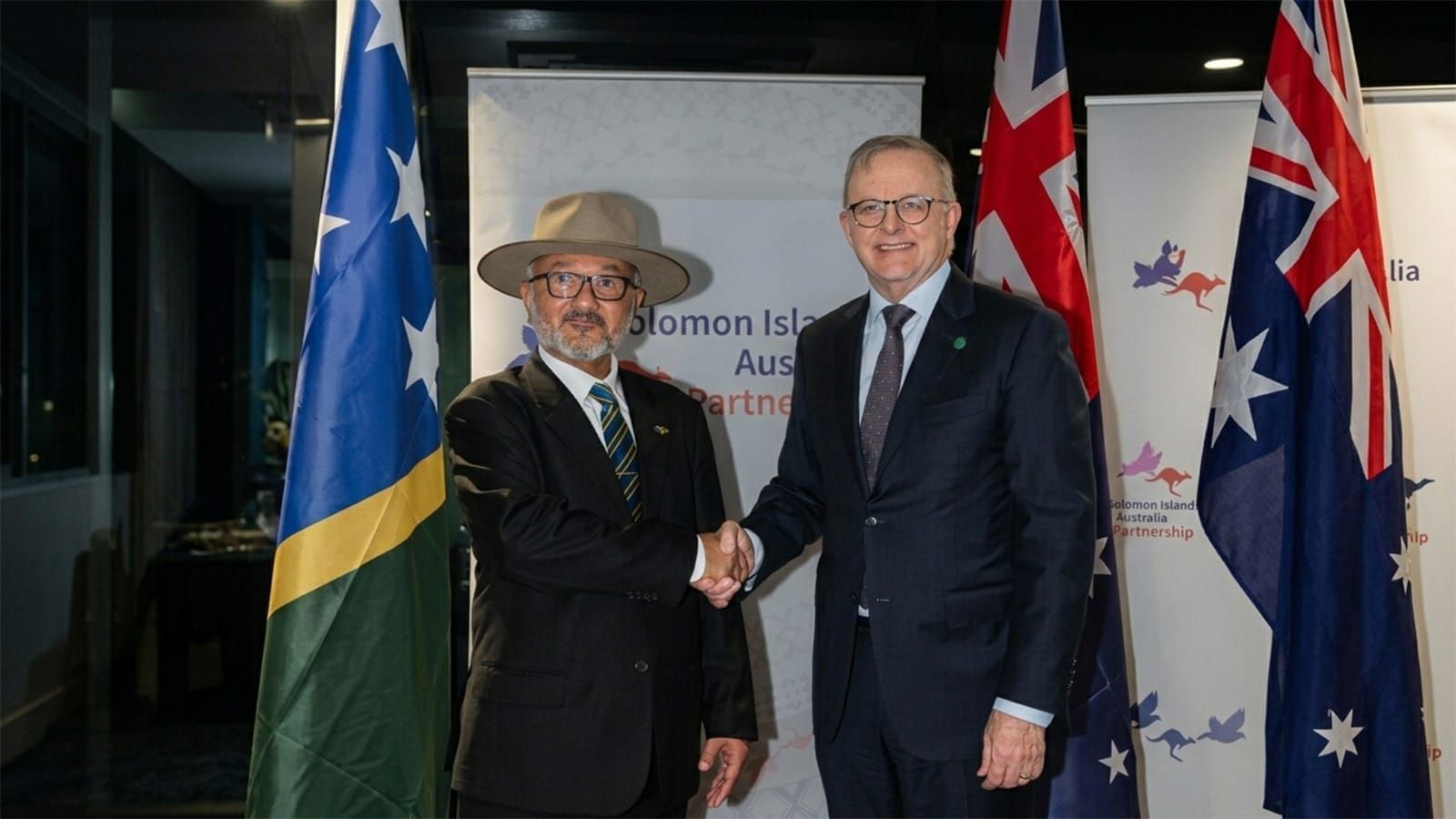
China calls the launch routine. A nuclear weapon arcing over the Pacific on the very day Albanese signed a new alliance with Fiji, with Australia given only hours of warning, is a strange sort of routine. Beijing picked the week. It held its warning back to the final hours, gave us barely any notice, and made sure the whole region was watching it happen. That's a message, timed and staged, with Australia's name on it.
Richard Marles confirmed the submarine launch and a "significant" range, then dodged where it hit
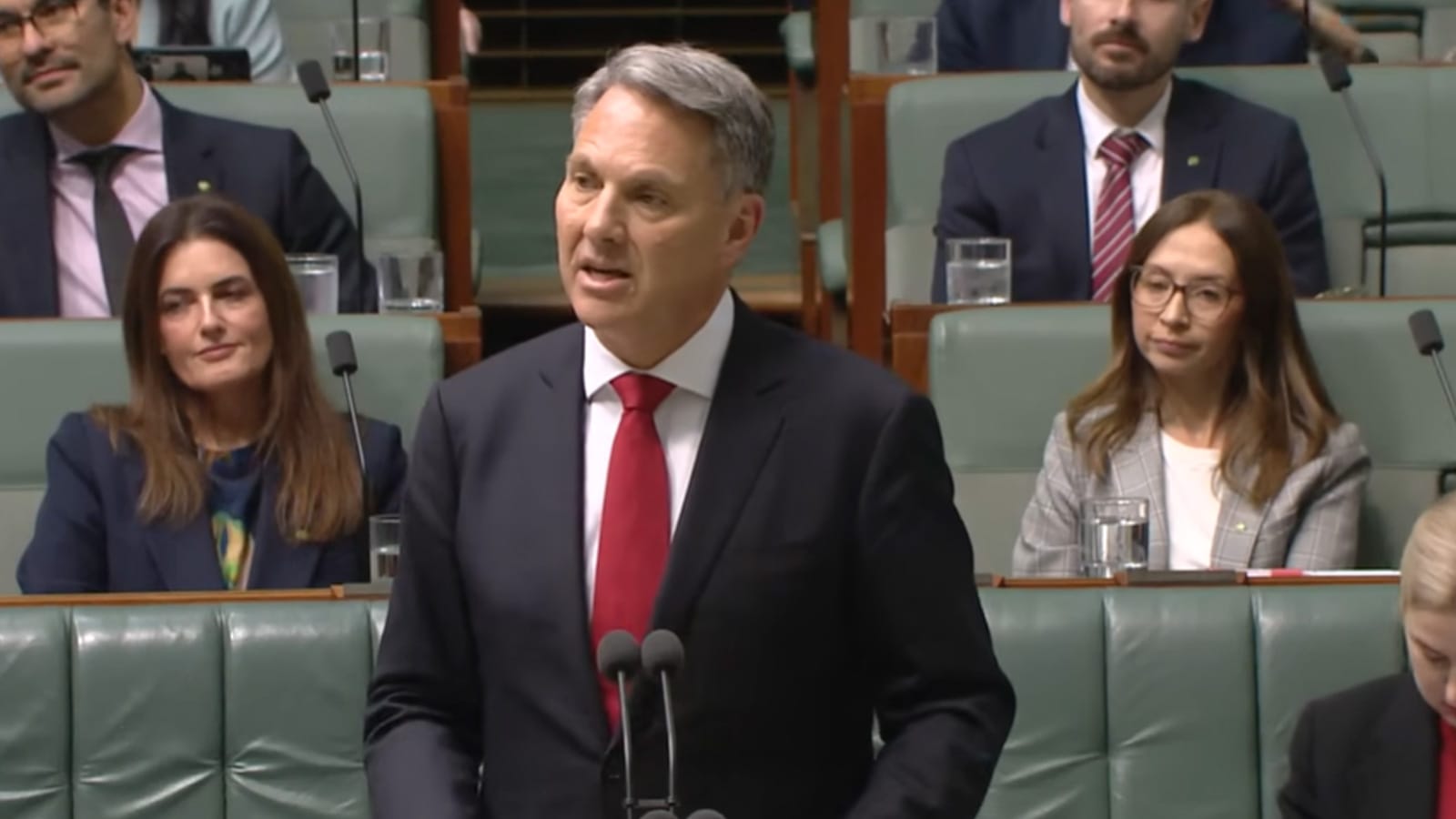
Acting Prime Minister and Defence Minister Richard Marles confirmed the test but would not be drawn on the trajectory, saying only that it "wasn't particularly close to Australia" and that he would not go into the detail.
"I think it's less about the precise point as it is about the capability here. This is a very significant capability in terms of the range that's been demonstrated and the means by which it's been launched from a submarine."
He called the launch "very concerning and deeply destabilising" and said it pointed to something bigger than one test.
"This is a long range missile which China itself has said would be nuclear capable, which has been launched from a submarine, which also implies something in terms of extending China's range to deploy nuclear weapons. What we are about is trying to establish a peaceful Pacific, and what this is about is undermining that."
The only reason we know the trajectory is Taiwan and China's own state media
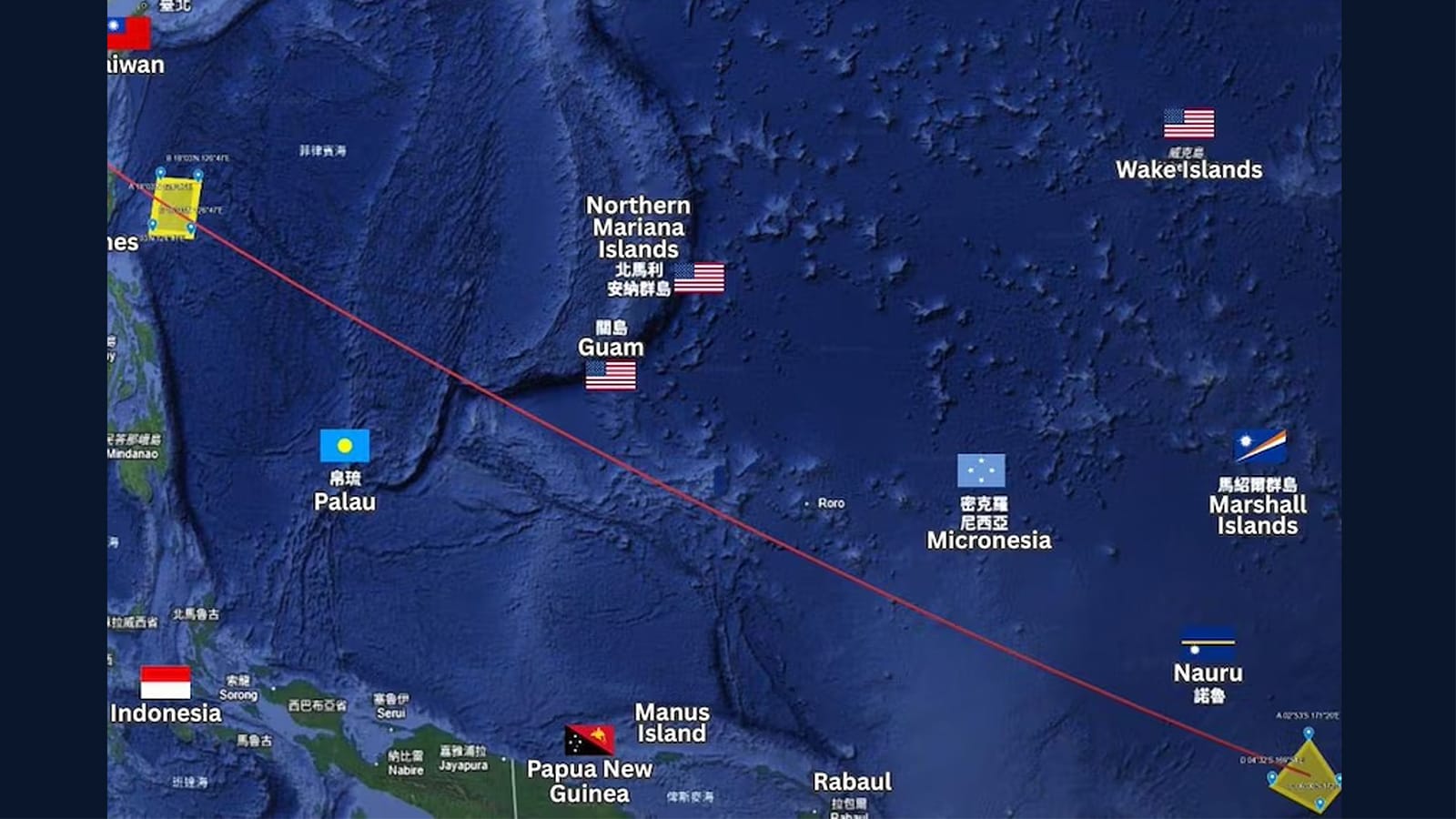
Here's what makes the government's caution look thin. We know roughly where the missile went, and we know it because Beijing and Taiwan told us, not Canberra. Chinese state media released the only images of the launch. Overnight the head of Taiwan's national security council, Joseph Wu, posted an image showing the missile arcing across Micronesia and Melanesia before plunging into the ocean around 1000 kilometres north east of the Solomon Islands, close to the edge of Tuvalu's exclusive economic zone.
The ABC reports the missile crossed the maritime zones of at least three Pacific states, including the Federated States of Micronesia, Nauru and Kiribati, before landing near Tuvalu. Mr Wu did not mince words.
"China just proved itself again to be a bully on the block," he said, calling the test "a provocation that destabilises the Indo-Pacific".
Australians are learning more about a nuclear missile in their own region from Chinese propaganda outlets and a Taiwanese minister than from their own Defence Minister. Pacific Minister Pat Conroy confirmed Australia got only hours of notice before the launch, and said Beijing's build up was not being matched by "sufficient transparency". It's the biggest military build up in the region since World War II, and we're being told to find out where the missiles land from the people firing them.
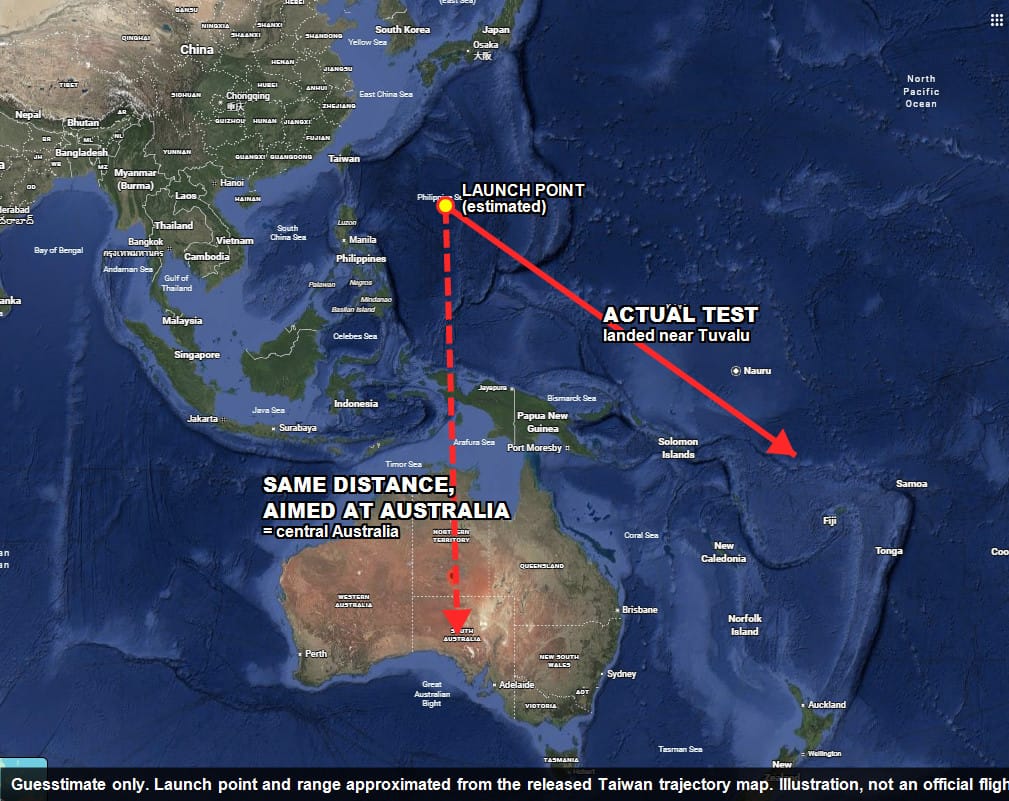
A submarine is mobile, so the range China just demonstrated can reach the mainland
This is why Marles dodging the map matters less than the capability he admitted. A fixed silo fires from one known spot. A submarine can sit anywhere in the Pacific and fire from there, which means the range on display isn't measured from the Chinese coast. It's measured from wherever Beijing decides to park the boat. Marles said as much himself, that the test implies "extending China's range to deploy nuclear weapons". On that maths, no part of Australia sits comfortably out of reach.
Washington read it the same way. In a statement reported by Sky News, the US State Department said that "at a time when the United States is working harder than ever to prevent nuclear proliferation, China is doing the opposite", and that "Beijing's rapid and opaque nuclear weapons buildup is of great concern to the region and the world". The Pentagon estimates China had more than 500 operational nuclear warheads and is on track to pass 1000 by 2030.
Australia has no missile shield, and Gina Rinehart got mocked for wanting one
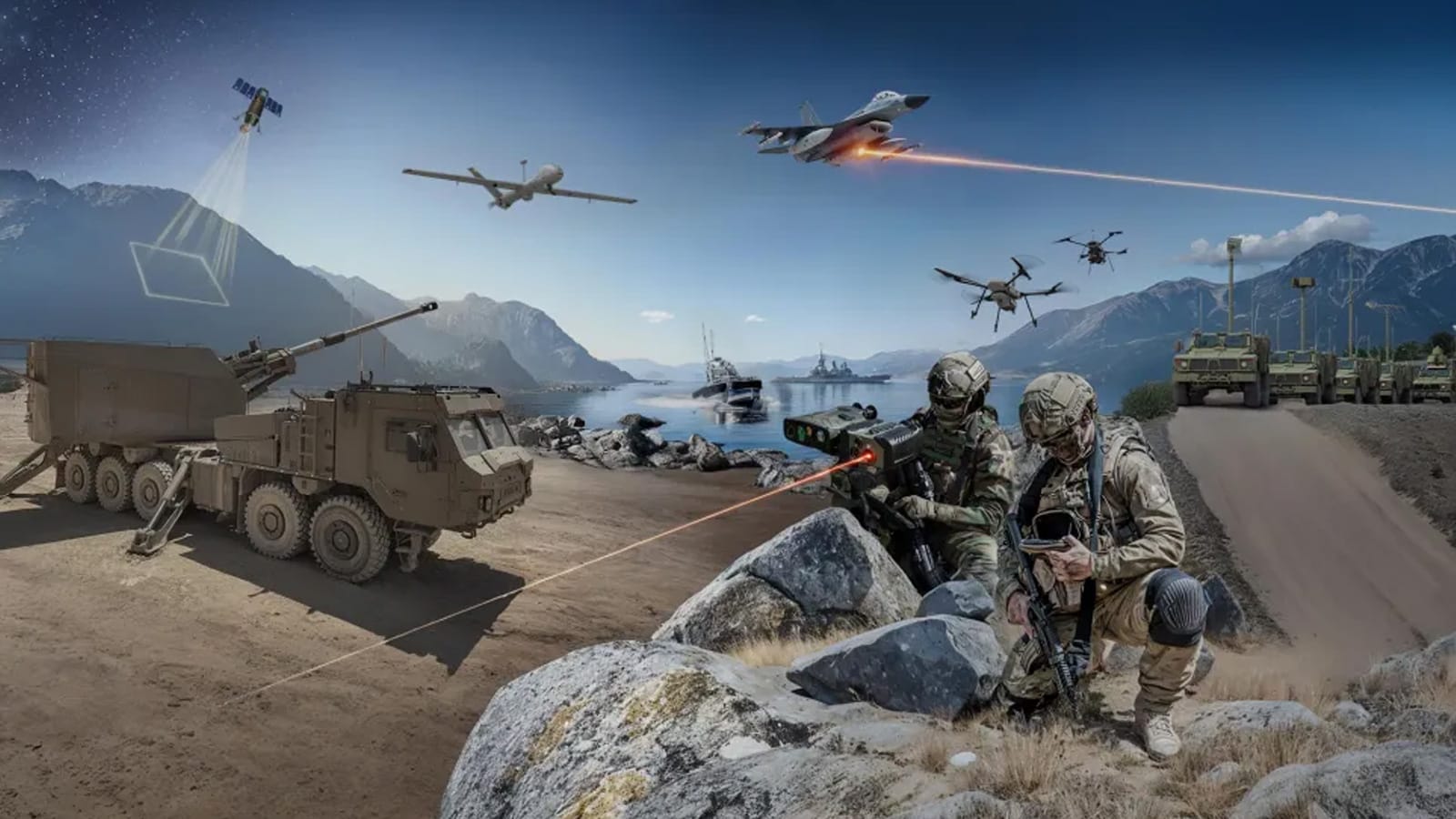
Here's the uncomfortable bit. If that missile had been aimed at an Australian city rather than open water, there is nothing to stop it. Australia has no integrated air and missile defence over the continent, full stop.
Gina Rinehart has spent two years arguing we need one, calling for an Israeli style missile defence dome over northern Australia and offering to help fund the manufacturing base to build it. She was widely mocked for it. Israel is one of the only countries on earth with a layered missile shield that actually works, hardware like Iron Dome and David's Sling that has been proven under sustained fire while much of the world only theorises about it. That's the technology Rinehart wanted us building here. On a morning like this, the ravings look a lot like foresight.
Angus Taylor says weakness is provocative, while the Greens want to ban nukes by asking nicely
The Coalition went straight at it. Opposition Leader Angus Taylor called the launch "not the actions of a friend" and "unacceptable", and said it should be raised at the highest levels.
"The truth of the matter is, the best pathway to peace is strength, and that is why we need to increase defence spending," Mr Taylor said. "Weakness is provocative."
Shadow Defence Minister James Paterson said the test was "not only destabilising and unwelcome, but also threatening and coercive", adding that China wants "to intimidate the region, and we should be very clear that we are not intimidated by it".
The Greens went the other way, into fantasy. Defence spokesman David Shoebridge said the answer was for the region to "de-escalate the regional arms race" and for Australia to "join the push to ban nuclear weapons". Telling a nuclear armed one party state to voluntarily give up its arsenal, in the same week it fired one across the Pacific, isn't a defence policy. It's a press release.
The bigger picture: China plays for China, and it isn't slowing down
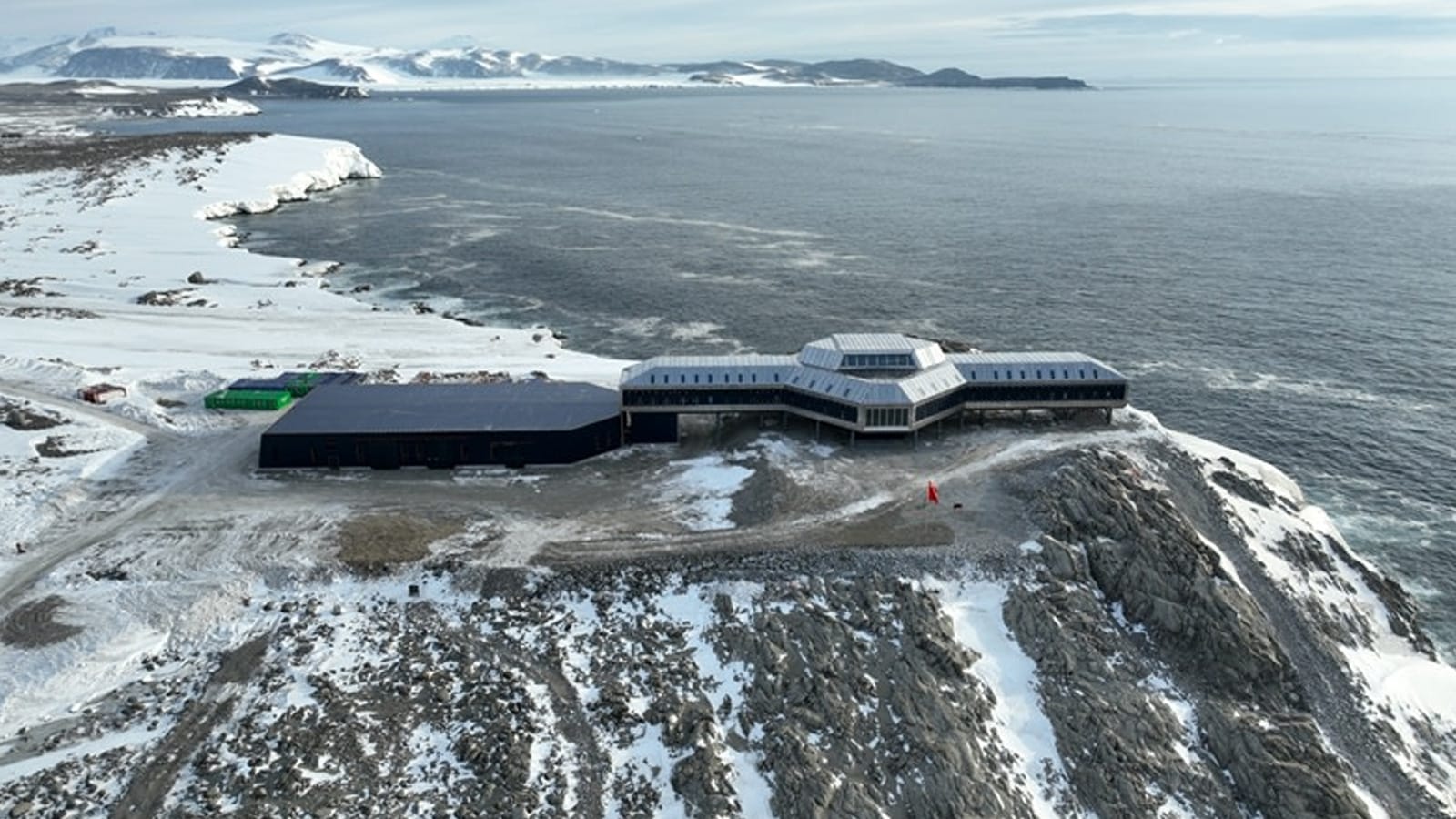
None of this sits on its own. It fits a pattern One News has traced for months, of a communist one party state quietly building energy, port, satellite and intelligence footholds right around Australia, including a signals base in Antarctica pointed straight at us. Beijing acts in Beijing's interest, not the West's, and Monday's launch was a blunt reminder of it.
Then there's the Foreign Minister. Penny Wong's response to a nuclear missile being fired across the Pacific is that she'll put it on the agenda the next time she speaks to her Chinese counterpart, whenever that happens to be. No meeting is scheduled. There's no deadline, no summons, no consequence, just an item on a list for a conversation that might not happen for months.
That's the measure of it. China fired a nuclear weapon into our part of the world to make a point, and the government's answer is a strongly worded note for a future date. Beijing got exactly the reaction it was hoping for.