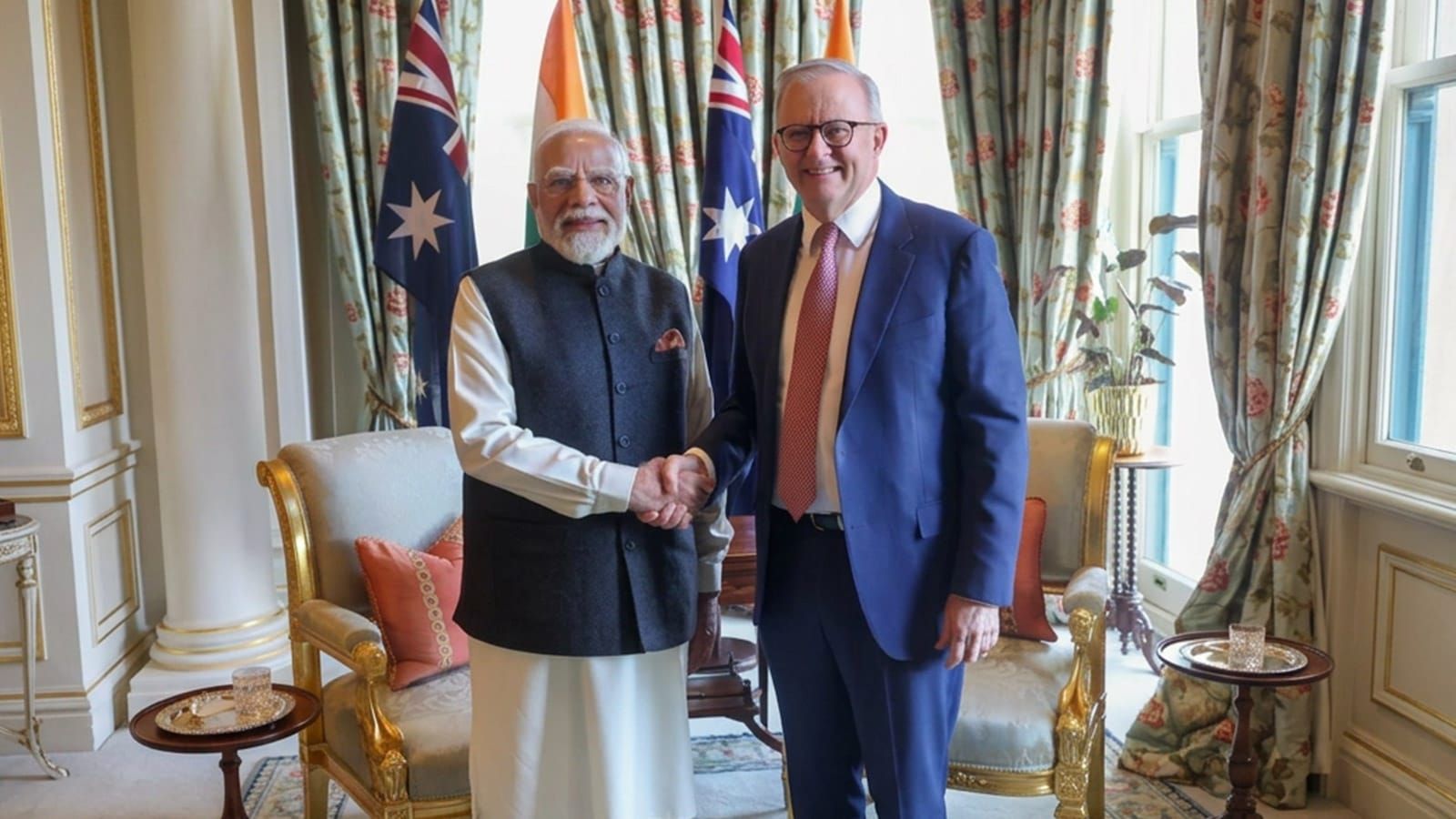
Anthony Albanese has signed off on billions of dollars of Australian uranium exports to India, selling the fuel as clean energy that will cut pollution and power the future of 1.4 billion people. The same Prime Minister calls nuclear too dangerous and too expensive for Australians, keeps it banned here by law, and dismissed the Coalition’s reactor plan as a fantasy. One fuel, two stories, depending on who is buying.
The uranium is the centrepiece of a sweeping package covering defence, trade, universities, space and half a billion dollars of Australian retirement savings. Strip away the ceremony and the ledger is lopsided. India walks away with fuel, gas, capital, campuses and visas, all concrete, all starting now. Australia walks away with a trade deal that has no date, a fuel pledge from Delhi and a warm feeling about the neighbourhood.
Albanese held the strongest hand a resources nation can hold, in a seller’s market with buyers queueing, and traded it for promises. Modi flew home with the deal of the decade. Australia got a cricket match in Chennai.
There is even a Gina Rinehart test buried in the fine print. When Rinehart offered free leases on Crown land to bring Elon Musk's SpaceX and other allied giants to build and employ on Australian soil, she copped a national pile-on. Albanese has now handed India's state space agency the use of a site on the Cocos Islands for its rocket program, with no payment ever disclosed, and the applause on the left has not stopped. Rinehart's plan would have tied us closer to our strongest ally. This deal ties us to a country that refuses to pick a side.
One Nation Senator Malcolm Roberts put it bluntly within hours: "Talk about hypocrisy!" The way Roberts sees it, India gets the cheap, reliable power and Australians get the moral lecture, with Labor "happy for our power bills to keep rising and our standard of living to keep falling". He wants the ban gone and the same uranium burning in Australian reactors.
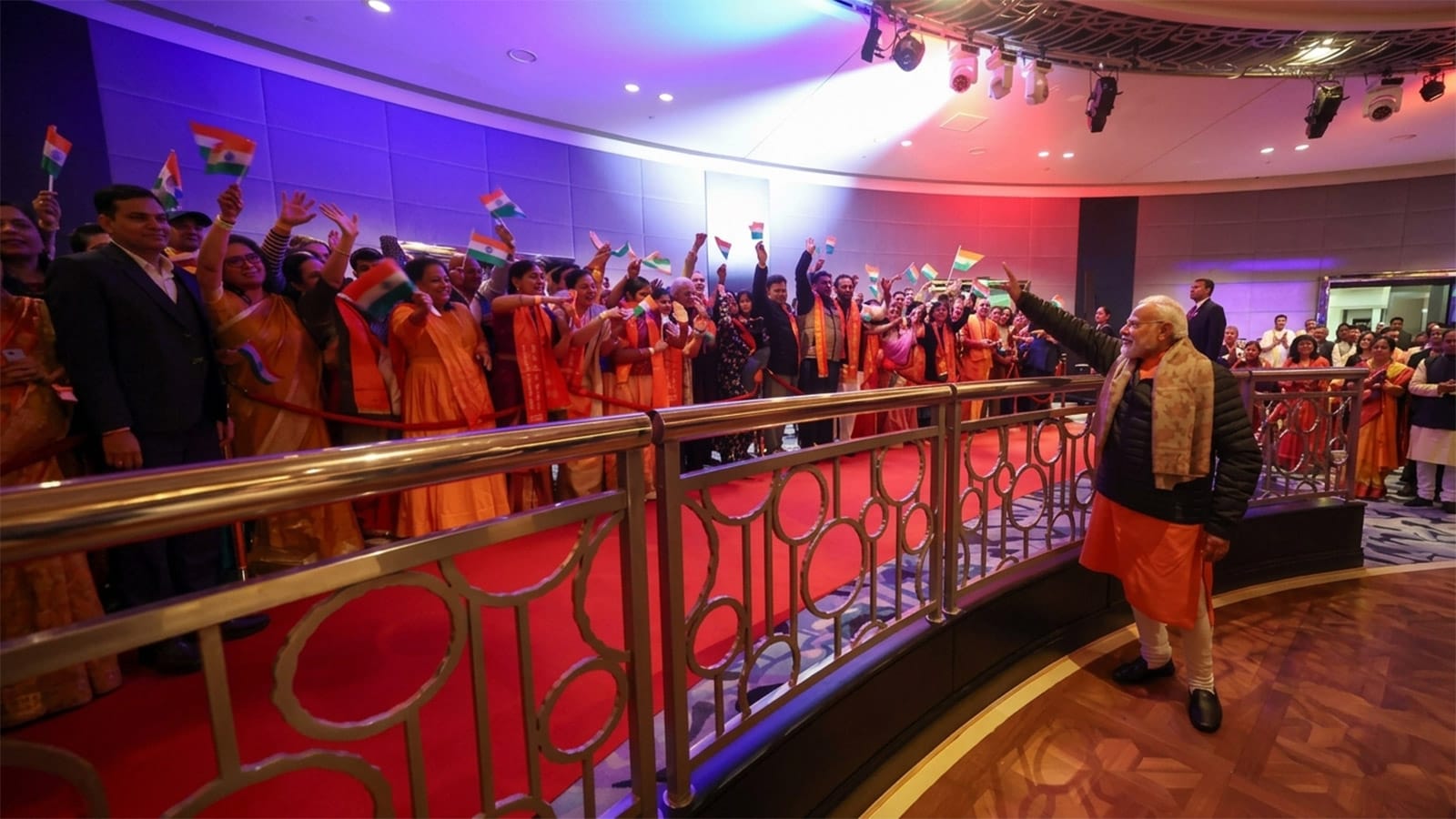
Everything Albanese and Modi signed
The uranium arrangement grabbed the headlines, but it was one of many agreements the two leaders unveiled in Melbourne.
On defence, they upgraded their partnership with a maritime security roadmap, closer work on cyber and critical technology, more complex joint military exercises, and new access for each country's aircraft to operate from the other's soil.
On trade, the two sides agreed to fast-track a comprehensive economic agreement to replace the interim deal signed in 2022, plus a bilateral investment treaty. Modi promised a deal that is "balanced, ambitious and win-win for both countries".
On energy, Albanese committed to keep Australian LNG flowing to India, while Modi pledged India would stay a reliable supplier of liquid fuels to Australia. That cuts both ways. Australia imports most of its petrol and diesel, so a guaranteed supplier matters. It also means more Australian gas promised abroad while households here watch their own bills climb.
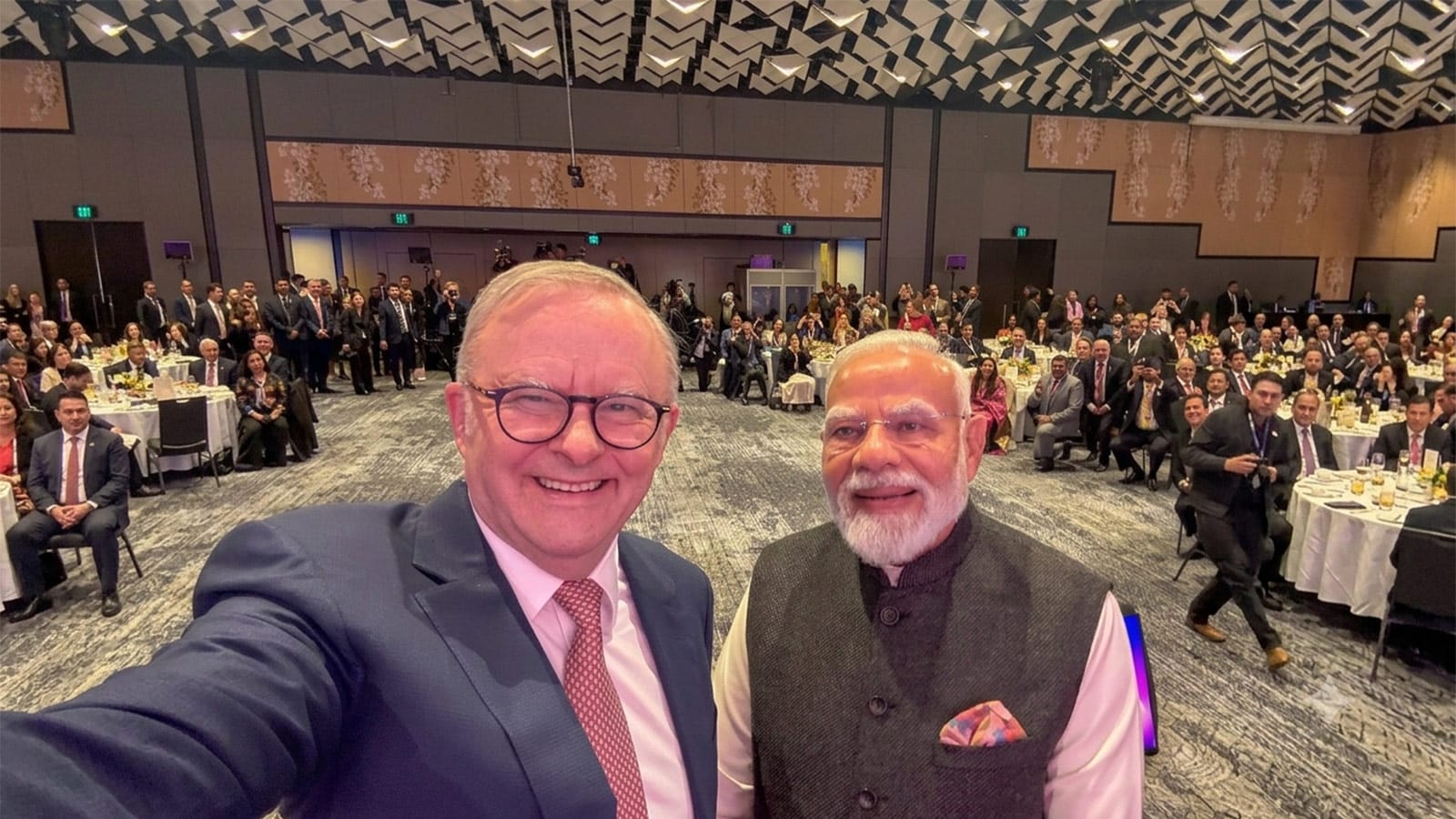
On education, Flinders University will open a campus in Bengaluru and Victoria University will open one in Gurugram near New Delhi, taking the number of Australian university campuses in India to eight. More than 140,000 Indian students studied in Australia last year, our second largest source.
In space, Australia is hosting a temporary tracking station on the Cocos (Keeling) Islands to support India's first human spaceflight, planned for 2027.
The fine print on that one is worth pausing on. Under a 2024 agreement, India's space agency ISRO has installed its own tracking antennas at the Old Quarantine Station on the Cocos Islands, around 20 ISRO engineers oversaw the build, and the Royal Australian Navy has agreed to help recover India's crew capsule if a splashdown goes wrong. No lease fee or payment has ever been disclosed.
And AustralianSuper, the country's biggest super fund, is tipping another $500 million into Indian infrastructure, on top of an earlier $240 million from 2019, lifting its total Indian holdings to around $3.3 billion. That is ordinary Australians' retirement money, and the fund says its earlier India bet has been one of its best performers.
So who actually wins?
Line the two columns up and the pattern is hard to miss. Almost everything India collects is concrete and starts now. Almost everything Australia collects is a promise, a pledge or a maybe.
| The deal | India gets | Australia gets |
|---|---|---|
| Uranium | Fuel for an eleven-fold nuclear build-out, switched on now | A new customer in a market where buyers were already queueing |
| Energy | A guaranteed flow of Australian LNG | A pledge that India stays a reliable fuel supplier |
| Trade | A fast-tracked path into the Australian market | A promise with no date, upgrading a deal already four years behind |
| Investment | $500 million of Australian retirement savings for its infrastructure | Returns for AustralianSuper members, if India keeps delivering |
| Education | Two more Australian university campuses built on Indian soil | Universities find new customers, but the spending stays in India |
| Migration | 3,000 MATES work visas a year, dependants on top, plus up to 8 years post-study work for its graduates here | A deeper labour pipeline, with the housing and infrastructure strain that comes with it |
| Defence | Access to Australian territory for exercises and aircraft, shipbuilding work, a defence innovation corridor | A heavyweight partner on China's border, the one unambiguous win |
| Space | A tracking station on Australian territory for its 2027 crewed spaceflight | A front-row seat to someone else's space program that isn't an ally |
| Culture | Its artefacts returned from Australian galleries | An Indigenous ancestor's remains returned from Chennai |
| The party | A 30,000-seat welcome rally, part-funded by Victorian taxpayers | An undisclosed bill |
The promises have form. The fast-tracked trade deal is the same upgrade both governments have been pledging since the interim agreement of 2022, under a strategy that has run slower than hoped since 2018. And Modi's fuel pledge deserves a second look. India's refineries run in part on discounted Russian crude, which means Australia's petrol security now leans on the same oil Canberra sanctions Moscow over.
The education and migration rows need spelling out. A degree from an Australian campus in India comes with no visa rights, because post-study work visas require studying in Australia. The campuses are Modi's way of keeping his graduates, and their money, at home.
The migration door is a separate set of carve-outs Australia has already granted: 3,000 work visas a year for young Indian professionals under the MATES scheme, no job offer required and dependants on top of the cap, plus extended post-study work rights of up to eight years for Indian graduates who do study here, more generous terms than students from any other country receive. Whatever the new comprehensive agreement adds will land on top of all of that.
Why India wants our uranium
India's hunger for uranium is enormous. It wants to lift its nuclear power from about 8.8 gigawatts today to 100 gigawatts by 2047, an eleven-fold jump, to replace ageing coal plants and feed 1.4 billion people. Coal still generates about three-quarters of India's electricity, and the country is under pressure to cut it.
The problem for India is that it has very little uranium of its own. It buys most of it from Kazakhstan and Canada. It sits on some of the world's biggest thorium reserves, but the technology to run reactors on thorium is not ready yet. That is where Australia comes in. We hold the world's largest uranium reserves.
Modi did not hide how much he needs it.
“Australia's huge uranium reserves are directly connected to India's nuclear journey.”
He called the deal a historic opportunity and said Australia's technology, capital and resources would drive India's clean energy shift.
The decade-long freeze was about trust. Exports were agreed back in 2015 but never started, because of concerns over nuclear safeguards. What changed is that India overhauled its nuclear energy sector late last year, and that gave Canberra the confidence to finally switch the trade on.
The contradiction at home
Here is the part getting people talking. The government is openly calling this uranium clean energy. In Albanese's own words, it will “increase the share of non-fossil fuel power capacity” in India and help its climate goals.
Yet nuclear power plants are banned in Australia by law, under Section 140A of the Environment Protection and Biodiversity Conservation Act. When the Coalition proposed building reactors here, Labor rejected it. So the fuel Canberra calls clean and safe for India cannot legally power a single Australian home.
Where One Nation stands
Pauline Hanson's One Nation has made this argument for years. The party opposes the ban outright, saying it “opposes the legislated ban on commercial nuclear energy, and will move to repeal it.”
One Nation points out that Australia holds more than 25% of the planet's known uranium reserves, and asks why the country should “refuse to utilise a proven emissions-free technology” while selling it to everyone else. The party wants an advanced 1400 megawatt reactor built here for about $6.8 billion, to give homes, hospitals and factories steady power that does not depend on the weather.
Senator Roberts aimed his post squarely at Energy Minister Chris Bowen, writing that India is moving to nuclear "to provide cheap, reliable energy to their people and to support the next tech revolution", and doing it with Australian uranium.
Chris Bowen and Labor won't even have a conversation about nuclear energy.
He signed off with #FireTheLiar, One Nation's rolling campaign against the Albanese government, tying the uranium deal to the power bills squeezing Australian households.
Can we trust it stays peaceful?
The deal only allows uranium for peaceful purposes. India will let international inspectors watch its civilian reactors, and Australian uranium will be tracked so it cannot be turned into a weapon.
There is a catch. India has around 190 nuclear weapons and never signed the global anti-nuclear-weapons treaty. It also has little uranium of its own. So every tonne of Australian uranium that powers India's civilian reactors frees up India's own supply for its weapons program. The inspectors can watch the fuel. They cannot watch what it lets India do elsewhere.
What Australia gets back
The money is real, and the timing matters. Uranium prices smashed through US$100 a pound in January for the first time in two years, up more than 150% since Russia invaded Ukraine, as the United States bans Russian uranium and tech giants line up nuclear power for their AI data centres. The world does not produce anywhere near enough uranium for the reactors already being built. Australia, sitting on the biggest reserves on earth, was holding cards everyone wants.
There is a supply problem too. Minerals Council chief executive Tania Constable said Australia has just four operating uranium mines and will need to open more to meet the demand now lining up.
It's not just India chasing Australia's uranium, it's also the United States, it's France, it's many countries. India is the latest, and given the size of India, with a population of almost 1.4 billion people, this sends that positive signal and puts Australia in the box seat.
India is far from the only buyer at the door. Australian uranium already fuels reactors in the United States, France, Japan, South Korea, China, Canada and across Europe under Australia's network of safeguards agreements, and Washington's ban on Russian uranium has left American utilities hunting for new supply. In a seller's market like this one, the question is not who will buy Australian uranium. It is why Canberra signed up its newest customer without extracting anything firmer than a promise to talk trade faster.
The only bigger prize is strategic. India is fast becoming Australia's most valuable partner against China. It shares a tense border with China and sits across the shipping lanes that carry most of China's oil, which helps keep Beijing boxed in. That is why the uranium came wrapped in a defence package. We fuel India's economy, and India helps hold the line in our region.
It is worth being clear about what India is not. It is not an ally. Australia's only mutual defence treaty is with the United States. India sits outside Five Eyes and AUKUS, is proudly non-aligned, buys its weapons and discounted oil from Russia, and refused to sanction Moscow over Ukraine. In July 2024 Modi hugged Vladimir Putin in Moscow on the same day Russian missiles hit a children's hospital in Kyiv. India will work with Australia where it suits India. It will never fight for us. That is the partner Canberra just gifted the uranium, the gas and the island.
The timing was no accident. The defence declaration landed just days after China test-fired a nuclear-capable missile into the Pacific, a show of strength that rattled the region and spelled out exactly why Canberra wants Delhi close.
What it is costing Victorian taxpayers
The public face of the visit was Thursday night’s sold-out “Melbourne Meets Modi” celebration at Marvel Stadium, where a crowd of up to 30,000 gave the Indian leader a rock star welcome. The Victorian government was a major sponsor, and Premier Jacinta Allan co-hosted alongside Albanese.
That sponsorship comes at a cost to the public. The Victorian government's contribution is reported to run into the hundreds of thousands of dollars, including helping to cover security for the event. Allan, who greeted Modi on the tarmac and will hold a private meeting with him on Friday, misspelled the Indian leader's name in a LinkedIn post welcoming him to Victoria.
Victorians have never been told the full bill. The reported sponsorship is only the start. It does not count the Victoria Police operation across a three-day visit, the Australian Federal Police protection detail working under an active death threat, or the road closures through the CBD. No government, state or federal, has put a total figure on what it cost the public to host another country's leader at a stadium rally.
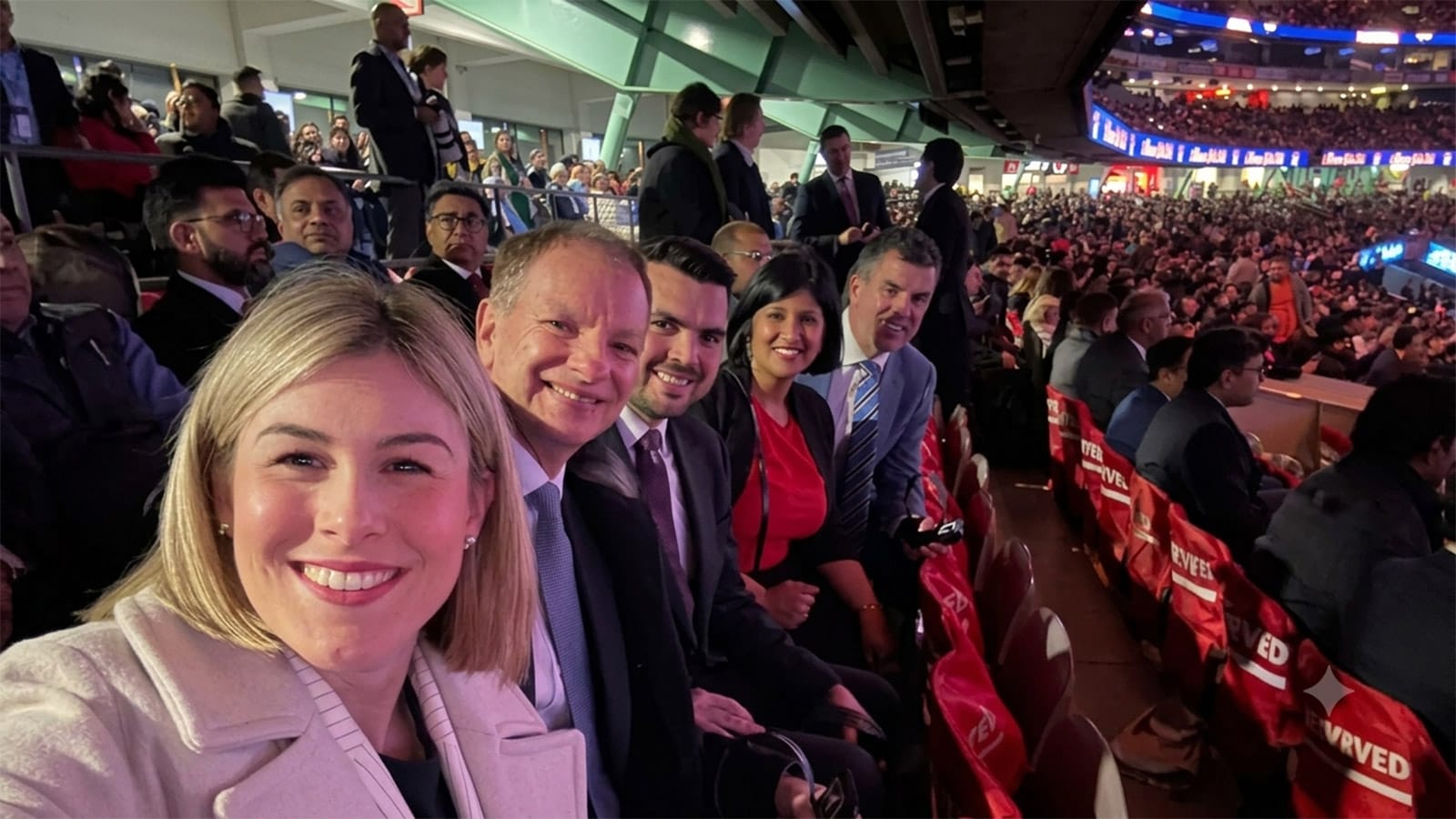
Do not expect the Coalition to ask either. Victorian Opposition Leader Jess Wilson posted a beaming selfie from the reserved seats at Marvel Stadium, and federal leader Angus Taylor queued up for his own meeting with Modi before the visit wraps. Both major parties wanted a piece of the night. That leaves One Nation as the only party in the parliament asking what Australia actually got out of the deal.
A visit under heavy guard
Security has been tight. Police removed a man from the Sofitel hotel after he shouted abuse at Modi in the lobby, the Australian Federal Police warned a young person over an online death threat against the Indian leader, and protest groups planned to gather outside the Marvel Stadium event.
Video: Auspill/X. Hugo Lennon posted the clip, captioning it an "Aussie (un)welcome" for Narendra Modi.
Mr Modi opened his Marvel Stadium speech in English, telling the crowd he had come to Melbourne to "have a flat white with all of you", and reached for a cricket analogy to describe the relationship.
The agenda is focused like a one-day match. Decisions are quick like a T20 match, and partnership is long time and intense, like a test match.
The cricket is real too. Albanese hosts Modi at the MCG on Friday to announce a Big Bash match in Chennai in December. And the two countries agreed to swap cultural treasures, with India returning the remains of an Indigenous Australian held in a Chennai museum while Australia hands back Indian artefacts from the National Gallery of Australia and the Art Gallery of NSW.