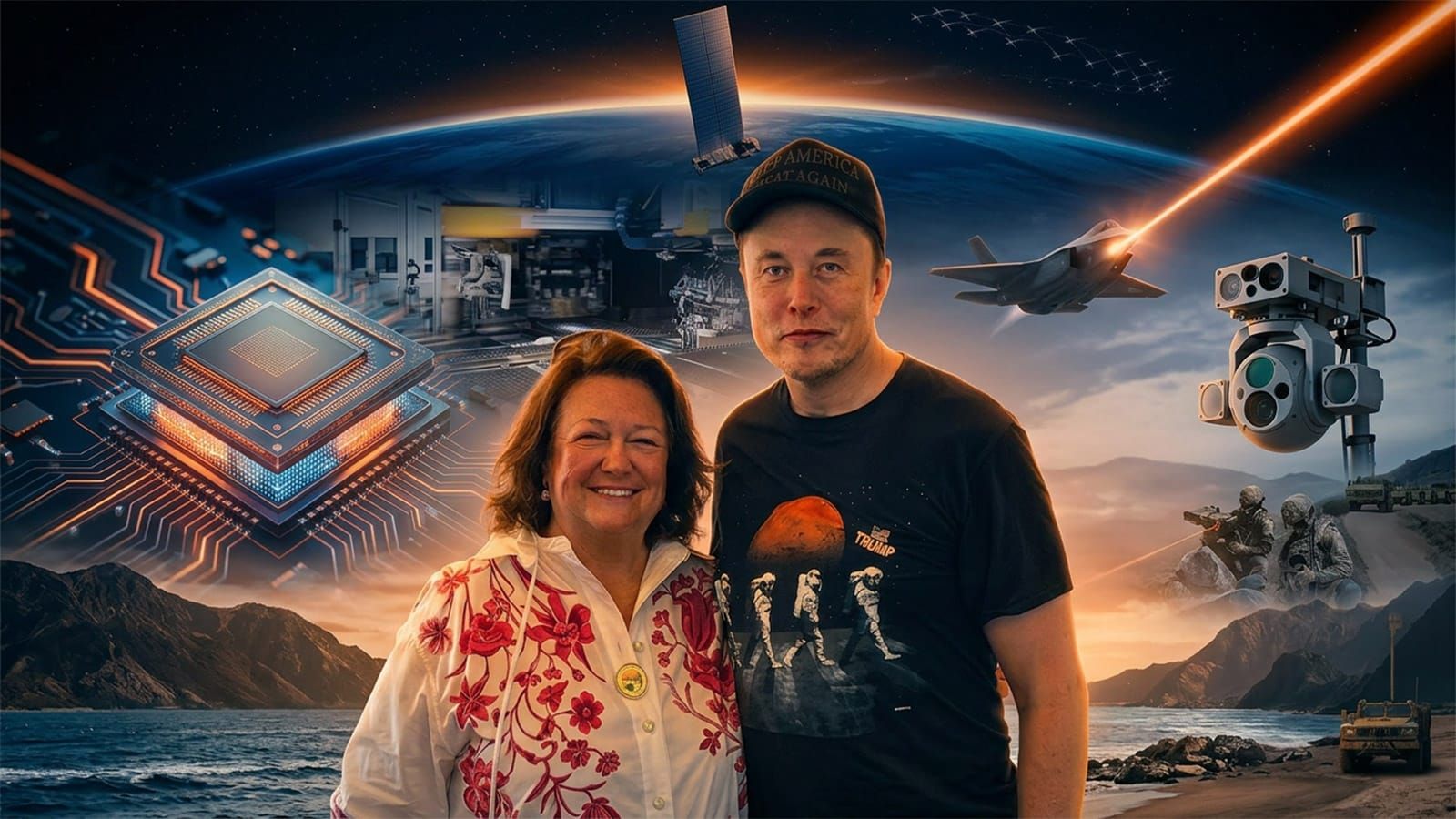
Speaking at the News Corp Townsville Bush Summit on 18 June, Gina Rinehart pitched bringing the world’s best chip, space and defence industries to North Queensland. Within days that pitch was twisted into a plan to hand Australian land to Israel.
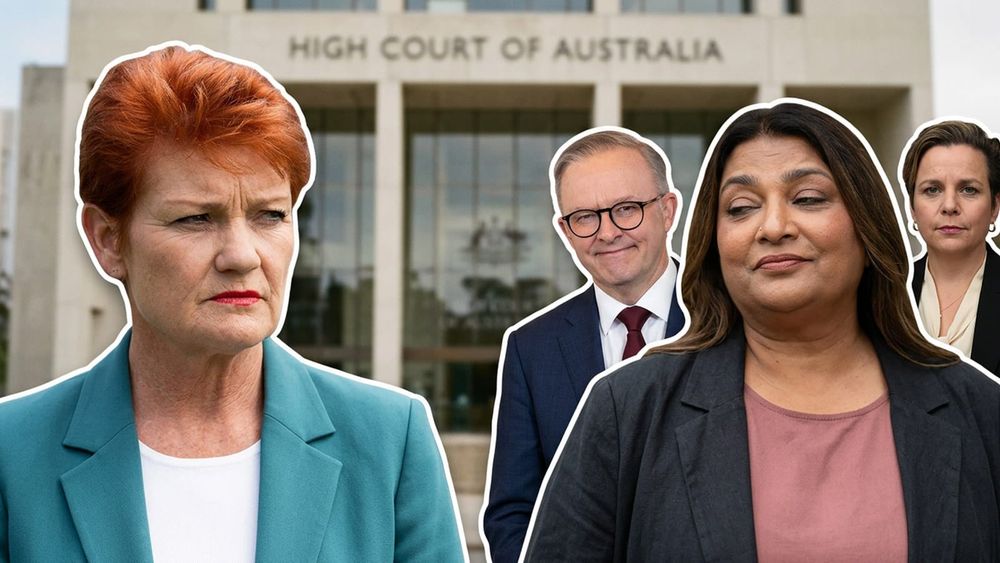
One Nation does NOT support giving away free land to anyone, and it has said so plainly. Senator Malcolm Roberts put it on the record: handing land to “any foreign entities, be it Israel or Elon Musk or anybody” is not One Nation policy and never will be, because “only Australians should 'own' land and farms in this country”.
Video: Senator Malcolm Roberts (One Nation), via X. Senator Malcolm Roberts sets out One Nation's position: opposed to free land, but says the media misrepresented her.
But Roberts also said something the outrage skipped. Gina Rinehart was entitled to have her position reported properly, and One Nation believes it wasn’t. Senator Pauline Hanson told Rinehart directly that she disagreed with her, so nobody is pretending One Nation is on board.
You can oppose the idea, as One Nation and plenty of Australians do, and still see that the media flattened a far broader speech into a single dishonest line about Israel.
So what was Rinehart actually trying to do? Once you read the speech, it isn’t what most people think. She offered foreign companies the free use of Crown land to build on, the same way miners and farmers already operate here. The land itself stays in public hands, not theirs.
In return, Rinehart wanted the industries the world leads in, Taiwan’s chip makers, Elon Musk’s SpaceX and Israel’s defence firms, building in North Queensland, training Australian graduates, and giving the country valuable sovereign capability in chips, space and defence it can’t currently build for itself. It was a pitch to attract expertise.
Here’s what Gina Rinehart actually said at her Townsville Bush Summit address, in full, and where the coverage misled you.
The line everyone fixated on, and the speech they ignored
The attack came from both directions, left and right, and it was oddly selective, as Rebel News’s Avi Yemini pointed out. Nobody objected to attracting Taiwan’s chip industry, or SpaceX, or foreign investment in general. The fury landed only on the mention of Israel, and with it the rest of the speech vanished. The Spectator Australia made the same point.
“Let’s stop pretending she was proposing some cynical plan for Israeli settlers to colonise Australian land,” Yemini said. “She was talking about attracting expertise from countries that lead the world in their respective fields to help us build ours.”
That is the distortion the mainstream media kept pushing: that Rinehart wanted foreign settlers to take over the country. She proposed nothing of the sort. That was their invention.
What Gina actually proposed: land at no cost for three world leading industries
In her own words, Rinehart said Australia had “free land to offer” and floated putting sites forward “at no cost”. The targets were specific:
- Taiwan’s chip makers: land near Prairie or Townsville, a tax holiday, and access to the city’s port and international airport, to bring the world’s leading microchip industry to a safer location.
- SpaceX: sparsely populated or unpopulated Crown islands for satellite building and launches, at no cost, with water and infrastructure provided.
- Israeli defence manufacturers: land near Prairie or Townsville to bring skilled people and equipment, to build drones and air defence systems and manufacture them here.
Video: Uncommon Sense. Speaking at a conference 19 June 2026 Mrs Gina Rinehart gave a speech on reducing government waste, housing the homeless and potential economic development around Townsville.
Offering land to attract industry is standard Australian practice
Offering land, tax breaks and public money to land a strategic industry isn’t a Rinehart invention. It’s standard practice across both sides of politics:
- Mining, including Hancock’s own operations, runs on Crown leasehold and pastoral leases. The State owns the land and the minerals and leases the use of them.
- PsiQuantum, a United States quantum computing company, was backed with around $940 million from the federal and Queensland governments to build its computer in Queensland.
- Moderna, a United States drug maker, opened the Southern Hemisphere’s only mRNA vaccine factory at Monash in Victoria in 2024, backed by the federal and Victorian governments.
- BAE Systems, a United Kingdom defence company, is building the Navy’s Hunter class frigates at the government owned Osborne shipyard in South Australia, sustaining more than 2,600 jobs.
- Chevron, a United States oil major, had part of Barrow Island, the highest protected category of Crown land in Australia, excised by the WA government so it could build the Gorgon gas plant.
- The car industry ran on public money for decades, with about $4 billion going to Holden, Ford and Toyota in their last decade, plus a $200m line of credit to General Motors.
- The Tesla big battery in South Australia was underwritten by a state government contract when it was built in 2017.
- The federal Future Made in Australia program offers production tax credits to attract critical industries onshore.
Governments of both sides routinely use land, tax and infrastructure to bring industries here. Rinehart’s pitch is the same tool, aimed at space, chips and defence.
The Prairie land is already earmarked for wind farms
The land near Prairie that Rinehart pointed to isn’t pristine country anyone is fighting to keep. It’s already set aside for wind turbines, which she dismissed as “a waste” and called “bird and bat killing”. Her argument was that the site would do more good hosting a chip industry. Agree or not, that’s a debate about land use.
SpaceX: launches, satellites and a stake Hancock already holds
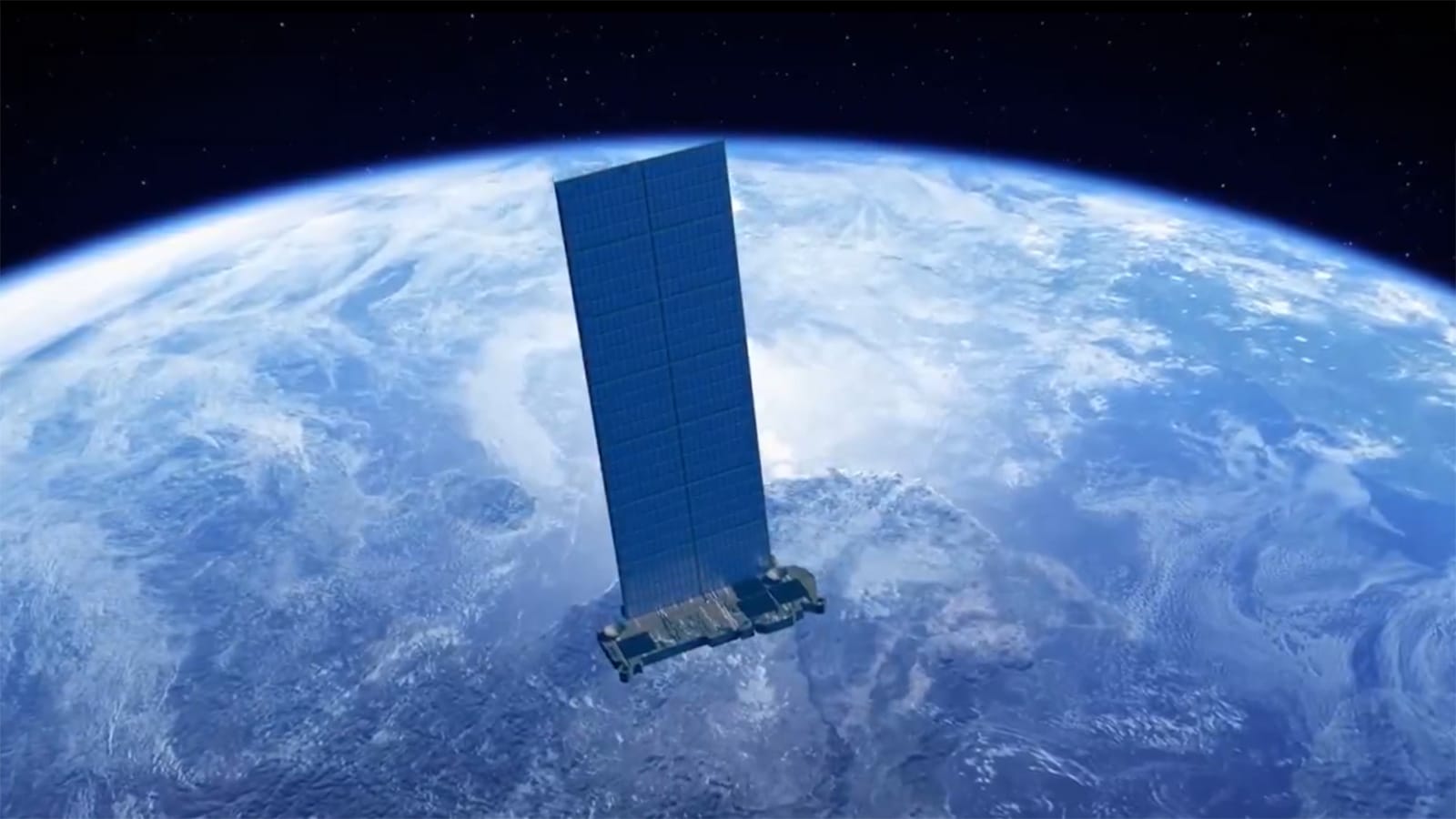
SpaceX runs Starlink, the satellite network that already delivers internet to remote Australian properties, and it’s the world’s busiest launch company. North Queensland sits closer to the equator than almost anywhere else SpaceX operates, which lowers the energy and cost of reaching orbit, so it’s genuinely useful launch geography.
Rinehart isn’t pitching from the sidelines. Hancock Prospecting recently confirmed a stake worth around $1.4 billion in SpaceX, taken up through the company’s IPO, which rose almost 20% on debut. She also argued that satellite launches would “add a tourist attraction”.
Townsville sits in Croc Country, so a launch site would be a real drawcard
Townsville isn’t a conventional beach holiday town. It sits in what Queensland officially calls Croc Country, where crocodile and stinger warnings greet you on arrival, and for much of the year swimming is confined to netted stinger enclosures because of box jellyfish and Irukandji. A launch site would hand the north a genuine drawcard it doesn’t currently have, which is exactly the point Rinehart was making.
Taiwan’s chips: the technology Australia can’t make for itself
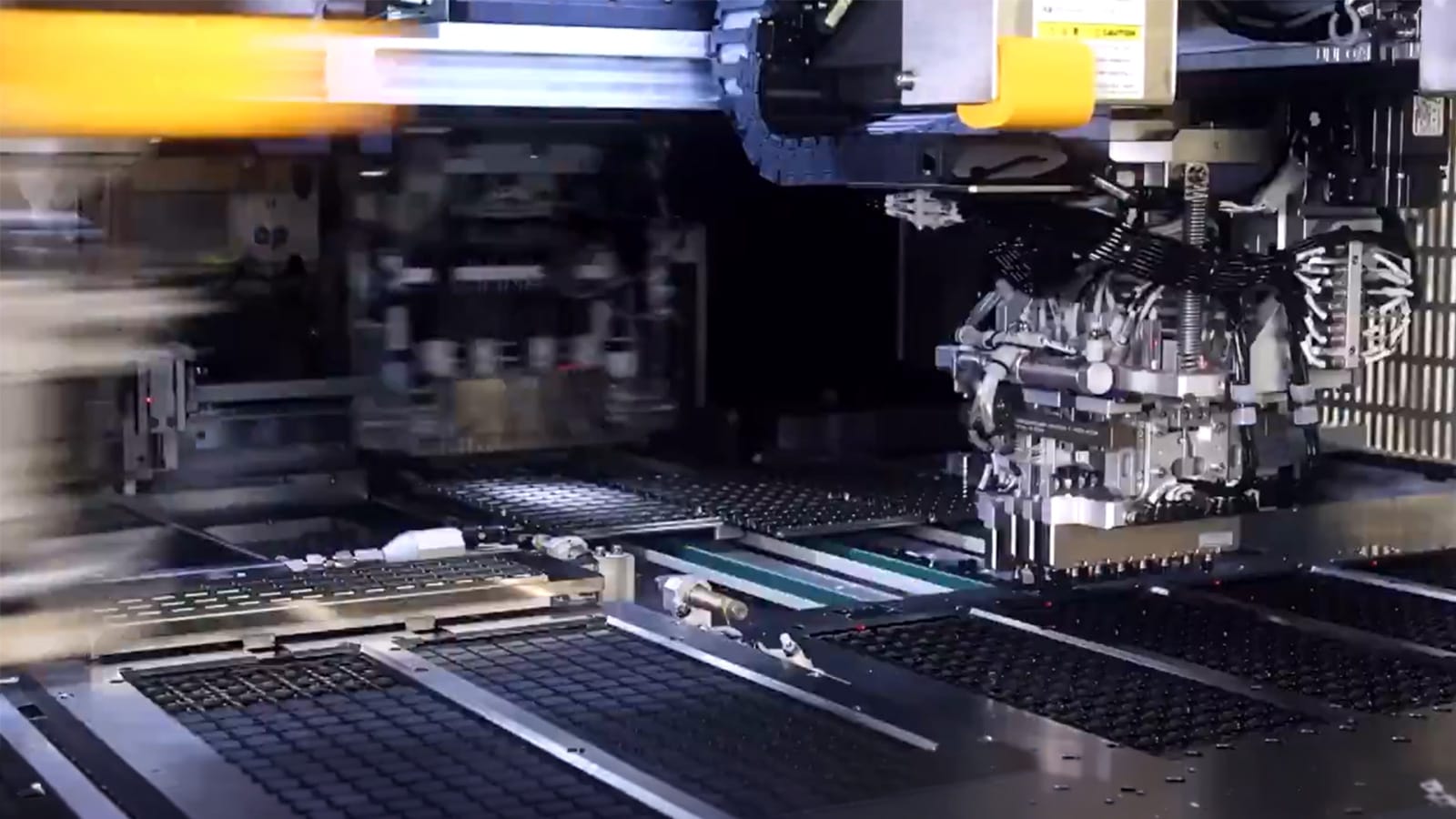
Taiwan makes more than 90% of the world’s most advanced computer chips, through companies like TSMC. Almost every phone, car, weapon and data centre depends on them. That concentration in one location, under constant pressure from China, is the single biggest supply chain risk in modern technology.
Australia has no advanced chip fabrication of its own. Rinehart’s argument is that offering Taiwan’s chip makers a safer site here does two things at once: it gives the industry a second home away from the Taiwan Strait, and it gives Australia a domestic advanced manufacturing base, the skilled workforce that comes with it, and a chip supply that doesn’t depend on a contested island.
Israeli defence: the air defence and drone know how Australia lacks
Israel is one of the world’s leading defence manufacturers. Its air defence systems, including the Rafael built Iron Dome, are among its most sought after exports, and its drones from firms such as Elbit and IAI are used by militaries worldwide. Israeli defence exports hit a record $15 billion in 2024, much of it technology proven in recent conflicts.
Australia’s own defence manufacturing base is thin, and AUKUS has put sovereign capability back on the agenda. Townsville is already a garrison city. Rinehart’s pitch is that hosting Israeli manufacturers here would give Australia local production of drones and air defence, access to proven technology, and Australians trained to build and maintain it.

The real prize: learning the technology, not just hosting it
The land is only the incentive. What matters is what comes with the company: the intellectual property, the manufacturing know how, the university partnerships, and a workforce trained on technology Australia can’t currently build. Rinehart made that explicit, asking whether it wouldn’t be “fantastic for Australian university student graduates” to learn alongside world leading proponents close to home.
That’s the trade. Australia provides the land, the tax holiday and the infrastructure. In return, the company brings its technology onshore and trains Australians on it. Strip the incentives out and the firms stay offshore, and Australia keeps importing the finished product with none of the skills.
What the coverage buried: housing homeless veterans
The same speech also called for housing Australia’s homeless veterans. Rinehart said “empty federal offices could be changed to accommodation, for homeless veterans, struggling pensioners, and frightened women and children”. She isn’t only talking: through Hancock Prospecting she’s committed $200 million to veteran housing, with the first homes already full. As Yemini noted, the only person in this debate actually giving away free land to Australians who’ve earned it is Rinehart, with her own money, not the taxpayer’s. None of that made the outrage cycle.
She also backed exiting the Paris Accord, where she and One Nation agree
Rinehart also praised Pauline Hanson's call to "exit the Paris Accord", the global climate pact behind Australia's net zero and emissions targets. Pulling out would drop those commitments and the energy rules built on them, which Rinehart and One Nation say push up power prices and choke mining and industry for little global effect. She cited the United States leaving under Donald Trump as the model, and called it putting "Australians first". Both major parties back staying in, so a mining billionaire siding with One Nation here drags a fringe position closer to the mainstream.
What the debate should actually be about
Whether you back the idea or not, attracting the world’s best chip, space and defence industries to North Queensland is a debate worth having. The smear that Gina Rinehart wanted Israeli settlers to colonise Australia, while a speech about jobs, veterans and sovereign manufacturing went unread, was never that debate.