More than half a million dollars of taxpayer money is going to a university study on Aboriginal connections to outer space, and One Nation Senator Malcolm Roberts says the government still cannot explain why it deserves the money more than the Australians going without.
The grant is real, and the figure is on the public record. The Australian Research Council’s own grants database lists project DE260100761, awarded to Dr Lara Daley at the University of Newcastle under the Discovery Early Career Researcher Award scheme. It was funded at $528,491 when announced, and the ARC record now puts its value at $532,718. The money runs from January 2026 to December 2028.
What the $532,718 grant actually funds
The official project title is “Intercultural protocols for sustainable human activity in outer space”. According to the ARC listing, it aims to develop “intercultural guidelines for sustainable human activity in outer space”, guided by Yolngu and Gumbaynggirr Custodians, songlines and creation stories, to inform space policy, industry and public education. The University of Newcastle confirmed the award in its own November 2025 funding announcement.
The grant was awarded through the ARC’s competitive, peer-reviewed process, so the researcher did nothing improper in winning it. The question Roberts is raising is not about her, it is about the government that decided this was worth funding.
The ARC’s own National Interest Test statement for the project states that “a key government priority is embedding Aboriginal and Torres Strait Islander knowledge in its approach” to outer space, which is exactly the priority Roberts is challenging.
Roberts to the government: how does this help people in tents?
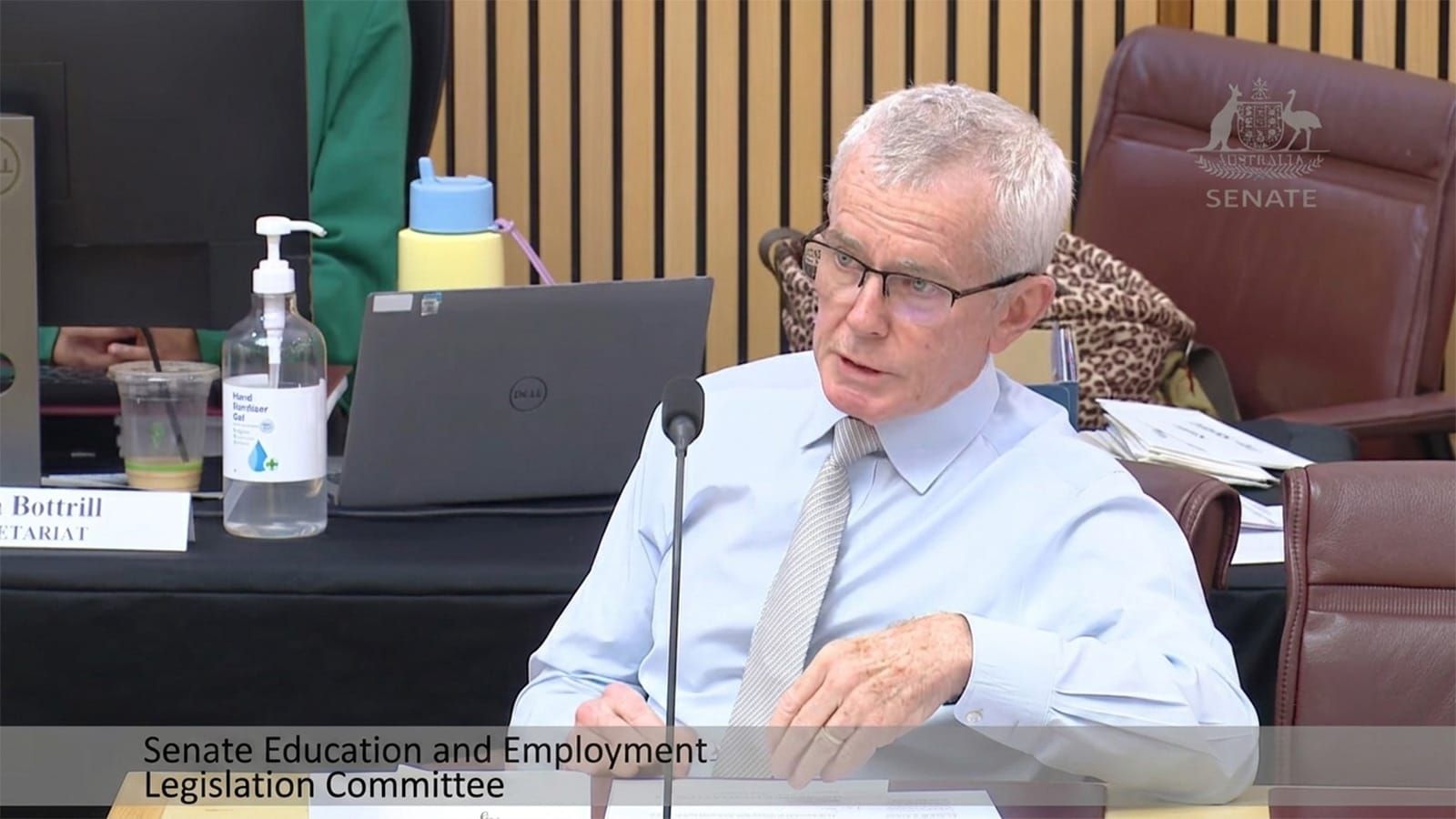
Roberts raised the spending during questioning at the Senate Education and Employment Legislation Committee, then set out his case directly to the public.
I seemed to have upset my colleagues when I questioned why more than half a million dollars was being spent on a grant exploring “Indigenous connections to outer space”. How do such projects help Australians who are living in tents, skipping meals, or struggling to pay rent? While people are hurting, the Labor government is spending $1 billion a year on grants like this. Taxpayers deserve to know why.
It is a hard argument to wave away at a time when households are cutting back on essentials. The government has to explain why space policy guidelines rank above the cost-of-living pressures Roberts is pointing to, and so far it has not.
The $1 billion figure behind the row
Roberts’s “$1 billion a year” line needs context, because it is close to the mark but broader than this one grant. The ARC’s National Competitive Grants Program distributes roughly $1 billion a year across every field of research, not medical, from engineering to the humanities. This space study is one grant inside that program, not the whole billion. The point Roberts is making is about the priorities that program funds, and whether taxpayers would set them the same way.
That is the real question here. The half a million dollars is verified, the government has called embedding this knowledge in space policy a priority, and Australians are being asked to fund it while many of them cannot cover the rent. Roberts wants the government to justify that order of priorities out loud, and voters are entitled to hear the answer.