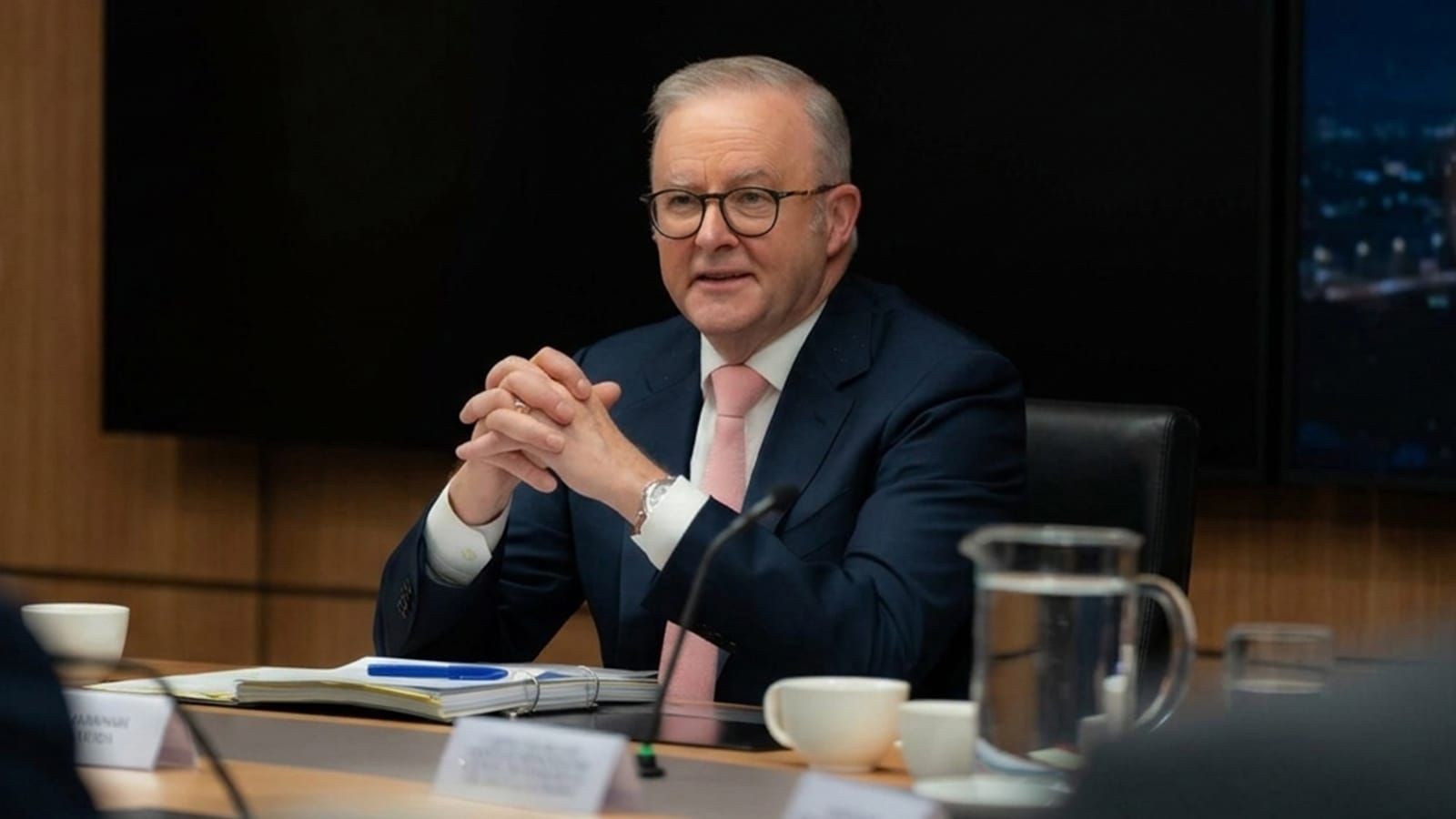
Labor is about to write a rule into its platform that could help decide whether your workplace can use artificial intelligence, and hand the unions a seat at the table when it does.
The draft national platform Labor takes to its 50th national conference from 23 to 25 July would commit a federal Albanese government to "consider" a new AI Expert Panel inside the Fair Work Commission, and to a "co-design" process between businesses and workers before AI is brought into a workplace.
Business groups have a blunter word for co-design. They argue it hands unions "an effective veto over technology uptake."
Tim Ayres said the plan was to speed AI up. Seven months on, Labor's platform reads like the handbrake
In December, the minister responsible, Industry Minister Tim Ayres, released Labor's National AI Plan with a clear pitch. The goal, he said, was to "accelerate the broad development and adoption of AI" and to make Australia "a leading destination for future AI investment."
Unions got one soft mention. They would "play an important role in shaping the uptake and adoption of AI."
The national platform goes a lot further. "Shaping the uptake" has become a Fair Work AI panel, a co-design process business calls a veto, and reviews of workplace surveillance, biometric data and whether discrimination laws are fit for purpose. The accelerator Ayres sold in December now comes with a brake, and it's the unions holding it. On AI in the workplace, Labor has changed its position again.
It isn't the only reversal on show. This is a leader who said 385 times he'd never deal with the Greens before doing exactly that to pass his tax bill. Positions are moving.
What this actually means for you
None of this is law yet. If the platform passes and a Labor government acts on it, here's who it touches.
If you're an employer:
- Before bringing AI into your business, you'd be expected to consult your staff and their union first, through what the platform calls "co-design."
- Business groups warn that consultation can amount to a veto, so a union could block or delay a rollout.
- The platform says employers "should provide timely access to high-quality, accredited AI-related training and upskilling" for staff, a likely new cost.
- It also floats an AI Expert Panel inside the Fair Work Commission, so if that goes ahead, workplace AI disputes could land before the umpire.
- What it is not: you don't apply to, or pay, the government's new AI Safety Institute. That's a $29.9 million watchdog that tests AI models for risks, not a permission office you have to clear.
If you're a worker:
- A stronger right to be "meaningfully consulted" when AI changes your job.
- A call for your employer to provide training so you can "upskill into safe, secure and well-paid jobs."
- A push to review protections around being watched at work, and around your personal and biometric data being used to train AI systems.
Nothing changes on 26 July, but the direction gets locked in
Here's the part that stops anyone panicking. This is a party platform, not a law. Delegates vote on it at the Adelaide conference from 23 July, and even if it passes it commits Labor only to "consider" and "review." Any actual union veto would still need the government to legislate for it separately down the track. What the vote does is lock in the direction of travel.
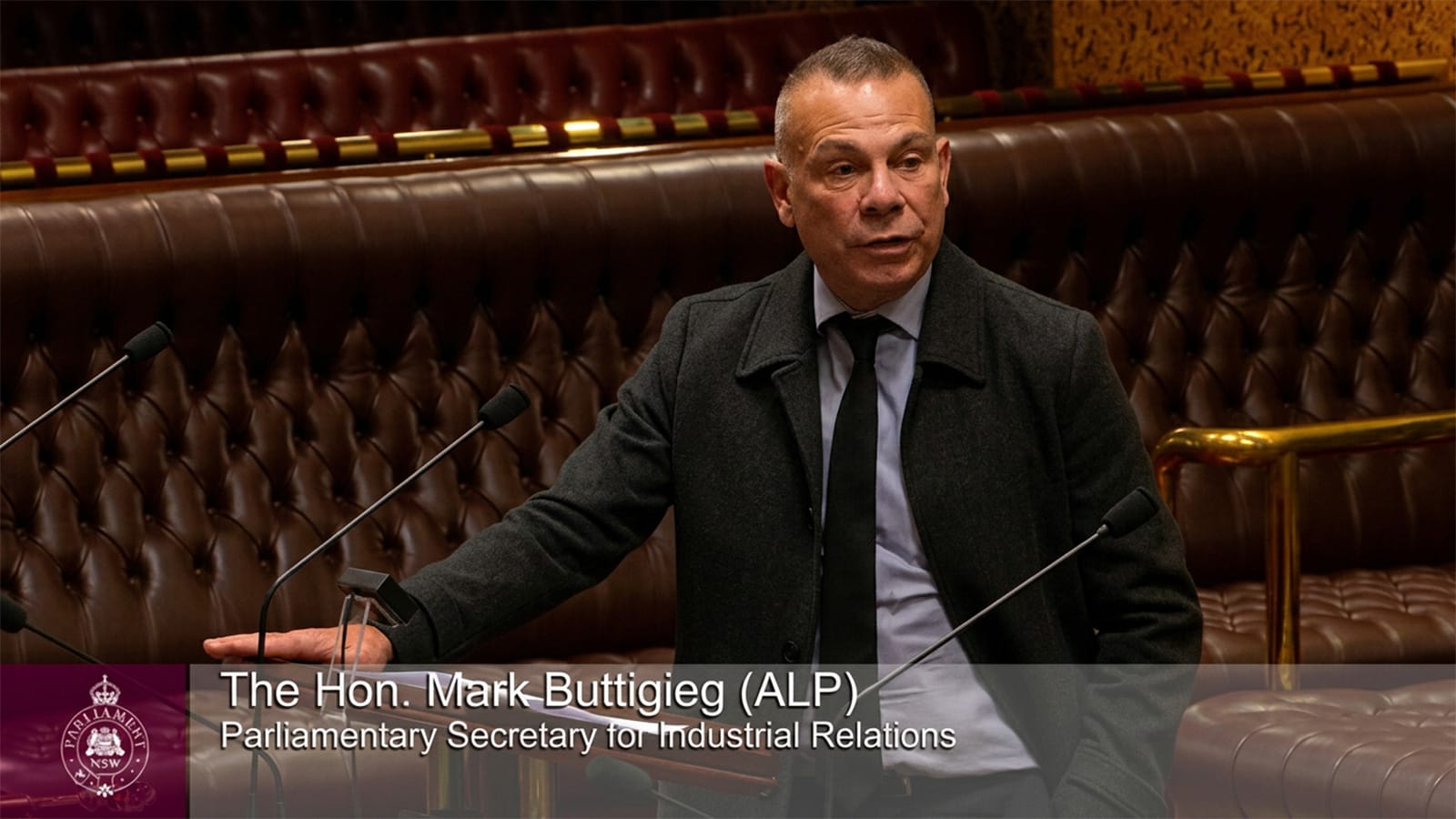
Mark Buttigieg, dumped from Labor's ticket by a union boss, warns his own party about One Nation
Mark Buttigieg is a NSW Labor member of the state's upper house and a former Electrical Trades Union organiser. He's also on his way out. Earlier this year the secretary of Unions NSW, Mark Morey, was handed Buttigieg's spot on Labor's election ticket, which means Buttigieg loses his seat at the next state election. Put simply, a union boss took his job.
That's what makes his warning worth hearing. A man already shown the door is freer than most to say what his party would rather keep quiet, and he used Labor's NSW conference to say it.
"This is a technology that, depending on how we handle it, will either result in massive structural unemployment and a loss of productivity, or a great opportunity to uplift the human race."
Buttigieg then warned Labor would lose ground to One Nation if it didn't put job creation first. That's not idle worry: One Nation has already overtaken Labor in Queensland. The union push on AI, in other words, is aimed squarely at a working class vote Labor knows it's losing.
The one part media and creatives will welcome
Not all of it is red tape. The platform also commits Labor to protecting intellectual property in "creative, media and other industries," a direct shot at the global AI giants that want to scrape journalism, music and art to train their models for free.
It matters because AI is already moving into Australian newsrooms. Seven has built its own tool to help write articles, with up to 200 jobs going. News Corp uses generative AI to pump out thousands of local stories a week. Even the biggest players are shedding staff, with Nine cutting around 20 newsroom roles in its "Future News" restructure in April. The work is changing fast, so a written promise to protect creative and media jobs is worth something.
For everyone else, Labor still hasn't answered the obvious question. It says it wants a "sovereign Australian artificial intelligence capability" that captures the full economic benefit of the technology. It's hard to see how you build that while making it a negotiation with the unions every time a business wants to switch it on.