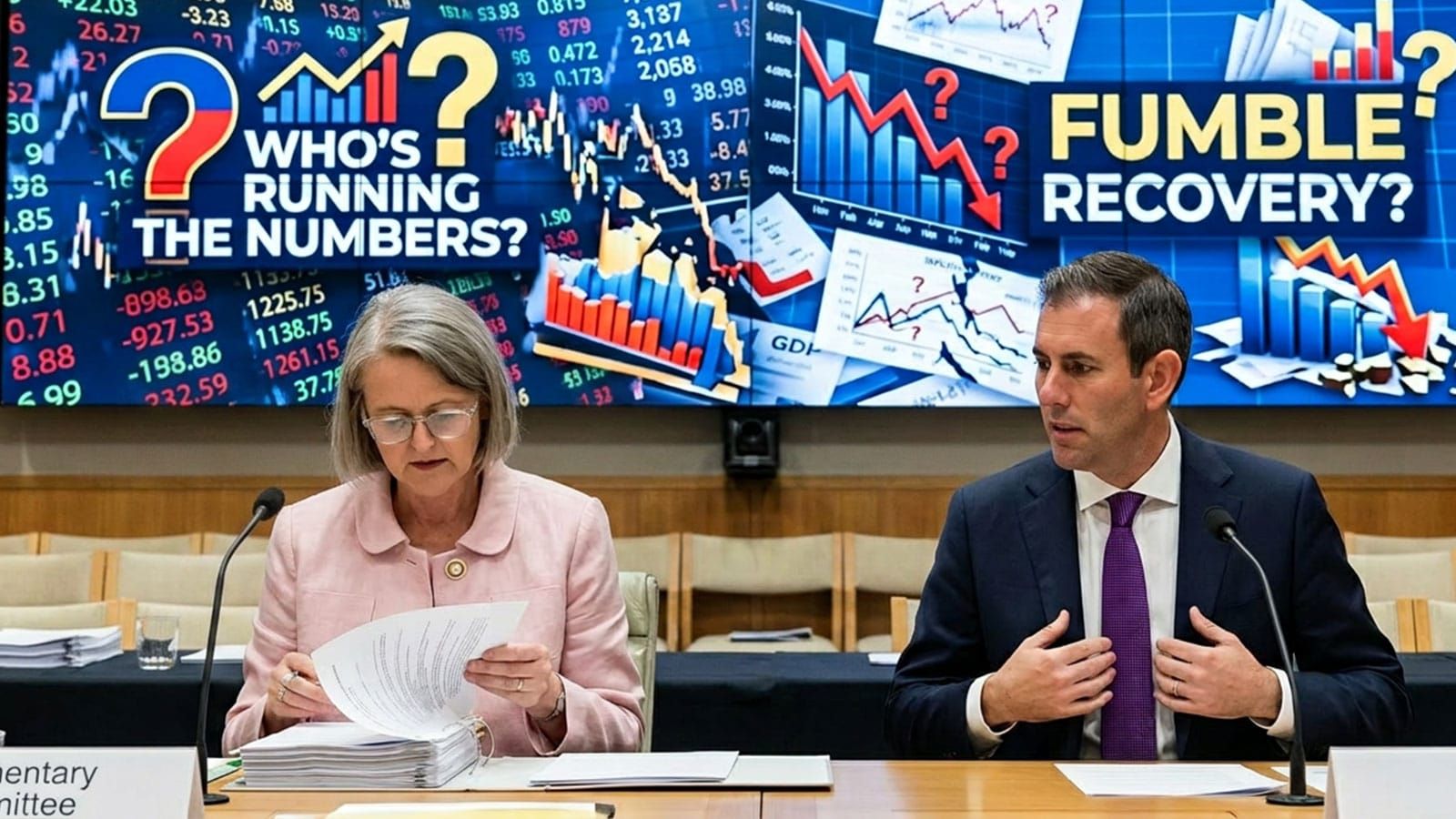
The country's top Treasury official has had to correct her own speech after understating a key figure by about $4,000, and the Coalition wants to know how the department running the numbers behind Labor's budget could be that far off.
Treasury Secretary Jenny Wilkinson told Australian Business Economists last Thursday that median income earners benefit from capital gains and negative gearing concessions by around $5,700 over their lifetimes. The actual figure, according to Treasury's own modelling, is about $10,000. Roughly double.
A footnote and amendment have since gone up on the Treasury website. The department blames a transcription error.
Shadow Finance Minister Claire Chandler says the Coalition will have "serious questions to ask" of Ms Wilkinson when she fronts Senate Estimates on Thursday.
"Labor do not want their toxic taxes interrogated because they know they are full of holes," Senator Chandler told SkyNews.com.au.
"If the Treasury Secretary isn't across Treasury's own modelling, then who is?"
The speech and its figures sit at the centre of how the government is selling its capital gains and trust taxation reforms, which form part of the broader budget package winding back tax concessions that Treasury says disproportionately benefit higher income earners.
Treasury's analysis argues the 50 per cent capital gains tax discount fails to adjust fairly for inflation and has, in its words, "effectively compensated investors." The government says the reforms will move the system toward a "more neutral treatment" across the population.
The modelling claims that if the reforms had been in place since 2000, the lifetime tax benefits for the top 1 per cent of earners would have dropped from $700,000 to around $300,000, and the top 10 per cent of lifetime earners would have paid 60 per cent of the new tax revenue.
Senator Chandler says the modelling "looks backwards" when Australians want to know what the impact will be going forward.
"This policy is an assault on aspiration, including younger Australians trying to get ahead. There is a better way. The Coalition will axe Labor's toxic taxes and deliver bigger automatic tax cuts to help with the cost of living."
Treasurer Jim Chalmers defended the analysis on Nine's Today Show, telling viewers the broader picture still held.
"The difference between $5,000 and $10,000 for the average worker versus $700,000 for the top 1 per cent, I think the point still stands," he said.
"The point that Secretary Wilkinson was making is that people who are already doing very well are the biggest beneficiaries by a long way on the current arrangements."
Treasury was contacted for further comment.
The Senate Estimates hearing is listed for Thursday.
Sources:
- https://www.skynews.com.au/business/economy/full-of-holes-liberal-senator-claire-chandler-vows-to-hold-govt-to-account-after-treasury-official-makes-4000-fumble/news-story/
- https://treasury.gov.au/speech/address-australian-business-economists
- https://www.aph.gov.au/parliamentary_business/senate_estimates