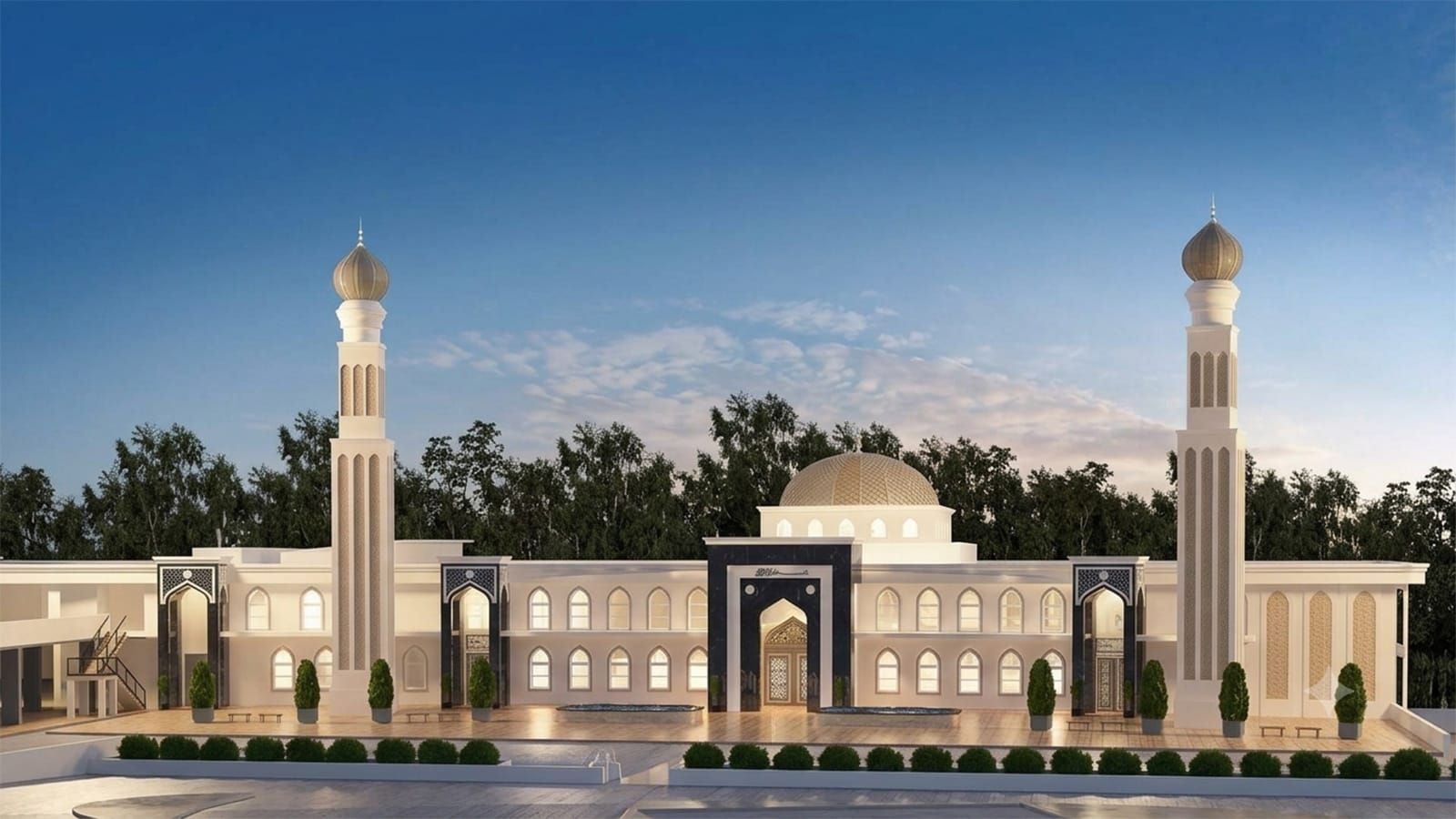
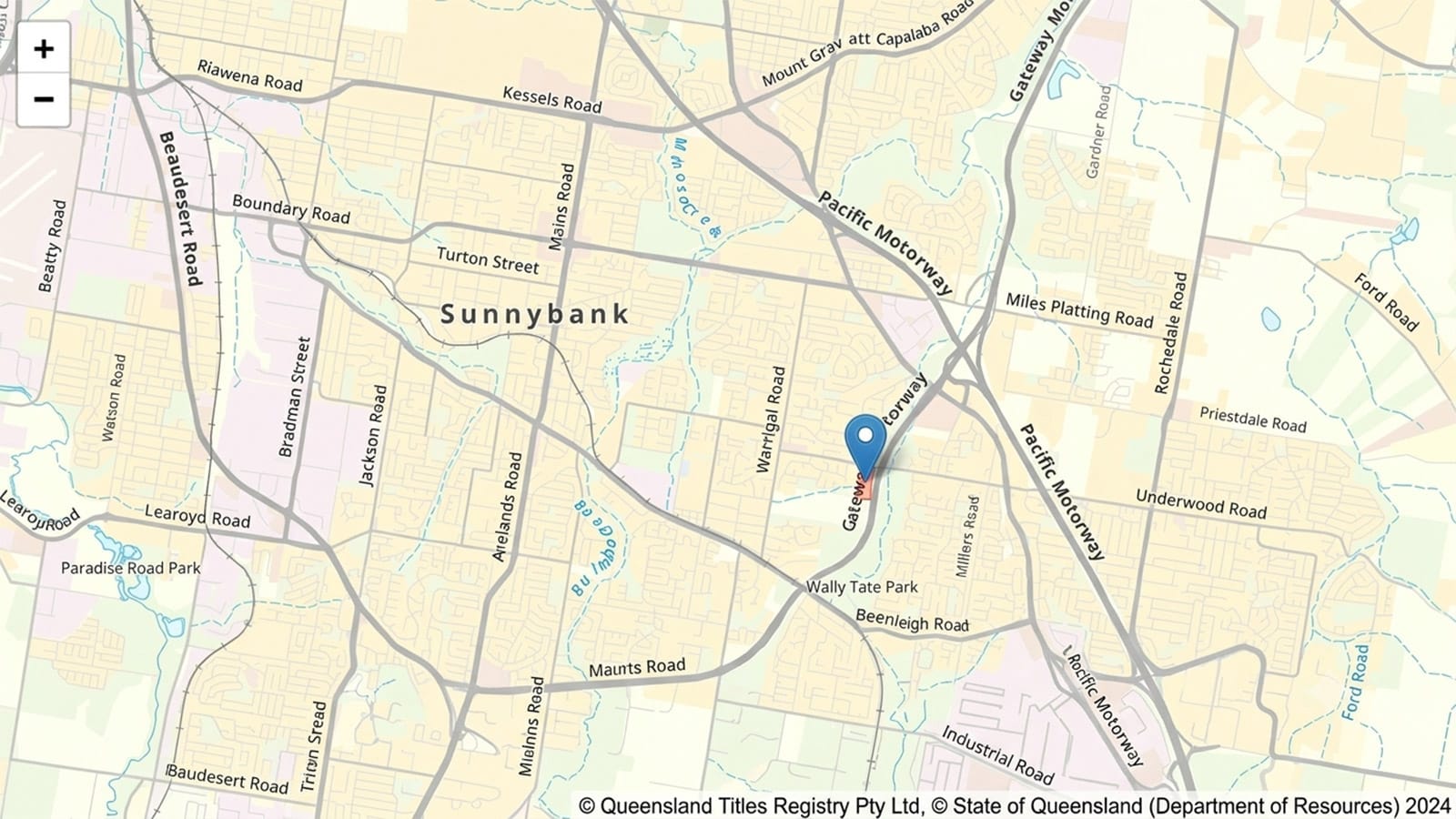
Pauline Hanson's One Nation wants construction of new mosques in Australia halted. Brisbane Islamic Centre Ltd, a registered charity, is building one anyway: a $20 million mosque and community complex on a 10 acre block at 161 Underwood Road, Eight Mile Plains, in Brisbane's south. The approval that made it possible was granted by a judge, after Brisbane's LNP run council knocked the project back.
That approval trail matters for every Brisbane reader watching the buildings rise beside the Gateway Motorway, because it answers the question doing the rounds on social media this week: who signed off on this? The short answer is that no political party did.
The project found a new audience this week after a TikTok creator known as the Muslim undertaker, a Sydney based funeral director, walked his followers through the construction site.
@aussiemammoth1 Alhamdulillah, I’ve just arrived in Brisbane for a few hours to visit the Brisbane Islamic Centre. SubhanAllah, what an incredible project. This beautiful centre stands on 10 acres of land generously donated by a brother as a waqf (endowment) for the sake of Allah. More than $10 million has already been invested into bringing this vision to life, and the progress is truly inspiring. This will be a place of worship, education, community, and ongoing charity that will benefit generations to come, in sha Allah. The project still needs our support to reach completion. If Allah has blessed you with the ability to give, consider being part of this sadaqah jariyah. The reward of helping build a house of Allah continues long after we leave this world. Keep a lookout—there’s much more to come from this amazing project, in sha Allah. #tiktok #themuslimundertaker #viral #fyp #trending
♬ original sound - The Muslim undertaker
What Brisbane Islamic Centre Ltd is building
The charity's own construction updates describe a mosque with capacity for more than 2,500 worshippers, a community hall catering for more than 750 people, serviced offices for community organisations with a shared boardroom, a 120 seat audio visual theatre, an Islamic museum and library, madrassa religious classrooms, separate youth facilities for boys and girls, a cafeteria with outdoor dining, and parking for 400 cars. A second stage fronting Underwood Road is planned to hold 91 retirement units, 30 aged and dementia care units, a 250 square metre medical centre and a 75 place childcare centre.
Brisbane Islamic Centre Limited is registered with the Australian Charities and Not-for-profits Commission. Construction began in December 2021, with completion originally targeted for 2024.
The viral post got the shape of the project correct, although its numbers run slightly under the charity's own: it described a prayer hall for 2,000 worshippers where BIC advertises more than 2,500, and an 800 person function hall where BIC says more than 750. Much of the post's wording in fact tracks the charity's own project funding page almost line for line.
Hatia Education Foundation gave the land. Donations must find the missing $14 million
The gift of the 10 acres was long described only as a donation from within the community. The charity's project funding page says the land was purchased in 2007 and then donated as Waqf, an Islamic endowment given permanently to the community, with the title held by the ACNC registered public company. Under Islamic law a Waqf cannot be sold, gifted away or inherited once dedicated, which is why the structure is used for mosques around the world. That restriction binds the trustees, not the Crown: like any church or farm, the land can still be compulsorily acquired by a government under Queensland's Acquisition of Land Act, with compensation paid, so Waqf status gives the site no special protection from resumption.
Title records name the giver. A historical title search obtained by One News shows Hatia Education Foundation Pty Ltd, a private Queensland company registered in 2004, became the registered owner of the land on 11 December 2007, paying $1,815,000 according to recorded sales data, with a Suncorp mortgage lodged the same day and discharged nine months later.
On 5 March 2009 the company transferred the property to Brisbane Islamic Centre Ltd, the transfer BIC's material describes as the Waqf gift. ASIC records close the loop. The foundation was registered in 2004 as a non-profit company, its founding director was Mahomed Faisal Yusuf Hatia, and when it converted to a private company in 2014 he became its sole shareholder.
Court records, community press and the charity register render his name variously as Mohammad, Faisal and Mahomed Hatia, and the full name on the ASIC record ties the records together: the Kuraby figure who drove the project from its beginning and now serves as BIC president. The mystery donor was the project's own founder. A community newsletter from the project's early years put the investment at that point at $2.2 million, which squares with the title record.
| Date | What happened |
|---|---|
| December 2007 | Hatia Education Foundation, then a non-profit company directed by Mahomed Faisal Hatia, buys the 10 acres at 161 Underwood Road for $1,815,000, borrowing from Suncorp |
| September 2008 | The mortgage is discharged. The land is debt free |
| March 2009 | The foundation transfers the land to Brisbane Islamic Centre Ltd. This is the Waqf gift |
| December 2011 | BIC lodges its development application for the mosque |
| May 2014 | Brisbane City Council, under LNP Lord Mayor Graham Quirk, refuses it |
| December 2016 | The Planning and Environment Court approves the project on appeal |
| December 2021 | Construction begins on the $20 million build |
| 2022 | The council approves stage two, the Sukoon Village aged care development |
The build itself runs on donations. The same funding page now puts total construction costs at $20 to $22 million, reports about $8.1 million spent over the past two years, and appeals for regular and lump sum donations to cover a shortfall of roughly $14 million. It also confirms two features from the viral post: Janazah funeral facilities in the basement level, and accommodation for 10 visiting Jamaat members on the ground floor.
Australia now has a national body dedicated to the same funding model. Awqaf Australia Limited, a Lakemba based charity founded in 2014, says more than 200 waqf founders have established endowments through it and runs 16 pooled funds, including a Masjid Building and Restoration Waqf with a $750,000 fundraising goal, a $20 million Australian Islamic Hospital Waqf, and a tax deductible Media and Advocacy Waqf aimed at amplifying Muslim voices in media and fostering political engagement. There is no connection on the public record between Awqaf Australia and the Brisbane Islamic Centre, whose endowment predates that organisation by six years.
Graham Quirk's council refused it. Judge Richard Jones approved it
In Queensland, no politician votes on a mosque. A place of worship is a development application decided by the local council under planning law, judged on traffic, noise, flooding, ecology and visual impact, the same tests applied to a church hall or a childcare centre. If the council refuses, the applicant can appeal to the Planning and Environment Court, a specialist planning arm of the District Court.
That is exactly what happened at Eight Mile Plains. Brisbane Islamic Centre Ltd lodged its application in December 2011. On 16 May 2014, Brisbane City Council, then led by LNP Lord Mayor Graham Quirk, refused it. The charity appealed, and after a six day hearing Judge Richard Jones delivered his reasons on 31 March 2016, finding there was clearly a need for a mosque in the area.
The council's objections were conventional planning grounds: the land's rural zoning, visual impact, ecology along the creek that crosses the site, and whether 396 car parks would cope with Friday prayers. The judge worked through each and concluded they could be managed with conditions such as landscaping buffers and a protected 60 metre waterway corridor, while the need, on the evidence, was clear. The approval was finalised in December 2016, according to the project timeline.
The court heard the existing Kuraby mosque, a few suburbs away, was grossly overcrowded, with 600 to 800 people attending and worshippers praying on balconies and in the car park, while Friday prayer traffic in surrounding streets was described in evidence as chaotic.
Mohammad Hatia, the community figure the judgment describes as the driving force behind the project, set out his aims in a statement quoted in the court's reasons.
It was vitally important to me that my Australian compatriots who lived side by side with me in the same neighbourhood needed to be educated about Islam and to remove all misconceptions and phobias about my religion.
So for readers asking whether Labor or the Liberals approved the Brisbane Islamic Centre, the record shows neither did. An LNP led council refused it, the charity appealed, and the approval came through the court under planning law that gives no weight to which party holds office.
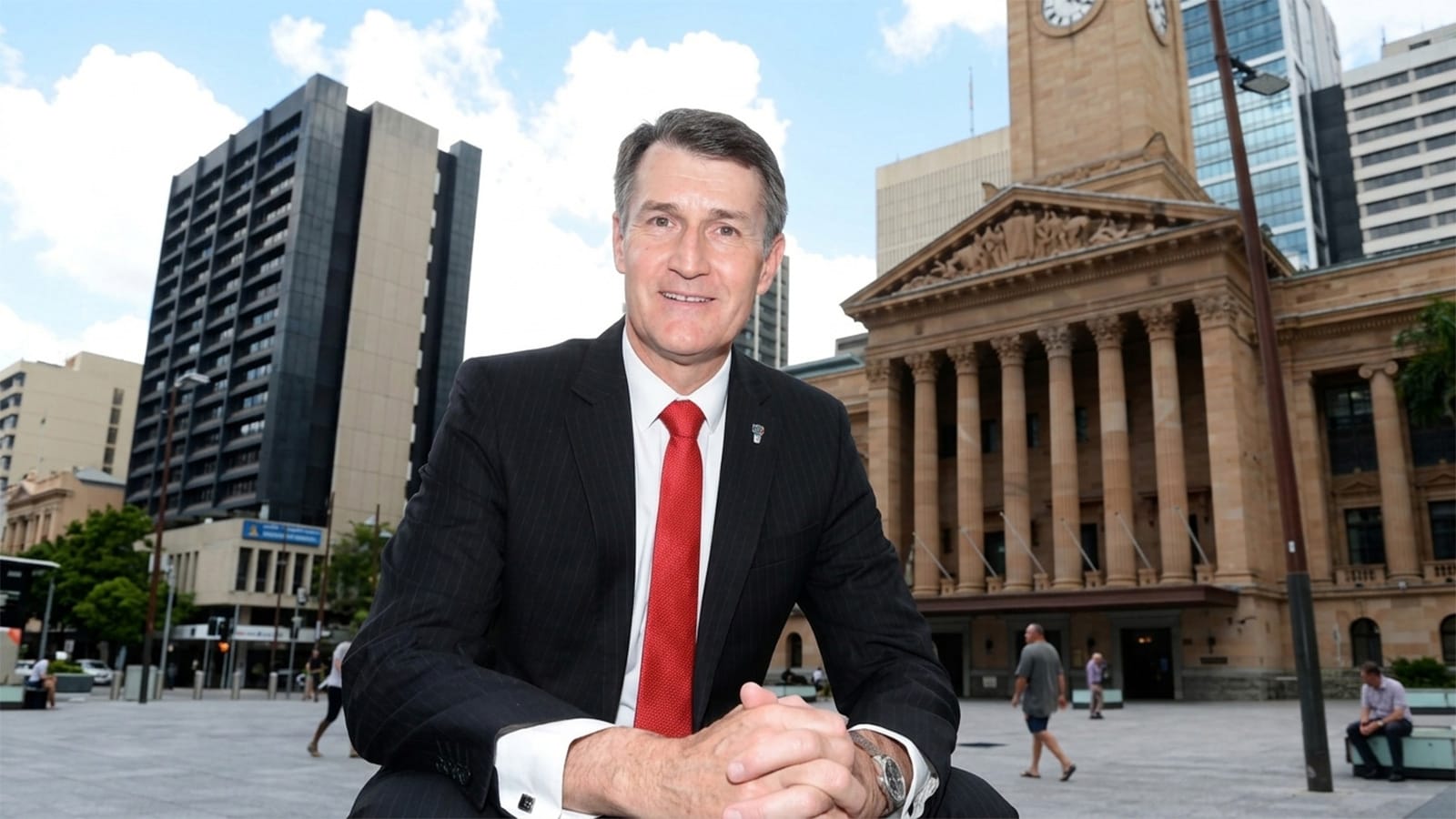
The politics around the project have softened since the refusal. Muslim community newspaper AMUST photographed LNP Lord Mayor Adrian Schrinner touring the project's display centre with BIC president Faisal Hatia in September 2022, eight years after his predecessor's administration knocked the development back. Labor's federal member for the area, Graham Perrett, has also visited the site in support of the project.
The census numbers behind the build
The Australian Bureau of Statistics counted 813,400 Muslims in Australia at the 2021 Census, 3.2% of the population, up from 200,900 in 1996 and 604,200 in 2016. Almost 126,000 of the five year increase were migrants who arrived between 2016 and 2021, mainly born in Pakistan, Afghanistan, India and Bangladesh.
The growth is sharpest exactly where the new centre is rising. In Kuraby, the 2021 Census found Islam was the largest religious group at 32.5%, ahead of every Christian denomination, up from the roughly 19% cited in court in 2016. Mr Hatia told the court Queensland's Muslim population had been growing by 60% to 70% every five years for a decade. Online directories such as HalalHQ now list about 80 mosques and prayer spaces across Queensland.
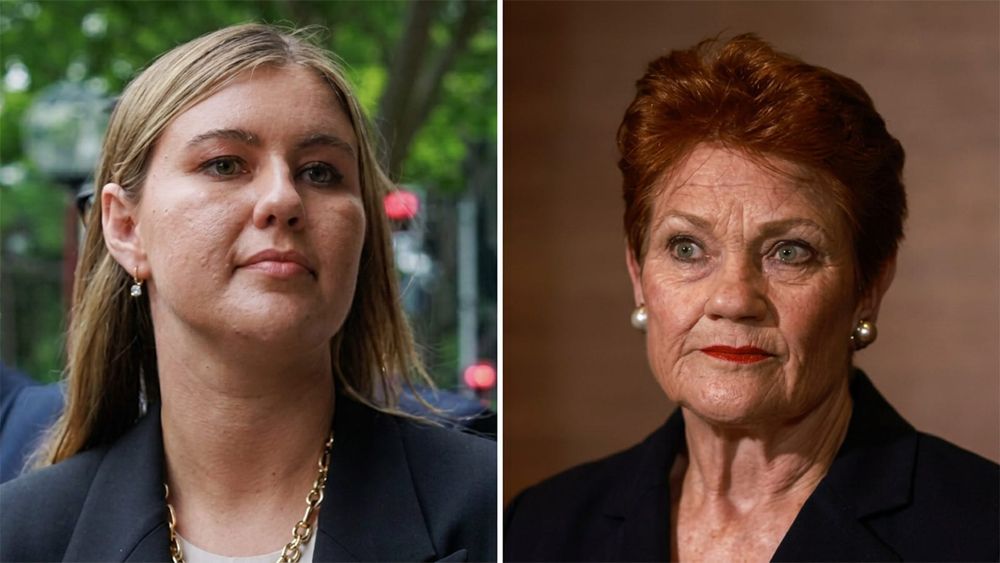
Pauline Hanson wants the building to stop
Senator Hanson took a ban on new mosque construction, a ban on Muslim immigration and a royal commission into Islam to the 2016 election, and she has kept the theme running for a decade. One Nation's current immigration policy would cap visas at 130,000 a year, deport 75,000 people it says are in the country unlawfully, and refuse entry to migrants from nations it describes as fostering extremist ideologies incompatible with Australian values.
In May she told Sky News she would support banning migration from some Muslim majority countries, saying she did not want Australia to end up like Great Britain. That followed her walk through Luton with Tommy Robinson, which she cast as a warning about where Australia is headed.
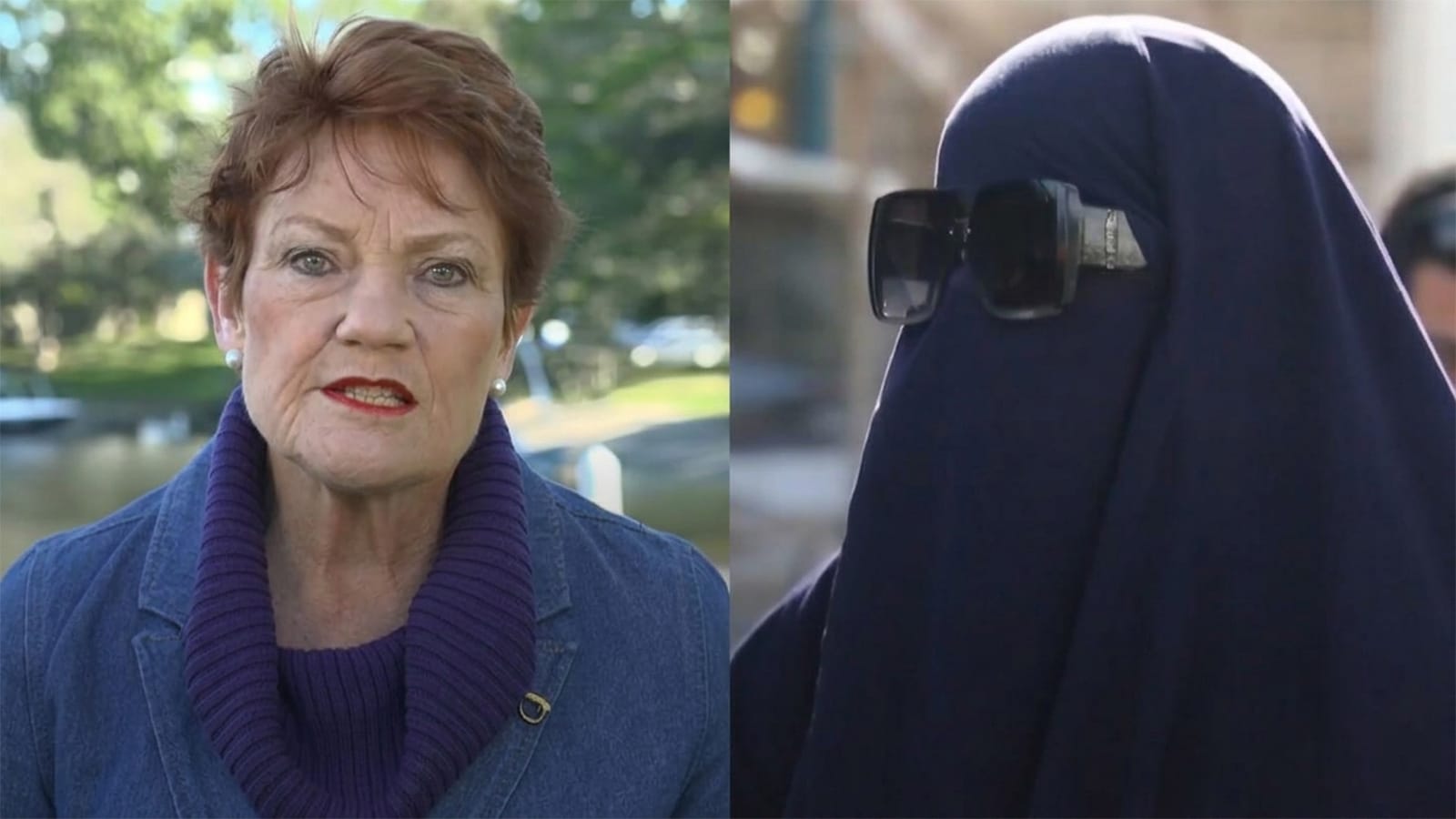
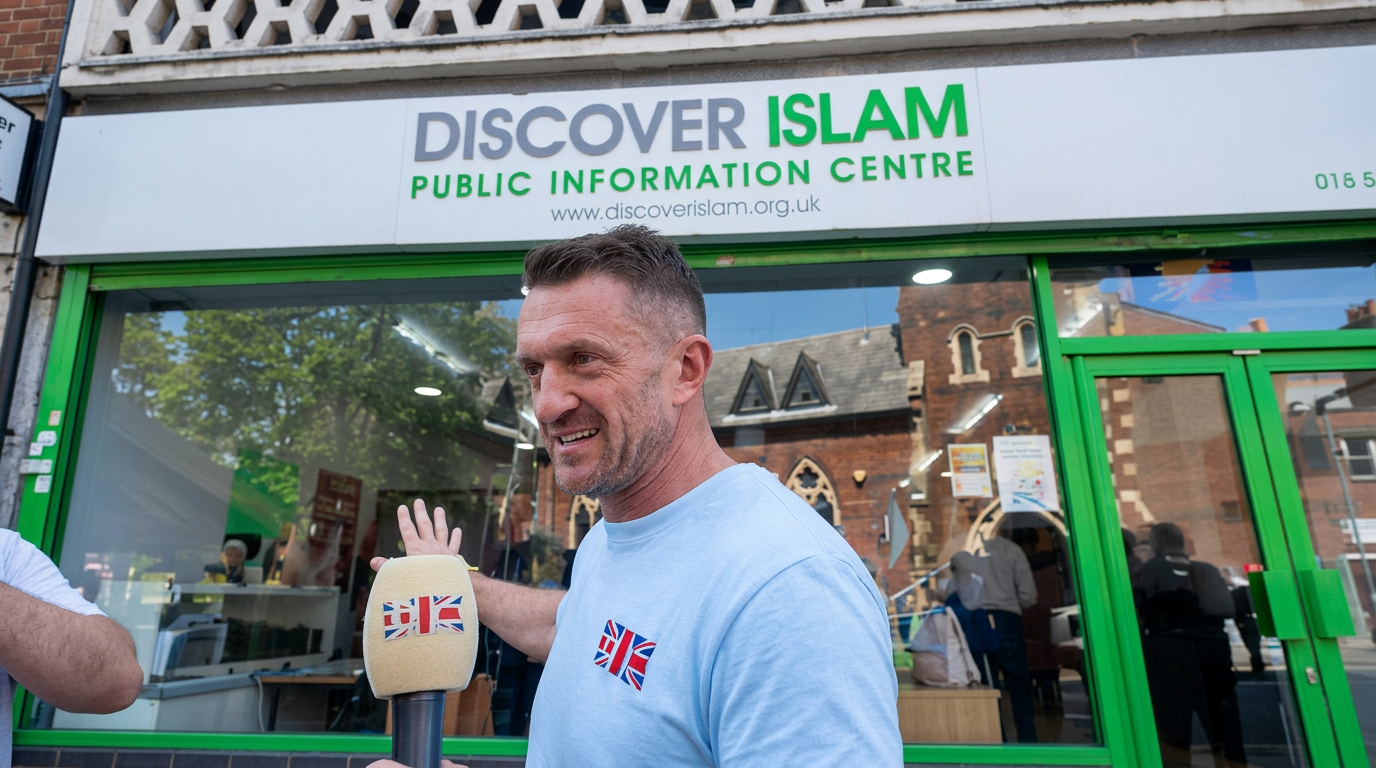
The comparison has hard numbers underneath it. On that walk Robinson took her past Discover Islam Luton, an Islamic outreach centre that says about 5,000 people pass through its doors each month, in a town where the 2021 UK census put the Muslim share at 32.9%, five times the national average.
Kuraby returned an almost identical share, 32.5%, at Australia's census the same year. The scale is different, a single Brisbane suburb against an English town of a quarter of a million people, but Hanson's point in Luton was that the trajectory is what counts.
Stage two at Eight Mile Plains, the Sukoon Village retirement and aged care development with its medical centre and childcare centre, has already cleared its own approval, with Brisbane City Council granting its development application in 2022. The census trajectory points to more applications across Brisbane's south in the years ahead. Whether any future mosque gets built will be decided where this one was: in a council chamber first, and if refused, in court.