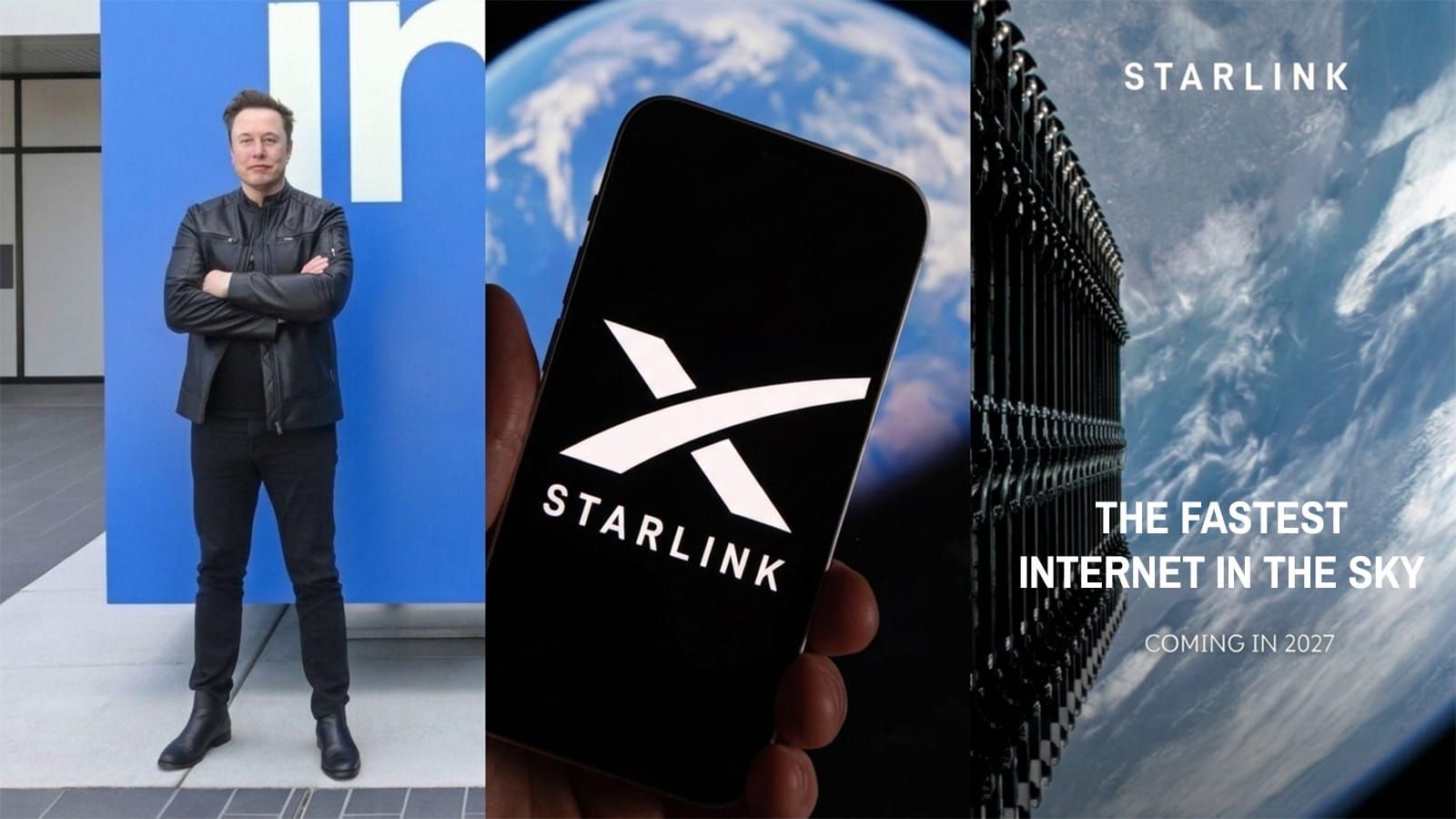
Elon Musk's Starlink is preparing to sell mobile phone service direct to consumers, and one of Australia's most experienced telco analysts says you'll be able to buy it here by 2030. For the three companies that've had the Australian mobile market to themselves, and who all lifted prices by about $5 a month within weeks of each other this year, the free ride is ending.
SpaceX president Gwynne Shotwell laid out the ambition to investors on the company's IPO roadshow in June. The company has just spent US$17 billion buying spectrum and it's been in talks with US cable giant Charter about a consumer phone offering.
"Starlink Mobile will far exceed Starlink broadband in the home," Shotwell told CNBC.
Wall Street took it seriously. Shares in AT&T, Verizon and T-Mobile all slid the day the plan surfaced.
Venture Insights director David Kennedy told news.com.au it reaches Australia faster than the market expects.
"My expectation is in 2030, there will be a Starlink mobile service that you can buy in Australia," Kennedy said. "I think this is going to happen more quickly and more than some people expect."
Video: Starlink/X. Starlink's US ad sells affordability from orbit, with home internet plans starting at US$50 a month.
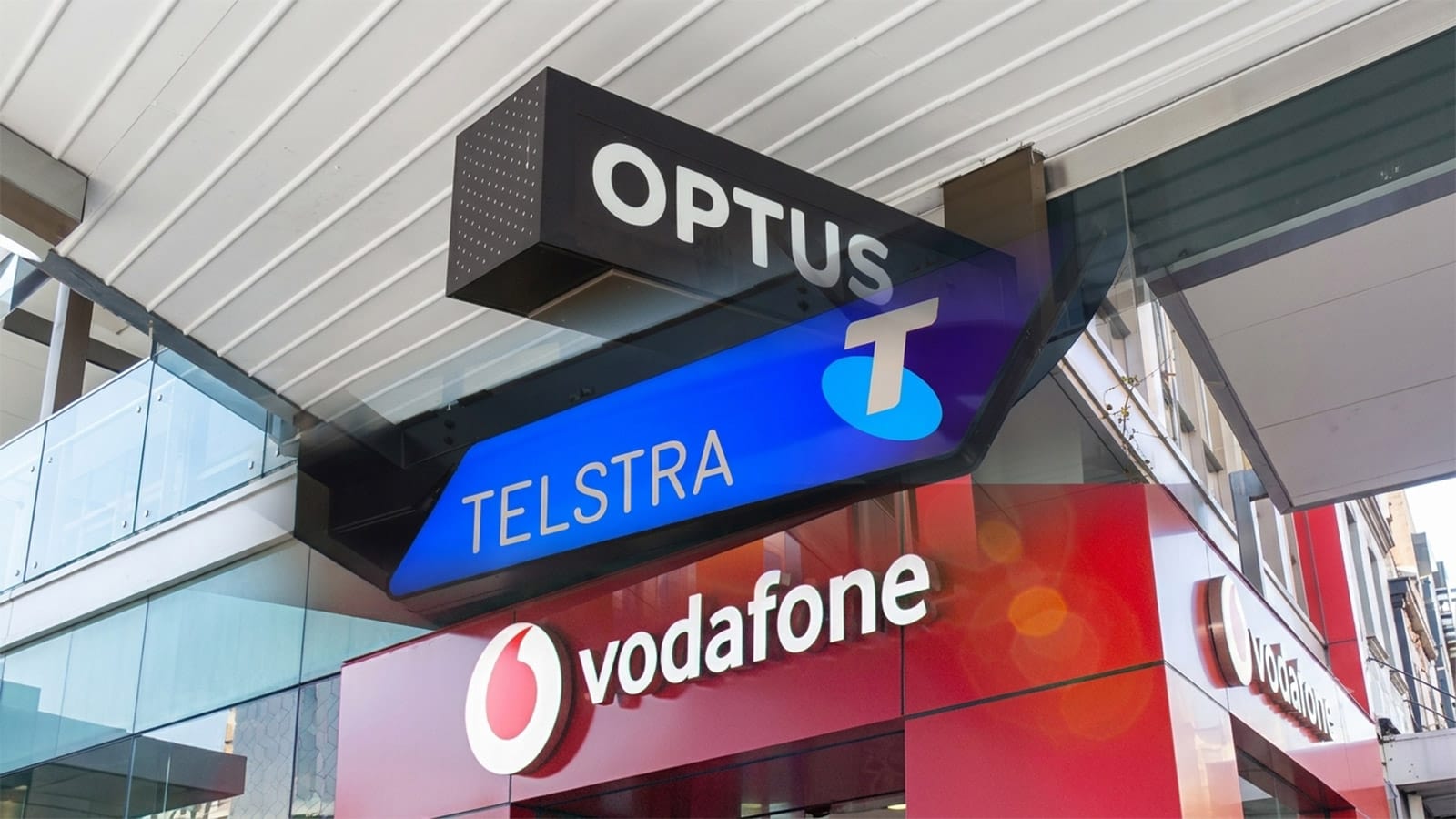
How Starlink stacks up against Telstra, Optus and Vodafone
Coverage is where the big three can't compete. Telstra's network reaches about 99.7% of the population, Vodafone about 98.5%, but people cluster on the coast and the map doesn't. Mobile networks cover only about a third of Australia's landmass, leaving vast stretches with no mobile signal at all, and no way to call 000. Satellites don't care where the towers are. Starlink's network sees every outdoor inch of the continent, which is why it's the big three that need Musk, and never the reverse.
On price, the American benchmark is brutal. Starlink satellite texting through T-Mobile costs US$10 a month, it's thrown in free on top plans, and even customers of rival carriers can buy it as an add on. Compare the home market: big three customers pay an average of $63 a month while Telstra, Optus and Vodafone all pushed prices up again in May. And because one satellite network covers the planet, the international roaming pack, one of the great rorts of Australian travel, has a use by date.
Will it be cheaper here? No Australian pricing exists yet, and that's the honest answer. But Musk's playbook is no secret. Kennedy describes it as getting to scale as quickly as possible and then using that scale as leverage, and the US$10 texting add on shows how Starlink prices when it wants volume. Even Australians who never buy a Starlink plan win from the threat alone, because the big three can't keep adding $5 a year against a competitor with zero towers to build.
When does it start? The dates to hold onto
- Already live in Australia: Telstra's Starlink satellite texting has run since June 2025 on eligible plans with recent Samsung and iPhone handsets, switching over automatically outside mobile range.
- Already live in the US: Starlink texting through T-Mobile at US$10 a month.
- In testing: Optus's SpaceX service, texts first with voice and basic data to follow. Optus says it's re-evaluating its launch timeline.
- This year: the Starship rocket that launches Starlink's new V3 mobile satellites is expected to be operational, per the news.com.au report.
- Late 2027: Labor's outdoor coverage obligation is due to take effect, putting satellite 000 access almost everywhere.
- By 2030: a full Starlink mobile service "that you can buy in Australia", on Kennedy's expectation.
Do you need a new phone, and will it work indoors
No new phone. Direct to cell satellite service works with ordinary 4G handsets, no dish and no special hardware. Telstra's live service covers recent Samsung Galaxy and iPhone models, iPhone 13 and later. The satellite is just another tower your phone can see, which is exactly what makes this different from every satellite phone that came before it.
Indoors is the weak spot. Satellite signals want open sky, which is why Starlink pairs with ground networks for full coverage, and in Australia both big carriers have already signed up.
Telstra's Starlink texting has been live since June 2025: eligible plans with a recent Samsung or iPhone switch to satellite automatically when you leave mobile range, texts only for now, with voice and low speed data flagged for later. Optus has its own SpaceX deal, starting with texts then voice and basic data, but says it's re-evaluating its launch timeline. When voice arrives, Optus intends Triple Zero calls to work for anyone in Australia, whichever carrier they're with.
What about a Musk phone? The Wall Street Journal reported a prototype handset was shown to investors, and Musk denied it. Kennedy reckons the badge alone would sell it.
"There are people out there who would buy a handset, just because it's an Elon Musk handset," he said. "Honestly, I think it's more of a branding thing."
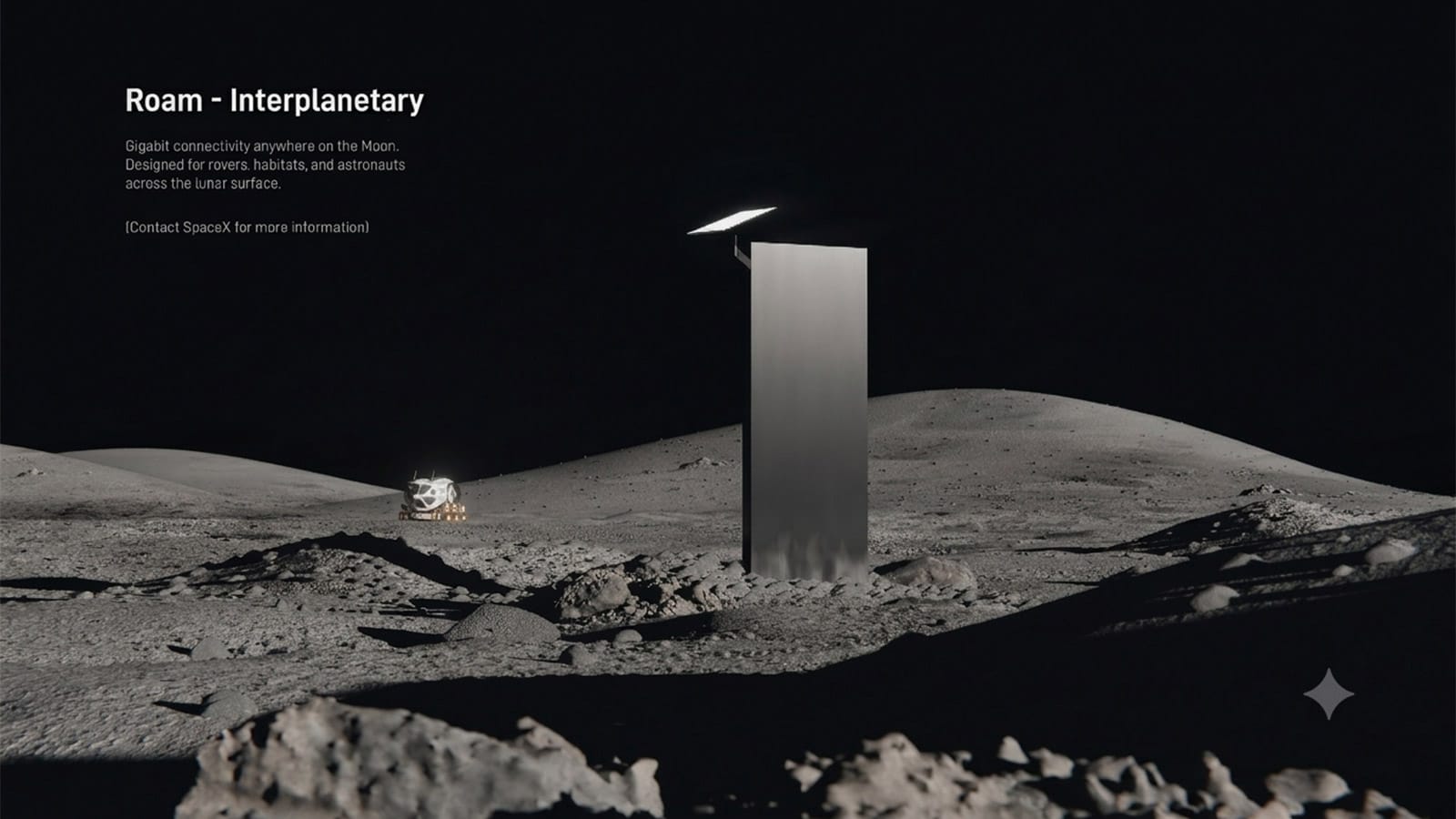
Labor's own coverage law guarantees Musk a seat at the table
Canberra has already made Starlink's entry certain, whether it meant to or not. Labor's Universal Outdoor Mobile Obligation bill, before a Senate committee since May, requires the big carriers to deliver outdoor coverage almost everywhere in the country, and the only way to do it is through low earth orbit satellites. Starlink so dominates that market that the locals will be negotiating, in Kennedy's words, "where they have got no leverage at all."
"My belief is that at some point someone will blink and sign a deal with Starlink to provide wholesale access to their network."
For regional Australia, that's the good news buried in a Canberra bill: the law that forces your telco to buy satellite coverage is the law that finally puts a signal on the farm, the highway and the beach where there's never been one.
It's the second Musk production ramp pointed at Australia this week, after Tesla's robot army started rolling toward its own launch. The big three raised prices within weeks of each other this autumn. The next rise will have to survive competition from orbit.