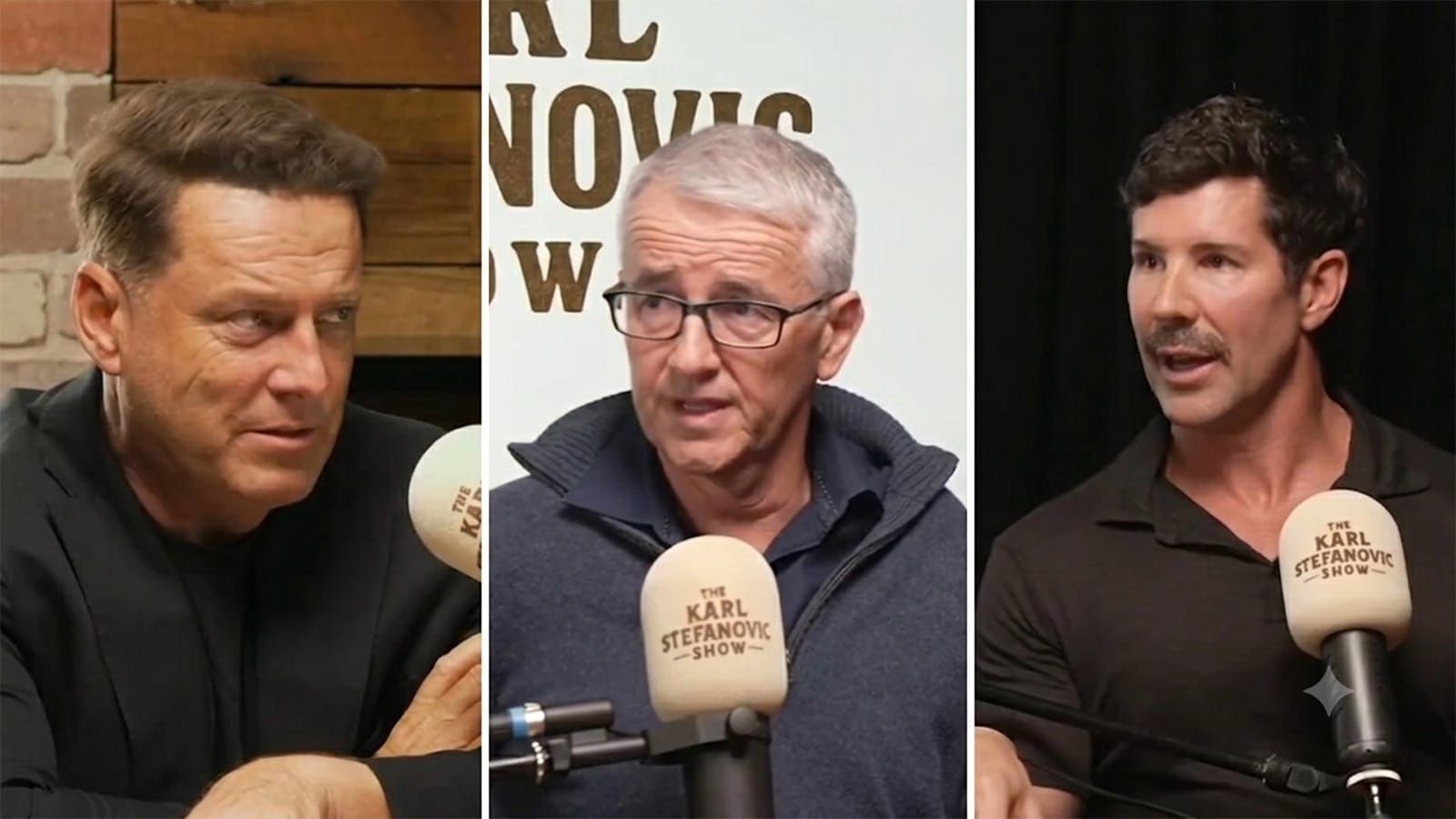
Gerard Rennick and Heston Russell have torn into the Rushy Lagoon sale on The Karl Stefanovic Show, and the story at the heart of it is simple: Australian farmers bid for Tasmania's biggest farm and lost to their own tax dollars. Treasurer Jim Chalmers approved the sale of Rushy Lagoon to a trust run by UK fund manager Gresham House on Wednesday 9 July, while Parliament sat empty for the winter recess, and the winning bid was backed by $69 million from the Clean Energy Finance Corporation, the Commonwealth's taxpayer owned green bank.
Rushy Lagoon is 21,744 hectares of dairy and beef country near Cape Portland in Tasmania's far north east, running livestock equivalent to 85,000 sheep with 12,548 megalitres of water entitlements. Under its new owners it becomes a $142 million forestry project: 12 million radiata pines planted for timber and an estimated 3.2 million carbon credits. The buyers, Gresham House and Aviva Investors, are both British. The underbidders were Australian farmers. The money that tipped the scales was yours.
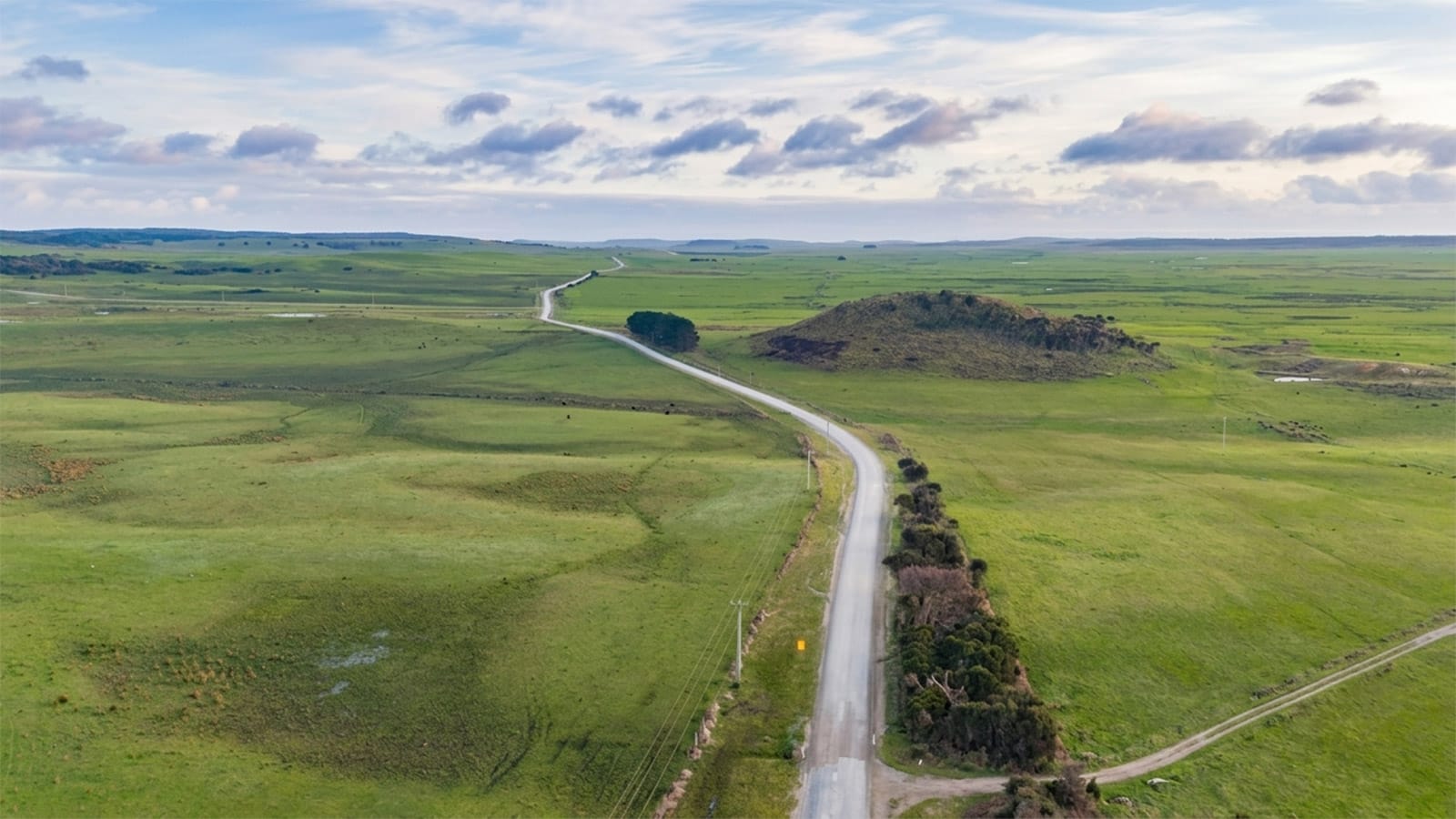
Jim Chalmers approved it while Parliament wasn't sitting
The Foreign Investment Review Board, the body that vets foreign purchases of Australian land before the Treasurer makes the final call, delayed its decision on Rushy Lagoon seven times before the approval landed quietly in the middle of recess. Chalmers called it "a very difficult, on balance call" that followed "rigorous process and extensive consultation" and was found "not contrary to the national interest".
The people who actually farm for a living read it differently. National Farmers Federation chief Mike Guerin said "we're concerned that there were buyers that were potentially disadvantaged", and TasFarmers president Nathan Cox called it "a disgraceful outcome for Tasmania", asking why a foreign forestry fund could outbid Australian farmers at their own table.
Gerard Rennick: the tax system pays Australia's money to leave
The pair pulled the deal apart on the independent program the networks pushed out and can't stop watching. Queensland senator Gerard Rennick, the former LNP accountant who now leads the People First Party, tied the sale to a bigger number: more than $1 trillion of Australia's roughly $4 trillion superannuation pool is invested offshore while the country cries out for infrastructure at home.
"It's our taxation system that favours offshore investment over onshore investment."
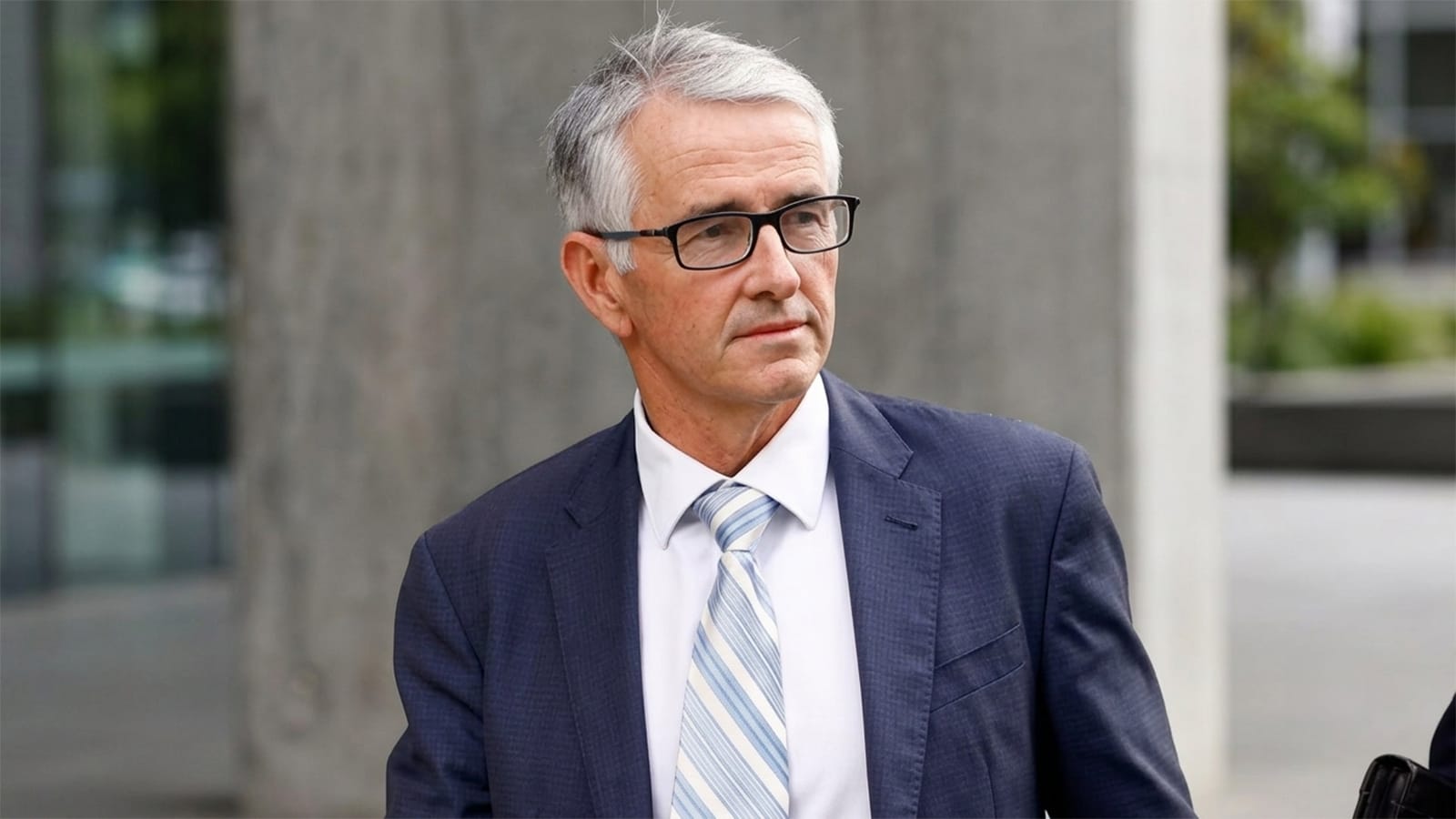
Heston Russell, the former special forces commando turned veterans advocate, put the question nobody in Canberra has answered: "Where's the strategic plan? I just see piecemeal shotgun approaches." And the line that sums up the whole affair came straight off the episode: "$69 million of Australian taxpayer money just helped a foreign fund outbid Australian farmers for Australian land. What are we doing here?"
The episode aired with Tanda, the Australian owned payroll and workforce management company out of Brisbane, as the show's exclusive employee management partner. Like Ringers Western before it, another Aussie business has put its name on the program the networks dropped.
12 million pine trees where the cattle used to be
The new owners say the project will create 190 jobs across its lifetime, keep grazing going on parts of the property, and supply timber to local sawmills. What Tasmania loses is its single biggest farm as a farm: prime food producing country converted to plantation pines grown substantially for carbon credits, with the CEFC's public money making the numbers work.
Lee Hanson: you can't eat pine trees
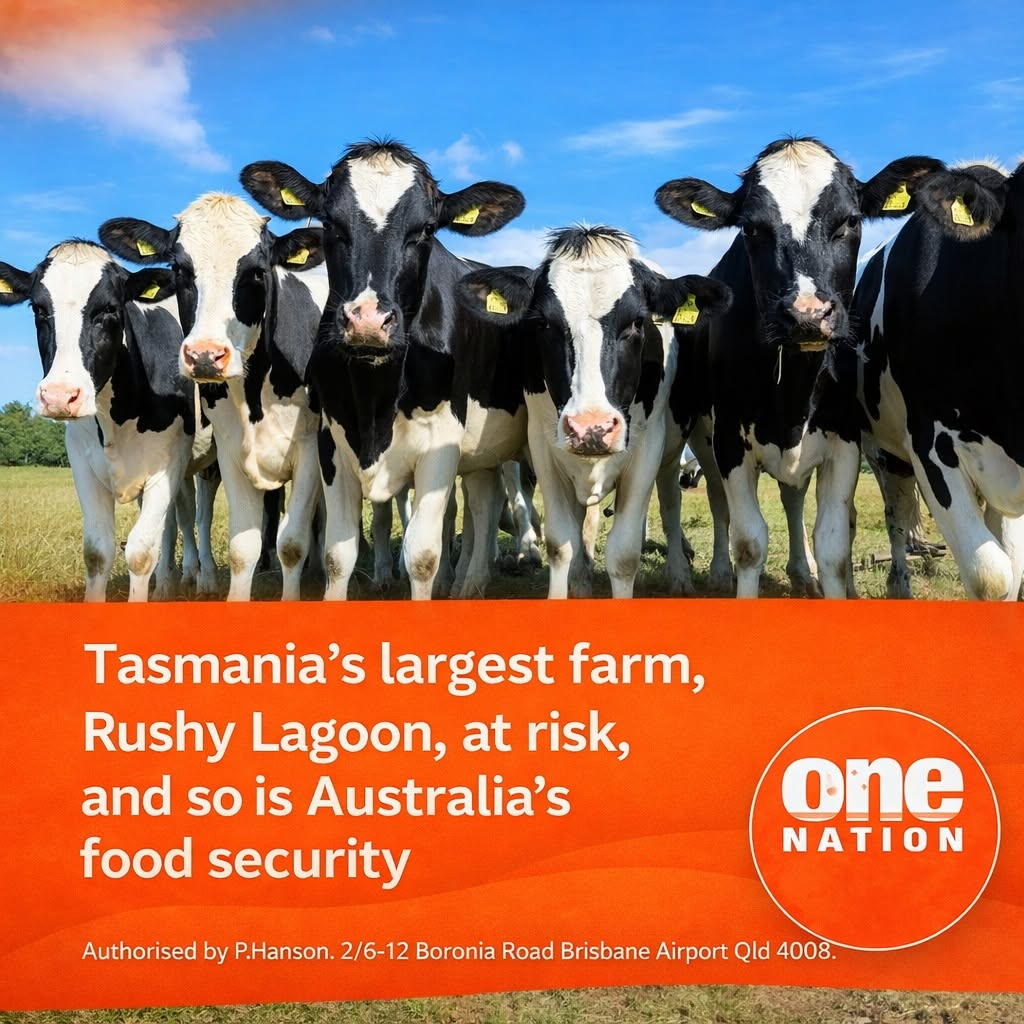
One Nation saw this coming while the deal was still sitting on FIRB's desk. Lee Hanson, the party's lead Senate candidate for Tasmania at last year's election and a Tasmanian of more than 13 years, warned that Rushy Lagoon and Australia's food security were both on the line if the sale went through. "You can't eat pine trees," she wrote, asking why a country worried about its food supply would destroy prime agricultural land to plant them.
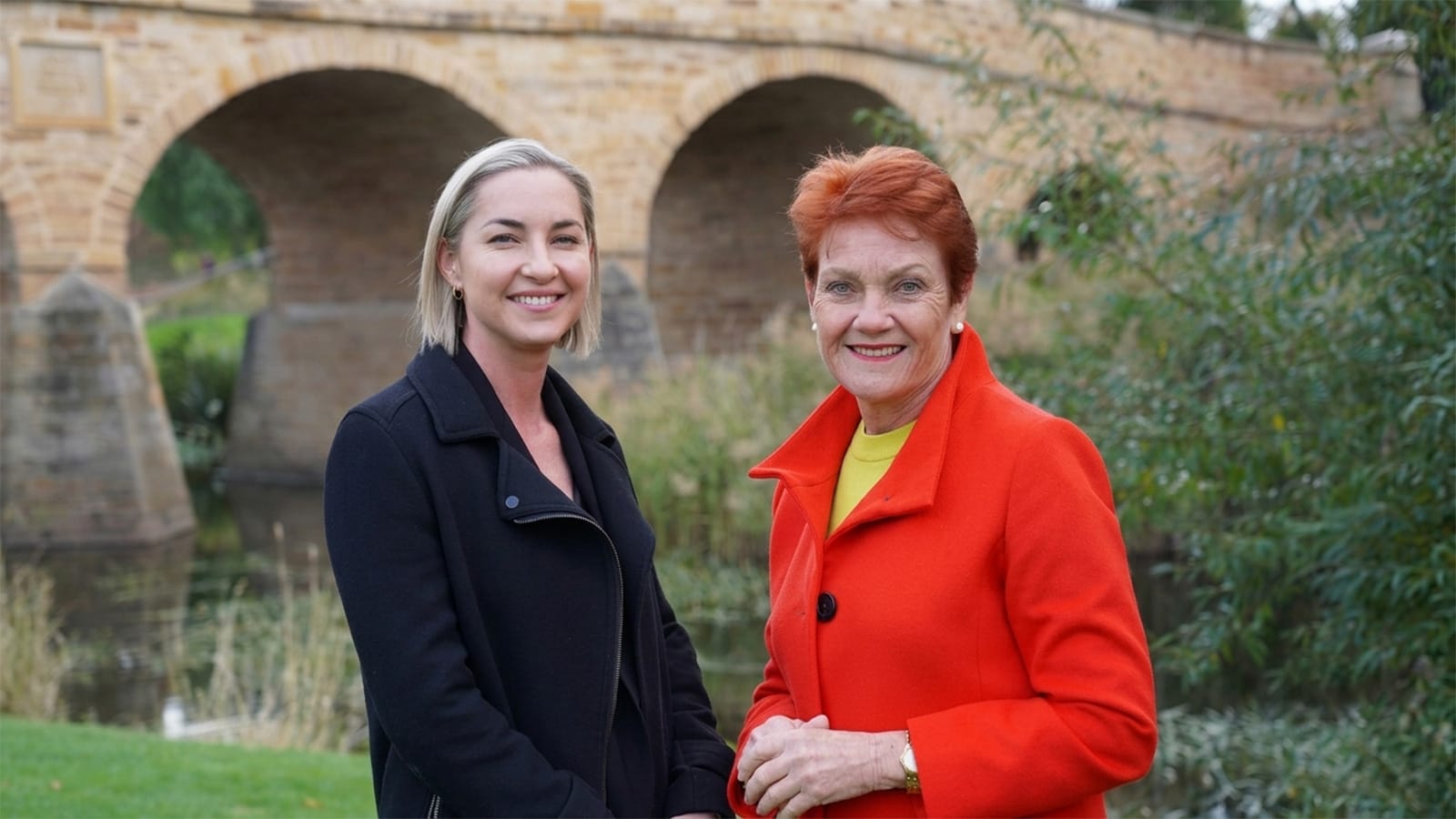
Her warning called out the exact failures now on display: a lack of transparency in the FIRB process, reports that genuine agricultural buyers were overlooked or shut out, and no clear consideration of the long term impact on food production and regional communities. Every one of those concerns has since been borne out by the approval.
"Rushy Lagoon is a warning. If we don't stand up now, what farm is next?"
Tasmanian senators Richard Colbeck and Wendy Askew and the Nationals' Darren Chester have joined the calls for Albanese to act.
Bridget Archer to Anthony Albanese: reverse your Treasurer's call
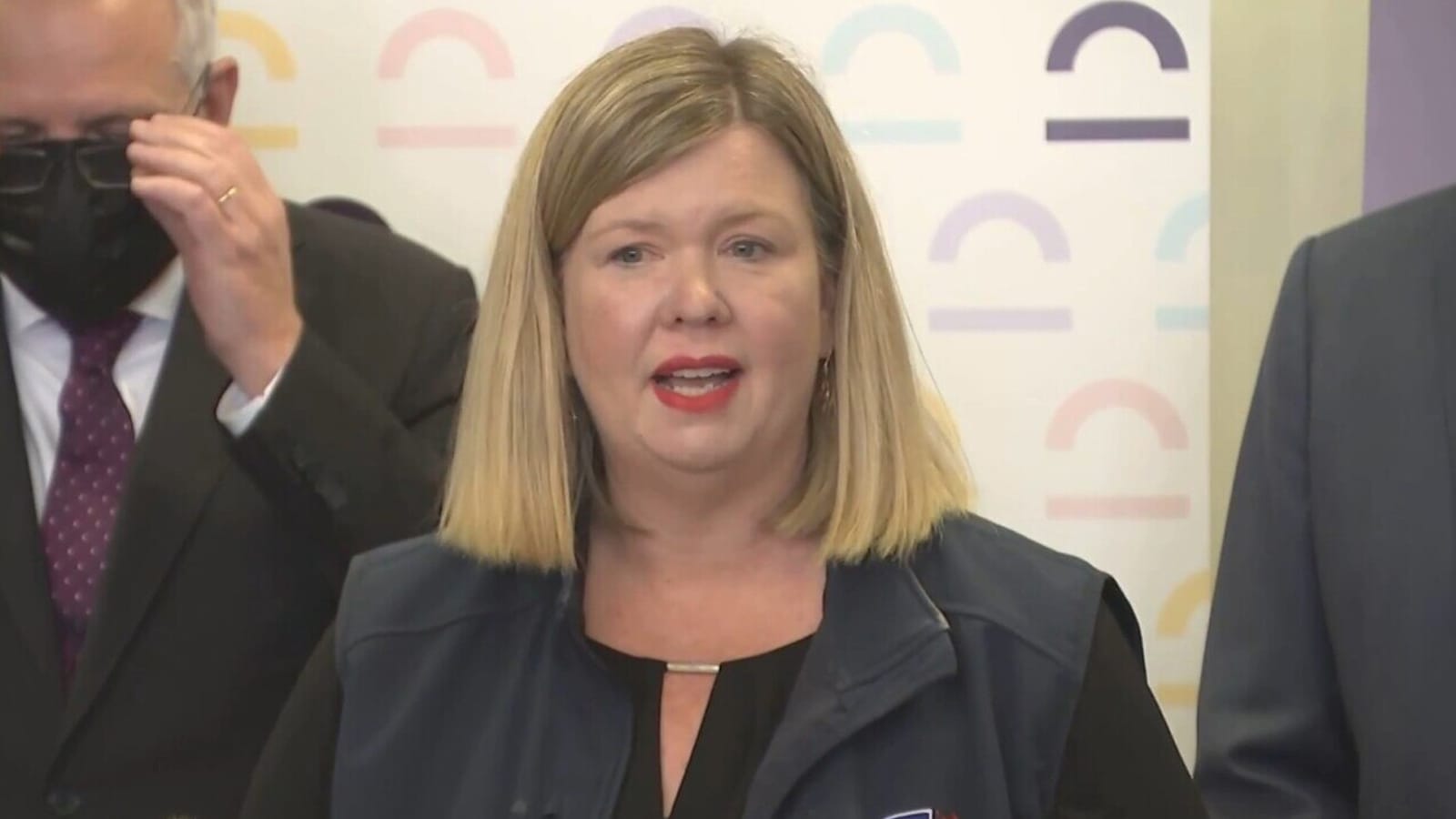
Tasmania's Acting Premier Bridget Archer wants the sale overturned. "Australian taxpayers have bankrolled a foreign company to buy up massive tracts of Tasmania and turn productive agriculture land into trees for carbon credits," she said. "We are calling on the prime minister to step in and reverse the decision of his treasurer." The state's Primary Industries Minister Gavin Pearce backed her in: "Our farmers have been loud and clear on the impacts this decision will have."
The Prime Minister is yet to say whether he will.