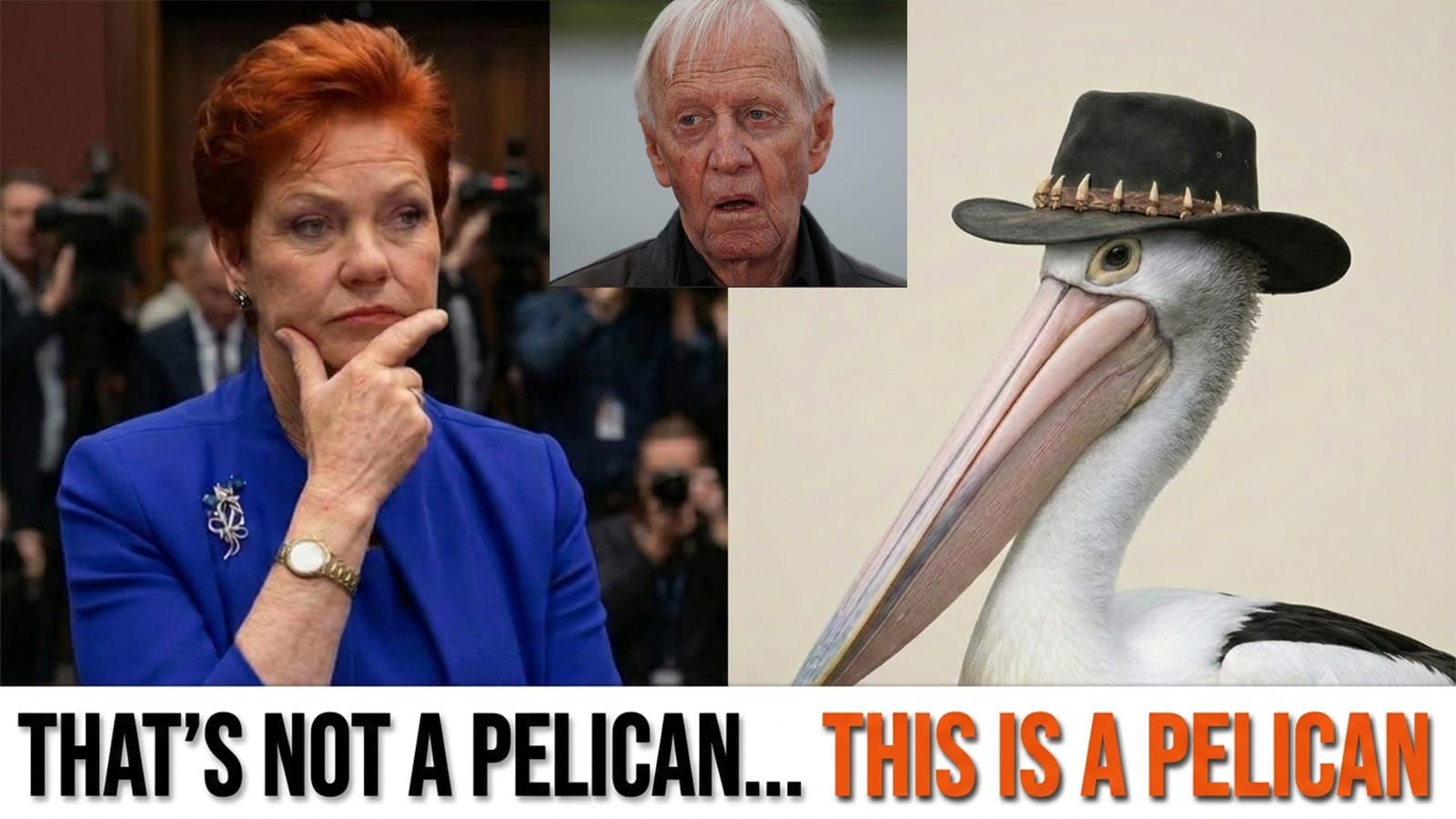
The Crocodile Dundee star kept tens of millions of dollars in a Swiss bank for almost 20 years, then sued his own adviser for allegedly making off with the lot. That's the man who just called Pauline Hanson a pelican.
Hogan delivered the jab from Los Angeles, where he's lived for two decades, after Hanson named him, alongside the Norman Gunston character, as an essential feature of Australian monoculture. He told the Australian Financial Review the One Nation leader is "living in the past," and the country's left leaning mastheads ran it as a gotcha against her.
Those are the same left-wing outlets that spent 40 years building Hogan into a national saint, then tore him apart over his marriage and his money the moment the image cracked. They lift him up and drop him whenever it suits. So before anyone takes his word as gospel, here is the record they keep reinventing.
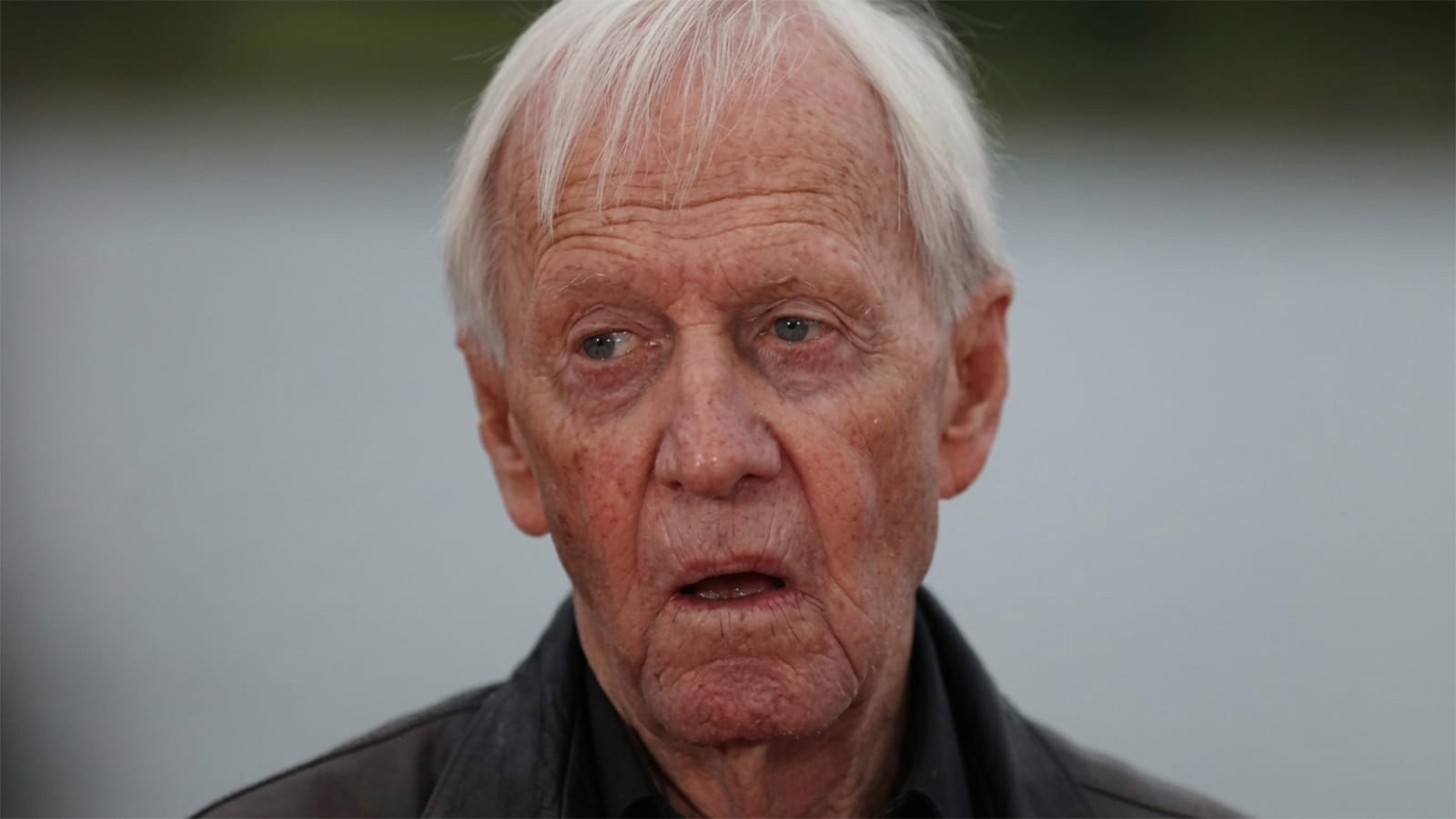
The bridge rigger who became a Hollywood expat
Hogan built his name as the ultimate ordinary Australian. He was a rigger on the Sydney Harbour Bridge who wrote himself into television, then sold the country to the world with the "shrimp on the barbie" tourism ads and Mick Dundee. The larrikin who mocked authority and waved away money is now an 86 year old who moved back to Los Angeles around 2003 and has stayed ever since.
He's been candid about why it suits him. "There's lots of galahs," he told the ABC, "lots of people with very distorted opinions of themselves and it's good fun." He's said he'd like to come home one day, and that he stays in California to support his youngest son. For now, the ruling on Hanson comes from there.
The Tax Office chased Paul Hogan for almost a decade
This is the same Paul Hogan the Australian Taxation Office pursued under Operation Wickenby, the joint tax fraud investigation launched in 2004 by the ATO and the Australian Crime Commission. The ATO chased him for almost a decade over an alleged 150 million dollars in unpaid tax, penalties and interest. In 2010 it served him with a departure prohibition order as he flew home for his own mother's funeral, briefly trapping him in the country.
The commission dropped its criminal investigation late that year, citing insufficient prospects of conviction, and in April 2012, while Julia Gillard was Prime Minister, Hogan settled with the Tax Office "without admission" after mediation before a former High Court judge. The terms were kept confidential and have never been made public. He was never charged, and has always denied wrongdoing.
Court documents alleged Hogan told two countries he was a resident of the other
What the commission alleged sits on the public record, because in June 2010 Hogan lost a High Court bid to keep his financial documents sealed. According to those papers, the ACC accused Hogan of misleading both Australian and United States tax authorities by claiming he wasn't a resident of either country, and so wasn't liable for tax in either. It alleged he told US authorities in 2002 that he was moving to Australia permanently, while not declaring a $5 million US dollar payment for the rights to a fourth Crocodile Dundee film that was never made.
It further alleged he built a false "residency window" between June 2005 and June 2006 in which the US would treat him as an Australian resident and Australia would treat him as an American one. The records were pulled after the commission ordered his accountants, Ernst and Young, to hand them over in 2005, as the ABC reported at the time. Hogan has repeatedly and strenuously denied the claims, and was never charged.
Hogan's own court filings put 34 million dollars in a Swiss bank
What isn't in dispute, because Hogan put it on the record himself, is the offshore money. In a Californian lawsuit against his former adviser, his lawyers said around $34 million US dollars of his earnings had sat for almost 20 years in an account at the Corner Bank in Lausanne, Switzerland, held first through the Quatre Saison Trust and then the Carthage Trust.
The structures had been built by a Geneva firm, Strachans, and a British accountant, Philip Egglishaw, the "bowler hat Englishman" later described as the alleged mastermind of Australia's biggest tax evasion scheme. Hogan sued, alleging the money had been taken. His own lawyer put it carefully:
"Paul has never denied the existence and operation of overseas structures set up in accordance with competent advice received."
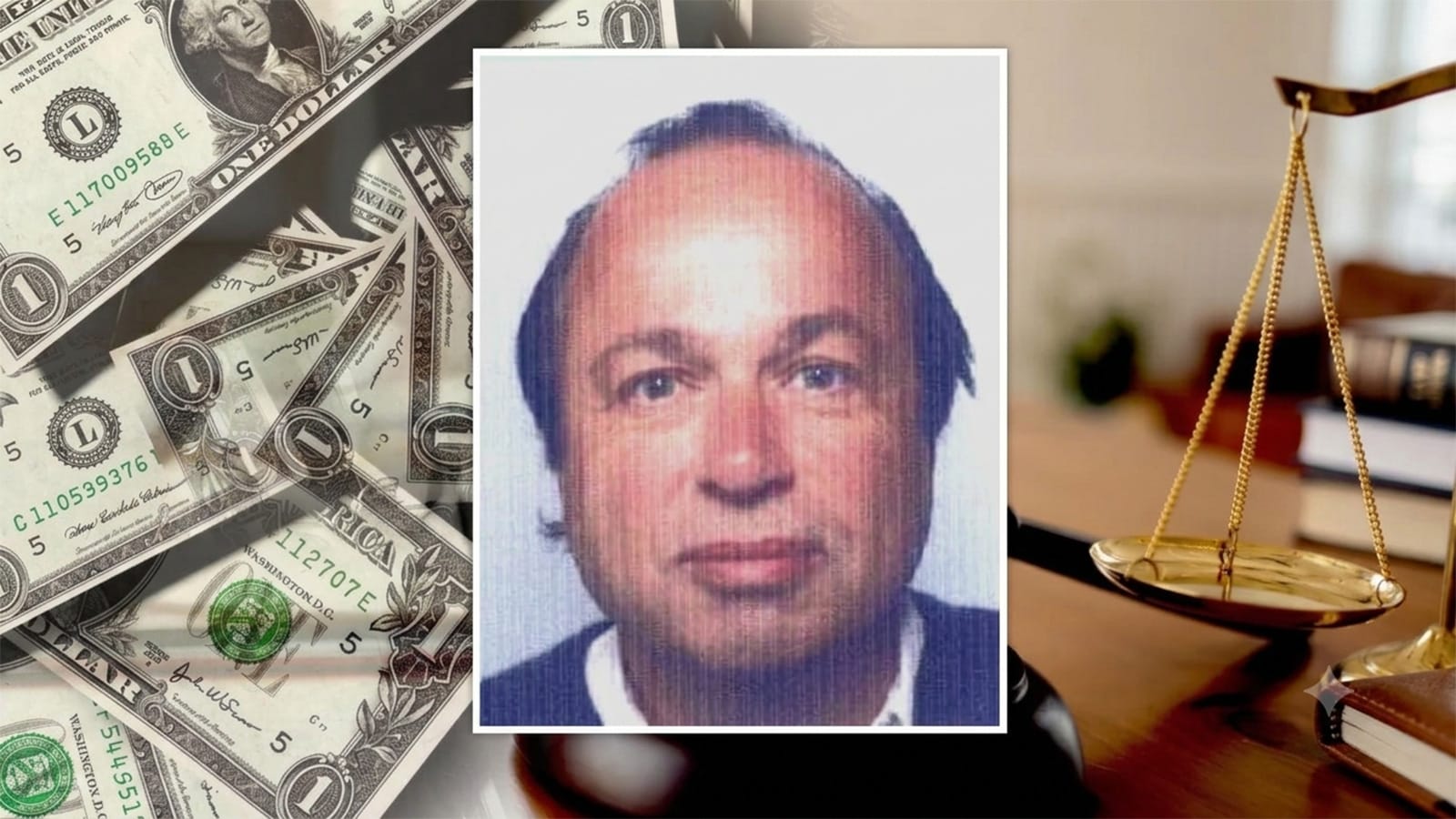
He cut his last property ties to Australia, at a loss
After deciding in 2005 to live permanently in the United States, Hogan set about unwinding what he owned here. In 2010 his children's trust sold his last property link in the country, an eight storey office block in Parramatta, for $12.2 million dollars, a loss on the $13.6 million it had paid in 1988, after trying since 2008 to get $19 million for it, the Sydney Morning Herald reported. His hinterland property near Byron Bay had already gone, for $8.1 million in 2006. Arriving back in Los Angeles after the Tax Office briefly detained him around his mother's funeral, Hogan couldn't resist a parting shot at the country that made him.
"I have come to this great tax haven, the USA," he said, "where the IRS are gentlemen compared to our lot."
Paul's history as a Hollywood litigant
The man who built a fortune mocking authority has spent years using the courts to defend it, often against small Australian operators. He sued a toy maker over Koala Dundee bears dressed in Mick Dundee's gear in 1988, and won a separate case against Pacific Dunlop over a shoe advertisement that parodied the famous "that's not a knife" scene.
In 2017 he took the Australian burger chain Grill'd to the Federal Court for printing a Crocodile Dundee line on its takeaway bags. Grill'd responded by running a promotion that handed out free drinks to anyone who said the line out loud. The larrikin who didn't care about money now chases it through the courts of the country he left.
He left Noelene for his Crocodile Dundee leading lady, and the press called it ugly
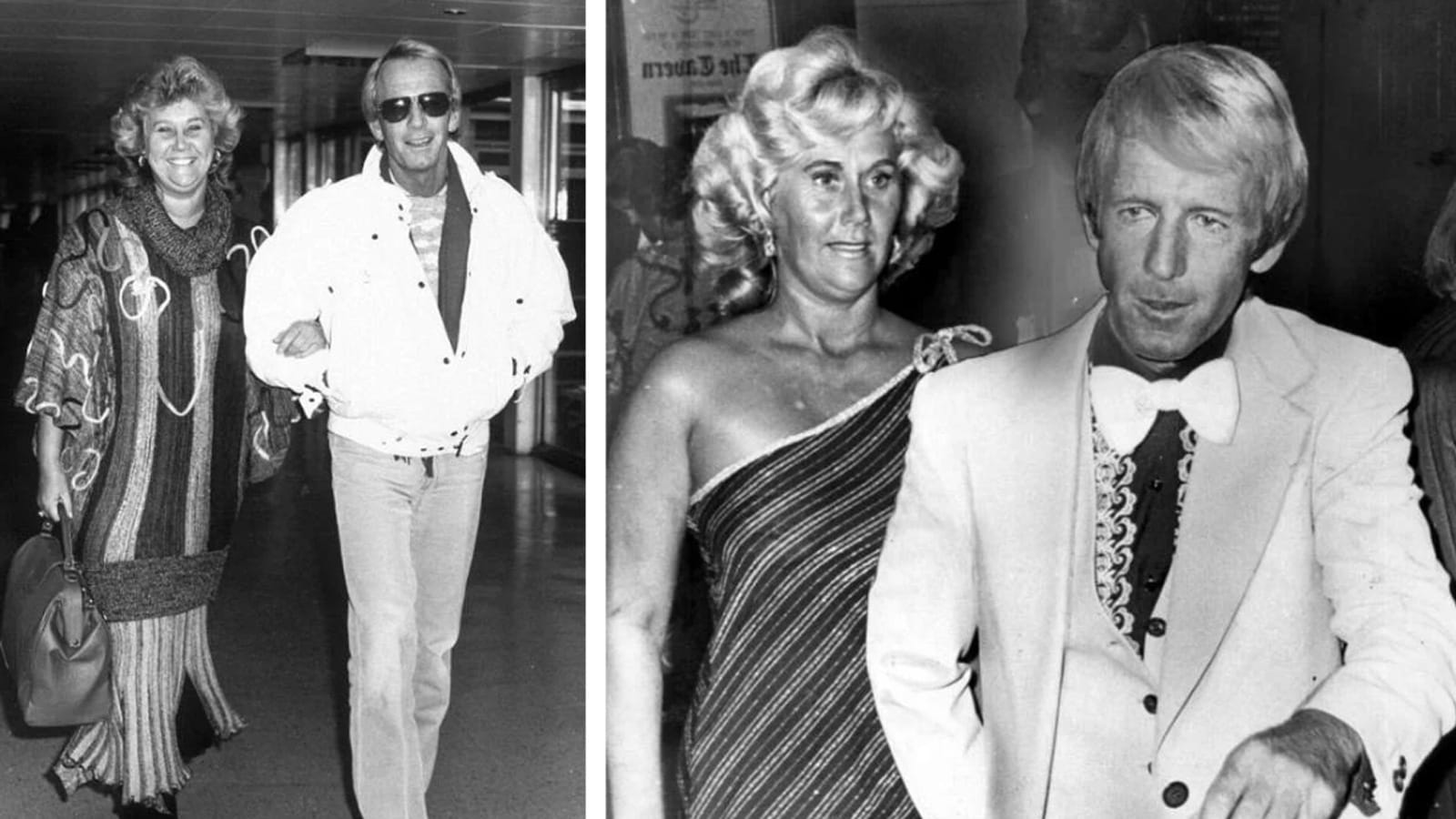
On character, which is what calling a woman a pelican really comes down to, the record is Hogan's own, and so is the coverage. After Crocodile Dundee made him a global star, Hogan left Noelene, his wife of three decades and the mother of his five children, for the film's much younger leading lady, Linda Kozlowski.
It was his second divorce from Noelene, whom he'd married in 1958, divorced in 1981 and remarried within a year. The same press that had turned him into the face of the country labelled it one of Australia's ugliest celebrity divorces, and Hogan resented every word of it. "I'm not a tall poppy, I'm an ironbark tree," he said of the coverage. "You can't cut me down."
Hogan has called the breakup amicable. Noelene tells it differently. She's said he cut her off completely and that the pair didn't speak for 17 years.
The 2014 split from Linda Kozlowski
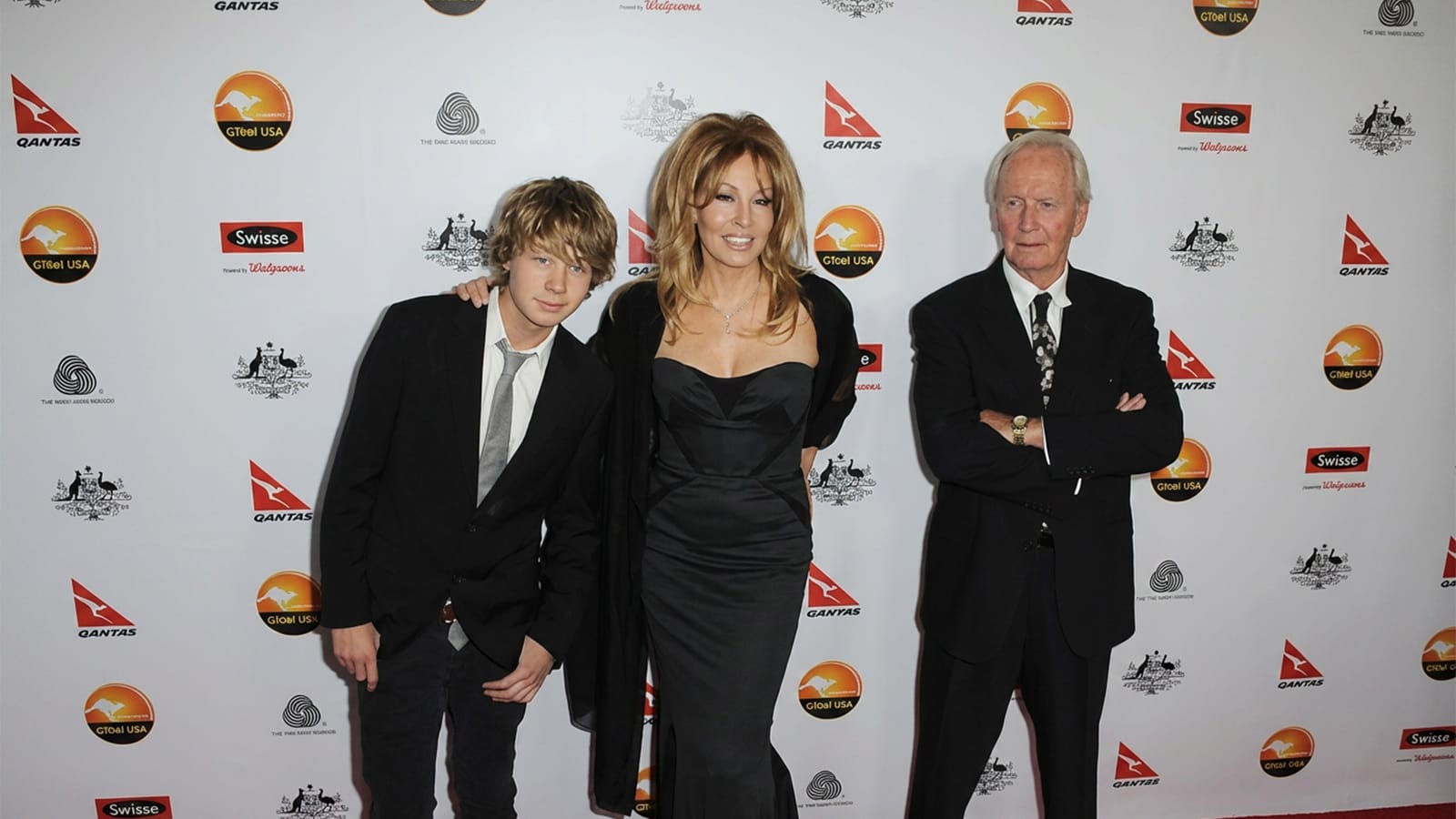
The marriage that began the scandal ended quietly in 2014, after 23 years. Kozlowski walked away with a lump sum of about 5.775 million US dollars, while Hogan kept full rights to the Crocodile Dundee character and the company behind the films. She was allowed to stay in their Venice Beach home, and the two shared custody of their teenage son. Hogan later sold a Malibu property to a fellow expat, Chris Hemsworth.
"I lived in Paul's shadow for many, many years," Kozlowski said, "and it's nice to feel my own light right now."
At 86, Hogan says he wants to come home
Hogan is 86 now and has spoken openly about his health, including a benign growth that wrapped around his abdominal aorta, the steroid treatment that left him frail, and the arthritis and an old knee injury that have him using a wheelchair at times. He's said his great remaining wish is to return to Australia for good. It would be a long way back. When his accountants drew up the checklist for his 2005 move to the United States, the Herald noted, one of the 40 tasks on it read simply: "change will regarding ashes."
The left-wing mastheads cheering his pelican line are the ones that took him apart
None of this puts any politician beyond criticism. However, it does mean the criticism is worth weighing against the man making it, and against the same left-wing outlets now amplifying it. The same old press replaying Hogan's pelican jab spent 40 years building him into a national symbol, then splashed the tax fraud allegations and the ugly divorce across their pages the moment the image cracked. Hanson has stood in front of Australian voters and been elected, repeatedly. Paul Hogan has stood in front of a camera in California. He's entitled to his opinion. Australians are entitled to remember exactly where it's coming from.