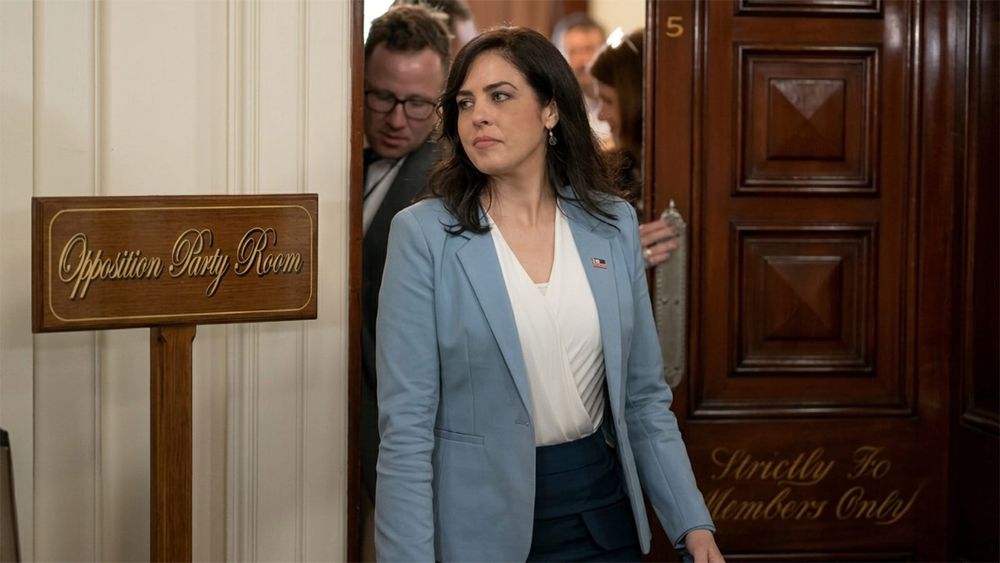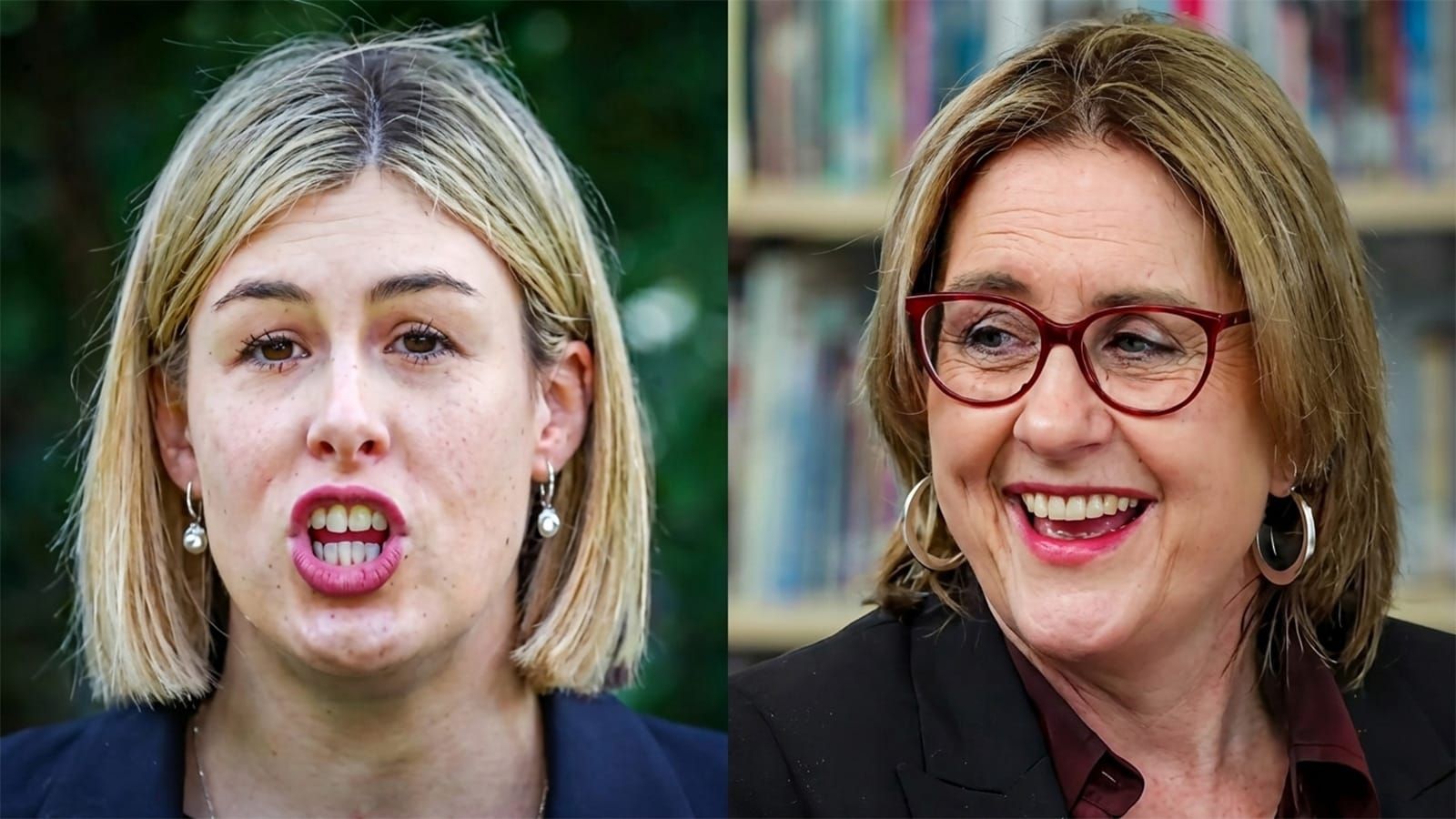
Victorian Opposition Leader Jess Wilson lodged a motion of no confidence in Premier Jacinta Allan and her ministers on Thursday morning, with the Coalition citing the government's record on crime, debt, infrastructure and major project corruption concerns as grounds for an early end to the Labor government.
Allan's chair sat empty in the Legislative Assembly as the motion was foreshadowed, prompting outcry from the government benches.
"The premier was gutless not to stay," Wilson told reporters afterwards.
The notice was lodged three days after Allan survived the last Labor caucus meeting before parliament's six week winter break, and one day after the government tabled its work from home legislation.
Wilson's case
The Coalition's notice to the lower house put the following on the parliamentary record as the basis for the motion:
- record crime
- skyrocketing net debt and increasing state debt forecasts
- major project cost blowouts and delays
- the 2026 Commonwealth Games cancellation
- concerns over corruption in major government projects
- unemployment levels above the national average
"Victoria needs a fresh start and that begins with changing the government and changing the premier, it's time for a new government with the right priorities and a clear plan to deliver for Victorians. We could bring forward the election. I know Victorians would want to see that."
Wilson said the Coalition had a plan to reduce cost of living pressures, strengthen the economy, address crime and restore confidence in the state.
How the motion works
Under Victoria's Constitution Act, only one motion of no confidence can be moved in each four year parliamentary term. If passed, it triggers the dissolution of the Legislative Assembly and forces an early state election before the scheduled poll on 28 November 2026.
The earliest the motion can be debated and voted on is 28 July, when state parliament returns from its midwinter recess. Labor holds a 10 seat majority in the Legislative Assembly, which makes the motion doomed in advance.
The last no confidence motion in Victoria was moved in October 2020 against then Premier Daniel Andrews during Melbourne's second COVID lockdown. It was defeated 44 to 23.
Labor's response
Government ministers and backbenchers blasted the move as a "stunt", "gimmick" and "waste of time" as the notice was foreshadowed.
"I'm not sure where Jess Wilson thinks it's going to go," Energy Minister Lily D'Ambrosio said.
Allan herself did not address the motion in the chamber.
Andrews returns to the building
Former Premier Daniel Andrews appeared at parliament on Wednesday night to support retiring Pakenham MP Emma Vulin, who delivered her valedictory speech through a text to speech tool after being diagnosed with motor neurone disease in 2024. Andrews has barely been sighted in public since reportedly being hospitalised following a medical episode in 2025.
Vulin thanked both Andrews and Allan in her speech and nominated her contribution to voluntary assisted dying reforms as one of her proudest moments in parliament.
The former premier's return placed Labor's last three leadership identities, Andrews, Allan and Deputy Premier Ben Carroll, in the same parliament during the same week the Coalition called the government's confidence into question.
The polling backdrop
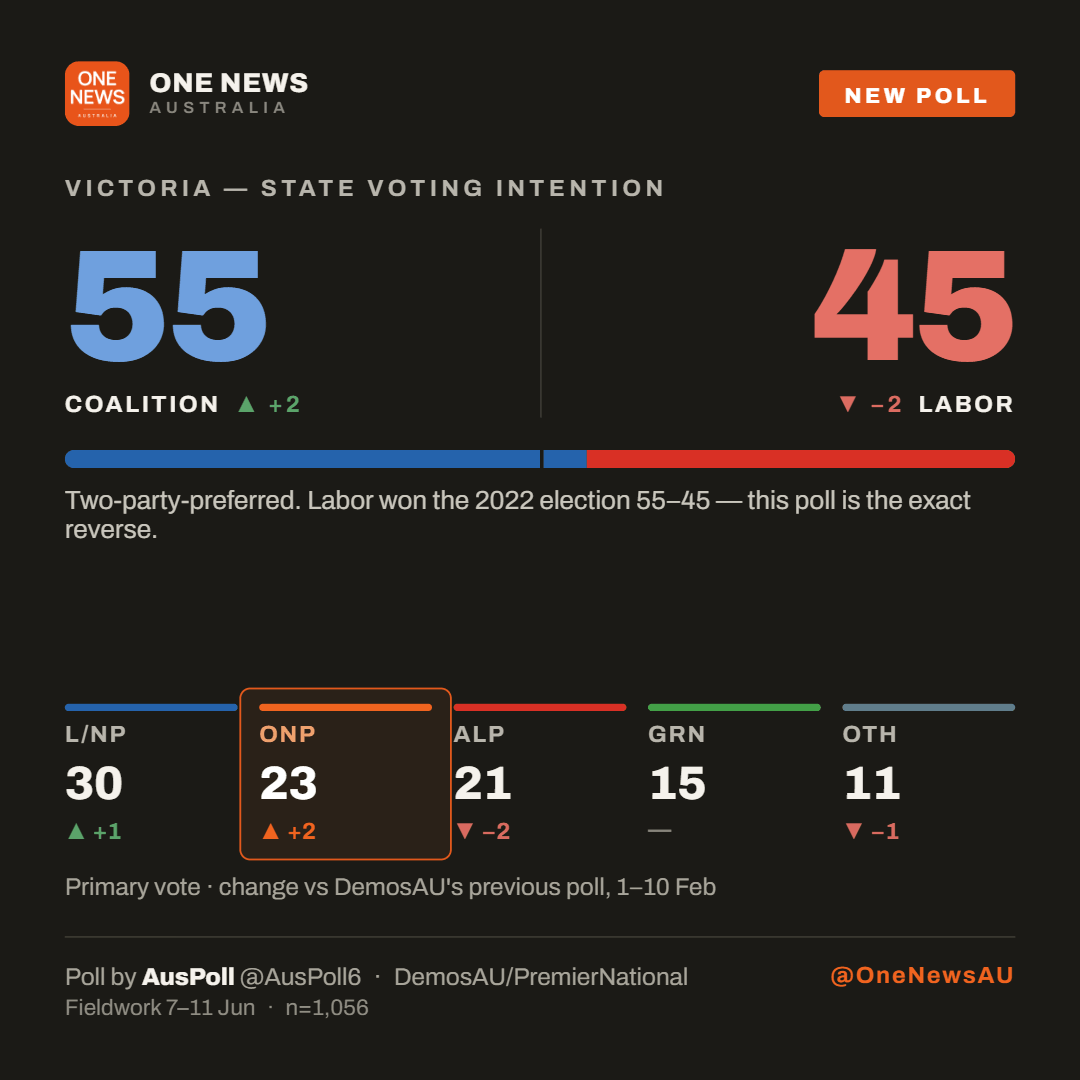
Three state polls in successive weeks have put Labor in third or tied second on primary vote.
DemosAU, conducted 7 to 11 June, had the Coalition on 30%, One Nation on 23%, Labor on 21% and the Greens on 15%. On two party preferred, the Coalition led 55 to 45. Allan's net approval was negative 39.
Freshwater Strategy, conducted 5 to 8 June, had the Coalition on 27%, One Nation on 25%, Labor on 23%. Allan's net approval in that survey sat at negative 37, the worst of any state premier in the country.
Resolve, released Monday, had One Nation up three points to 24%. Labor and the Coalition were tied on 26%.
Analysis: the political read
The Coalition lodged the no confidence motion 48 hours after Labor caucus closed ranks around Allan. The motion will fail. Everyone in the chamber knew it would fail before it was foreshadowed, Wilson included.
That isn't the point of the motion. The point is the parliamentary record. From 28 July onwards, every Coalition press release on the Allan Government will be able to point to the day Victorian Labor declined to vote with confidence on its own ministers. Every commentary panel, every preferred premier polling question and every Coalition campaign event in the lead up to 28 November now carries the date forward.
The premier's absence from the chamber on Thursday added another layer. With the room watching, Wilson got an empty chair instead of a premier defending her record. Labor's "stunt" framing does not undo that image, particularly when Allan herself wasn't there to deliver it.
The debt under the campaign
Victoria's net debt sat at $163.7 billion at the end of 2025-26 and is forecast to climb to $199.3 billion by 2030. Gross debt is projected at $244 billion by 2030, with the Victorian auditor general previously projecting $228 billion by 2028. The interest bill rises from $8.9 billion in 2026-27 to $11.8 billion by 2029-30, around $32 million a day. Victoria carries the lowest credit rating of any Australian state at AA.
These are the numbers Wilson is asking the lower house to vote on. They are the same numbers Labor will need to defend on the way to November.
The November deadline
The state election is scheduled for Saturday 28 November 2026. Labor has been in government in Victoria since the 2014 election, and is seeking a fourth consecutive four year term.
One Nation has yet to finalise every candidate for the Victorian poll. Candidacy applications remain open on the party's Victorian state website. The pollsters' picture is forming before One Nation has fully campaigned.
The no confidence motion is locked in for 28 July. Labor faces the voters on 28 November.