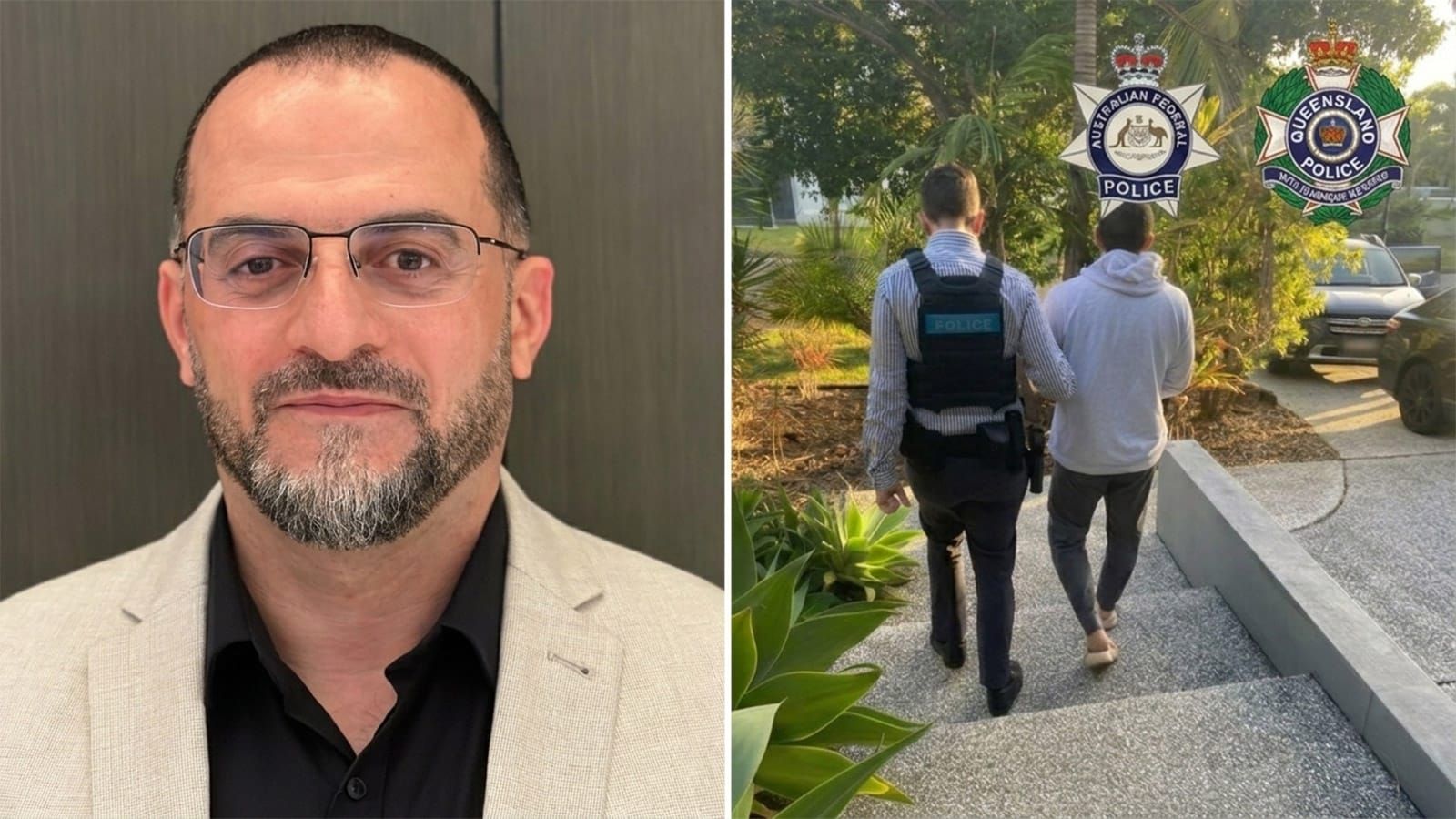
A Gold Coast psychiatrist and his student pilot son have both been charged with terrorism offences over violent extremist material police say is linked to Hamas, Hezbollah and other banned groups, and it was a stop at the border that helped bring the case to a head.
Dr Ghassan Eltatary, 51, was granted bail on Wednesday at Southport Magistrates Court. He's charged with one count of using a carriage service for violent extremist material and six counts of possessing or controlling violent extremist material, contrary to sections 474.45B and 474.45C of the Criminal Code. Each offence carries a maximum of five years in prison.
His son, 19 year old student pilot Mohamed Ghassan Eltatary, was charged with five terror offences and released on bail in November. The pair are the two people charged in the same Queensland Joint Counter Terrorism Team investigation.
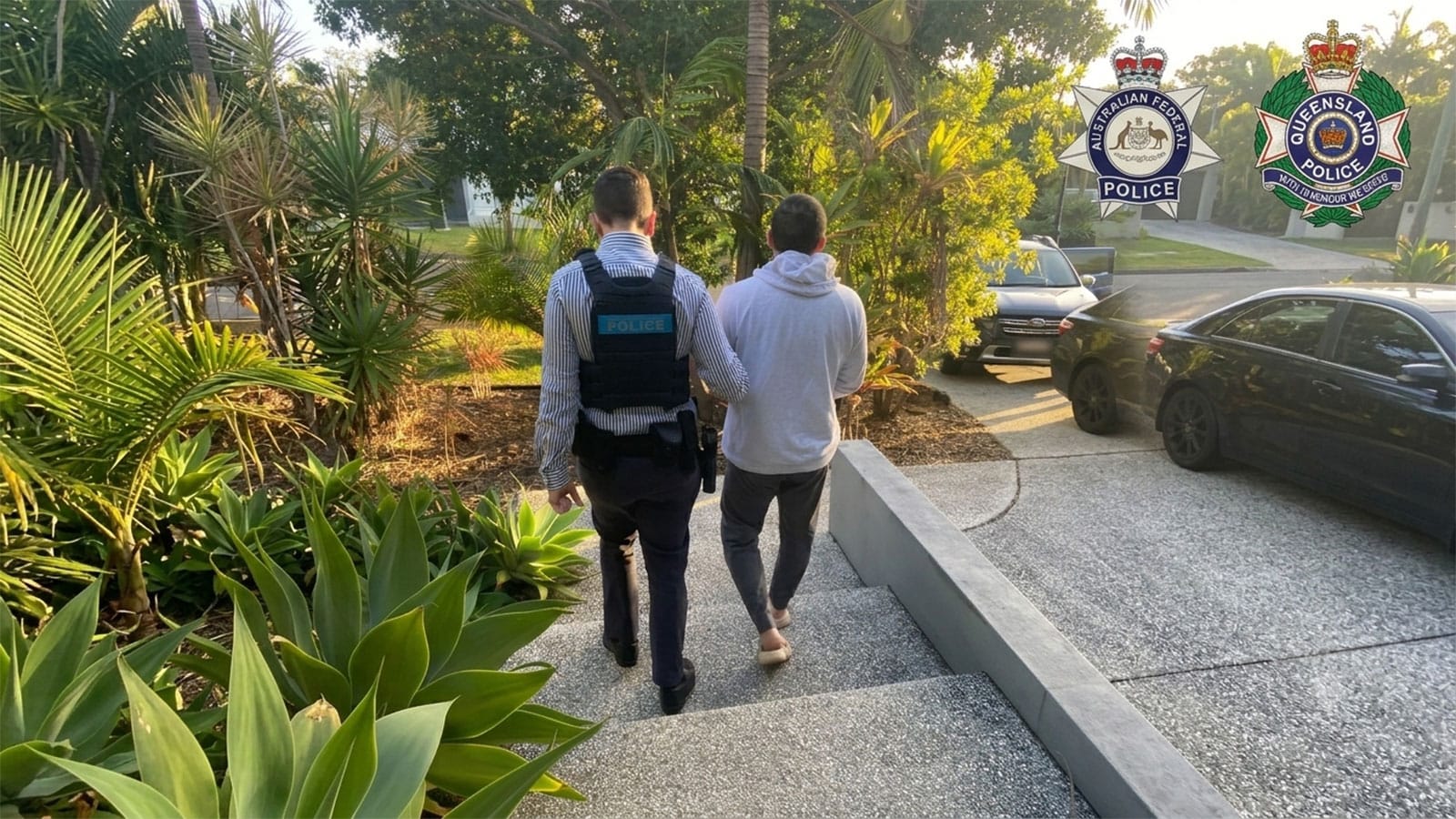
Border Force stopped Ghassan Eltatary coming home from the UAE, then seized his phone
The Australian Federal Police say the investigation into the father began after Australian Border Force officers intercepted him when he returned to Australia from the United Arab Emirates in October, 2025. Officers found what they suspected was violent extremist material on his phone, seized it for forensic examination, and referred the matter to the AFP.
Police will allege the material dates back to 2014 and was shared with friends and family through an encrypted platform. The AFP say it was linked to Hamas, Hezbollah, the Izz al-Din al-Qassam Brigades, Ansar Allah and Palestinian Islamic Jihad, each of which Australia has listed as a terrorist organisation. The Queensland Joint Counter Terrorism Team, made up of the AFP, Queensland Police and ASIO, raided the family's Pacific Pines home on 13 November, 2025.
Eltatary's lawyer says the material came from his son and never went to the public
Defence counsel Anthony Kimmins told the court the charges against Dr Eltatary related to material he allegedly received from his son, and that there was no transmission to the wider public. The court heard the father of three was born in Gaza, moved to Egypt, studied medicine in the former Czechoslovakia, and came to Australia with his wife in 2005.
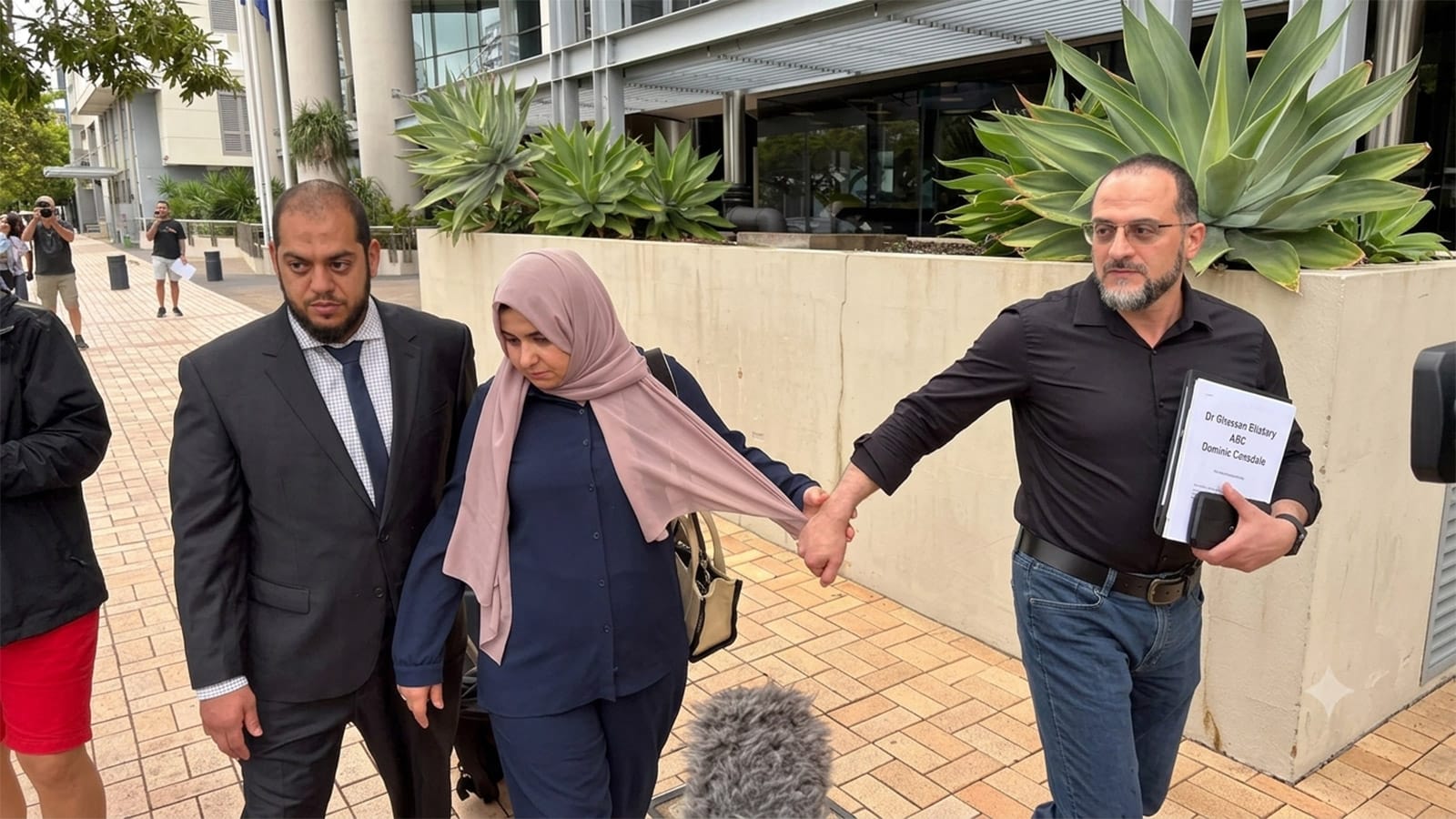
Kimmins said Dr Eltatary, who works at two paediatric clinics on the Gold Coast, was waiting on a decision from the health regulator AHPRA about whether he could keep working while the case ran. Magistrate Deborah Mitchell granted bail on the conditions he surrender his passport, not leave Australia, and report to police three times a week. He's due back in court on 3 August.
The 19 year old allegedly shared October 7 bodycam footage and searched for the Israeli embassy
The son's case, heard in November, drew far more detail. He worked at the airport and held a security clearance, the court heard. Authorities began investigating him on 6 January after he allegedly posted antisemitic material and content supportive of Hamas on the messaging platform Discord, and police allege he sent violent extremist material to his sister and father on three occasions in 2024.
The court heard he'd allegedly accessed videos of the Christchurch massacre at the age of 12, and that his internet searches allegedly included mass stabbing, mass shooting, genocide, how to buy knives, how to buy Hamas headbands, and the location of Israel's embassy in Australia. Police allege he owned and shared Hamas bodycam vision of the October 7 attacks, which killed about 1,200 people in Israel in 2023.
Crown prosecutor Sam Poplawski opposed bail, telling the court the charges fell "under the umbrella of terrorism" and that the teenager was an "unacceptable risk of reoffending". His lawyer said there were indications he had problems with his mental health, that he had no prior convictions, and that he was a "very young man".
Magistrate Louisa Pink said the material was "disturbing and confronting" but that the risk could be managed with strict bail conditions. The 19 year old was released on a $100,000 surety, barred from flying or holding an airport security clearance, limited to one phone and one computer, banned from encrypted apps and social media, and ordered to report to police three times a week. He can't leave the country.
Peter Crozier says extremist content is used to radicalise the young and vulnerable
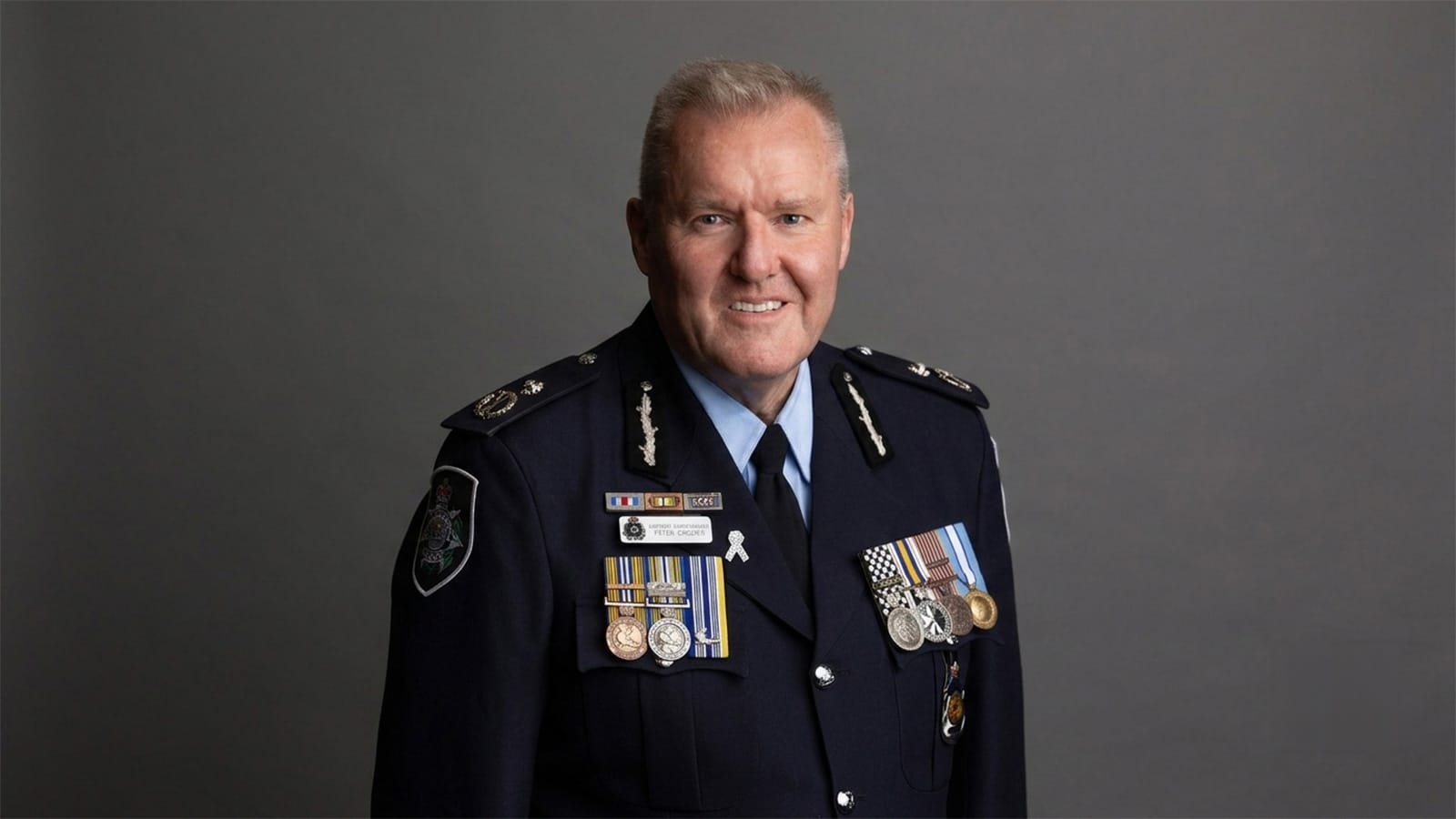
AFP Assistant Commissioner Peter Crozier said the force worked closely with its partners to stop the spread of material he said undermined Australia's social cohesion.
"There is no place in Australian society for violent or extremist content, which terrorist organisations use as a tool to radicalise members of the community, particularly young or vulnerable people," Assistant Commissioner Crozier said.
"The AFP, together with our state, Commonwealth and international partners, is actively targeting those who promote hatred, as decency and respect are core values every member of our community has the right to expect."
Australian Border Force Acting Assistant Commissioner Rosemaree Cracknell said her officers were often the first line of defence against threats to the country's security.
"Our officers are highly trained to detect indicators of criminality and national security threats at the border," she said.
"Anyone seeking to transport, possess or distribute violent extremist material should expect that our officers have the powers and capability to detect that activity and bring it to the attention of our law enforcement partners. Australia's border is a hostile environment for those who seek to threaten our community."
How to report extremist activity to the National Security Hotline
Australia's counter terrorism laws are set out in the Criminal Code. The AFP says a priority, alongside its partners, is to limit access to violent extremist material and to help parents, educators and health workers spot the warning signs early.
Anyone with information about extremist activity, or a possible threat to the community, is urged to come forward, no matter how small it seems. Call the National Security Hotline on 1800 123 400, or contact Crime Stoppers on 1800 333 000. In a life threatening situation, call Triple Zero.