A $10 million taxpayer grant created to help Riverina towns survive Labor's water buybacks has instead gone to a Chinese textile giant, and the locals it was meant for are asking why.
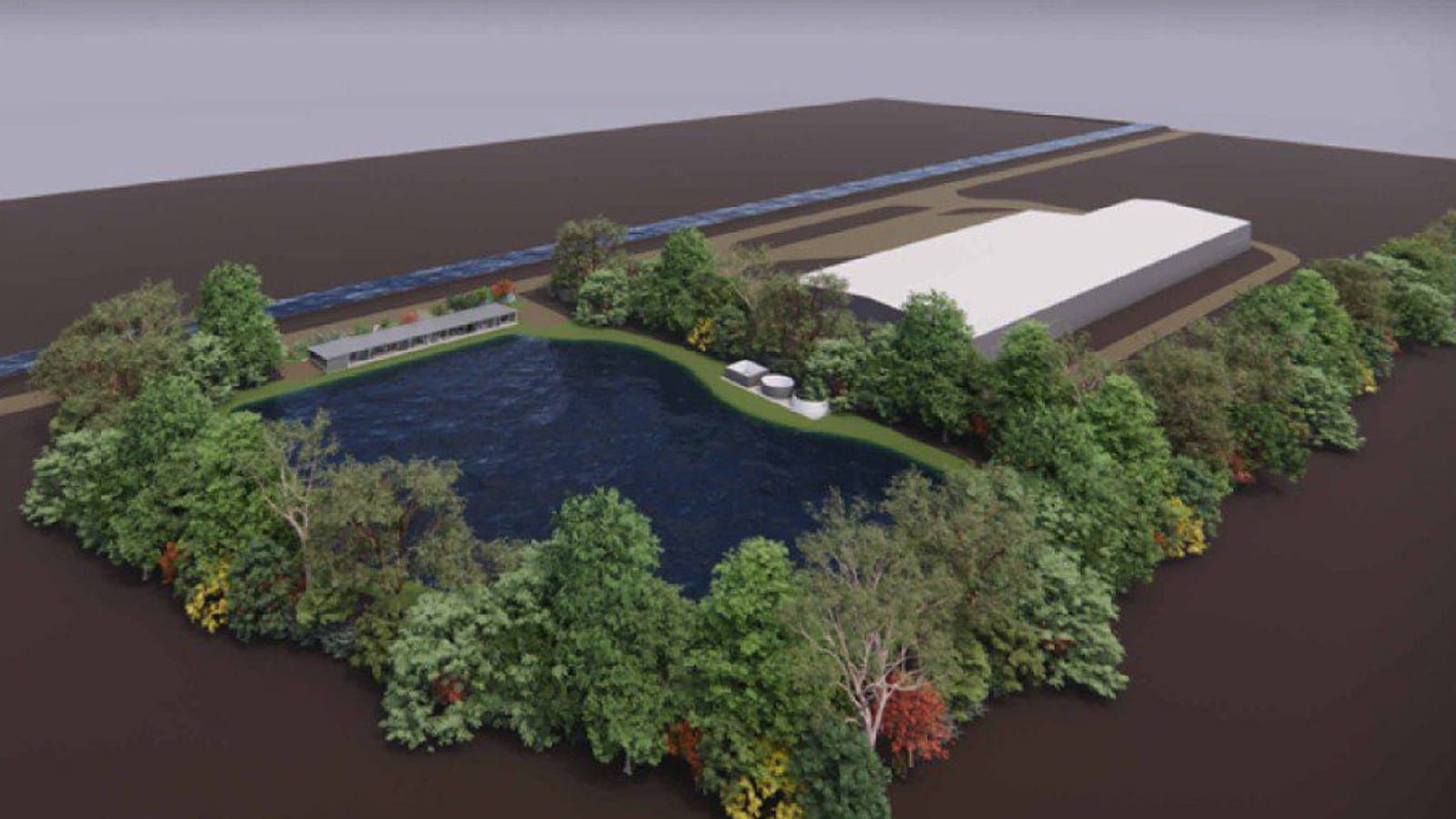
Ausuntech Pty Ltd, a subsidiary of Shanghai listed Zhejiang Sunrise Garment Group, will use the money to build what's billed as Australia's first large scale plant for processing hemp into linen quality fibre. It sits on Gundaline Station, a property of more than 14,900 hectares near Darlington Point, west of Wagga Wagga, that the company bought for about $121 million in 2023.
The cash comes from the Murray-Darling Basin Sustainable Communities Program, a federally funded scheme delivered by the NSW government. Ausuntech's grant is one of 14 projects sharing about $69 million in the program's second round. The fund exists for one reason: to help communities hang on after the federal government's water buybacks stripped irrigation out of the region.
Water buybacks explained
So what is a water buyback? It's the federal government paying farmers to stop taking water out of the river. A water entitlement is a licence to pull a set amount of water onto a farm each year. When Canberra buys one, it doesn't cart the water away or store it anywhere. It simply leaves that water in the river, where it keeps flowing downstream through the wetlands and out the Murray mouth in South Australia to the sea, held for the environment rather than used to grow a crop. Every entitlement bought back is water that no longer waters a paddock, runs a dairy or pays a farmhand. In irrigation towns like those across the Riverina, that has meant smaller harvests, fewer jobs and young people moving away.
That is what makes the grant sting. The water that built these towns now flows past them and out to the ocean, and the money set aside to soften that loss has flowed out too, this time to a company owned in China.
Helen Dalton wants the $10 million clawed back as "corporate welfare"
Independent Murray MP Helen Dalton has called for the grant to be frozen and clawed back.
"This money was never meant to become corporate welfare for foreign-owned businesses.''
She said the program was meant to soften the blow of the buybacks for local communities, and wants the money redirected to the locals who need it.
Dalton said whistleblowers had given her evidence of alleged biosecurity breaches at Gundaline, and that the funding should be frozen while that's looked into. Ausuntech has denied any wrongdoing, and no court has found the company or the property guilty of any offence.
Mayor Ruth McRae blames Albanese and Minns while the town gets up to 20 jobs
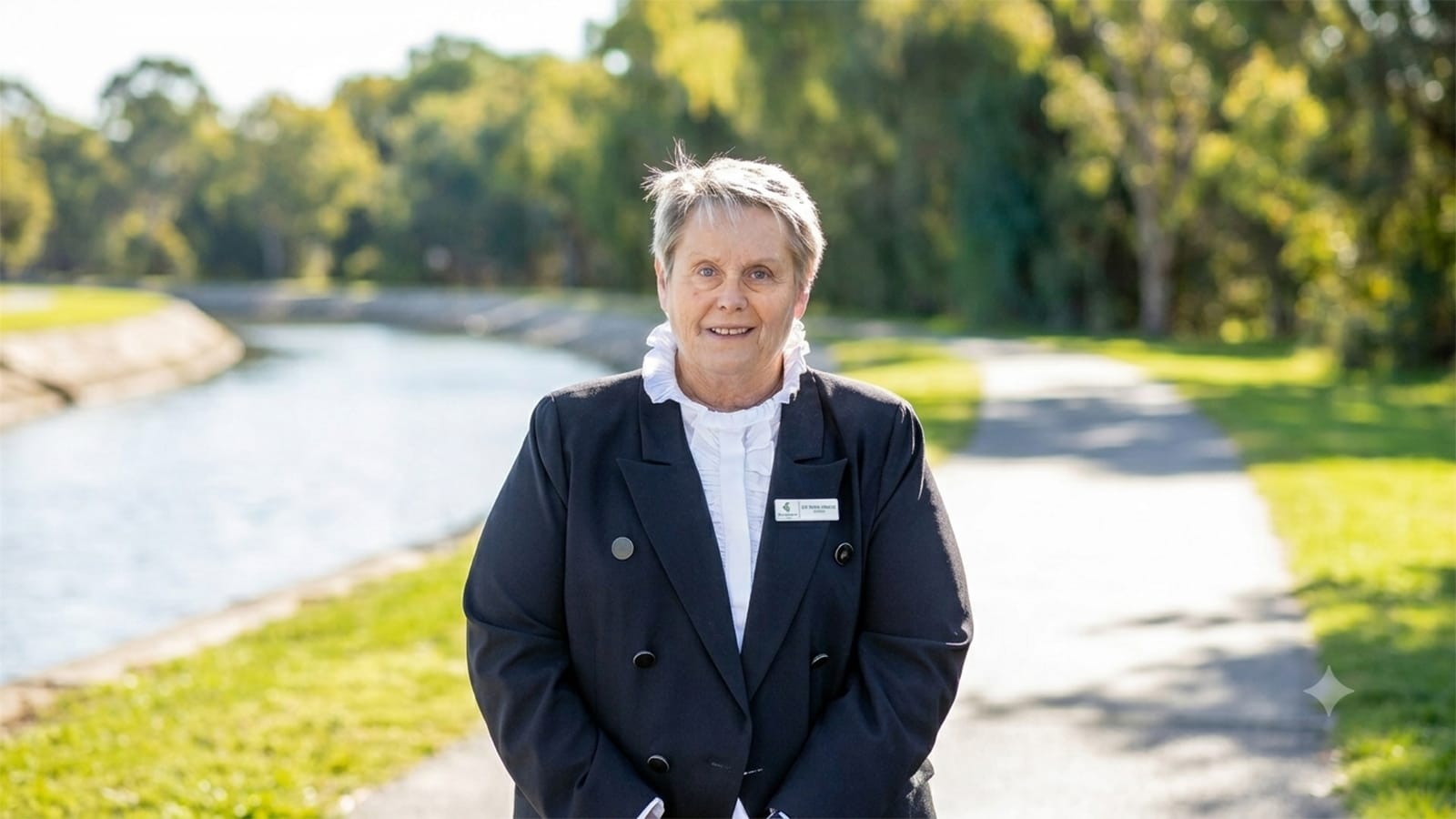
Murrumbidgee Mayor Ruth McRae said local employment projects put forward by her council would have created far more jobs than the hemp plant, and questioned whether the grant met the fund's purpose. She put the decision on both Prime Minister Anthony Albanese and NSW Premier Chris Minns.
A NSW government spokesperson said the project is forecast to "create up to 20 full-time jobs" and defended the decision to fund a foreign owner.
"Turning away investment based on where it comes from would limit opportunities for regional communities and hold back economic growth," the spokesperson said.
Federal Water Minister Murray Watt, whose portfolio runs the buybacks, said when the round was announced that the funding would "create jobs, stimulate growth, and strengthen long-term resilience".
Tara Moriarty called the questions "racist", then admitted there were concerns
Nationals MP Nichole Overall asked Agriculture Minister Tara Moriarty in parliament whether the government had checked concerns about biosecurity, modern slavery and work safety before approving the grant. Moriarty told parliament the questions were "racist" and accused the Nationals of "chasing One Nation".
A day later she shifted. In a statement, Moriarty said the government had become aware of "a number of concerns" about Ausuntech, and that if information provided during the application was "incorrect or incomplete then the grant will be reconsidered".
The hemp gets baled in the Riverina, the actual industry goes to China
According to planning documents, the plant would turn 20,000 tonnes of raw hemp a year into about 4,000 tonnes of fibre. That fibre would then be baled and sent to China, where the spinning and weaving would be carried out. The crop is grown and pressed here. The manufacturing, and the jobs that come with it, stay offshore. The facility has passed community consultation but still needs NSW planning approval.
It's the same script Labor used for PsiQuantum's $940 million
Labor has worn this criticism before. In 2024 the Albanese government and Queensland together committed $940 million to PsiQuantum, a quantum computing company based in the United States, with $470 million from each. There was no open tender, and the Australian National Audit Office moved to examine the deal after the opposition complained that so much public money was going to a foreign company ahead of homegrown firms.
The hemp grant carries the same shape on a smaller scale. The same program handed its other $10 million hemp grant to Murray Industrial Hemp at Barham, a locally backed operation, which is part of why critics say the Ausuntech money could have stayed closer to home.
Pauline Hanson wants foreign owners to sell, Labor is signing the cheques
The timing is awkward for Labor. The grant has surfaced just as One Nation leader Pauline Hanson pushes a plan to force some foreign owners to sell Australian homes back to Australians, and days after NSW moved to scrap its foreign buyer surcharge on large build to rent projects. Foreign ownership of Australian land, homes and now drought relief money is shaping as a live fight, and Labor keeps ending up as the side writing the cheque.
For now the grant stands. It has cleared community consultation, it's waiting on planning approval, and the minister who called the questions racist has left the door open to taking the money back.