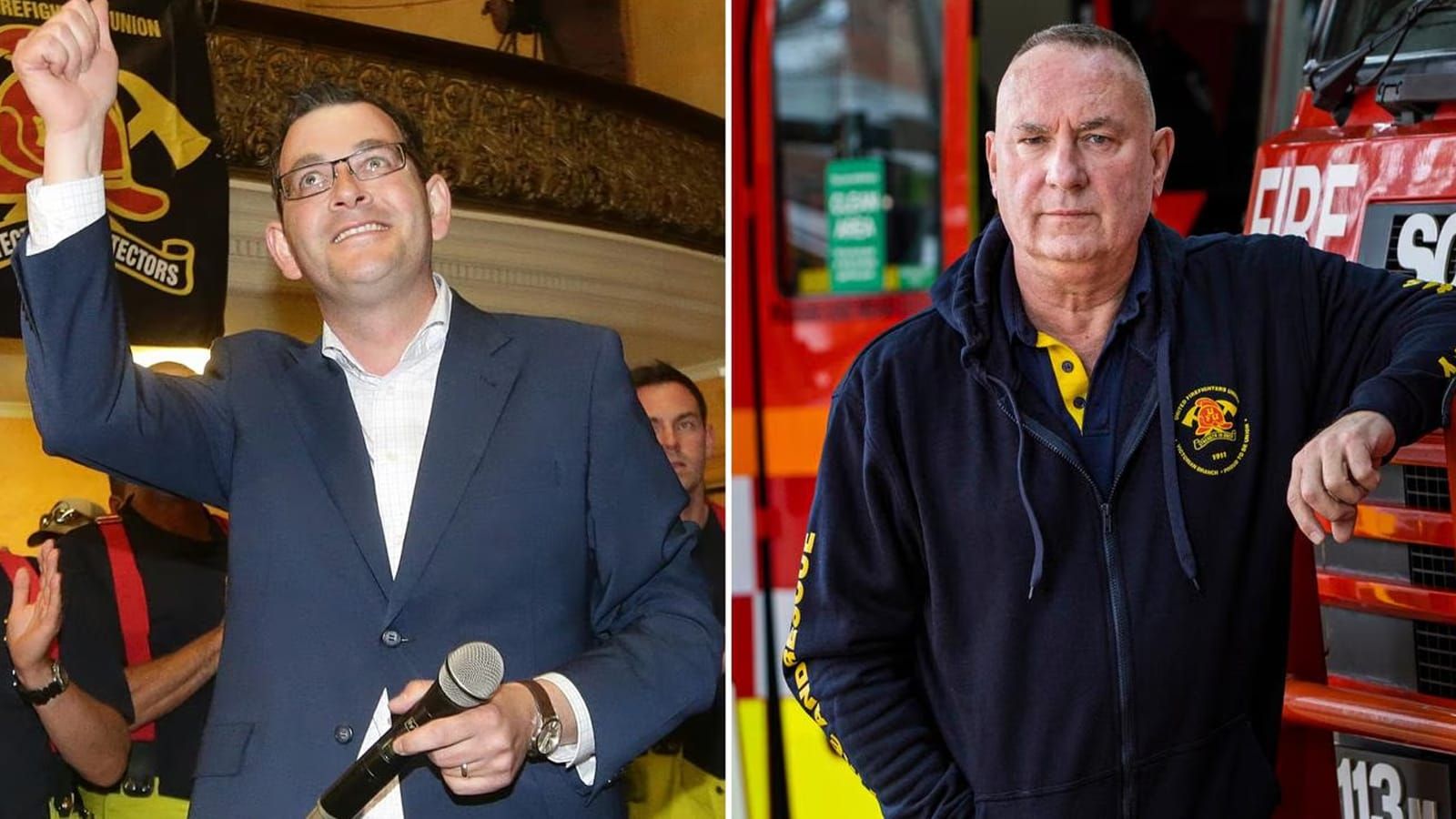
A secret corruption report into how Daniel Andrews' Labor government dealt with the firefighters union is one step from public release, after Victoria's Supreme Court threw out the union's last bid to keep it sealed.
The report is the product of Operation Richmond, the corruption watchdog's investigation into a single question: were the deals that gave the United Firefighters Union its powerful say over Victoria's fire services done properly?
Those deals ended a minister's career, triggered a volunteer revolt inside the CFA, and were struck with a union affiliated to Labor itself. IBAC finished the report, wants it published, and has been unable to do it, because the union boss who sat across the table from Andrews took the watchdog to court.
The stakes run both ways. For Labor, the report covers the premier who defined the party's last decade, it lands in an election year on top of the Big Build scandal, and Victorians vote on 28 November. For UFU boss Peter Marshall, one move remains: an appeal by 4pm on 17 July. Until then, the report stays in the drawer.
Justice Claire Harris on Friday dismissed the application by the United Firefighters Union and its national secretary Peter Marshall to block publication of IBAC's Operation Richmond special report, finding they hadn't established any of the grounds of their challenge. She ordered them to pay the watchdog's legal costs.
Victory for the watchdog came with a catch. IBAC gave the court an undertaking that it won't send the report to parliament or publish it in any other way until Mr Marshall and the union decide whether to appeal.
They have until 4pm on 17 July. If that deadline passes without an appeal, IBAC will take steps to release the report, though the court heard the provisions of the IBAC Act mean it could still take some time to reach the public.
What Operation Richmond actually investigated
Operation Richmond is IBAC's investigation, running since 2019, into the Victorian government's negotiations with the UFU over the reforms that merged the Metropolitan Fire Brigade and career Country Fire Authority firefighters into Fire Rescue Victoria.
Sky News reports the probe traces back to a complaint lodged in 2018, and that its scope widened to cover the relationship between the union and the government of then premier Daniel Andrews, with intercepted communications involving government figures understood to form part of the material examined.
The Australian has reported the complaint came from a Labor insider, and that scores of witnesses were questioned in private, with no public hearings ever called.
The UFU's Victorian branch is an affiliated union of the Victorian Labor Party, with delegates and voting rights at the party's state conference. This was Labor negotiating with Labor's own.
Mr Andrews was reportedly questioned as part of the investigation. He's refused to confirm or deny it.
The 2016 fire dispute that ended Jane Garrett's career
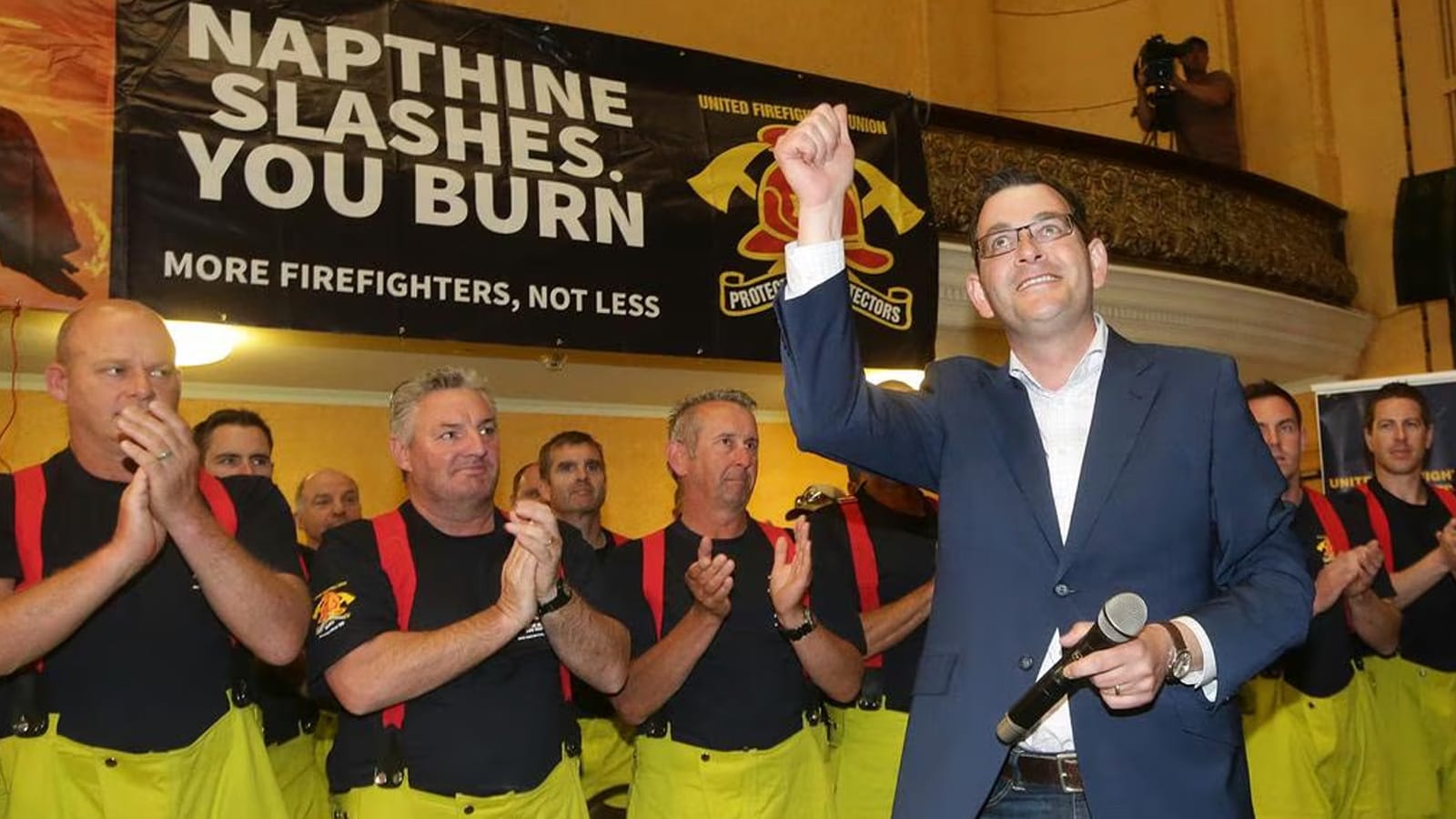
The story starts with the poisonous 2016 enterprise bargaining fight between the UFU and the Country Fire Authority. Mr Andrews sidelined his own emergency services minister, Jane Garrett, and dealt with Mr Marshall directly. Garrett resigned from cabinet rather than sign off on the union's terms, the CFA board was sacked, and the dispute spilled into that year's federal election campaign.
Garrett died of cancer in 2022. She won't be here to read whatever IBAC found.
The dispute was never just about pay. Victoria then had two fire services: the MFB, with career firefighters covering inner Melbourne, and the CFA, one of the largest volunteer firefighting forces in the world, covering the suburbs and the bush. The UFU represents the paid firefighters, and the agreement it demanded for the CFA's career staff reached deep into operational territory, including a requirement for seven career firefighters on scene before certain firefighting work could begin, and consultation clauses volunteers read as a union veto over CFA management. The CFA board refused to sign. Volunteers saw a takeover of their own organisation, and the backlash ran so hot the Turnbull government changed federal workplace law to shield emergency services volunteers from that style of agreement.
The 2020 merger settled the war on the union's terms. Career firefighters moved out of the CFA and into the new Fire Rescue Victoria alongside the MFB, and the CFA was left to the volunteers. What IBAC examined is whether the deals that got there were done properly.
Peter Marshall fought to stay anonymous. The Court of Appeal said no
IBAC Commissioner Victoria Elliott had indicated the report would be public by 1 July. In May, two applicants nobody was allowed to name filed a last minute injunction application in the Supreme Court. The court file was closed and the hearing listed behind closed doors.
Justice Harris refused the pair's bid for ongoing pseudonyms, and on 12 June the Court of Appeal agreed, ruling that embarrassment, distress or potential reputational damage weren't sufficient grounds to keep their names secret. Only then did Victorians learn who'd been fighting to keep the report from them. Chief Justice Richard Niall said "no error has been found" and that "her honour's decision was correct". Even then, their barrister Paul Holdenson KC told reporters outside court he'd been instructed not to say who his clients were. Media lawyer Justin Quill called the affair "secrecy on secrecy".
At the closed hearing on 24 June, lawyers for Mr Marshall and the union argued IBAC was relying on its education and prevention functions as a reason to make the report public, which they said exceeded the limits of the watchdog's powers. Justice Harris rejected every ground.
Why fight so hard? Publicly, Mr Marshall and the union say the report is unlawful and that IBAC exceeded its powers. In the anonymity fight, their grounds were embarrassment, distress and reputational damage, which the Court of Appeal ruled insufficient. Under the IBAC Act, anyone facing adverse comment in a report must be shown the material and given a chance to respond before it's published. Anyone criticised in Operation Richmond has already seen the sections that concern them. Victorians, for now, haven't seen a word.
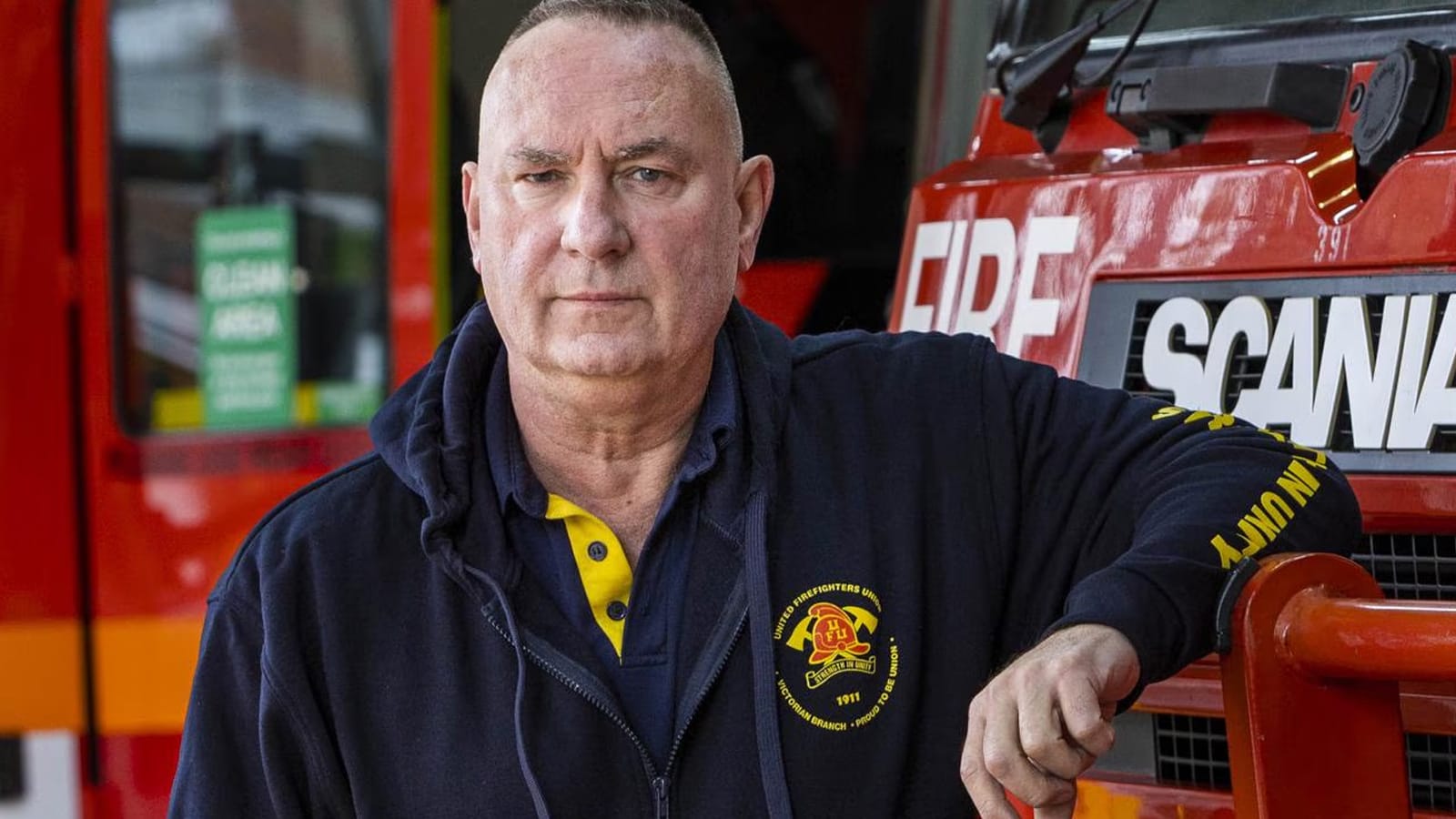
Mr Marshall's fullest public explanation came in a written statement after the unmasking, reported by The Australian. He said the union's case is that "so-called Operation Richmond" was "unlawful for various reasons", and that confidentiality notices from the private examinations restrict what he can say.
"The law still prohibits us from commenting on what is in the report and what it may say about us or anyone else," he said, pointing to "a consistent and sustained flow of information to the media" while the union stayed silent. "We will make a further statement, when we can."
IBAC Commissioner Victoria Elliott: Victorians deserve to know
While the secrecy fight ran, the watchdog itself did something unusual. Commissioner Elliott published a statement on IBAC's website saying, in plain terms, that the law stops her telling Victorians what her agency knows.
"As a general principle of public integrity, Victorians deserve to know more about IBAC's efforts … and we want to tell you. But to do that, IBAC's legislation needs to change, as it currently limits our ability to share what we believe to be in the public interest."
After Friday's ruling, IBAC said it was pleased with the outcome.
"Reporting to parliament and the public on IBAC's investigative findings is a crucial part of our role in exposing and preventing corruption and misconduct in Victoria," a spokesperson said.
Jacinta Allan says she wants it out. Her party writes the law
Premier Jacinta Allan has said the government isn't a party to the case, had no involvement in the proceedings, and wants the report released. Nobody suggests her government lodged the application.
"I think it's very important that the report is released, but that's a matter for IBAC," she said when the injunction was launched. "The government is not a party to this matter and has no involvement in these proceedings."
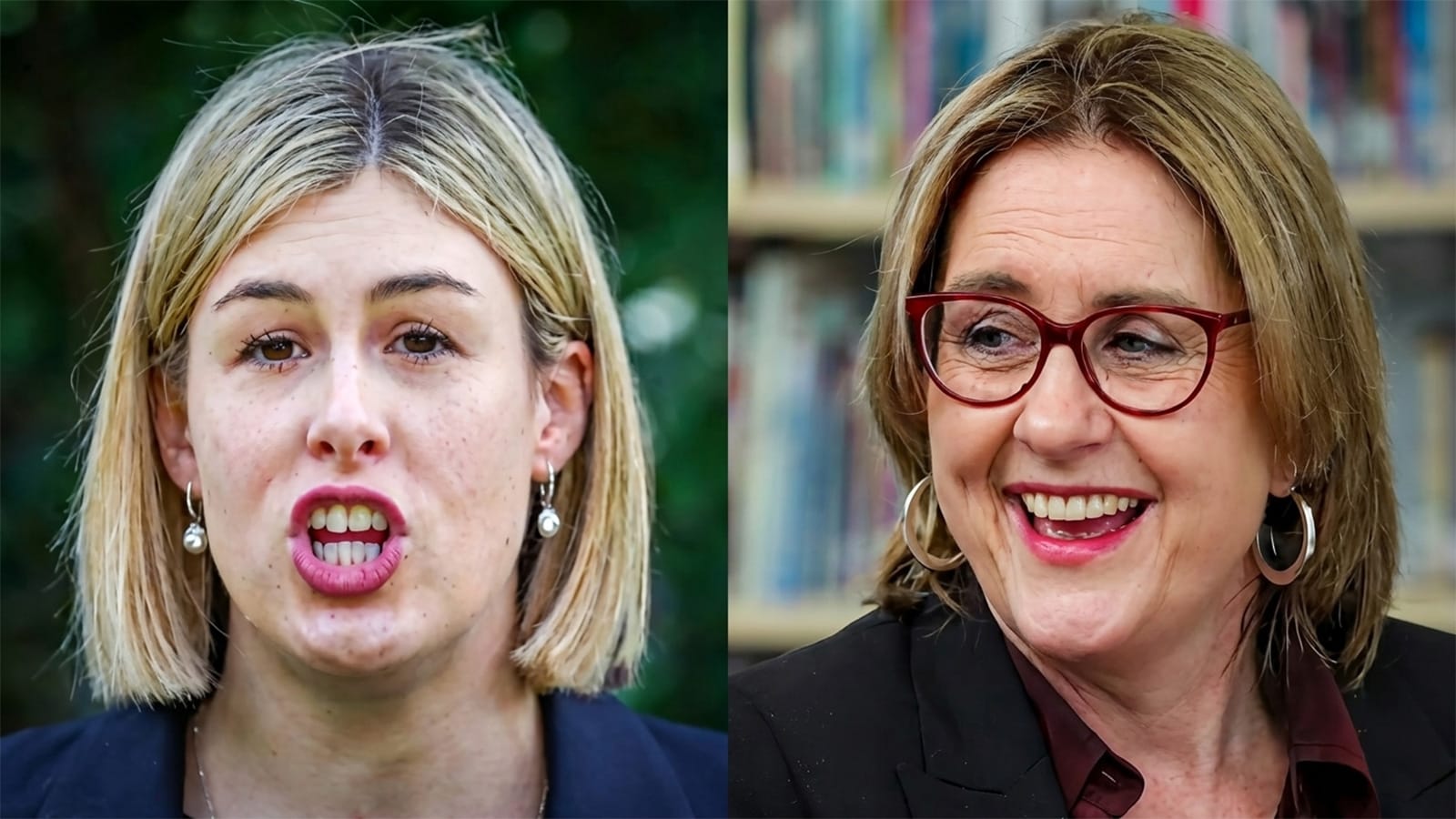
The gap is what happens next. The watchdog has publicly asked for its legislation to change. Labor holds 56 of the 88 seats in the Legislative Assembly, so it holds the pen. Opposition Leader Jess Wilson has moved to introduce laws aimed at stripping individuals of the power to hold up the release of IBAC reports, while the government's own IBAC overhaul isn't due to be legislated until the end of 2027, safely past the election. Shadow attorney-general James Newbury has promised "a new legislative requirement which allows IBAC to table their reports fast", calling the vote "a test for the Labor Party".
"The culture of corruption and cover-ups under Labor must come to an end," Ms Wilson said in June.
Watts, Daintree and the Big Build: this report lands on a pile
Operation Richmond won't arrive in a vacuum. IBAC's Operation Watts report in 2022 found Victorian Labor figures had misused electorate office staff and public resources for factional work. Its Operation Daintree report in 2023 found improper influence compromised the awarding of a $1.2 million health training contract to a body set up by the Health Workers Union, another Labor affiliate.
The Allan government is also fighting the Big Build scandal, with allegations organised crime infiltrated major projects through the CFMEU, and IBAC conceding it lacks the "follow the money" powers to chase taxpayer funds through private subcontractors.
A $134,304 statue while the report sits in a drawer
There's one more piece of timing the government won't enjoy. The state has confirmed Meridian Sculpture will cast a bronze statue of Mr Andrews at a cost of $134,304, under a rule introduced by Jeff Kennett in the 1990s that grants any premier who serves more than 3,000 days a statue near the government offices at Treasury Place. Mr Andrews served 3,219 days.
The statue will stand a short walk from the Treasury officials managing what he left behind. Net debt was $21.5 billion when his first budget was handed down in 2015 and almost $117 billion when he retired in September 2023, and the state's latest budget update projects $192.6 billion by mid 2029, with interest bills forecast to reach $11.8 billion a year by the end of the decade. That's more than $32 million a day, before a dollar reaches a hospital or a school.
What happens at 4pm on 17 July
If Mr Marshall and the UFU don't appeal by the deadline, IBAC begins the process of tabling Operation Richmond in parliament. If they do, the report goes back into legal limbo with the election clock running. Victorians vote on 28 November.
Eight years after the complaint that sparked it, the decision on whether Victorians read its findings before they vote belongs to Peter Marshall and his union.